The Legal Side of Owning a Tiny Home: What You Should Know
5 March 2026
So, you’ve fallen in love with the idea of downsizing, simplifying, and joining the tiny house movement — woohoo! But just before you roll your adorable little haven onto a piece of land and pop open the bubbly, let’s talk about something that might not be as cute and cozy: the legal side of owning a tiny home.
Yep, this is where your tiny home dreams meet real-world red tape. From zoning laws to building codes, parking rules to permitting processes — it’s not all sunshine and shiplap. But don’t sweat it! We’re unpacking this topic in a super digestible way (with a few sprinkles of fun along the way).
Why Are Tiny Homes Legally Complicated?
Let’s be real — tiny homes live in a kind of legal “gray zone.” They’re not quite traditional homes, not exactly RVs, and definitely not just backyard sheds.👉 So where do they fit in? That’s the million-dollar (or maybe $50k) question.
Tiny homes challenge the status quo. They're unconventional, and sometimes the law just hasn’t caught up to the creativity of DIY dreamers living in homes on wheels, or under 400 square feet.
Types of Tiny Homes and Why They Matter (Legally)
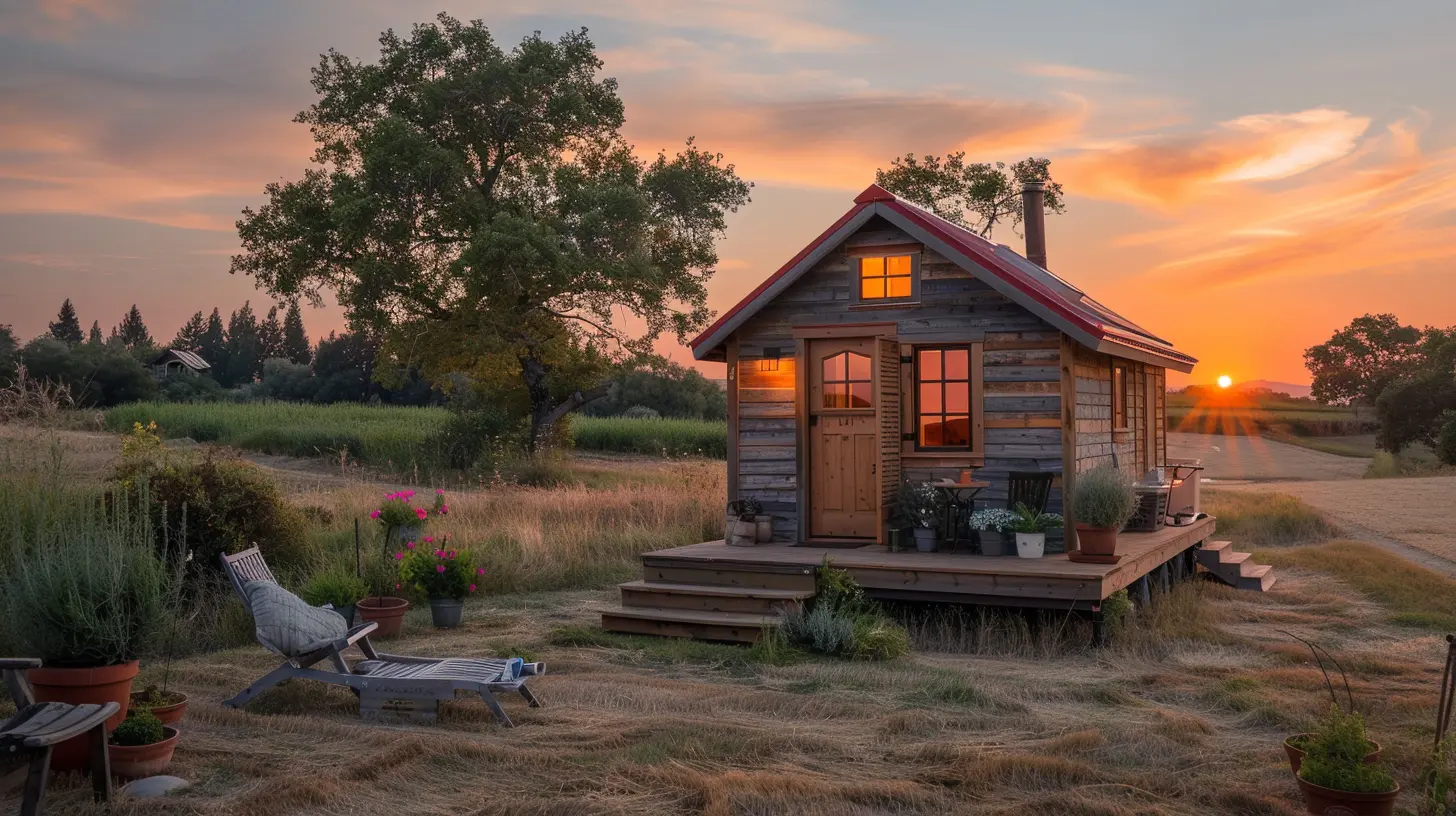
Before diving into the legal mumbo-jumbo, let's break down the two main types of tiny homes — because what you build (or buy) affects what legal hurdles you'll need to jump.1. Tiny Homes on Wheels (THOWs)
These are basically cute little houses that sit on trailers. You can haul them around like an RV, and they’re usually under 8.5 feet wide and 13.5 feet tall (so they can cruise under bridges like a boss).🧾 Legal Fun Fact: THOWs are often legally classified as RVs or trailers, which means you can’t just plop them down and live in them full-time… at least not everywhere.
2. Tiny Homes on Foundations
These are more traditional in structure but tiny in size. Think of a mini-house with a real foundation, possibly sitting on your land.🧾 Legal Note: These are more likely to be viewed as true dwellings, meaning they need to meet local housing codes and zoning laws — but they’re generally easier to legalize as full-time residences compared to THOWs.
Zoning Laws: Where Can Your Tiny House Go?
Ah, zoning laws — the ultimate buzzkill for spontaneous tiny house placement.Zoning is basically how your town or city decides what can be built where. It separates land into areas for residential homes, commercial use, industrial use, and so on.
Common Zoning Restrictions for Tiny Homes:
- Minimum square footage requirements (some places say homes must be at least 500–1,000 sq ft!)- Prohibition of mobile homes or RVs as permanent dwellings
- Rules about how many dwellings can be on a single lot
- Setback rules (how far your home must be from property lines)
🌟 Pro Tip: Contact your local planning and zoning department before buying land or parking your tiny house. Trust us — it’s way easier to figure out what’s allowed upfront than to get the dreaded “eviction” notice later.
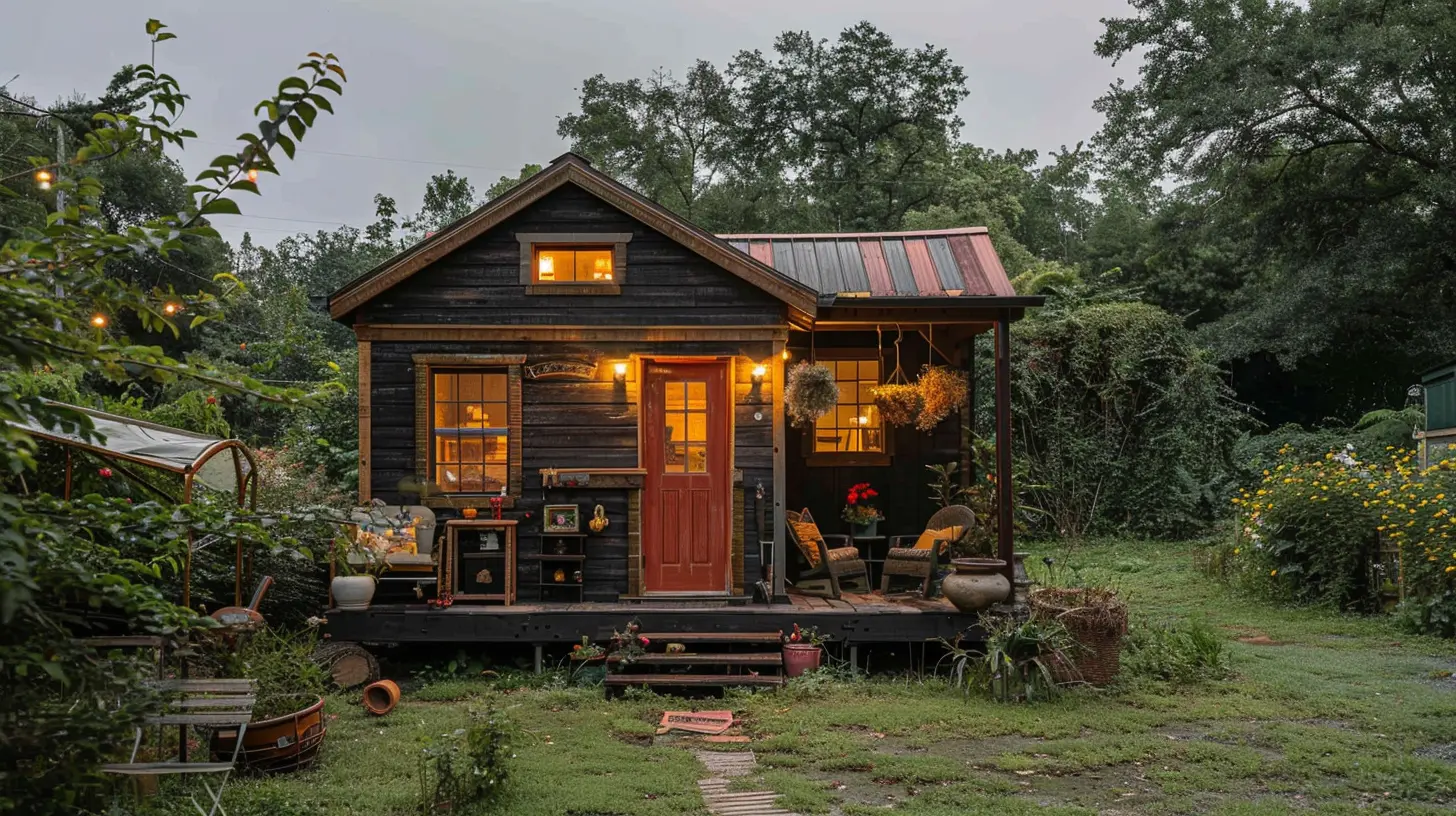
Building Codes: Can Your Tiny Home Pass the Test?
If zoning is about where your home can go, building codes are all about how it’s built.Building codes are standards set for health, safety, and structural soundness. You know — things like plumbing, electrical systems, ventilation, fire safety, and all the not-so-glamorous stuff that keeps your teeny abode livable.
Common Challenges for Tiny Homes:
- Ceiling height requirements (usually 7 feet inside — tough for lofts!)- Stair and ladder rules (some places don’t allow ladders to lofts)
- Safety egress (you need a way out in case of fire)
- Electrical and plumbing systems must usually meet standard residential codes
🧰 Heads Up: In most places, if your tiny home is built on a foundation, it needs to meet the local residential building codes. If it’s on wheels, you’ll usually need it to meet RV industry standards (like those from NOAH or RVIA).
Permits: The Magic Tickets
Permits are like golden tickets giving you legal permission to build, renovate, or live on your land.For tiny homes, the types of permits you might need can include:
- Building permits (for construction or renovation)
- Electrical and plumbing permits
- Septic and sewer system permits
- Occupancy permits (for actually living there)
🔧 Don’t skip this step — building without the proper permits can lead to fines, forced removal, or worse (it’s not worth the stress, trust us).
Can You Live in a Tiny Home Full-Time?
You might be surprised to find out that many places prohibit full-time living in RVs or non-traditional dwellings, even if you own the land.It’s frustrating, for sure. But some municipalities are starting to catch on and make legal exceptions for tiny homes. Here are a few options that might work:
1. Tiny Home Villages
A growing trend, tiny house communities are popping up all over — offering legally zoned areas just for people who want to live tiny full-time.2. ADUs (Accessory Dwelling Units)
If you build your tiny home in a backyard as a guest house or granny flat, it might qualify as an ADU — and many cities are easing restrictions to allow these.3. Homesteading or Rural Living
In rural areas, zoning and building rules are sometimes more relaxed. It varies a LOT, but you may have more freedom in the countryside than in downtown San Diego.Owning Land vs. Parking on Someone Else’s
Another legal nugget to chew on: do you want to buy your own land or rent a spot to park?Owning Land:
Pros:- You control your space
- Potential for off-grid living
- You can build to suit
Cons:
- Must meet zoning and septic regulations
- Can be expensive!
Renting or Parking:
Pros:- Lower upfront costs
- Flexibility
Cons:
- Short-term leases
- More legal grey areas for full-time living
Either way, make sure there’s communication (and paperwork) in place. A handshake agreement won’t hold up if you're told to move along.
HOA Rules: The Surprise Boss Battle
Think you found the perfect neighborhood? Better check the HOA rules. Homeowners Associations often have strict aesthetic, building, and usage guidelines.No offense to HOAs, but they’re kind of like that one friend who insists on matching throw pillows — a little uptight.
📌 A tiny home might not be allowed at all in HOA-governed neighborhoods. Call ahead and ask questions before moving forward.
What About Utilities?
Let’s not forget — even tiny homes need water, power, and a place for your ahem, “to go.”Legal issues surrounding utilities include:
- Tapping into city water or sewer systems (might need permits)
- Installing off-grid solutions like solar or composting toilets (legal in some places, banned in others)
- Connecting to power grids or using propane
The laws depend heavily on local codes. So, whether you're going fully off-grid or just semi-self-sufficient, it’s worth double-checking what's legal where you're headed.
Insurance and Financing: Not Exactly Tiny
Tiny homes can be tricky to insure and finance because traditional banks and insurance agencies don’t always know how to categorize them.Financial Tips:
- Some lenders specialize in tiny house loans — shop around!- If it’s on wheels, you might need an RV loan; on a foundation, it might qualify as a regular home mortgage.
Insurance Tips:
- Look into RV insurance for THOWs- If it’s classified as a home, you may need homeowners insurance
- Make sure to cover theft, damage, and liability
🌟 Bonus Tip: Work with professionals who understand the tiny house world. It’ll save you hours (and headaches).
States and Cities That Love Tiny Homes
While it’s still a developing legal frontier, some U.S. cities and states are ahead of the curve. Here are a few that embrace the tiny lifestyle:- Portland, OR – Very ADU-friendly
- Durango, CO – Has legal tiny home communities
- Fresno, CA – Allows THOWs as backyard dwellings
- Austin, TX – Has several tiny house villages
- Madison, WI – One of the few cities zoning for THOWs
Always double-check the local laws yourself, of course!
Final Thoughts: It's Tiny But It's Complicated
Owning a tiny home isn’t just a lifestyle choice — it’s a legal adventure. Like trying to fit a square peg into a round zoning law.But here’s the good news: more and more people are advocating, legislating, and living the dream, which means the rules are slowly catching up to the movement.
So, if you’ve got tiny home dreams, don’t be discouraged. Do your research, talk to local officials, ask other tiny dwellers, and take it one square foot at a time.
And hey — your dream may be tiny, but the rewards? Massive.
all images in this post were generated using AI tools
Category:
Tiny HomesAuthor:

Kingston Estes
Discussion
rate this article
2 comments
Regina McGowan
What unique legal challenges do tiny home owners face that traditional homeowners might not?
March 18, 2026 at 3:35 AM
Kingston Estes
Tiny home owners often deal with zoning restrictions, building codes that favor traditional homes, and issues related to land use. Many municipalities do not have regulations that accommodate tiny homes, leading to potential legal hurdles such as permits and property taxes.
Marlowe McCall
Beneath the charm of tiny homes lies a labyrinth of legal intricacies. Unravel the enigma of zoning laws and tiny home regulations—what secrets await those who dare to downsize their living space?
March 7, 2026 at 1:38 PM
Kingston Estes
You're right-navigating zoning laws can feel overwhelming. It's crucial for tiny home owners to do their research and understand local regulations before making the leap to downsized living.