Lighting Strategies That Transform Your Home
6 November 2026
Lighting is one of the most important yet often overlooked aspects of home design. It can define a space, set the mood, and even influence your daily activities. Whether you are renovating, staging for sale, or simply looking to enhance your living environment, understanding various lighting strategies can make a significant difference. This article outlines practical insights, expert analysis, and real-world examples to help you transform your home with effective lighting solutions.
Understanding the Basics of Lighting
Before diving into specific strategies, it's essential to understand the three primary types of lighting: ambient, task, and accent.Ambient Lighting
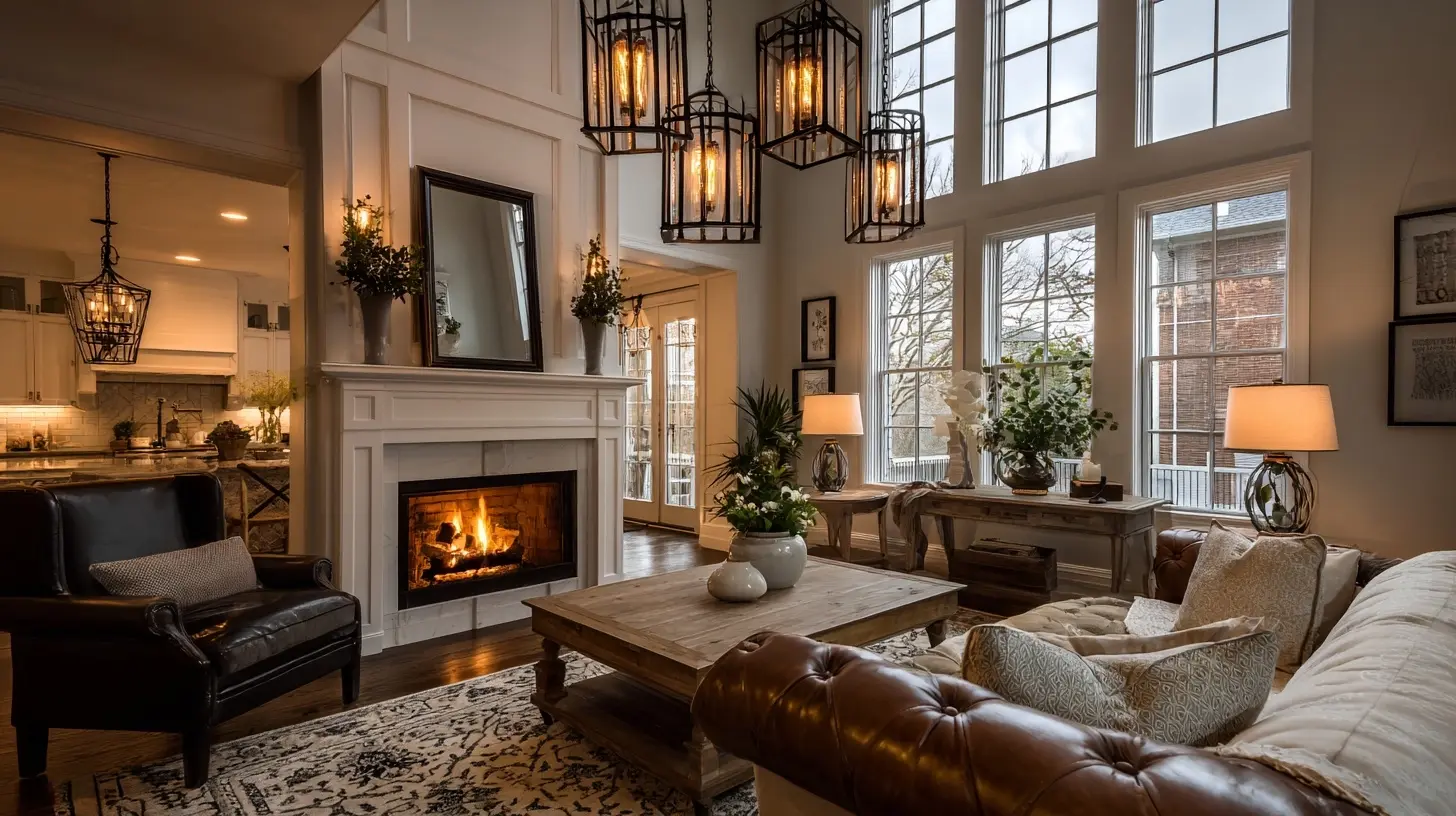
Ambient lighting serves as the general illumination of a room. It provides the overall light levels needed for everyday activities. Common sources include ceiling fixtures, chandeliers, and wall-mounted lights. When planning ambient lighting, consider the following:1. Brightness: The intensity of light is crucial. Rooms that require more interaction, like kitchens and living rooms, benefit from brighter ambient lighting.
2. Color Temperature: Measured in Kelvin, color temperature can influence the mood of a room. Warmer hues (2700K-3000K) create a cozy feel, while cooler tones (4000K-5000K) tend to be more energizing.
3. Dimming Options: Installing dimmer switches allows you to adjust the brightness according to the time of day or activity, enhancing the room's versatility.
Task Lighting
Task lighting is focused light meant for specific activities such as reading, cooking, or working. Here are key considerations:1. Placement: Position task lights where they are most needed. For example, place under-cabinet lights in the kitchen to illuminate countertops or use adjustable desk lamps in home offices.
2. Type of Fixture: Select fixtures that provide enough light without glare. For example, LED task lights can be very effective due to their directional capabilities.
3. Layering: Combine task lighting with ambient lighting to create a balanced environment. For instance, a bright overhead light paired with a focused desk lamp can keep workspaces well-lit without being harsh.
Accent Lighting
Accent lighting adds drama and visual interest by highlighting architectural features, artwork, or plants. Important factors include:1. Highlighting Elements: Use spotlights or wall-mounted fixtures to draw attention to specific areas or objects in a room.
2. Contrast and Depth: By creating shadows and highlights, accent lighting can add depth to a space, making it feel more dynamic.
3. Color and Texture: Different colors and textures can be enhanced with careful accent lighting, adding to the overall aesthetic appeal.
Planning Your Lighting Strategy
Assess Your Space
Before implementing lighting changes, assess your space. Consider the following:- Room Functionality: Different rooms serve different purposes, which should guide your lighting choices. For instance, a cozy reading nook may require soft, warm light, while a spacious kitchen needs bright, clear light.
- Existing Features: Take note of windows, architectural features, and existing light sources. Natural light can significantly influence how you plan your artificial lighting.
Create a Lighting Plan
A well-thought-out lighting plan can streamline your design process. Consider these steps:1. Identify Zones: Break your home into distinct zones based on functionality. For instance, create areas for relaxing, working, and entertaining.
2. Layer Your Lighting: Plan for a mix of ambient, task, and accent lighting in each zone. This approach increases versatility and creates a balanced atmosphere.
3. Consider Control Options: Smart lighting systems offer convenience and customization. Think about integrating smart bulbs or switches for easy control over your lighting.
Common Mistakes to Avoid
While planning your lighting strategy, be mindful of common pitfalls:Overlooking Natural Light
One of the most significant mistakes is ignoring the amount of natural light a room receives. Consider how the position of windows and the time of day affect illumination. Too much reliance on artificial lighting can create a harsh environment. Balance natural light with strategically placed fixtures that enhance the overall brightness without overwhelming the senses.Neglecting Dimmer Switches
Another frequent oversight is failing to install dimmer switches. They provide flexibility, allowing you to adjust the ambiance according to your needs. In rooms where mood matters, such as dining areas or bedrooms, dimmable lights create a more inviting atmosphere.Underestimating the Importance of Color
Color plays a vital role in how light interacts with your space. Light colors can reflect light better, making rooms feel more open. Conversely, dark colors absorb light and can make a room feel smaller. When choosing paint colors or furnishings, consider how they will affect your lighting choices and overall room feel.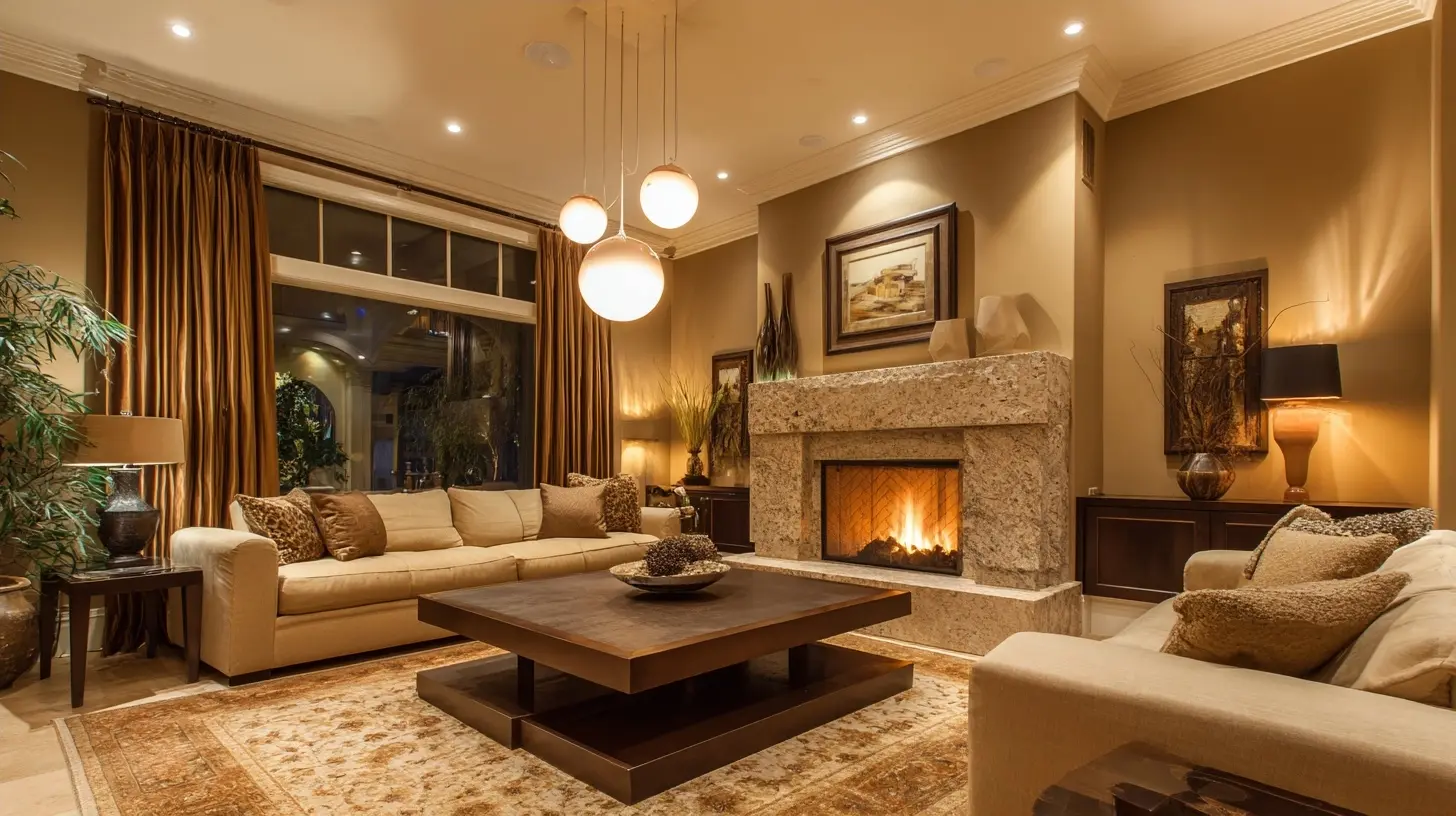
Advanced Lighting Techniques
Layering Light
Layering light involves combining various types of lighting to achieve a harmonious effect. Here's how to do it effectively:1. Multiple Sources: Combine different lighting types in a single room. For example, in a living room, use floor lamps, table lamps, and ceiling lights together for a balanced look.
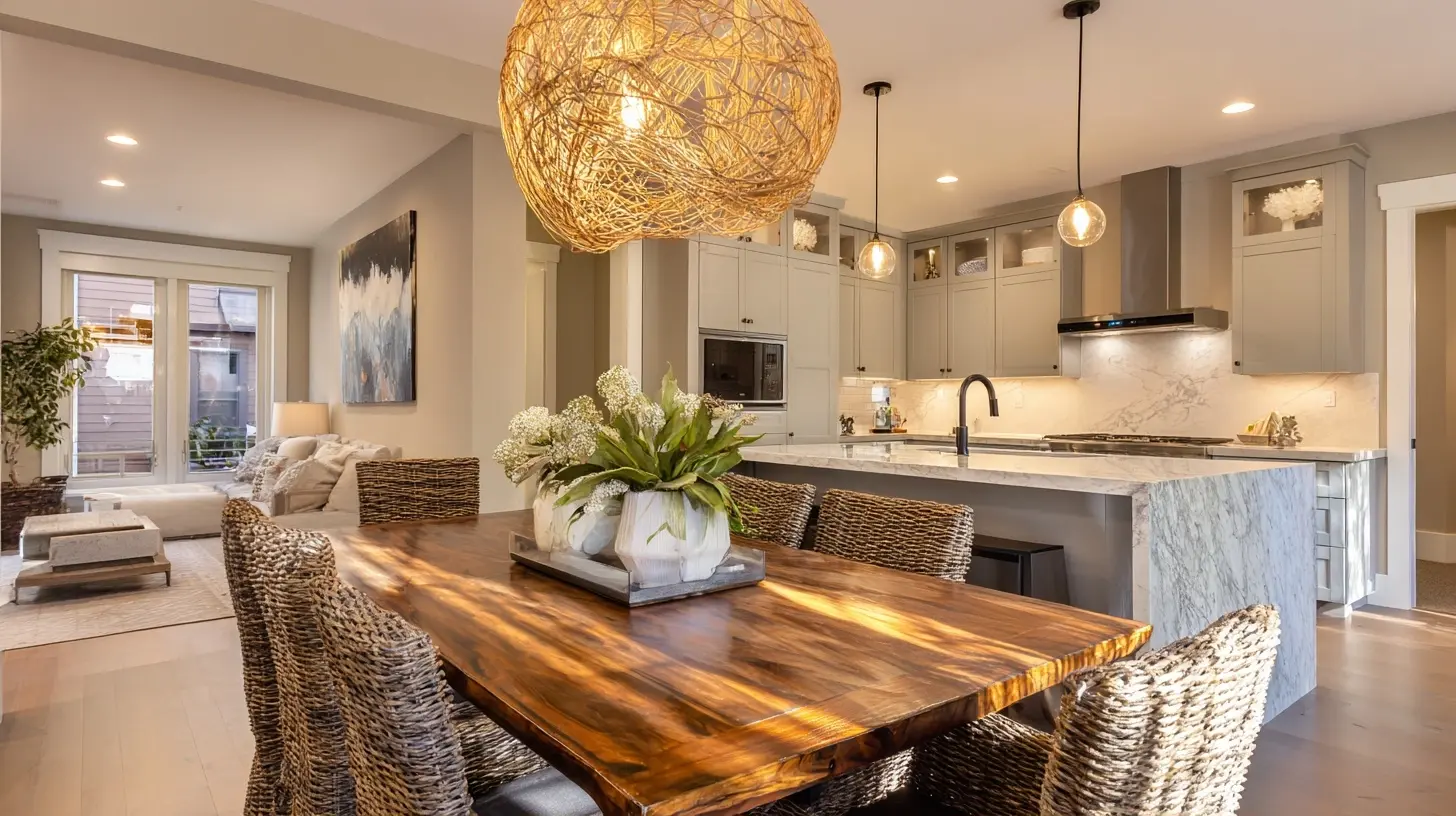
2. Height Variation: Vary the height of light fixtures to create visual interest. Hanging pendant lights at different heights can add a dynamic touch to dining areas.
3. Reflective Surfaces: Incorporate mirrors and glossy finishes to reflect light, enhancing brightness and depth. Placing a mirror opposite a window can double the effect of natural light.
Smart Lighting Solutions
In today's digital age, smart lighting solutions can significantly enhance your home's functionality. Consider the following:1. Programmable Scenes: Create different lighting scenes for various activities. For instance, program soft lighting for movie nights and bright, energizing settings for morning routines.
2. Voice Control: Smart lighting systems allow for hands-free operation. This feature can be particularly useful in multitasking situations, making it easy to adjust lighting without interrupting your flow.
3. Energy Efficiency: Many smart bulbs are energy-efficient, reducing electricity bills and environmental impact. Opt for LED options that offer longevity and lower energy consumption.
Real-World Examples
Case Study: A Modern Kitchen Upgrade
In a recent kitchen renovation, a homeowner opted for a layered lighting approach. They installed recessed ambient lighting throughout the ceiling, complemented by under-cabinet task lights that illuminated the countertops. To add character, they included pendant lights above the island. By mixing different light sources, they achieved both functionality and style.Case Study: Transforming a Living Room
A living room transformation involved the strategic use of accent lighting. The homeowner highlighted a collection of artwork using adjustable wall sconces, adding depth and drama. They also integrated a dimmer switch to control the brightness, allowing the space to shift from a bright gathering area to a cozy retreat for evenings.
Conclusion
The right lighting can indeed transform your home, enhancing its aesthetic appeal and functionality. By understanding the different types of lighting, assessing your space, and avoiding common pitfalls, you can create a thoughtful lighting strategy that meets your needs. Whether you are looking to make subtle adjustments or undertake a significant overhaul, the strategies outlined in this article provide a solid foundation for illuminating your space effectively.
all images in this post were generated using AI tools
Category:
Home ImprovementAuthor:

Kingston Estes