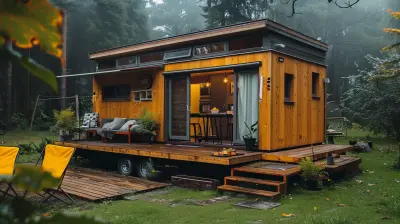
Land Development: How to Turn Raw Land into a Profitable Investment
31 March 2026
So, you’ve got a piece of raw land sitting there, doing a whole lot of nothing, and you’re wondering, “How do I turn this into a money-making machine?” Well, buckle up, because I’m about to break it all down for you. Land development isn’t just for big-time investors or corporate moguls—it’s an opportunity that anyone with a vision (and a little patience) can tap into.
This guide will take you on a wild ride from barren dirt to a solid investment, ensuring you don’t step into the pitfalls that make so many newbies throw in the towel.
Let’s dive right in. 
What Exactly Is Land Development?
In simple terms, land development is the process of turning a raw piece of land into something valuable—whether that means building residential homes, commercial properties, or even leasing it out for agriculture. Unlike house flipping, where you buy a property and renovate it, land development starts from scratch. It's like baking a cake, but instead of flour and sugar, you're working with zoning laws, construction, and market demand.And trust me, if you do it right, the payday can be sweet. 
Step 1: Find the Right Piece of Land
Alright, first things first—you need land! But not just any land. The trick is to find a piece that has real potential. Here’s what you need to look out for:1. Location, Location, Location
I know, I sound like a broken record, but location is everything. A cheap piece of land in the middle of nowhere won’t do you much good unless there’s major development coming to the area soon. Instead, opt for land that’s near growing cities, has access to roads, and comes with future potential.2. Zoning and Land Use Regulations
Before you whip out your wallet, check the zoning regulations. Some land is strictly agricultural, some is residential, and others are commercial. If the zoning doesn’t match your vision, you’ll have to go through a tedious approval process, which isn’t always guaranteed.3. Availability of Utilities
Raw land means you might have to bring in electricity, water, sewage, and internet. These can add hefty costs, so factor them into your budget before making a purchase.4. Topography and Soil Testing
Not all land is builder-friendly. A piece of land on a steep slope or with unstable soil could cost a fortune in preparation work. Hiring a surveyor to check the soil and elevation is a smart move.
Step 2: Crunch the Numbers
Land development isn’t a “buy it and hope for the best” kind of deal. You need to plan financially before you commit.1. Purchase Price
Get the best deal possible. Low cost doesn’t always mean a good deal, just like expensive land doesn’t always mean high return. Do your homework.2. Development Costs
From permits to construction, infrastructure, labor, and legal fees, costs can add up fast. Always budget for unexpected expenses because trust me, they will happen.3. Market Demand
What’s the point of building something if nobody wants to buy it? Research the area’s demand. Are people looking for homes? Are businesses expanding? A little market research goes a long way.
Step 3: Get Your Permits Sorted Out
Ah, paperwork—the least exciting but most crucial part of the process.Depending on your plans, you’ll need different permits:
- Zoning Permits: If you need a zoning change, apply early, because these can take months or even years.
- Environmental Permits: Some areas require environmental impact studies to ensure your project won’t harm wildlife or waterways.
- Utility Permits: If you are adding water, electricity, or sewage systems, you’ll need permission from local authorities.
The sooner you handle permits, the sooner you can break ground.
Step 4: Build That Infrastructure
Now we’re getting to the fun part. Once you have the land and permits ready, it's time to bring in the bulldozers.1. Clear the Land
If there are trees, rocks, or uneven ground, this is when you level it out. Site preparation is key before any construction happens.2. Install Utilities
Sewage, electricity, gas, and broadband lines—get them in early so you’re not ripping up your work later.3. Road Access & Drainage
If the land isn’t already connected to a main road, this is a must. Also, ensure proper drainage so your investment doesn’t turn into a swamp every time it rains.Step 5: Develop and Build
Now it’s time to bring your vision to life. Based on your business model, you can:1. Sell the Developed Land
If your plan was simply to increase the land’s value and sell it, great! With all the infrastructure in place, you can flip it for a sizable profit.2. Build Homes or Commercial Properties
If you want to go all in, hire a builder and start developing houses, apartment complexes, or shopping centers. This takes time, but rental income can generate passive wealth for years.3. Lease the Land
In some cases, leasing the land to businesses, farmers, or energy companies (solar farms, anyone?) can bring in steady income without the hassle of construction.Step 6: Market Your Property
If you thought the hard work was over, think again! Now comes the part where you need to sell or lease your development.1. Work with a Real Estate Agent
A good agent knows the market and can help you price your property competitively.2. Use Online Marketing
List your property on real estate platforms, use high-quality photos, and run social media ads. You'd be surprised how many investors find deals through Facebook and Instagram!3. Host Open Houses
If you developed houses, let potential buyers tour them. Seeing is believing, and nothing beats stepping into a brand-new home.Common Mistakes to Avoid
Listen, I want you to succeed. But land development comes with its fair share of pitfalls. Here are some blunders to watch out for:- Skipping research: Buying land without checking zoning laws or demand is like jumping into a pool without knowing if there’s water.
- Underestimating costs: Always budget extra because things WILL go over budget.
- Ignoring environmental restrictions: Some land has protected areas, and getting caught violating regulations is a legal nightmare.
- Not hiring experts: Surveyors, contractors, and real estate agents exist for a reason—use them.
Final Thoughts
Land development is no walk in the park, but if you play your cards right, it can be ridiculously profitable. It’s about vision, patience, and (let’s be real) a little bit of luck. Get the right land, make smart decisions, and soon, you'll be watching your investment multiply.Now get out there and turn that chunk of dirt into some serious cash!
all images in this post were generated using AI tools
Category:
Real Estate InvestmentAuthor:

Kingston Estes
Discussion
rate this article
2 comments
Seraphine Hodge
Great insights! Transforming raw land into a profitable venture is an exciting journey. Your tips on zoning and market analysis are particularly valuable for aspiring developers!
April 15, 2026 at 2:44 AM
Kingston Estes
Thank you! I'm glad you found the tips helpful. It's an exciting path with a lot of potential. Happy developing!
Mandy Reyes
Transforming raw land into a profitable investment is an exciting journey—embrace the challenge and unlock your potential!
March 31, 2026 at 2:33 AM
Kingston Estes
Thank you! Embracing the challenges of land development can indeed lead to rewarding opportunities. Let’s unlock that potential together!