How Flood Zones Impact Your Homeowners Insurance
30 January 2026
So, you're looking for your dream home or maybe you already have it. Picture-perfect kitchen? Check. Big backyard? Check. Great neighborhood? Check. But have you checked the flood zone? Wait—what's that? Well, it turns out that this little detail can play a big role in your homeowners insurance (and your wallet).
Let’s dive into why flood zones matter, how they affect your homeowners insurance, and what you can actually do about it. Because hey, understanding this stuff could literally save you thousands—yes, thousands—of dollars and help protect your home from unexpected disasters.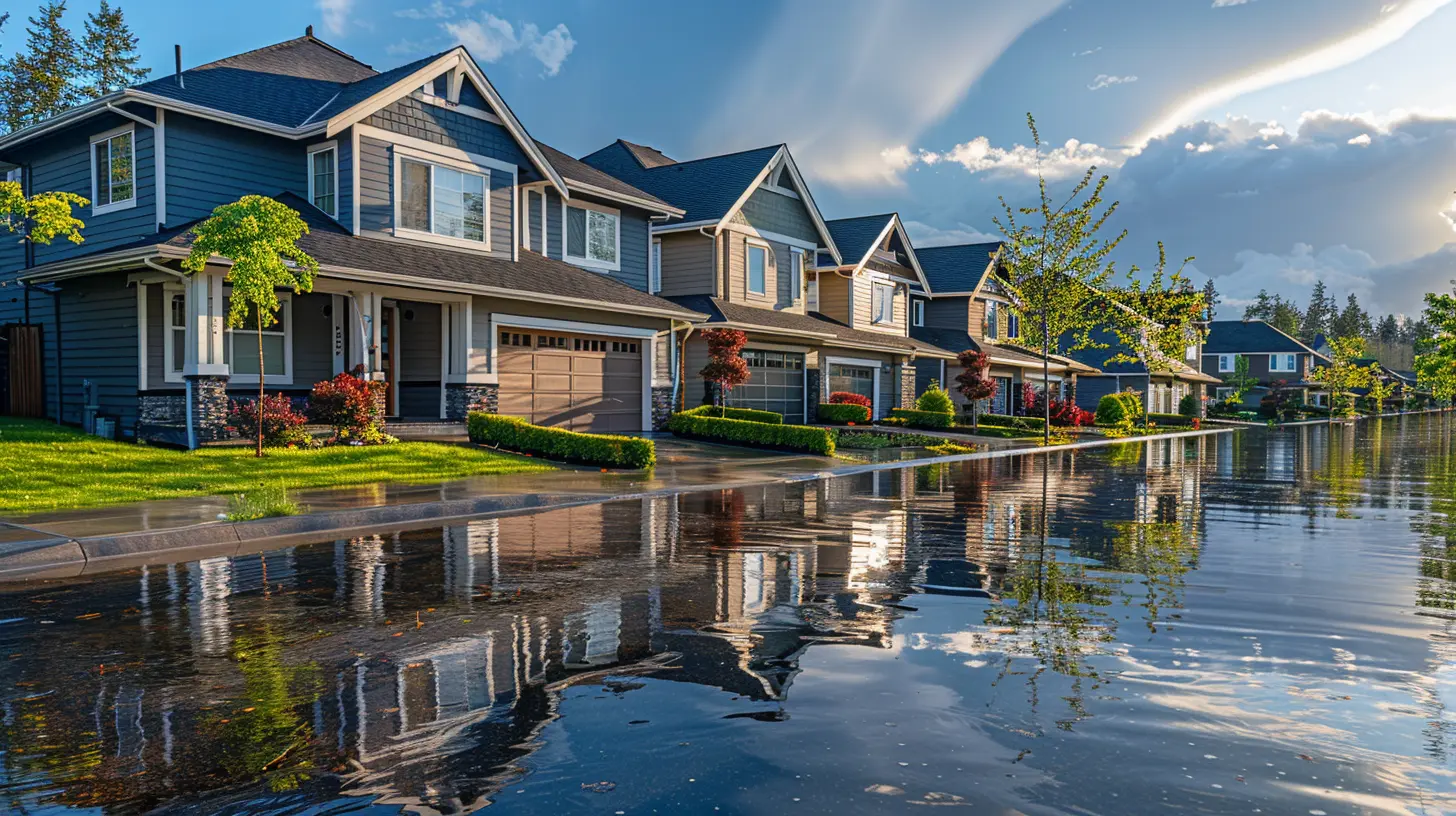
What Is a Flood Zone Anyway?
In simple terms, a flood zone is a geographic area that categorizes the level of flood risk based on historical data and probabilities. These zones are mapped out by FEMA (Federal Emergency Management Agency), and spoiler alert: not all zones are created equal.They generally fall into three main categories:
- High-Risk Zones (Special Flood Hazard Areas - SFHAs): These are areas where there's at least a 1% annual chance of flooding (also known as the 100-year floodplain).
- Moderate-to-Low Risk Zones: Areas where the flood risk isn't as high but still exists.
- Undetermined Risk Zones: Areas where flood hazards haven't been properly assessed. Kind of like rolling the dice.
Each zone is labeled with letters—like A, AE, V, X—which can feel like decoding a secret message. But ultimately, they all relate to how likely your area is to flood. And guess what? That likelihood directly influences your homeowners insurance.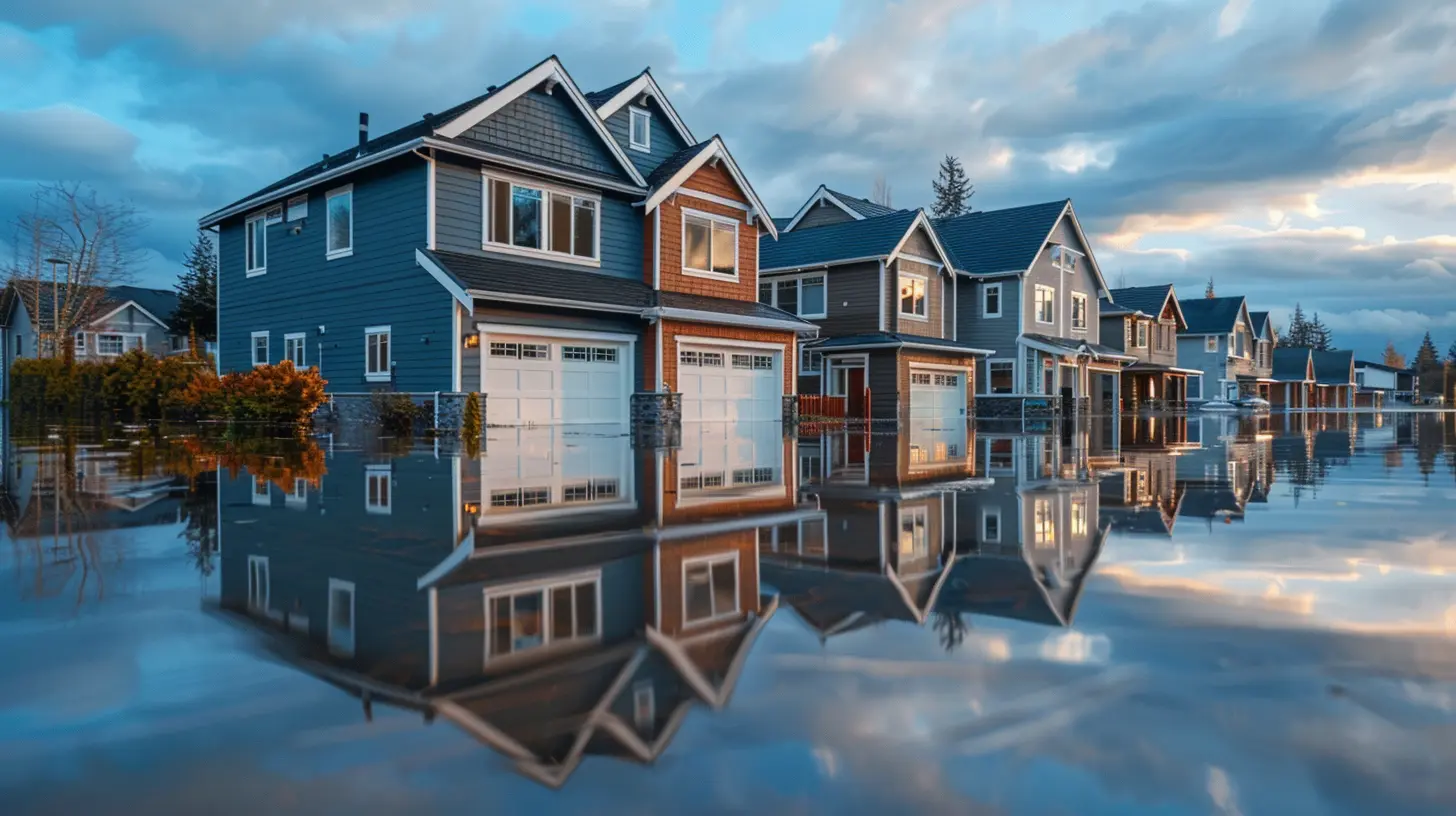
Okay, So How Do Flood Zones Impact Homeowners Insurance?
1. Higher Risk = Higher Premiums
Let’s cut to the chase. If your home is in a high-risk flood zone, your insurance premiums are going to cost more. Why? Because the likelihood of you filing a claim for water damage is... well, higher.Think of it like car insurance—if you're more likely to get into an accident (say, because of your driving record), your premium goes up. Same concept here with floods.
2. Standard Homeowners Insurance Doesn’t Cover Flood Damage
Surprised? Don't worry, most people are. A typical homeowners policy covers things like fire, theft, and wind damage—but not floods. That coverage usually comes from the National Flood Insurance Program (NFIP) or a private insurer.If you're in a high-risk zone, your lender will probably require you to buy a separate flood insurance policy. No loopholes here, it's mandatory.
3. Mortgage Lenders Care About Flood Zones A Lot
When you buy a home using a mortgage, your lender has skin in the game. They want to protect their investment—which is also your home. So if it’s in a Special Flood Hazard Area, they’ll require you to carry flood insurance. It’s non-negotiable.And even if you’re in a moderate-risk zone, they might still recommend coverage. Why? Because over 20% of flood insurance claims come from homes outside high-risk zones. That’s right—floods don’t discriminate.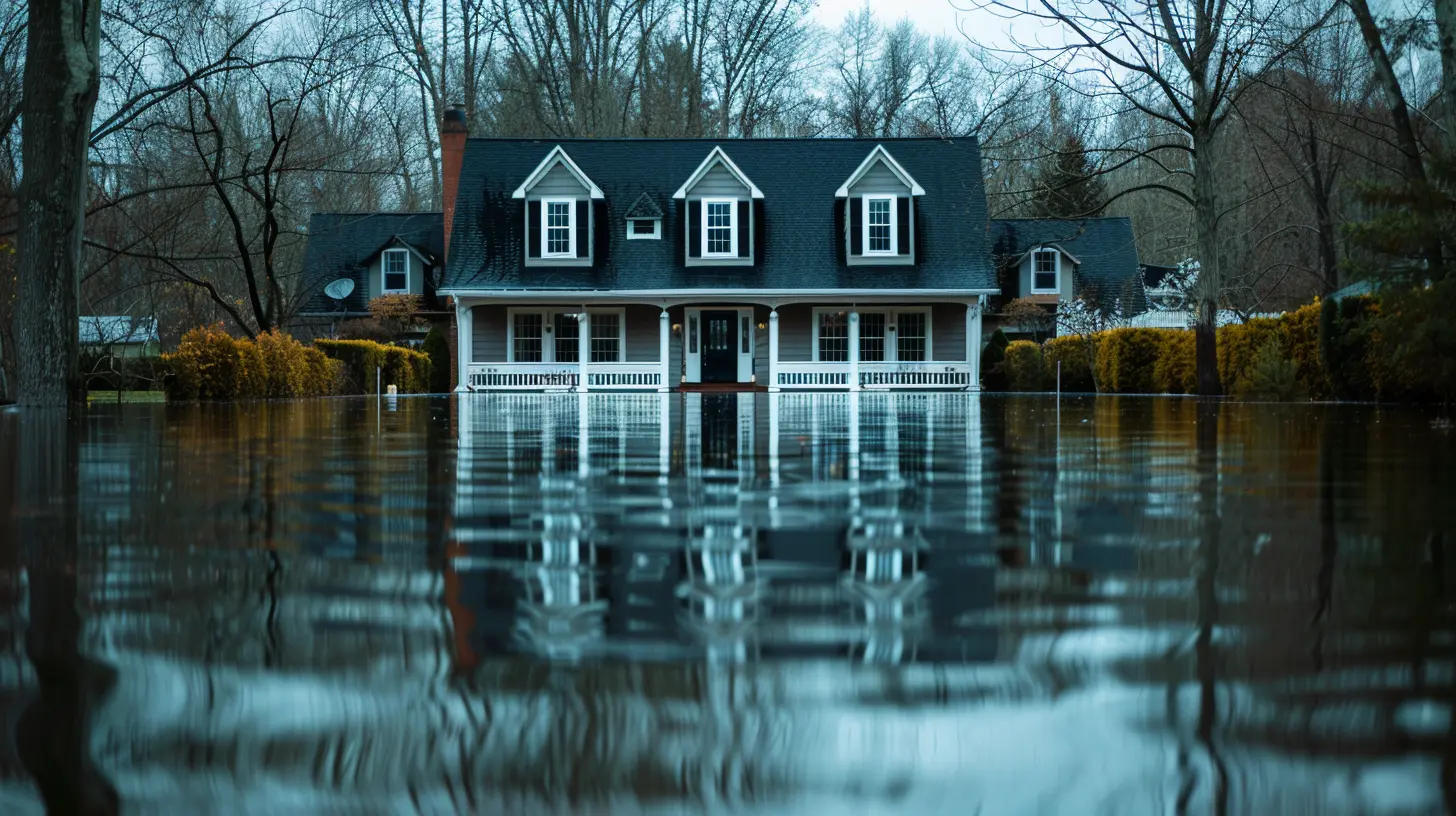
Let's Talk Dollars and Cents
What Does Flood Insurance Cost?
Flood insurance through the NFIP can cost anywhere between a few hundred dollars to several thousand per year. On average, it hovers around $700 per year. But here's the kicker—if you're in a high-risk zone, you could be looking at premiums upwards of $2,000 or more annually.What Affects the Cost?
Several factors influence your flood insurance premium:- Flood Zone Classification: Higher risk = higher premiums.
- Elevation of the Home: Homes built above the Base Flood Elevation (BFE) cost less to insure.
- Age and Design of the Home: Older properties and those with basements or crawl spaces may cost more.
- Coverage Amount & Deductibles: Just like any insurance, more coverage and lower deductibles usually mean higher premiums.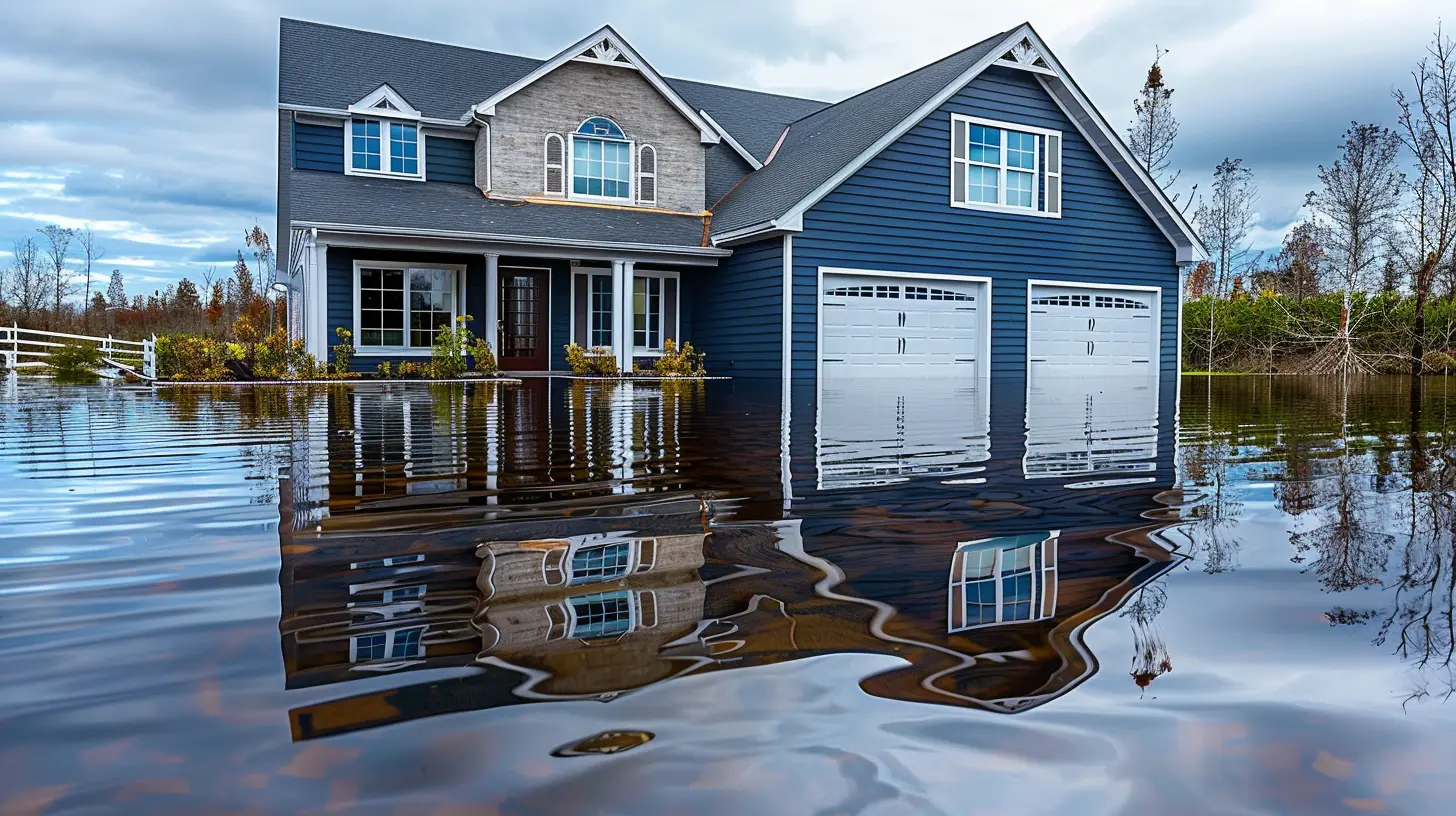
Can You Lower Your Flood Insurance Premium?
Absolutely. You just need to get a little proactive. Here are a few ways:1. Get an Elevation Certificate
This official document shows your home’s elevation relative to the expected flood level. It can significantly impact your rates. If your home’s elevation is higher than the BFE, you might save a good chunk of change.2. Flood-Proof Your Home
Install flood vents, raise utilities above BFE, and use water-resistant materials. These improvements not only reduce your risk but might also score you a discount.3. Opt for Higher Deductibles
This is a classic trade-off—you’ll save on premiums but pay more out of pocket if flooding happens. If you're confident the risk is manageable, it could be worth considering.Changing Flood Zones: Is That a Thing?
Believe it or not, yes, flood zones can change over time. Flood maps get updated based on new data like climate patterns, urban development, and changes to waterways.If your home is newly designated as high-risk, your insurance costs could spike. On the flip side, if your area is downgraded to a lower-risk zone, you might catch a break on premiums.
Here’s the catch—you’ll need to stay informed. FEMA updates maps regularly, and it's up to you (or your insurance agent) to keep tabs on changes.
What If You're Buying a Home in a Flood Zone?
Buying a property in a flood zone isn’t a deal-breaker—it just means you need to ask smarter questions.Ask These Questions First:
- Is the property in a FEMA-designated flood zone?- Has it ever experienced flooding or filed flood-related insurance claims?
- What’s the cost of current flood insurance?
- Are there any mitigation systems in place (like sump pumps or flood vents)?
Also, talk to your insurance agent early in the buying process so you’re not blindsided by unexpected costs.
Private vs. NFIP Flood Insurance: Which One’s Better?
Traditionally, most people get flood insurance through the National Flood Insurance Program. But in recent years, private insurers have entered the scene, offering more customizable policies.Pros of Private Flood Insurance:
- Higher coverage limits- Potentially lower premiums
- More flexible policy options
Cons?
- Limited availability- Less reliable during mass flooding events
- Can be dropped or non-renewed based on future risk
That said, it’s worth comparing both options before deciding. Don’t just go with what your neighbor did.
How to Check Your Flood Zone
You don’t need to be a geologist or engineer. Just go online to FEMA’s Flood Map Service Center and type in your address. Boom—you’ll see what flood zone you’re in. You can even download the map if you want to nerd out on the details.Another pro tip? Talk to your local city planning department—they often have even more updated and detailed floodplain info.
Don’t Forget About Community Involvement
Some communities participate in FEMA’s Community Rating System (CRS), which rewards communities that go above and beyond to manage flood risk. The better your community’s score, the more you save on flood insurance.Yep, your neighbor’s good deeds could save you money. That’s teamwork at its finest.
Final Thoughts: It’s About Risk, Not Just Cost
Flood insurance isn’t just another line item in your budget—it’s your safety net. Whether you're in a high-risk zone or not, understanding how flood zones impact your homeowners insurance is crucial.The truth is, you don’t have to live next to a river to get flooded. It could be a freak storm, a blocked storm drain, or even rapid snowmelt. Floods can and do happen anywhere.
So instead of thinking “it won’t happen to me,” it’s smarter to think “what if it does?” and have the coverage you need. Your future self will thank you.
Quick Recap
- Flood zones affect your insurance premiums—big time.- Standard homeowners insurance doesn’t cover flood damage.
- You may be required to carry flood insurance based on your flood zone.
- Costs vary but can run from hundreds to thousands annually.
- There are ways to lower your premium (elevation certificate, home improvements, etc.).
- Flood zones can and do change.
- Always check your flood zone before buying a home.
At the end of the day, it’s better to be safe than soaked—literally.
all images in this post were generated using AI tools
Category:
Homeowners InsuranceAuthor:

Kingston Estes
Discussion
rate this article
2 comments
Lys Rivera
Flood zones dictate your insurance—don’t gamble with your home!
February 16, 2026 at 11:53 AM
Kingston Estes
Absolutely, understanding flood zones is crucial for homeowners. It directly affects insurance rates and coverage options, so being informed is essential to protect your investment.
Daisy McNeil
Great info! Flood zones really change insurance needs!
February 3, 2026 at 3:51 AM
Kingston Estes
Thank you! I'm glad you found the information helpful. Flood zones definitely play a crucial role in shaping insurance requirements.