How to Insure Your Tiny Home: A Complete Guide
4 August 2026
Tiny homes have taken the world by storm. Whether you’re drawn to their affordability, environmental benefits, or the idea of simplifying your life, owning a tiny home comes with its own set of responsibilities—including insurance. But here’s the thing: insuring a tiny home isn’t as straightforward as getting a traditional homeowners policy.
So, how do you protect your little dream house without dealing with a massive headache? That’s exactly what we’re going to break down in this guide.
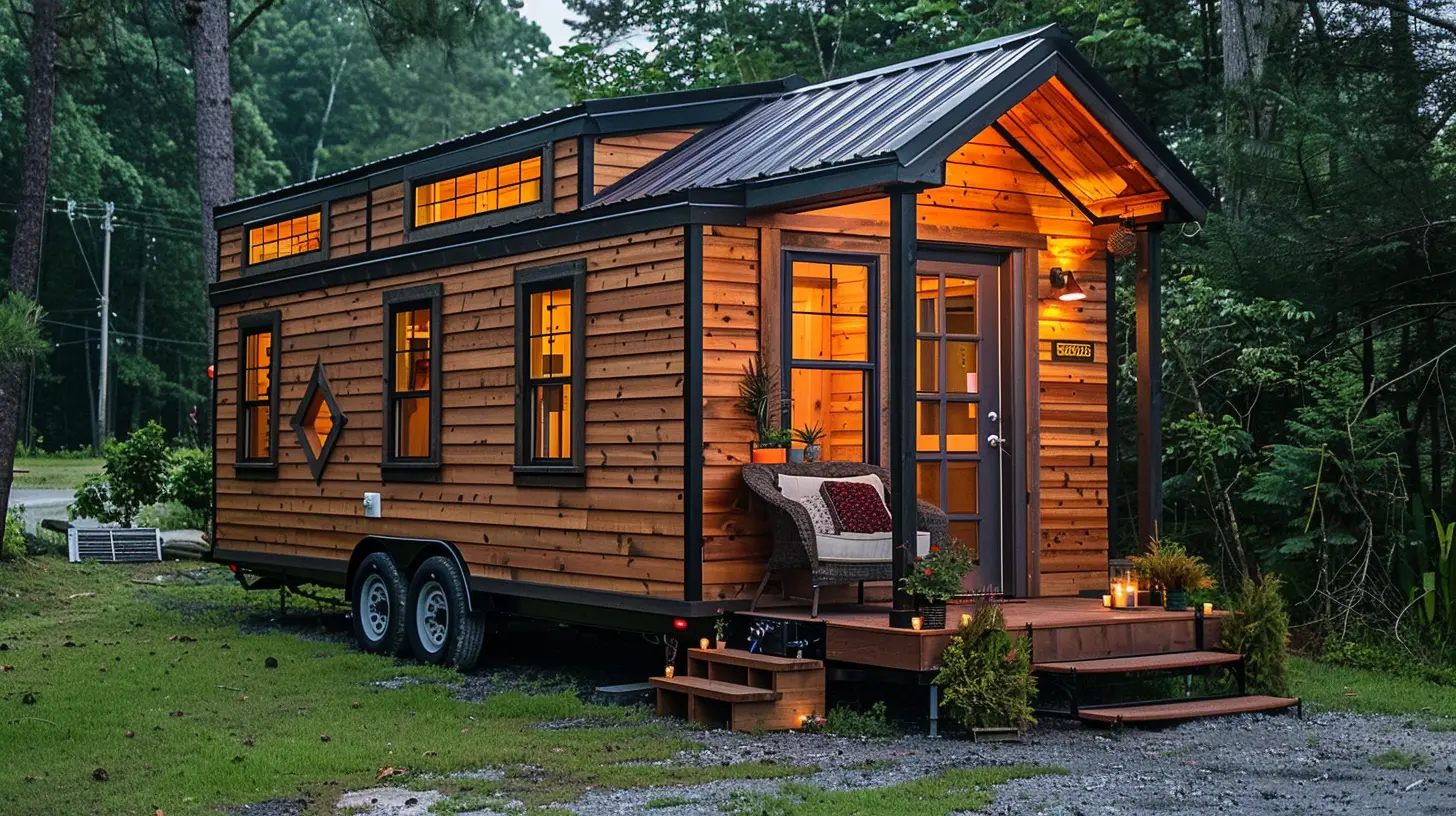
Why Insuring Your Tiny Home Is Crucial
Think about it—your tiny home is not just a place to live; it’s also an investment. Accidents, natural disasters, or theft can happen when you least expect them. Without insurance, you could be left covering expensive repairs or, even worse, losing everything.Here’s why insurance is non-negotiable:
- Protection from Unexpected Events: Fires, storms, and accidents can happen anytime.
- Liability Coverage: What if someone gets hurt on your property? You’ll want coverage for that.
- Peace of Mind: Sleep soundly knowing that if something happens, you’re covered.
Now that we’ve established why insurance is essential, let’s explore the options available to tiny homeowners. 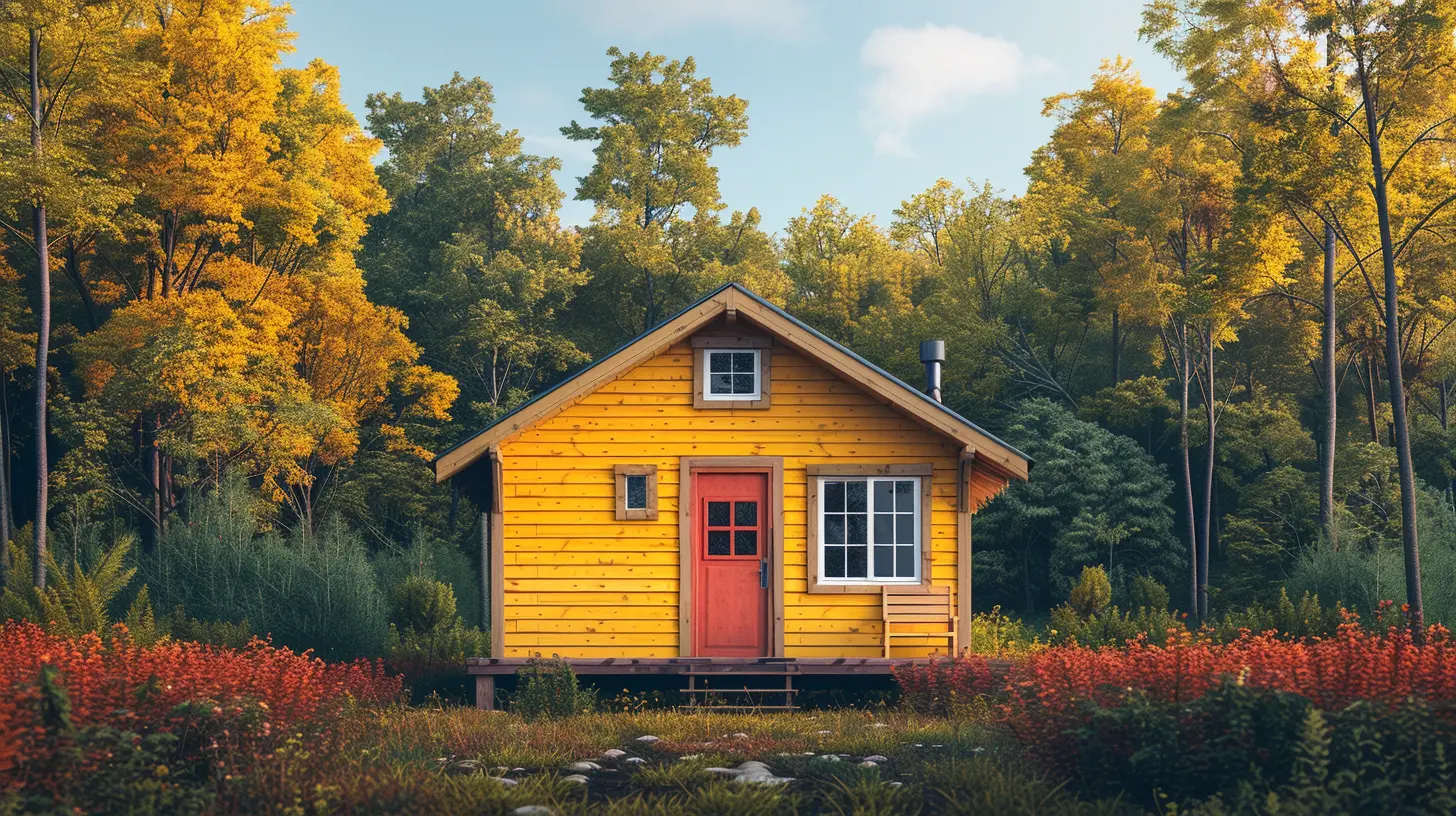
Understanding Your Tiny Home’s Classification
Before you start shopping for insurance, you need to determine how your tiny home is classified. Insurance companies categorize tiny homes in different ways, which affects the type of coverage you’ll need.1. Tiny Homes on Wheels (THOWs)
If your tiny home is built on a trailer and can be moved from place to place, insurance companies may classify it as an RV (Recreational Vehicle) or mobile home. In this case, you might need an RV policy. Some companies also classify them as personal property, which might limit your coverage options.2. Tiny Homes on Foundations
If your tiny home is built on a permanent foundation, you may be able to get a traditional homeowners insurance policy. However, many insurers have size restrictions, so you might need to shop around for a tiny home-friendly provider.3. DIY vs. Professionally Built Tiny Homes
Did you build your tiny home yourself, or did you purchase it from a certified builder? This matters because some insurance companies hesitate to insure DIY tiny homes, while those made by certified builders may qualify for better coverage options.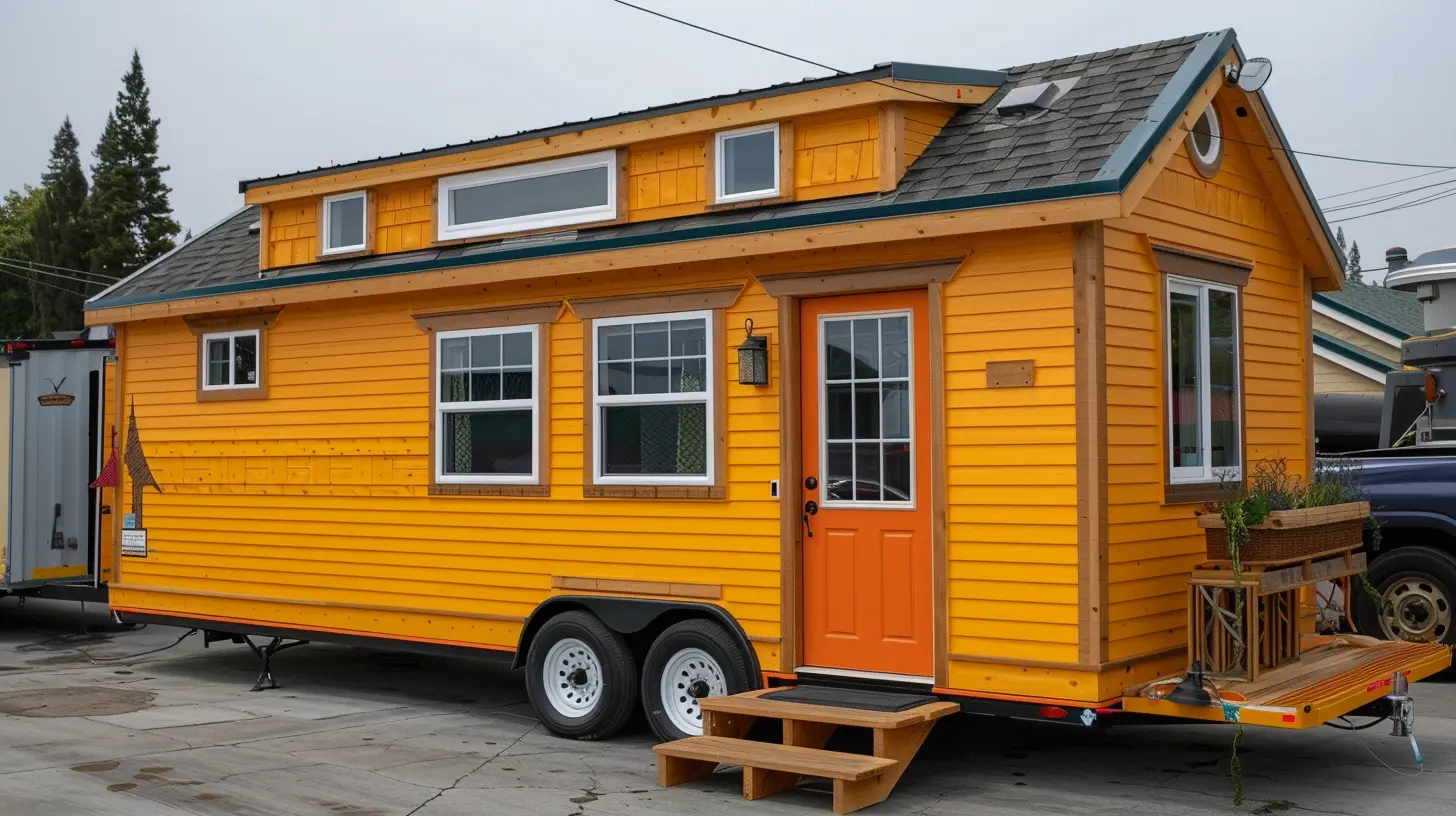
Types of Insurance for Tiny Homes
Now that you know how your tiny home is classified, let’s dive into the different types of insurance coverage available.1. Tiny Home Insurance (Specialized Policies)
Some insurance companies offer policies specifically designed for tiny homes. These policies typically include:- Dwelling coverage: Protects the structure of your home.
- Personal property coverage: Covers stolen or damaged belongings.
- Liability protection: Protects you if someone is injured on your property.
This is often the best choice for those with tiny homes on foundations.
2. RV Insurance
If your tiny home is mobile, you might be able to insure it under an RV policy. This typically covers:- Collision and comprehensive coverage (damage from accidents, fire, or theft).
- Roadside assistance in case you break down.
- Liability coverage if you hit someone or something while towing it.
However, not all RV policies cover full-time living, so check with your insurer.
3. Manufactured or Mobile Home Insurance
For tiny homes that resemble mobile homes, insurers may offer mobile home insurance, which usually includes:- Dwelling protection against disasters.
- Personal property coverage for your belongings.
- Liability coverage for accidents and injuries.
4. Renters Insurance (If You Don’t Own the Land)
If you park your tiny home on rented land, you might need a renters insurance policy to protect your personal belongings and cover liability.5. Auto Insurance (For Towable Tiny Homes)
If you tow your tiny home with a vehicle, you may need auto insurance with trailer coverage for protection while driving.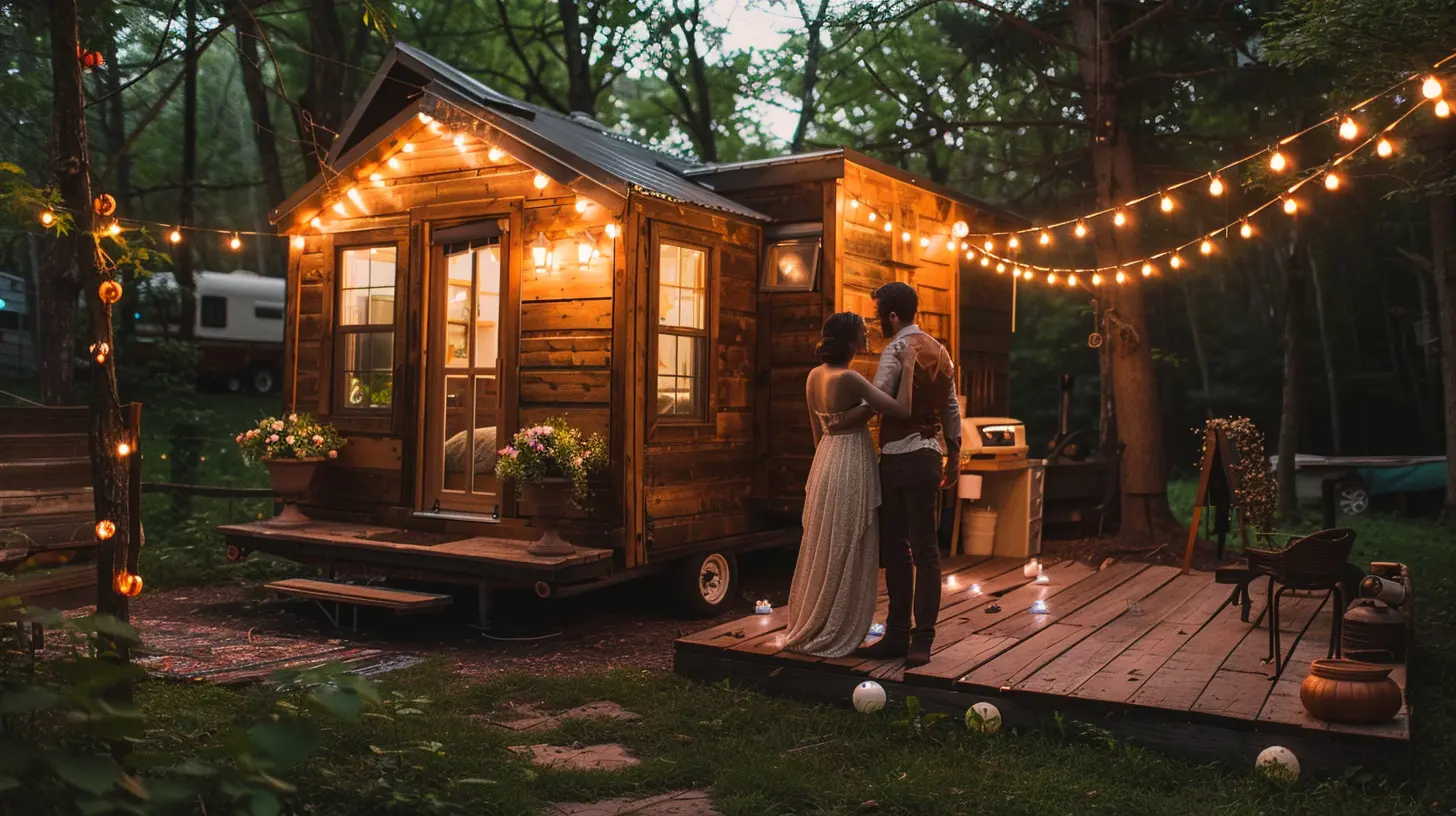
How Much Does Tiny Home Insurance Cost?
Insurance costs can vary depending on:- Size and classification of your tiny home.
- Location (natural disaster risks, crime rate, etc.).
- Whether it's DIY or professionally built.
- Your coverage limits and deductible.
On average, you can expect to pay anywhere from $400 to $1,500 per year for tiny home insurance.
How to Get the Best Tiny Home Insurance Policy
Now that you know your options, it's time to find the right policy. Here’s how:1. Shop Around for Quotes
Not all insurance companies cover tiny homes, so you’ll need to do some research. Get multiple quotes and compare coverage options.2. Ask the Right Questions
Before choosing a policy, ask:- Does this cover my specific tiny home type?
- Are there any exclusions I should know about?
- What’s the claims process like?
3. Bundle Your Policies
If you already have auto or renters insurance, check if bundling with the same company can save you money.4. Consider Additional Coverage
Depending on where you live, you may want extra protection for:- Floods
- Earthquakes
- Theft
5. Work with Tiny Home Insurance Specialists
A growing number of insurance providers specialize in tiny homes. Companies like Foremost, Strategic Insurance Agency, and American Modern offer tiny home-friendly policies.Common Challenges in Tiny Home Insurance & How to Overcome Them
Even though the tiny home movement is booming, insurance companies can still be hesitant to cover them. Here’s how to tackle common hurdles:1. Insurers May View Tiny Homes as High-Risk
Solution: Work with an independent insurance agent who understands the tiny home market. They can help you find the best policies.2. DIY Tiny Homes Might Not Qualify for Insurance
Solution: If you’re building your tiny home yourself, consider getting it certified by the NOAH (National Organization for Alternative Housing) or another regulatory body. Certification makes insurance companies more willing to cover you.3. Regulatory Hurdles Vary by State
Solution: Check with local authorities about legal requirements for tiny homes in your area before seeking insurance.Final Thoughts
Insuring your tiny home is one of the smartest investments you can make. While it might take a little extra effort to find the right coverage, the peace of mind it brings is worth it.By understanding your home’s classification, exploring different insurance options, and working with the right providers, you can protect your dream tiny home without breaking the bank.
Now that you know how to insure your tiny home, it’s time to make sure yours is covered—because even tiny homes deserve big protection!
all images in this post were generated using AI tools
Category:
Tiny HomesAuthor:

Kingston Estes
Discussion
rate this article
1 comments
Lysara Snyder
Embrace your tiny home journey with confidence and care!
August 4, 2026 at 11:37 AM
Kingston Estes
Thank you! Confidence and care make a big difference in the tiny home journey.