How to Find a Hidden Gem in the World of Historic Homes
20 June 2026
Have you ever daydreamed about living in a charming Victorian manor or a quaint 1920s bungalow with original hardwood floors? If you’re a fan of ornate details, architectural craftsmanship, and homes with a story to tell, then you're in the right place. But finding a historic home that hasn’t been over-renovated or priced into oblivion? That’s where the real treasure hunt begins.
Luckily for you, I’ve been down this road before, and I’m here to share some insider tips on how to find that rare, underappreciated historic home—the hidden gem that others might overlook. 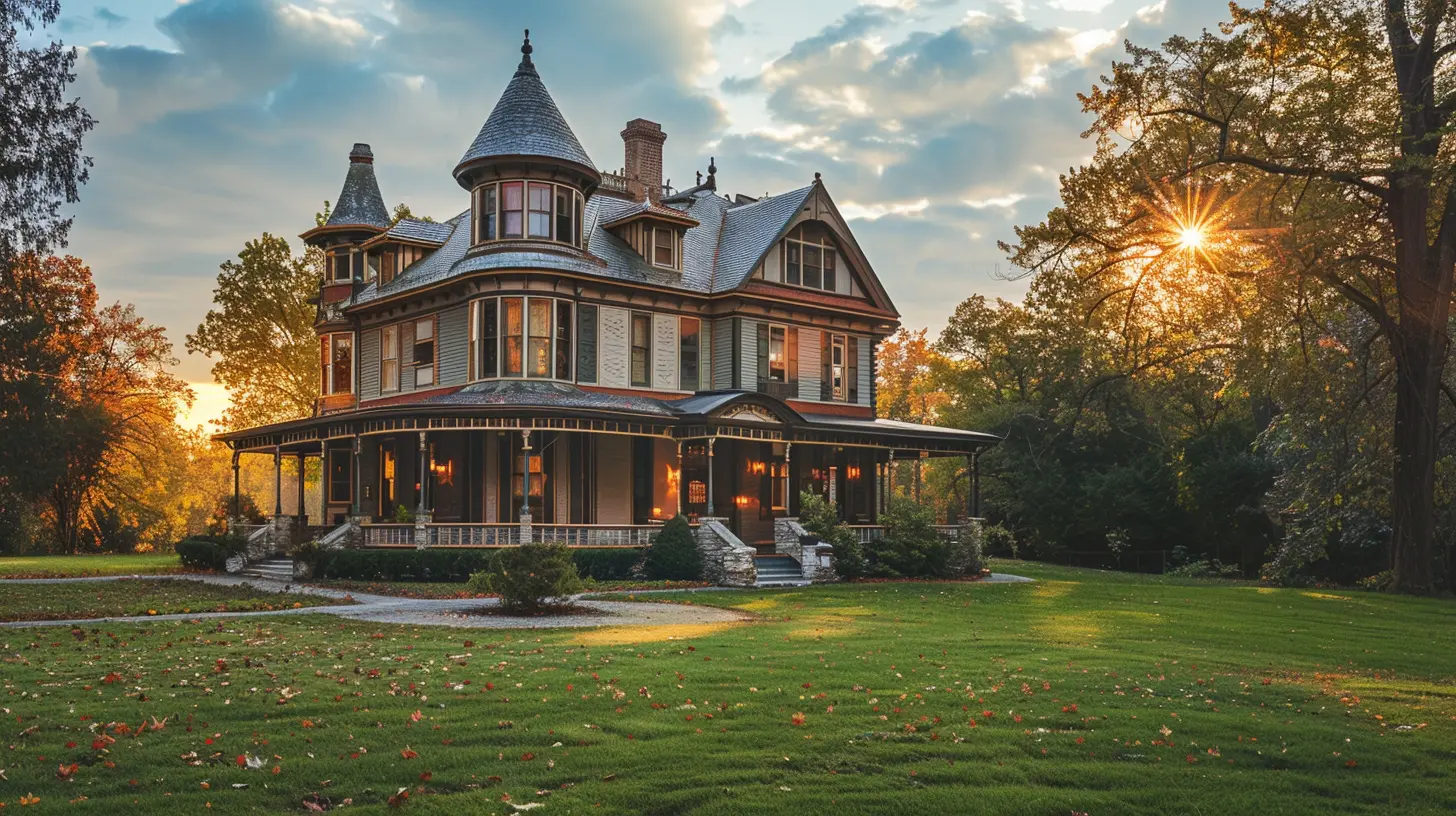
1. Understanding What Makes a Historic Home Special
Before you dive into the house-hunting process, let’s get clear on what we mean by a historic home. We’re not just talking about an old house. We’re talking about a home with architectural significance, unique craftsmanship, and (often) a place in history. These homes can range from grand Antebellum mansions to mid-century modern masterpieces, depending on the era and location.So, what makes a home a hidden gem in this world? It’s the one that still has its character intact but isn’t glaringly obvious to every other buyer. Maybe it needs a little love, but it hasn’t been “modernized” beyond recognition. It’s got good bones, original features, and—most importantly—a price that doesn’t break the bank. 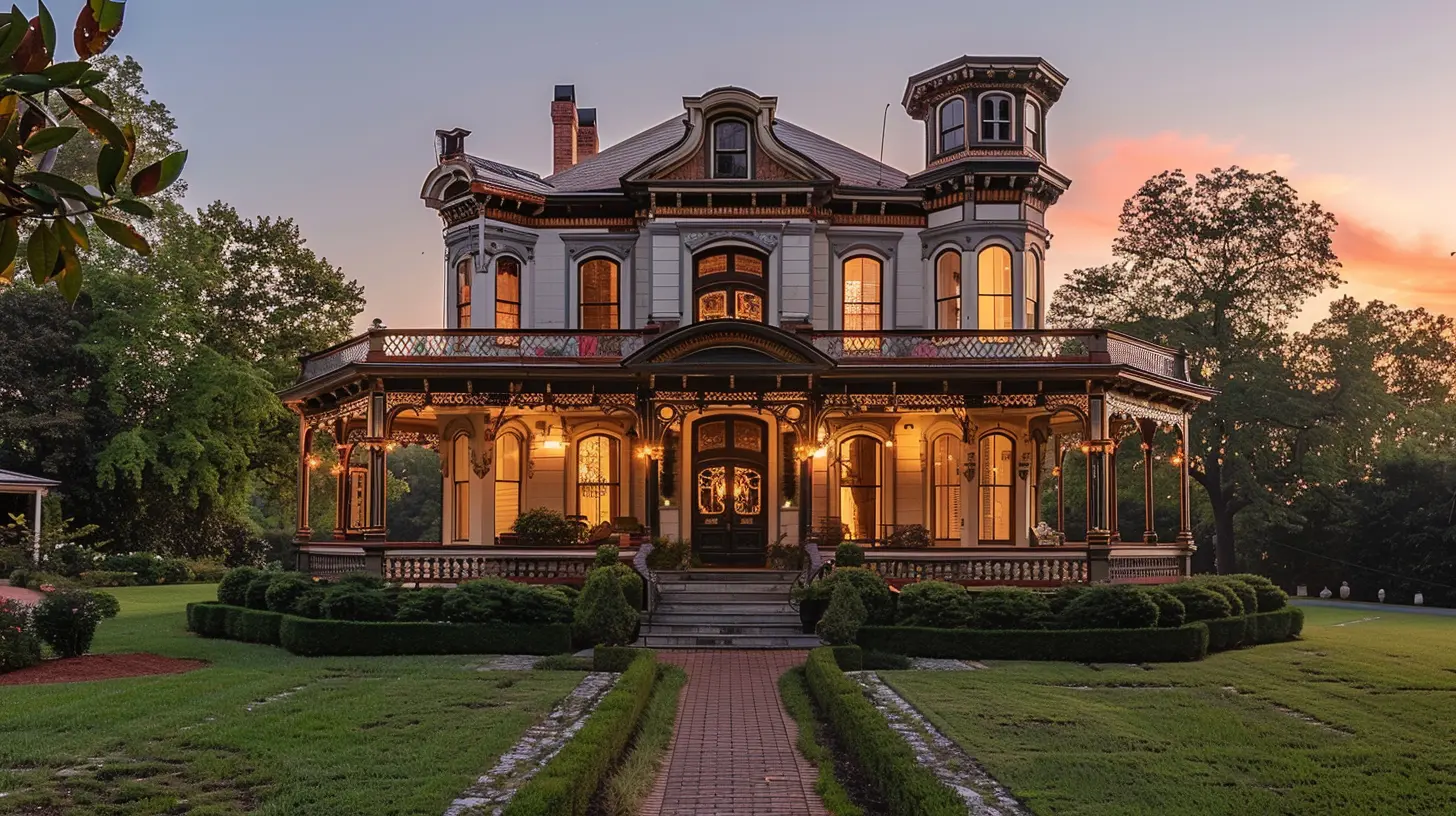
2. Go Beyond the Obvious Listings
Let’s be honest—everyone and their grandmother is scrolling through Zillow, Redfin, and Realtor.com. If you’re relying solely on those platforms, you’re competing with every other historic-home enthusiast. But the real gems? They’re often hiding in plain sight, in places you wouldn’t normally look.Off-market homes and pocket listings
Some of the best historic homes never even hit the major listing sites. Real estate agents sometimes hold onto pocket listings—exclusive homes they only share with certain buyers. Build relationships with local agents who specialize in historic properties and let them know what you're looking for.Estate Sales and Auctions
A surprising number of historic homes are sold through estate sales or auctions, often because the previous owners have passed away or the heirs don’t want to deal with renovations. These homes are sometimes overlooked because they might need work, but they can be goldmines for true historic home lovers.Driving for Dollars
This one requires a bit of effort, but it can pay off big time. Drive (or walk!) through older neighborhoods and look for homes with potential—maybe they’re a bit neglected, or they have a "For Sale by Owner" sign in the yard. Sometimes, reaching out directly to the owner can lead to an opportunity before the house even hits the market.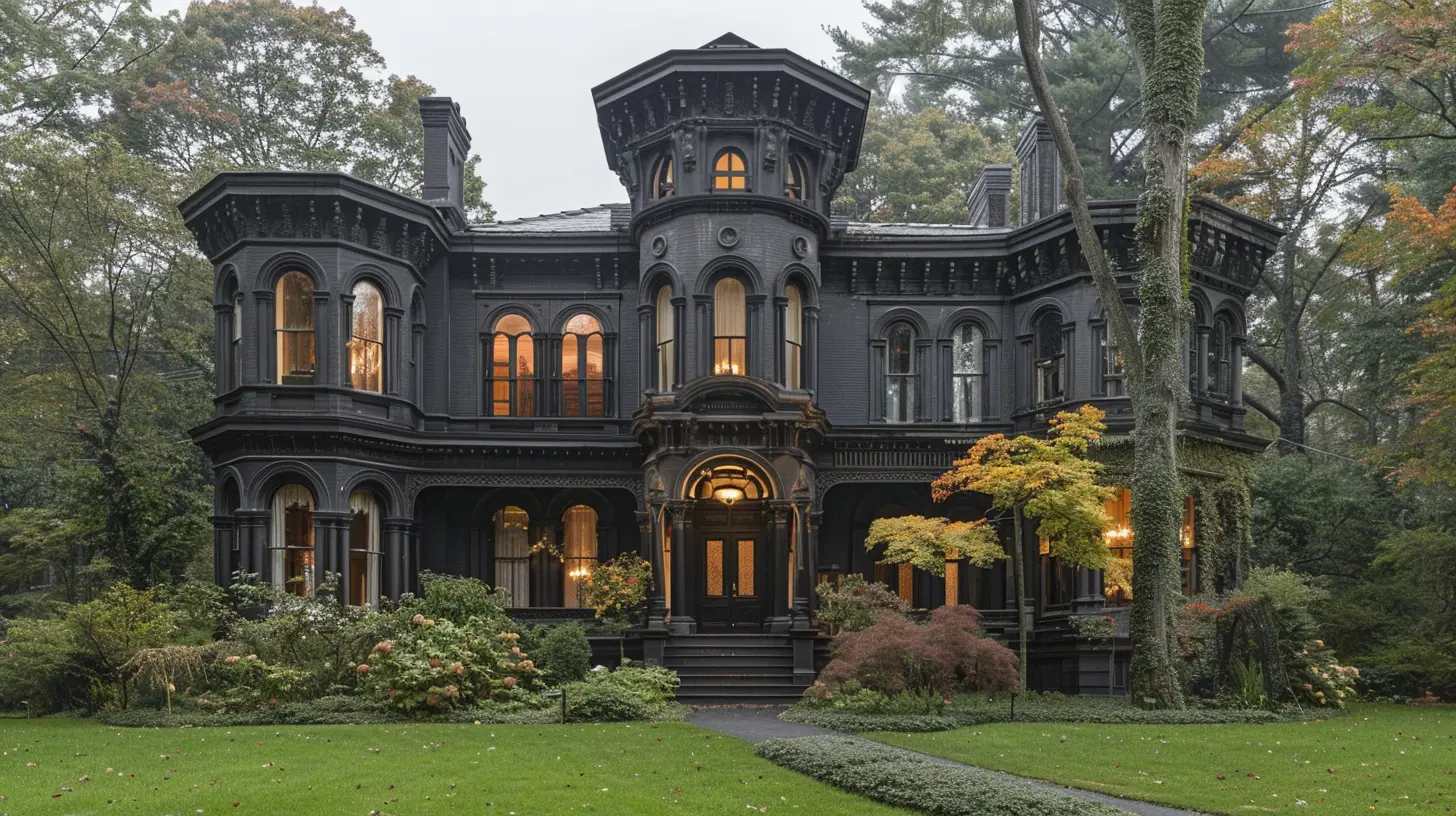
3. Find the Sweet Spot Between Restoration and Ruin
Historic homes can be like dating—sometimes you fall for one that's way too much work, and other times you find one that’s already been "fixed up" beyond recognition. The trick is to find a house that still has its soul but isn’t a complete money pit.Red Flags to Watch For
Let’s not romanticize older homes too much—some of them come with serious headaches. Keep an eye out for:- Foundation issues (cracks in walls, uneven floors)
- Old wiring (knob-and-tube electrical can be a fire hazard)
- Rotting wood (especially in porches and window frames)
- Outdated plumbing (lead pipes? No, thank you.)
These issues don’t always mean you should walk away, but they can add up fast.
Features That Make It Worth the Effort
On the flip side, some things should make you swoon. Look for:- Original hardwood floors (usually better quality than modern ones)
- Stained glass or leaded glass windows
- Built-in bookshelves and cabinetry
- Intricate woodwork, moldings, and ceiling medallions
- Vintage fireplaces with original tile or mantels
These details are what make a historic home feel truly special. And if they’re still intact? You might have just found your gem. 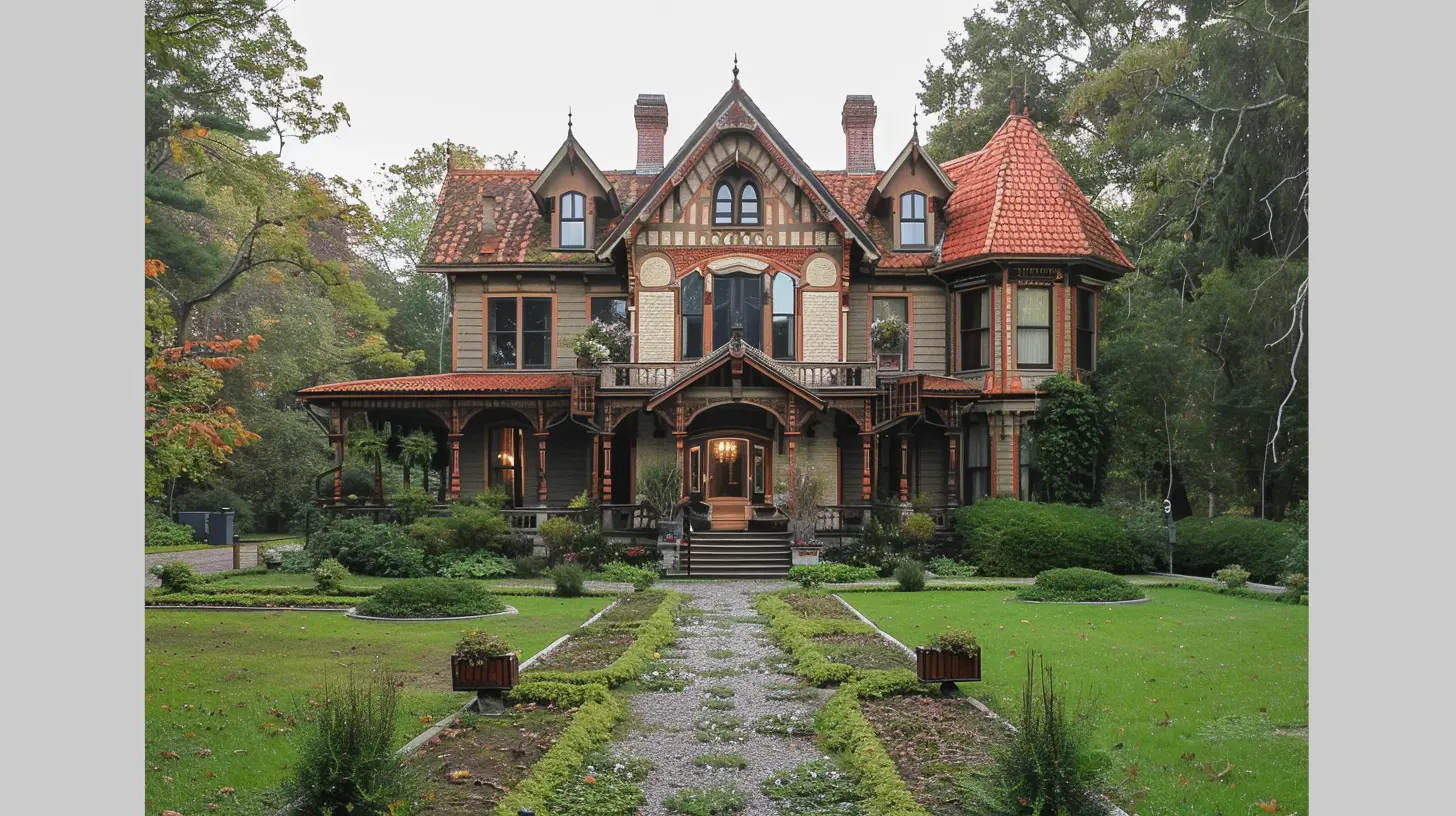
4. Check Historic Districts – But Proceed With Caution
Historic districts can be both a blessing and a curse. On one hand, they protect the character of older homes and neighborhoods. On the other hand, they often come with a ton of rules. Want to replace the windows? You might need approval. Thinking about painting your door a fun new color? Better check with the historic commission first.If you’re considering a home in a historic district:
✅ Read the local preservation guidelines thoroughly
✅ Check for tax credits or grants—some districts offer incentives for preservation
✅ Make sure you’re okay with restrictions on exterior changes
Some buyers love the charm and stability of historic districts. Others feel stifled by the regulations. Know which camp you fall into before you commit.
5. Get the Right People on Your Team
Buying and restoring a historic home isn’t a solo mission. You need a real estate agent who understands old houses, a home inspector who won’t miss critical issues, and (if renovations are in your future) a contractor with experience in historic preservation.The Home Inspector Is Your Best Friend
Not all home inspectors are created equal. When buying an older home, you need one who specializes in historic properties. They’ll catch things a regular inspector might overlook, like:- Original materials that should be preserved, not replaced
- Signs of past DIY work that could be a problem
- Hidden structural issues
Find a Contractor Who Appreciates History
If your home needs some work, you don’t want someone who will just rip things out and replace them with off-the-shelf materials. Look for a contractor who understands how to restore rather than renovate.6. Financing a Historic Home: What You Need to Know
If you’re buying a home in need of some TLC, your standard 30-year mortgage may not cut it. Consider:- Historic home renovation loans (like the FHA 203(k) loan or Fannie Mae’s HomeStyle loan)
- Tax credits and grants (some states offer incentives for restoring historic homes)
- Conservation easements (in rare cases, you might get tax breaks for preserving certain features)
Talk to a mortgage broker who has experience with historic properties to find out what’s available in your area.
7. Trust Your Gut—But Do Your Research
At the end of the day, buying a historic home is about more than just square footage and price per square foot. It’s about falling in love with a piece of history—a place that has stories to tell and character you can’t replicate.But don’t let emotion cloud your judgment. Do the research, ask the right questions, and make sure you know what you’re getting into. If you play your cards right, you’ll end up with a home that’s not just old—but timeless.
Final Thoughts
Finding a hidden gem in the world of historic homes takes patience, persistence, and a little bit of luck. But when you finally step into a house that still has its original charm, hasn’t been over-remodeled, and fits within your budget? That’s when you know you’ve struck gold.So, happy hunting! May your future home be full of vintage charm, creaky floorboards, and history worth preserving.
all images in this post were generated using AI tools
Category:
Historic HomesAuthor:

Kingston Estes
Discussion
rate this article
1 comments
Oscar McKinney
Great tips on discovering historic homes! It's inspiring to see how each gem has its own story. I appreciate the insights on research and community connections. Keep sharing!
July 4, 2026 at 10:56 AM
Kingston Estes
Thanks for your kind words! I'm glad you found the tips helpful. There are so many stories waiting to be uncovered. Happy exploring!