Making a Grand Entrance: The Significance of Front Doors in Historic Homes
21 February 2026
When you think about historic homes, what's the first image that comes to mind? Maybe it's the intricate woodwork, the towering columns, or the charming wraparound porches. But one detail that often gets overlooked is the front door. And yet, it’s one of the most defining features of these timeless homes.
A front door is more than just an entryway—it's a statement. It sets the tone for the entire home, reflecting its history, architectural style, and even the personality of those who live there. Whether it's a grand Victorian double door or a simple colonial-style entrance, the front door of a historic home carries stories of the past and adds undeniable charm.
So why are front doors in historic homes so special? Let’s take a closer look at their significance, the styles, the craftsmanship, and how you can preserve or restore one to keep its beauty alive.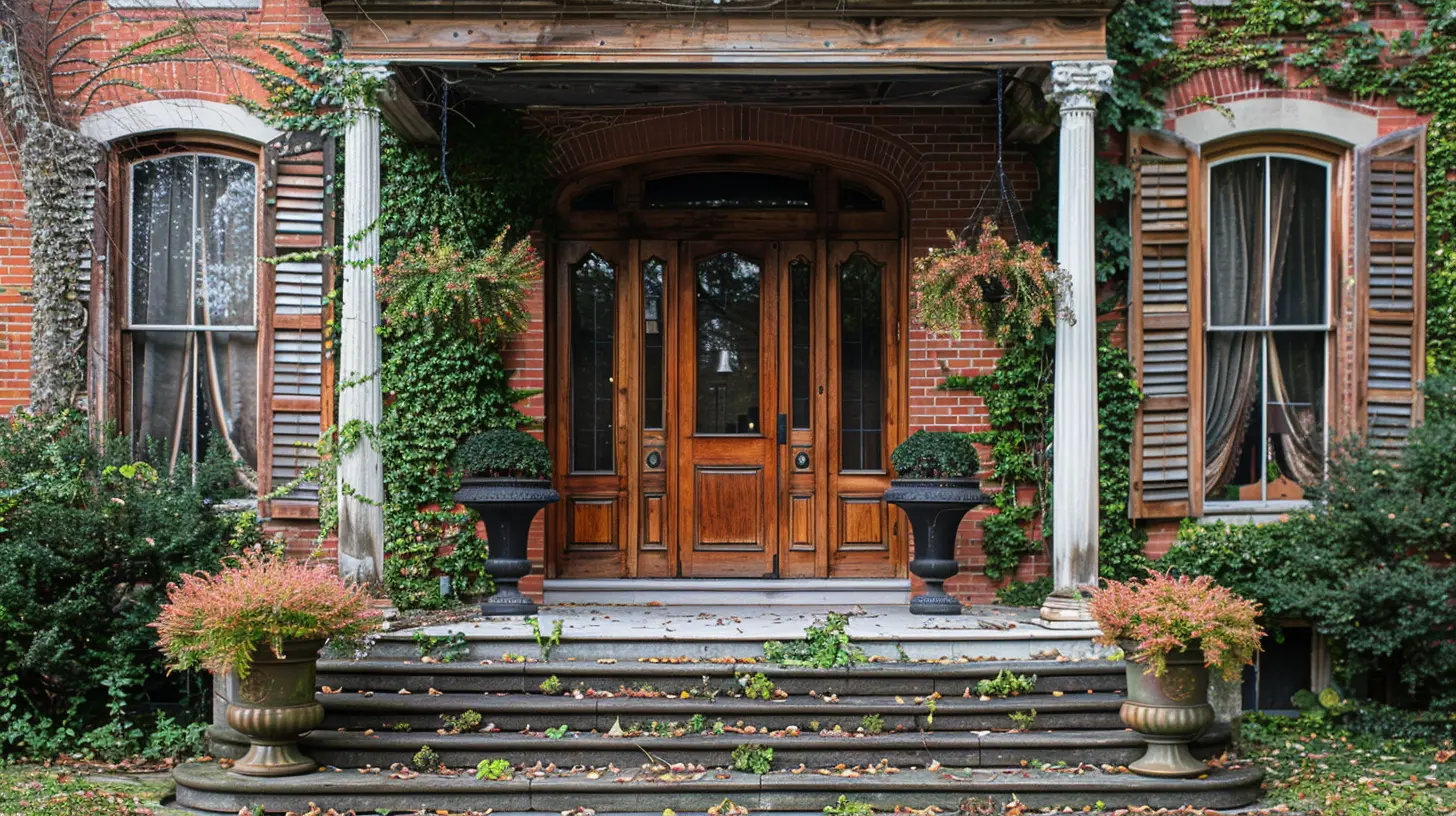
The Role of Front Doors in Historic Homes
Historic homes are all about character. Every detail, from the moldings to the floorboards, tells a story. But the front door? That’s the first thing people notice. It’s like a handshake—it introduces your home before anyone steps inside.A Reflection of Architectural Style
Each era had its own signature door designs. Colonial homes favored simple, sturdy wooden doors with minimal embellishments, while Victorian-era homes often featured ornate, colorful doors with beveled glass inserts. Georgian homes showcased symmetrical designs, and Craftsman-style homes leaned towards solid wood with striking glass panel details.The front door is a direct representation of the architectural period in which the home was built. It’s one of the quickest ways to identify the style of a historic home just by standing on the front porch.
Symbol of Status and Prestige
In the past, doors weren’t just functional; they were a symbol of wealth and social status. The more intricate the door design, the wealthier the homeowner was perceived to be. Grand entrances with elaborate carvings, decorative glass, and oversized knockers were common in affluent neighborhoods.Ever noticed how some older homes have double doors or towering entryways? These designs were intentional, meant to impress visitors and showcase the sophistication of the household.
A Gateway to the Past
Historic front doors have witnessed decades—sometimes even centuries—of history. Imagine all the people who have walked through them, the stories they carry, and the moments they’ve seen. They’re more than just wooden panels; they are time capsules of family gatherings, holiday welcomes, and daily life from a different era.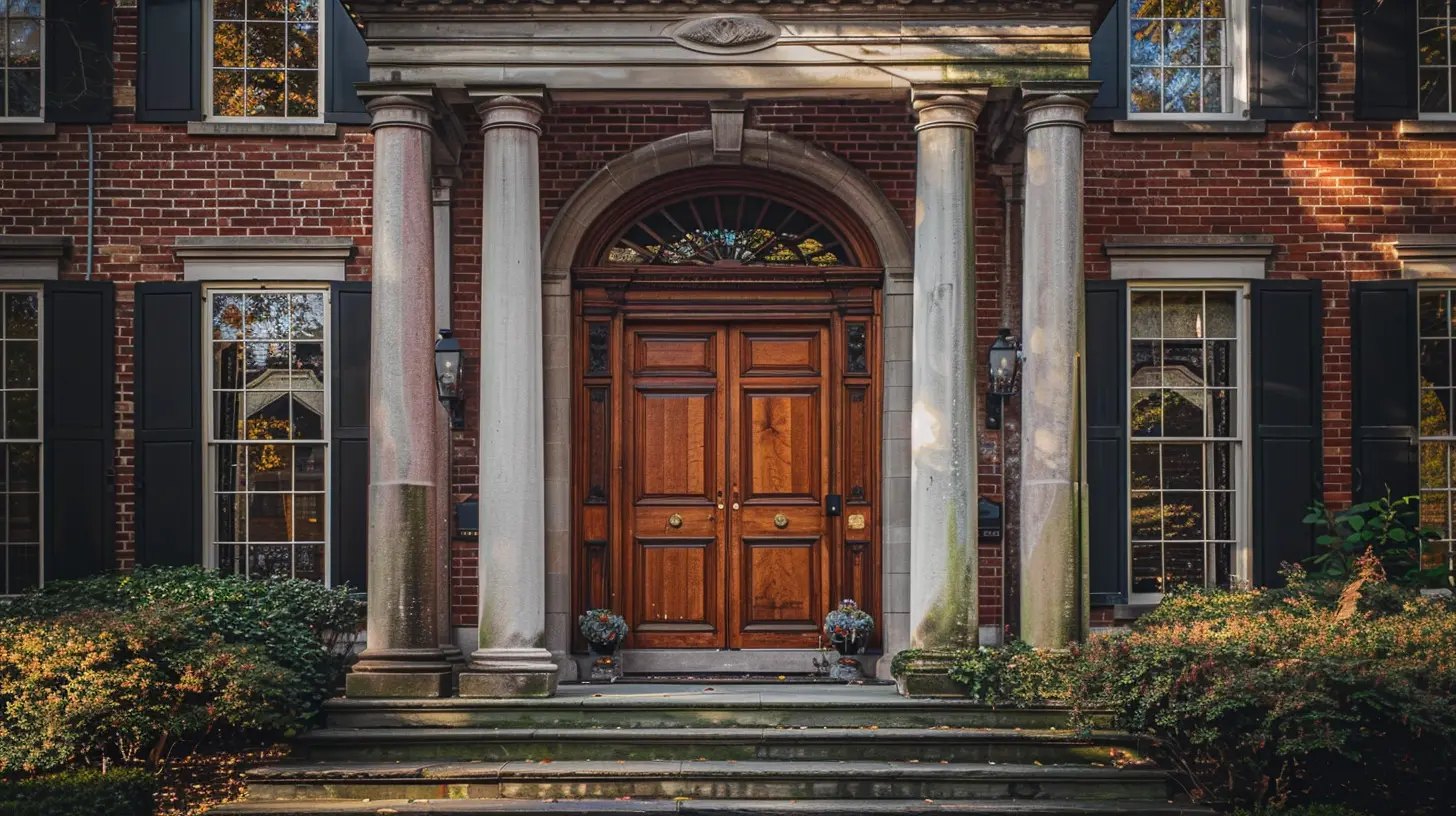
Popular Front Door Styles in Historic Homes
Now, let’s talk about the different styles of front doors that have graced historic homes over the years. Each has its unique charm and significance.1. Colonial-Style Doors
Colonial homes are all about symmetry and simplicity. Their front doors are usually made of solid wood, accompanied by sidelights and sometimes a fanlight above. They often feature classic colors like deep reds, blues, and blacks, giving them a timeless appeal.2. Victorian-Era Doors
If there’s a style that knows how to make an entrance, it’s Victorian. These doors are often bold and colorful, featuring intricate carvings, stained glass panels, or transom windows. They’re designed to stand out and make a statement—just like the architecture of the homes they belong to.3. Craftsman-Style Doors
Craftsman homes emphasize natural materials, and their doors are no exception. Typically made of solid oak or mahogany, these doors feature straight lines, square glass panels, and detailed millwork. They exude warmth and character, making them a favorite among restoration enthusiasts.4. Georgian-Style Doors
Georgian doors are known for their symmetry. They typically feature six-panel designs, often painted in deep hues or adorned with brass hardware. Many also have decorative pediments and sidelights, enhancing their elegant appeal.5. French Doors
Though not as common as traditional front doors, some historic homes opted for French doors as their main entrance. These doors, with their delicate glass panes, allow natural light to flood the entryway, adding a touch of sophistication.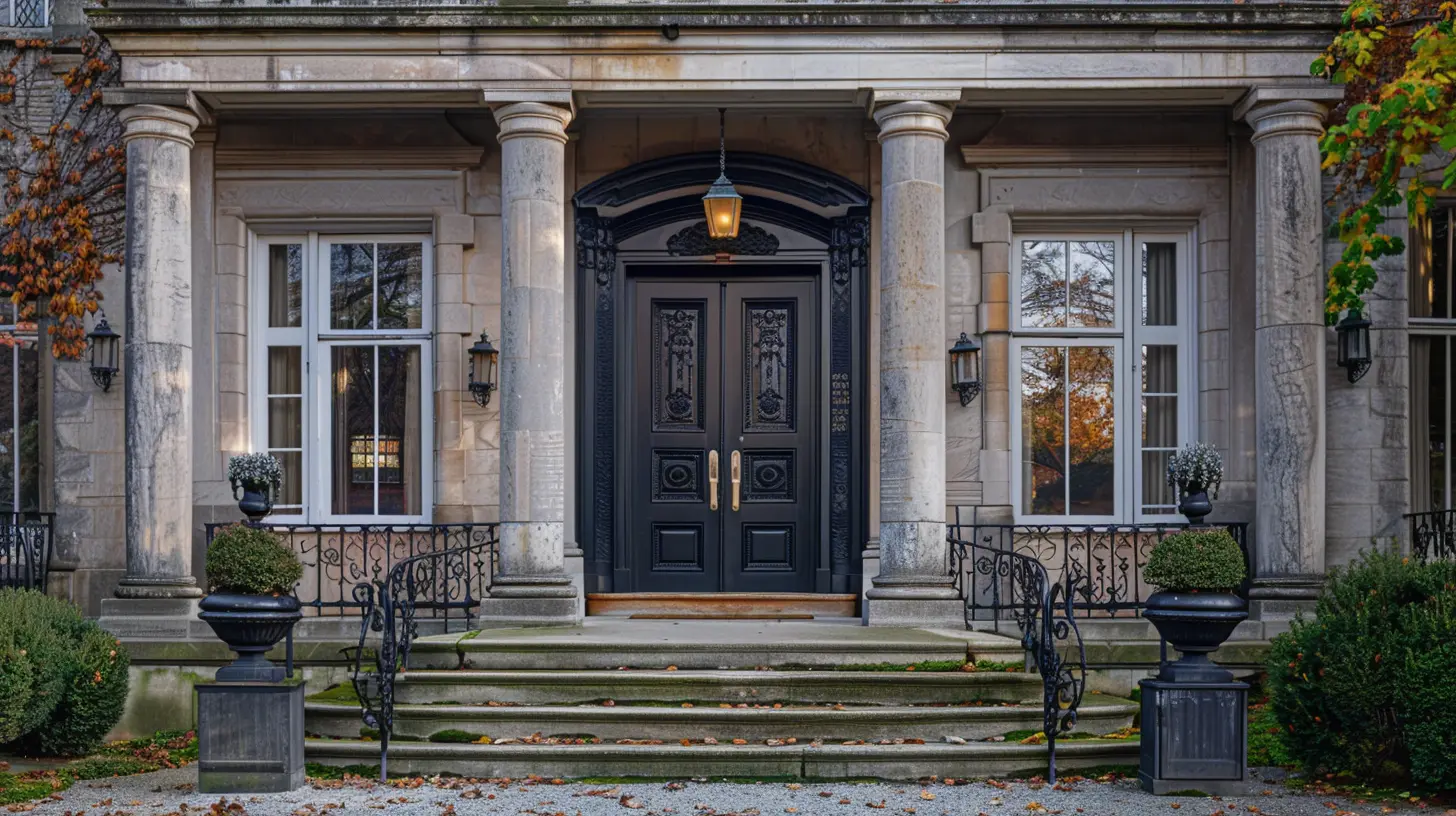
Preserving and Restoring Historic Front Doors
If you own a historic home or dream of restoring one, maintaining the original front door should be a top priority. Here’s why—and how—you should go about it.Why Preserve the Original Front Door?
Historic front doors were crafted with care and high-quality materials that stood the test of time. Unlike modern hollow-core doors, older doors are typically made of solid wood, meaning they’re incredibly durable. Keeping the original door not only maintains the home’s authenticity but also adds value to the property.How to Restore an Old Front Door
Restoring a historic front door doesn’t mean replacing it with something modern. Here are steps to bring it back to life:1. Inspect for Damage – Check for cracks, warping, or rot. Many older doors can show signs of wear, but most issues can be repaired without replacement.
2. Strip Old Paint Carefully – If your door has been painted multiple times over the years, gently strip away the layers to reveal the original wood beneath.
3. Repair and Refinish – Use wood fillers to fix cracks and sand down rough surfaces. A fresh coat of paint or stain can enhance the door’s beauty while protecting it from the elements.
4. Upgrade Hardware Thoughtfully – Keep original hardware if possible, but if you need replacements, opt for period-appropriate designs to maintain authenticity.
5. Seal and Protect – Apply a weather-resistant sealant to ensure the door stands up to the elements without losing its character.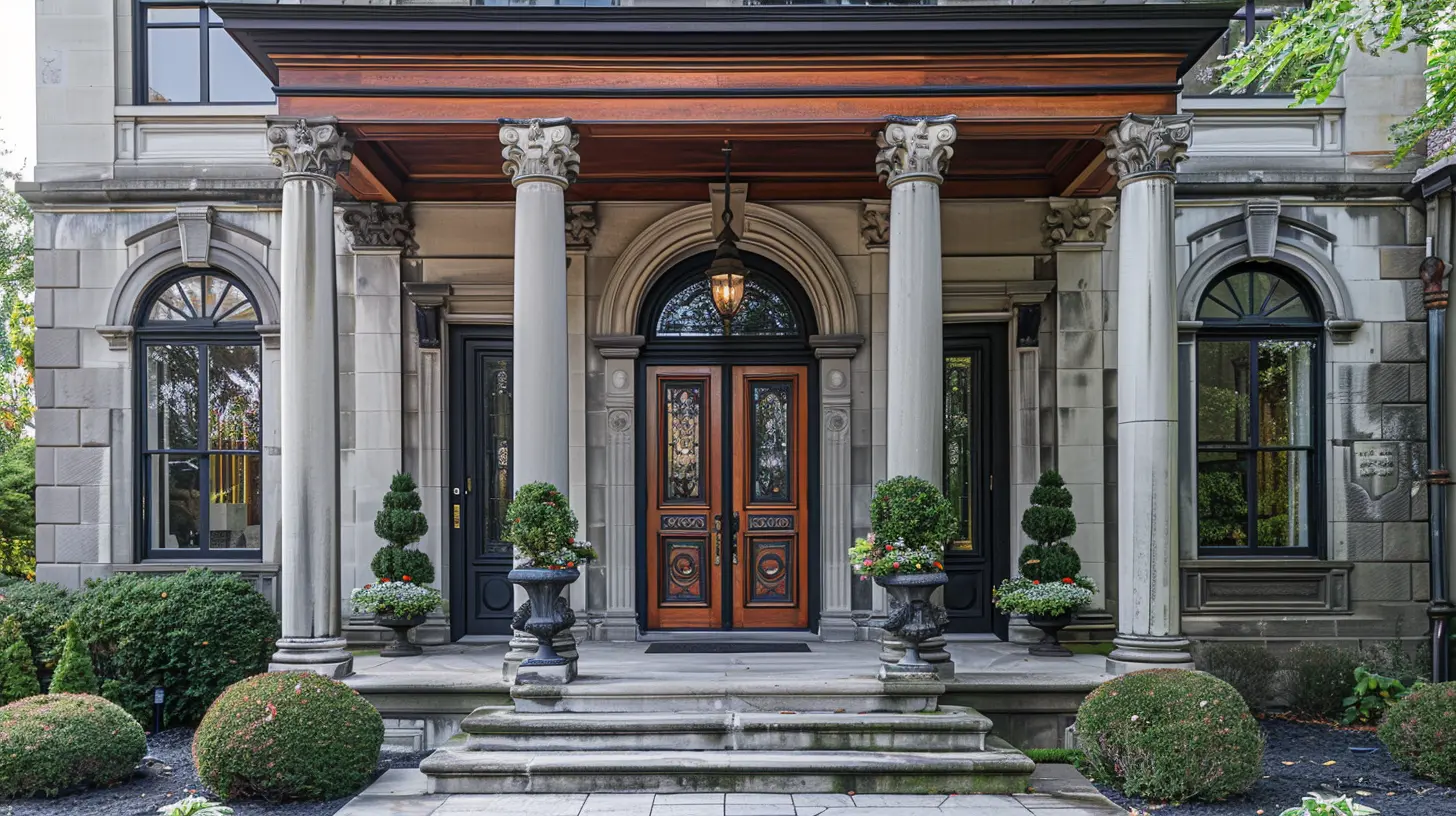
Choosing a New Front Door for a Historic Home
If the original door is beyond repair, finding a replacement that fits the home’s history is key. Here’s what to consider:- Material Matters – Stick to solid wood for an authentic look. Mahogany, oak, and walnut are popular choices.
- Period-Appropriate Design – Choose a style that matches the era of your home. Avoid overly modern designs that clash with historic aesthetics.
- Authentic Hardware – Vintage-style handles, knockers, and hinges complete the look and maintain historical accuracy.
- Glass or No Glass? – Many historic doors featured glass panels or transom windows, so consider including these elements to keep things authentic.
Final Thoughts
A front door isn’t just an entrance—it’s the heart of a home’s first impression, especially in historic properties. Whether grand and ornate or simple and classic, these doors hold history, charm, and architectural significance.If you’re fortunate enough to have a historic home, cherish its original features—including that stunning front entrance. And if you’re considering restoring or replacing it, always aim to keep the character alive. Because sometimes, the best way to step into the future is by preserving the past.
all images in this post were generated using AI tools
Category:
Historic HomesAuthor:

Kingston Estes
Discussion
rate this article
2 comments
Vesperos Griffin
Front doors are like the charming eyebrows of historic homes—framing their character and whispering secrets of the past! Let’s celebrate those portals of personality and stories galore!
March 8, 2026 at 12:53 PM
Kingston Estes
Absolutely! Front doors truly set the tone and reflect the unique history of each home. They invite us to explore the stories within.
Honor Ortiz
Great article! Front doors really do set the tone for historic homes—such a charming way to welcome guests and express character!
February 22, 2026 at 3:57 AM
Kingston Estes
Thank you! I’m glad you enjoyed the article and appreciate the charm and character that front doors bring to historic homes.