How to Finance the Purchase of a Historic Home
31 August 2026
Buying a historic home is like owning a piece of living history. These charming, character-filled properties come with intricate details, timeless architecture, and a story to tell. However, financing a historic home is not always as straightforward as purchasing a modern house. Since older properties often require specific maintenance, restorations, and unique insurance policies, lenders may have stricter requirements.
If you're dreaming of owning a historic home but unsure how to secure financing, don't worry—I’ve got you covered. Let’s break down the best ways to finance your dream home while avoiding unexpected hurdles.
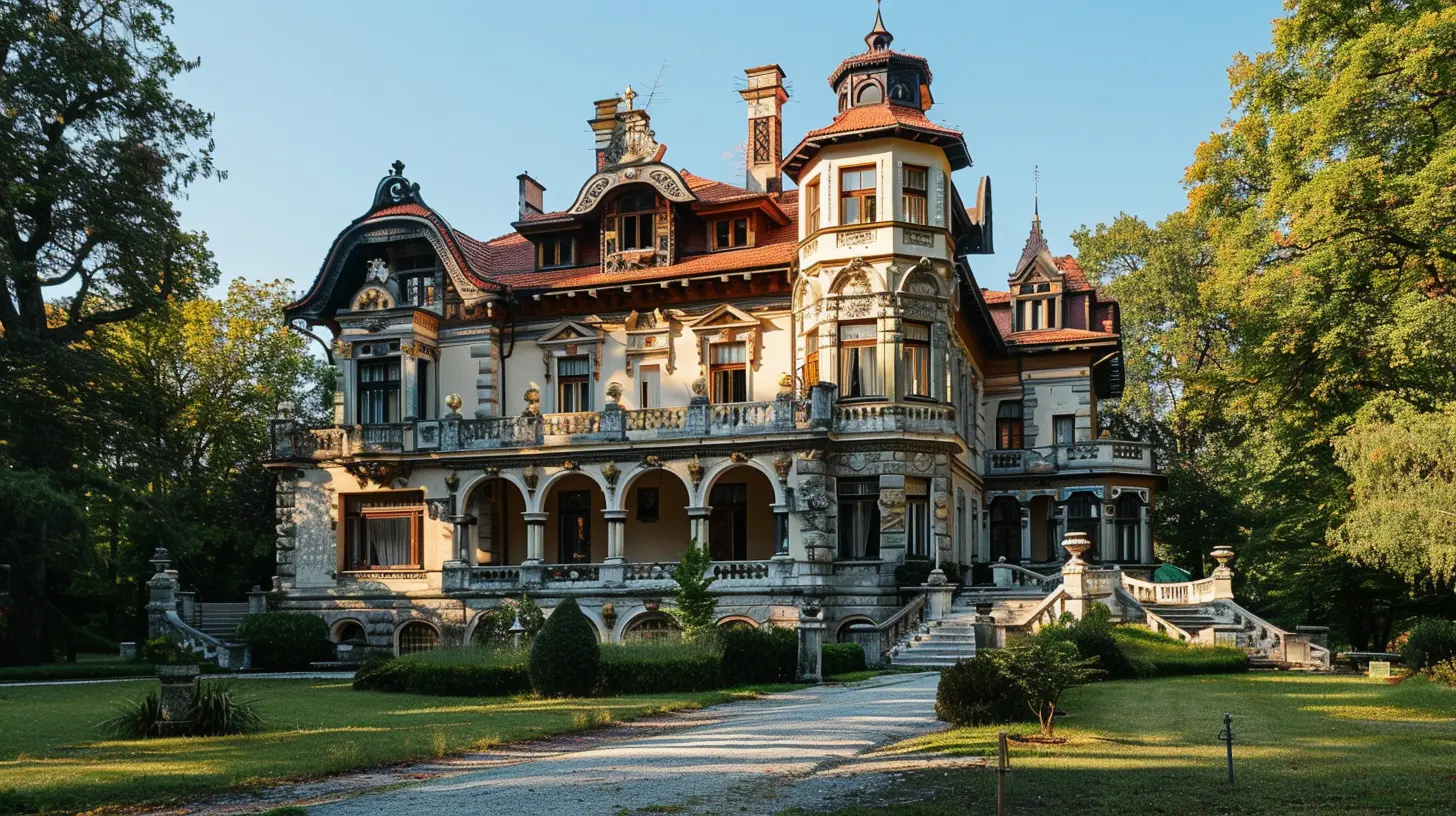
Understanding the Challenges of Financing a Historic Home
Before jumping into the financing options, it’s essential to understand the challenges you might face when purchasing a historic property:- Higher Maintenance Costs – Historic homes often require costly repairs and specialized restoration techniques.
- Strict Preservation Regulations – Some properties are subject to local, state, or federal preservation guidelines that may limit renovations.
- Insurance Complications – Insuring an older home can be tricky due to outdated electrical, plumbing, or structural elements.
- Appraisal and Valuation Concerns – Lenders typically base loan amounts on a home's appraised value, which can be difficult to determine for historic properties with unique architectural features.
Now that you're aware of the challenges, let's talk about financing options.
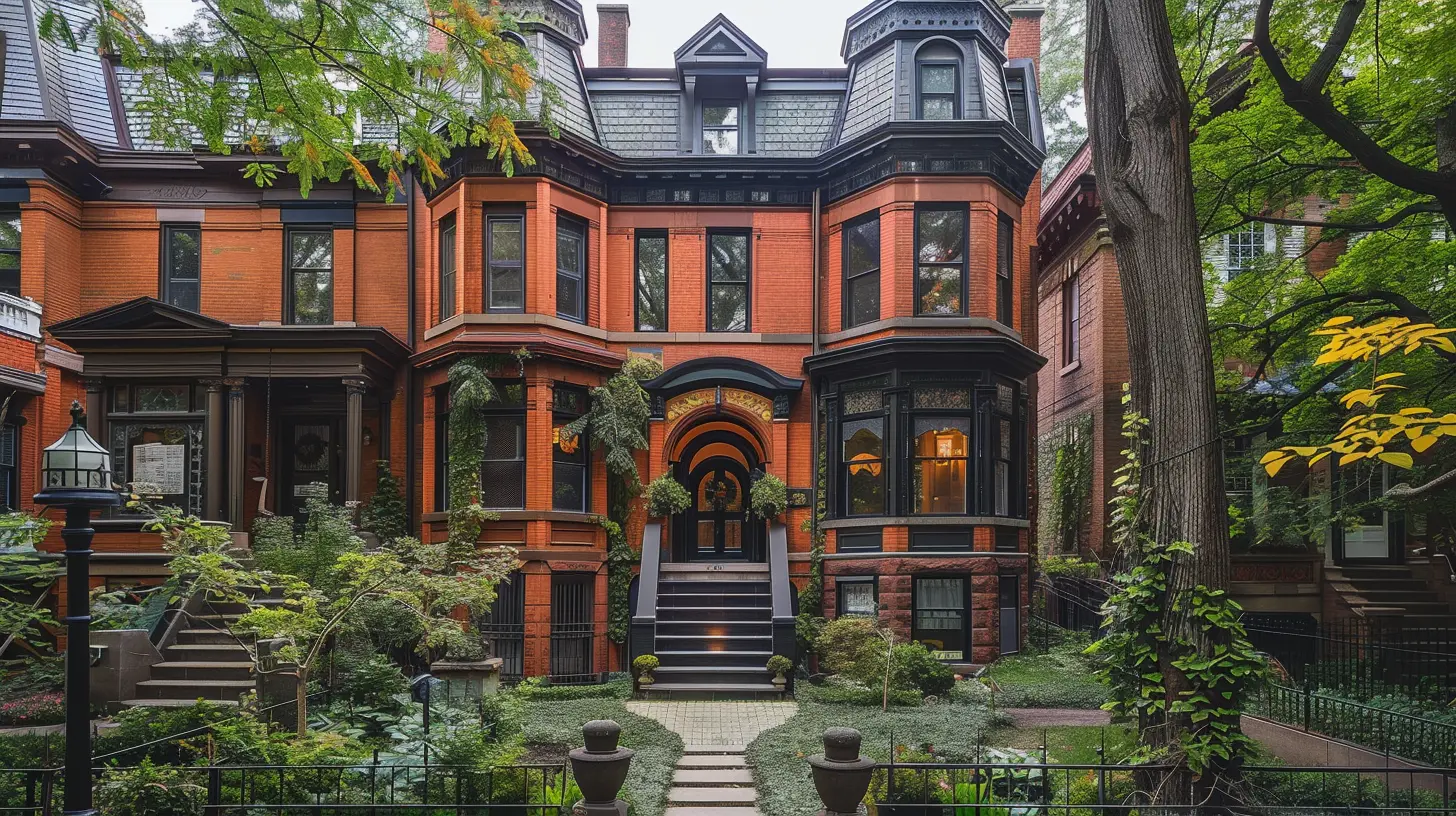
1. Conventional Mortgage Loans
A conventional mortgage is one of the most common ways to finance a home, but it may not always be the best option for historic properties. Traditional lenders might hesitate if the house requires extensive renovations or if it's located in a preservation district. However, if the home is in good condition and meets lending criteria, you could qualify for a standard 15- or 30-year mortgage.Pros:
✔ Lower interest rates compared to specialized loans
✔ Fixed or adjustable interest rate options
Cons:
✖ May not cover major renovations
✖ Requires the home to meet lender’s condition standards
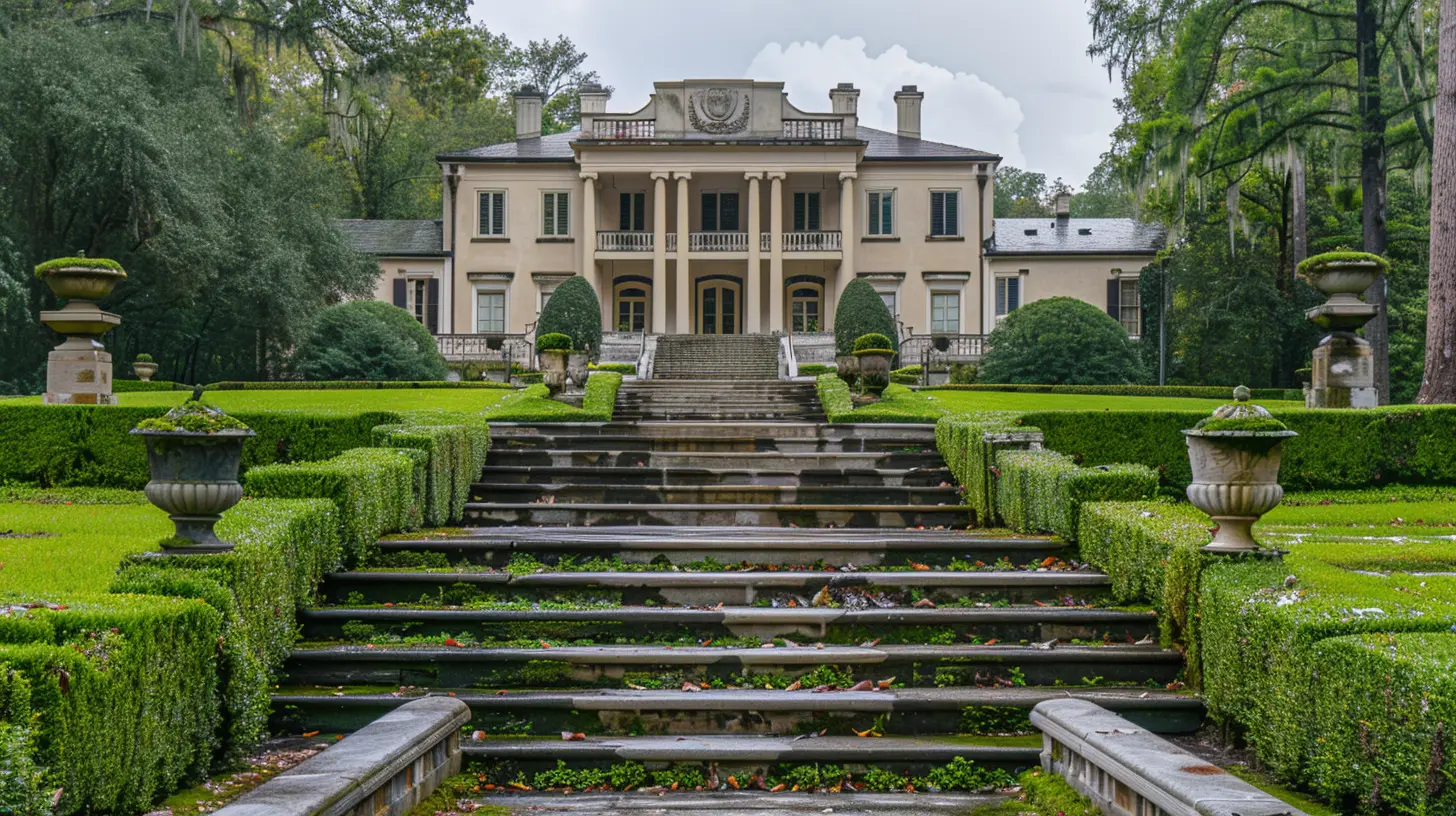
2. FHA 203(k) Rehab Loan
If the historic home needs significant renovations, an FHA 203(k) loan could be a smart choice. This government-backed loan combines the cost of the home purchase and renovation expenses into a single mortgage.Pros:
✔ Requires a low down payment (as little as 3.5%)
✔ Covers both the purchase price and necessary repairs
✔ More lenient qualification requirements
Cons:
✖ Lengthy approval process
✖ Must work with FHA-approved contractors
✖ Strict property eligibility guidelines
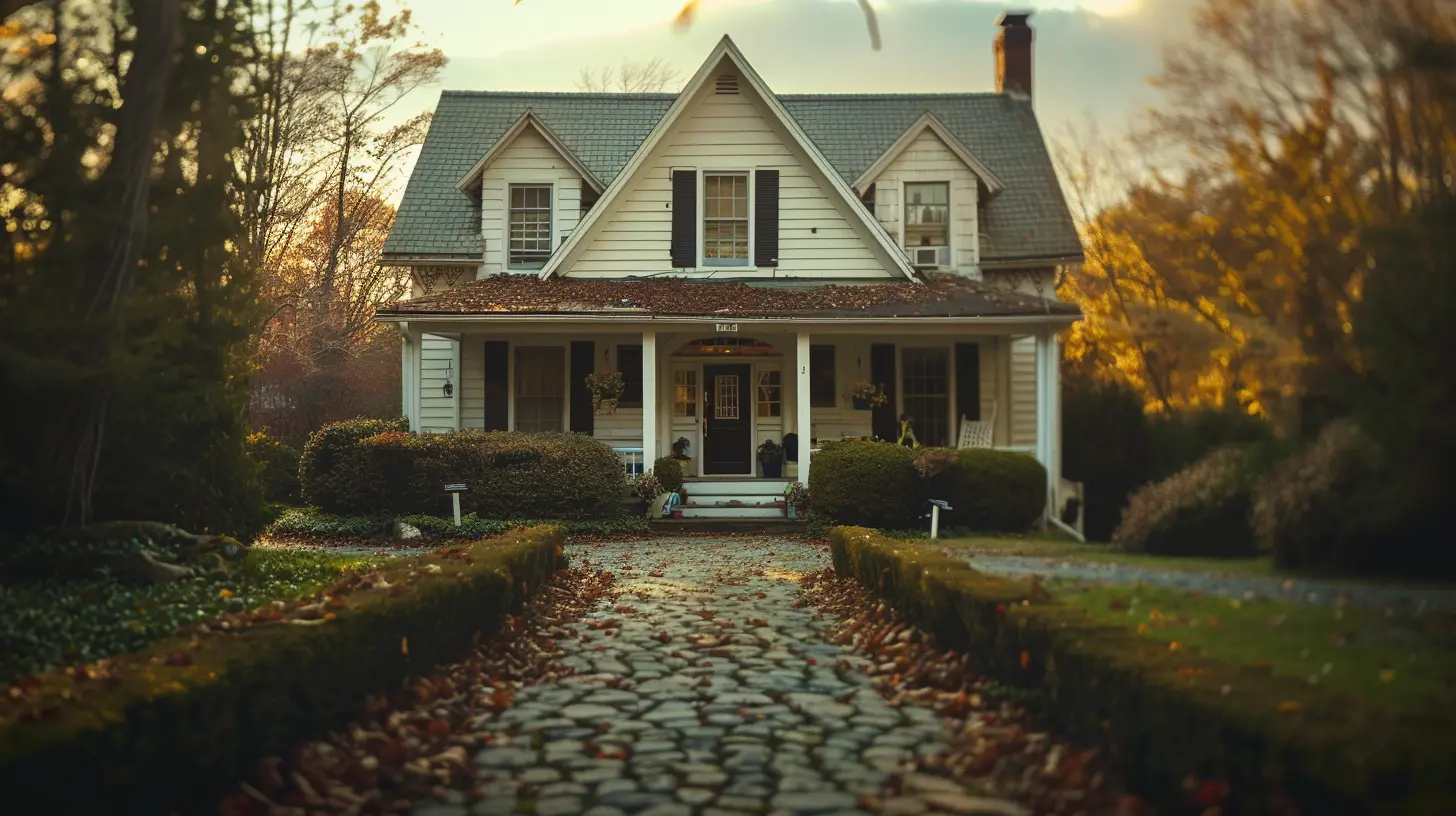
3. Fannie Mae HomeStyle Renovation Loan
Similar to the FHA 203(k), the Fannie Mae HomeStyle Renovation Loan allows buyers to finance both the purchase and renovation of a home. The key difference? This loan offers more flexibility in choosing contractors and doesn’t require FHA mortgage insurance.Pros:
✔ Allows luxury upgrades and additions
✔ Can be used for structural and non-structural renovations
Cons:
✖ Requires a higher credit score compared to FHA loans
✖ More stringent qualification criteria
4. Historic Home Grants and Tax Credits
Wouldn’t it be great if you didn’t have to finance everything yourself? Good news—there are grants and tax incentives for buyers willing to restore and maintain historic homes.- Federal Historic Preservation Tax Credit (HTC): Offers a 20% tax credit for restoring income-generating historic properties.
- State and Local Grants: Depending on your location, you might qualify for preservation grants or financial assistance programs.
- Easements and Tax Reductions: Some properties offer tax benefits if you agree to maintain their historical integrity.
Pros:
✔ Free or reduced-cost financing for renovations
✔ Significant tax savings over time
Cons:
✖ Grants often have strict eligibility criteria
✖ Requires compliance with preservation regulations
5. VA and USDA Loans for Historic Properties
For eligible buyers, VA (Veterans Affairs) loans and USDA loans offer attractive financing options with no down payment required. These loans work best for historic homes located in rural areas or for veterans looking to purchase a home with special benefits.VA Loans:
✔ No down payment required
✔ Lower interest rates
✔ No private mortgage insurance (PMI)
USDA Loans:
✔ No down payment required
✔ Designed for rural and suburban homebuyers
Cons:
✖ Strict eligibility requirements
✖ Limited to properties in designated areas
6. Portfolio Loans from Local Banks
If you're hitting roadblocks with traditional mortgage lenders, consider portfolio loans from local banks or credit unions. These lenders hold onto the loan instead of selling it on the secondary market, allowing for more flexibility in terms and conditions.Pros:
✔ More lenient lending requirements
✔ Works well for unique or hard-to-appraise historic homes
Cons:
✖ Higher interest rates compared to conventional mortgages
✖ May require a higher down payment
7. Private Loans and Seller Financing
Sometimes, alternative financing options such as private loans or seller financing present the best path to ownership. If a traditional mortgage isn’t an option, negotiating directly with the home’s seller or securing financing from a private lender might work in your favor.Pros:
✔ Easier to negotiate flexible loan terms
✔ May bypass traditional lender requirements
Cons:
✖ Typically comes with higher interest rates
✖ Shorter repayment periods
Tips for Securing Financing for a Historic Home
1. Check Historic Designation Status – Verify if the home is officially designated as historic, which can impact financing, renovations, and eligibility for grants.2. Work with a Preservation Specialist – Hire a real estate agent or loan officer familiar with historic properties to navigate the process smoothly.
3. Get a Detailed Inspection – A thorough inspection can uncover hidden issues, helping you plan for renovation costs upfront.
4. Budget for Unexpected Repairs – Historic homes often come with surprises, so set aside extra funds for unforeseen restoration needs.
5. Compare Multiple Lenders – Not all lenders have experience with historic homes, so shop around for the best rates and terms.
Conclusion
Financing a historic home may seem complicated, but with the right resources and loan options, it’s entirely possible to make your dream a reality. Whether you go for an FHA 203(k) rehab loan, take advantage of historic home grants, or explore private financing, you have multiple ways to secure funding. Stay informed, weigh your options, and prepare for the unique responsibilities that come with owning a piece of history.If you're passionate about preserving the past and creating a future in a historic home, you’re in for an exciting journey. With patience, planning, and the right financial approach, you’ll soon be unlocking the doors to a property that stands the test of time.
all images in this post were generated using AI tools
Category:
Historic HomesAuthor:

Kingston Estes
Discussion
rate this article
2 comments
Nadia White
Buying a historic home is like stepping into a storybook. Embrace the quirks and charm that come with it! With the right financing options, your dream home can be more than just a fantasy. Dive into this journey and let the past inspire your future. Happy house hunting!
September 5, 2026 at 11:45 AM
Kingston Estes
Absolutely! Historic homes have so much character. With the right financing, you can turn that dream into reality. Happy hunting!
Jackson McMillan
Who needs a time machine when you can finance a historic home? Just remember, charm comes with quirks...and possibly some unexpected "updates." Good luck navigating that delightful maze!
September 3, 2026 at 3:50 AM