How to Add a Loft to Your Tiny Home for Extra Living Space
18 May 2026
Living in a tiny home is all about maximizing space while maintaining comfort. One of the best ways to create more room without increasing your home's footprint is by adding a loft. Whether you need extra storage, a cozy sleeping area, or even a small office, a loft can make a world of difference.
But how exactly do you add a loft to a tiny home? And what should you consider before getting started? Don't worry—I’ve got you covered! In this guide, we'll walk through everything you need to know about designing, building, and optimizing a loft in your tiny home. 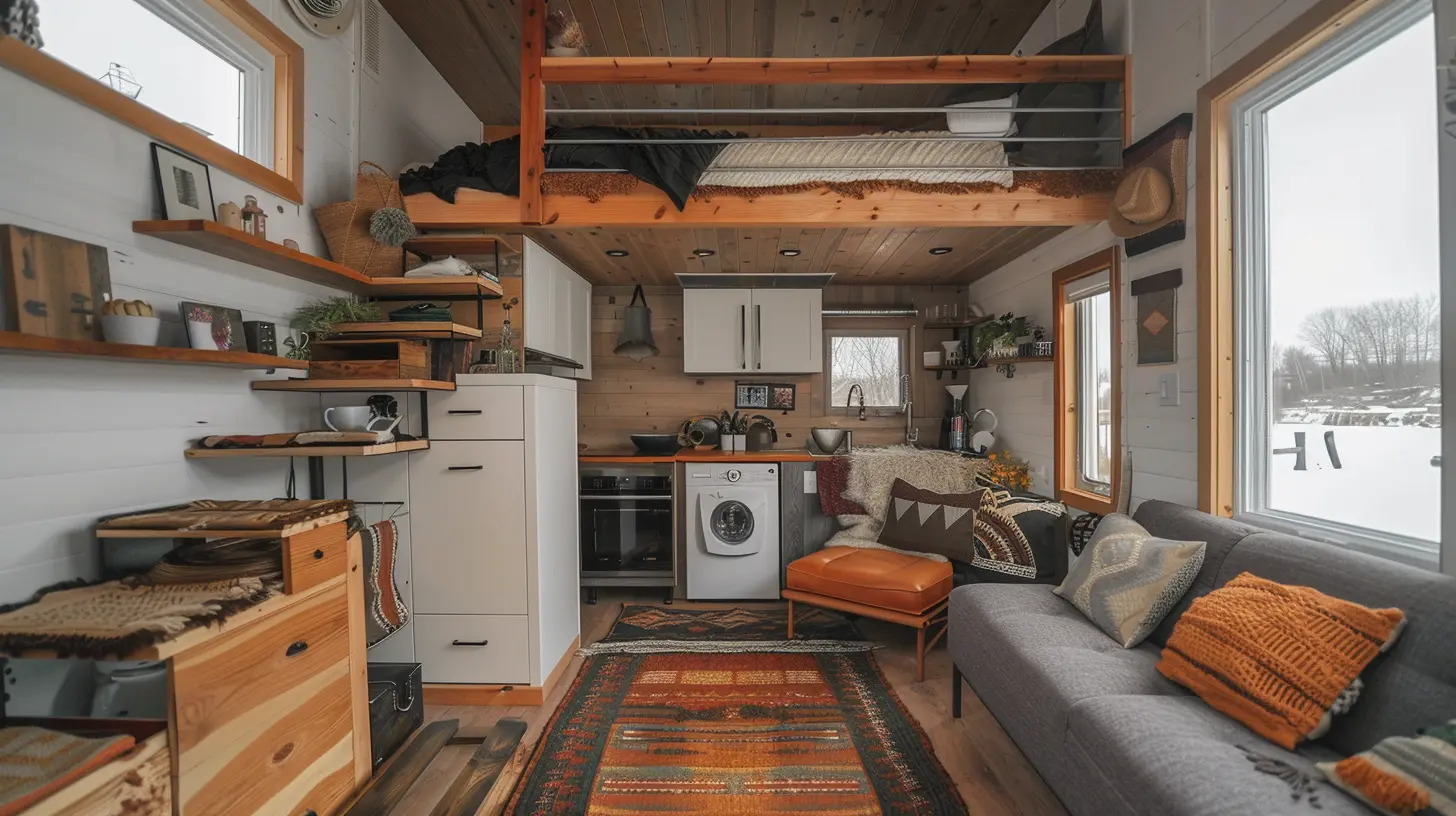
Why Add a Loft to Your Tiny Home?
Before we dive into the how, let's talk about the why. A loft isn’t just a trendy addition; it serves several practical purposes:- Maximizes Vertical Space – Tiny homes have limited square footage, but they usually have vertical room to spare. A loft helps utilize that unused space efficiently.
- Creates a Cozy Sleeping or Storage Area – Need a peaceful spot to sleep? Or maybe a place to store seasonal clothes and rarely used items? A loft can do both.
- Improves Functionality – With a loft, you free up the main floor for essential areas like a living room, kitchen, or workspace.
- Adds Value to Your Home – If you ever sell your tiny home, a well-designed loft can make it more attractive to buyers.
Now that we’re convinced a loft is a great idea, let’s get into the nitty-gritty of adding one to your tiny home. 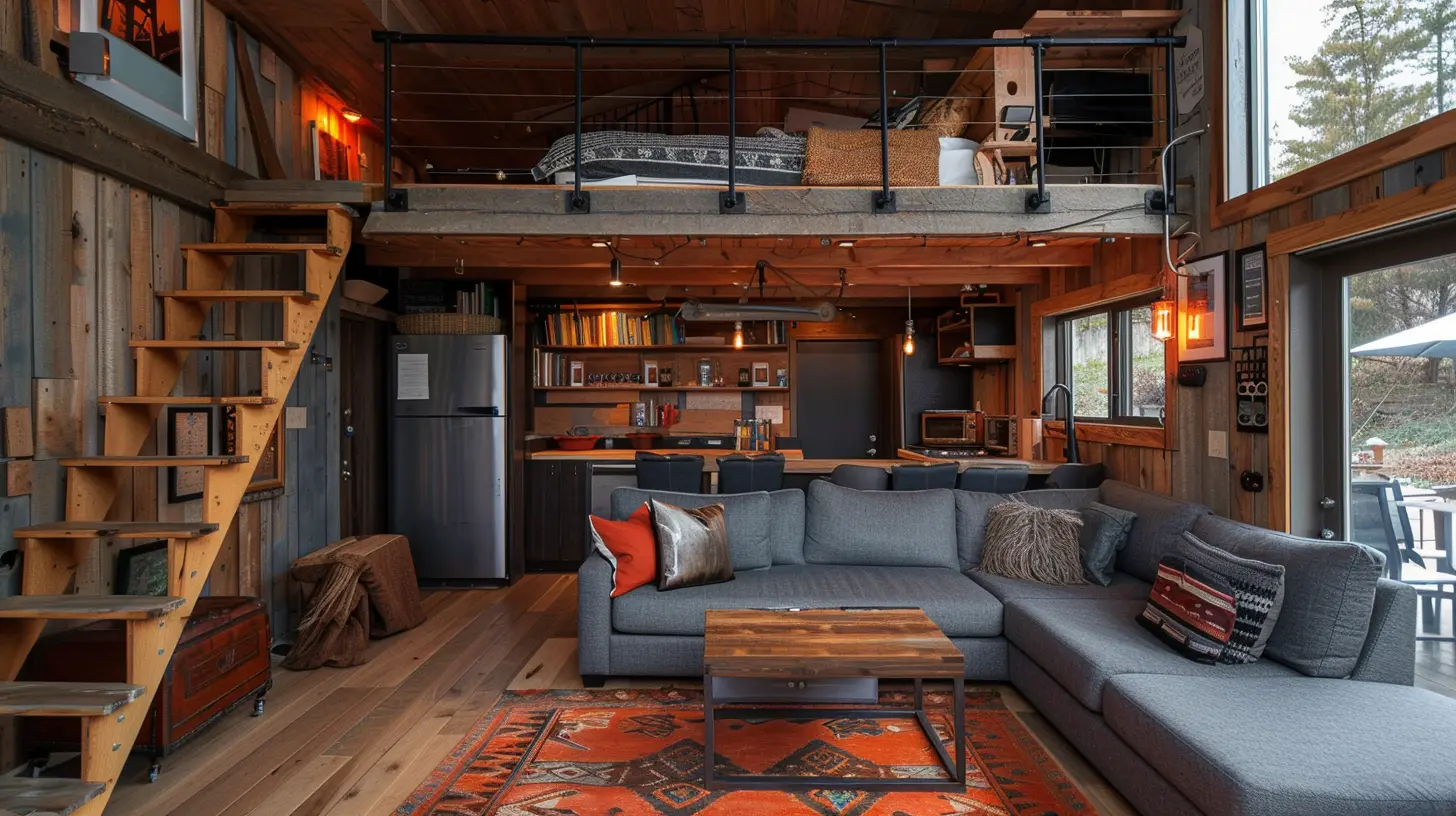
Planning Your Tiny Home Loft
Like any home improvement project, adding a loft requires careful planning. Here are some key factors to think about before you start building.1. Ceiling Height Matters
Not all tiny homes have the same ceiling height, and this can make or break your loft plans. Ideally, you want enough room to comfortably sit or kneel in the loft area.- Standard tiny home ceilings range from 10-13 feet.
- You should aim for at least 3-4 feet of clearance in the loft.
If your tiny home has a lower ceiling, consider lowering the floor in another area to create more headroom for the loft.
2. Deciding on the Loft’s Purpose
Before designing the loft, ask yourself:- Will it be a sleeping space, storage area, reading nook, or mini office?
- Do you need electricity, lighting, or extra insulation for this space?
- Will you need windows or skylights for ventilation and natural light?
The answers will influence your design and construction choices.
3. Choosing the Right Materials
When working with limited space, material choice is crucial. You’ll want:- Lightweight but sturdy materials like plywood or reclaimed wood.
- Strong support beams to hold the loft safely above your living space.
- Proper insulation if you plan to use the loft year-round.
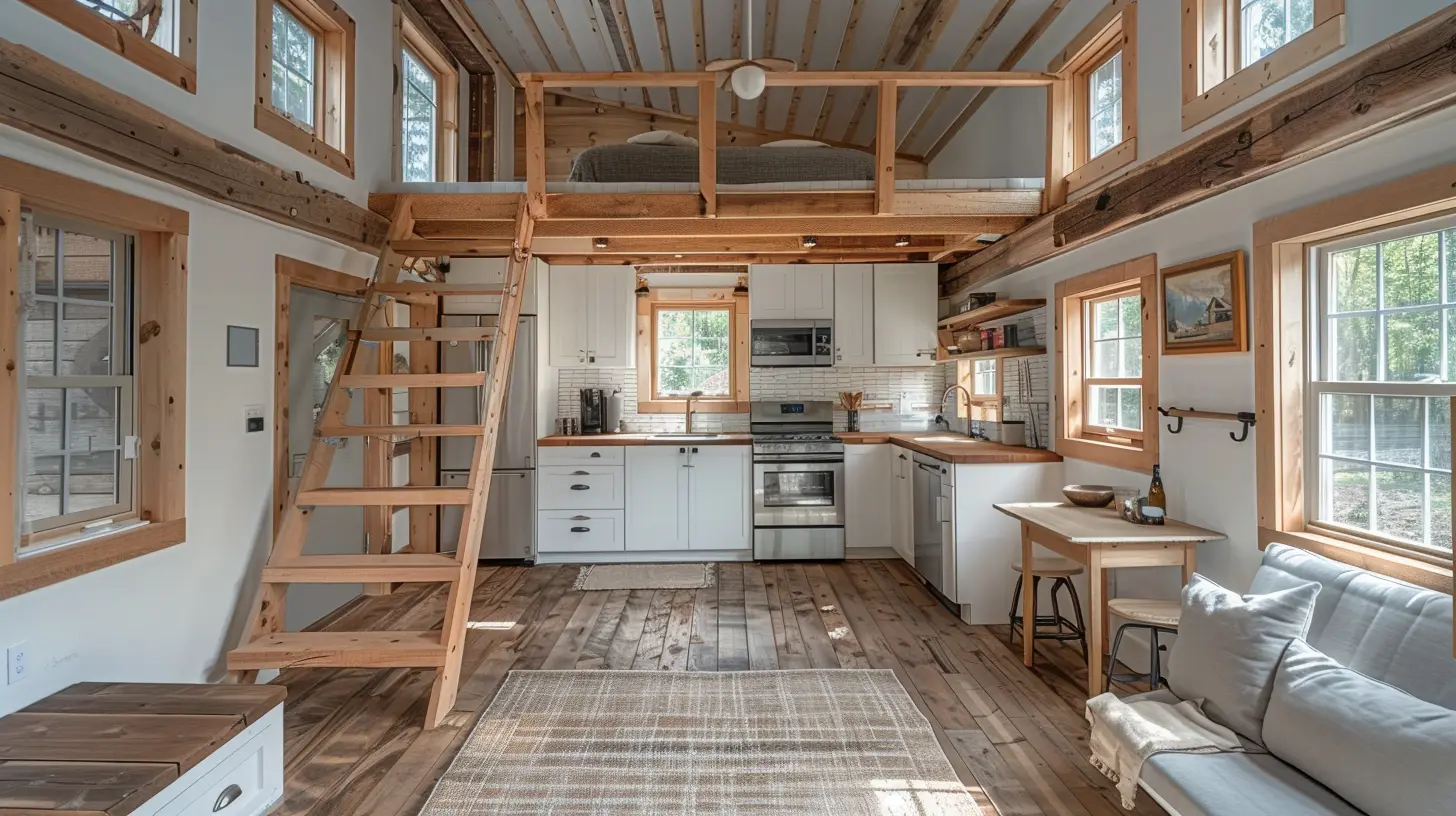
Designing Your Tiny Home Loft
Now let's talk about how to make the loft both practical and visually appealing.1. Loft Size & Layout
Your loft doesn’t have to take up the entire upper portion of your tiny home. Think about how much space you actually need.- A half-loft leaves some part of the ceiling open, making the main room feel larger.
- A full-loft covers a big portion of the upper level, maximizing usable space.
Sketch out different layout ideas before committing to a final design.
2. Entry & Access: Stairs vs. Ladders
Getting into your loft should be safe and convenient. You have a few options:- Ladders – A space-saving choice that can be stored against the wall when not in use.
- Stairs with Storage – If you have enough room, stairs with built-in drawers or cabinets are a fantastic way to create extra storage.
- Pull-out Steps – These function as mini steps that tuck away after use.
For safety, always ensure you have good handrails or grab bars, especially if kids will be using the loft.
3. Ventilation and Lighting
A loft can get warm and stuffy without proper ventilation. Consider installing:- A ceiling fan to keep air circulating.
- Windows or skylights to allow fresh air and natural light in.
- LED strip lights or small wall-mounted lamps for extra brightness.
Good airflow will keep your loft comfortable in all seasons. 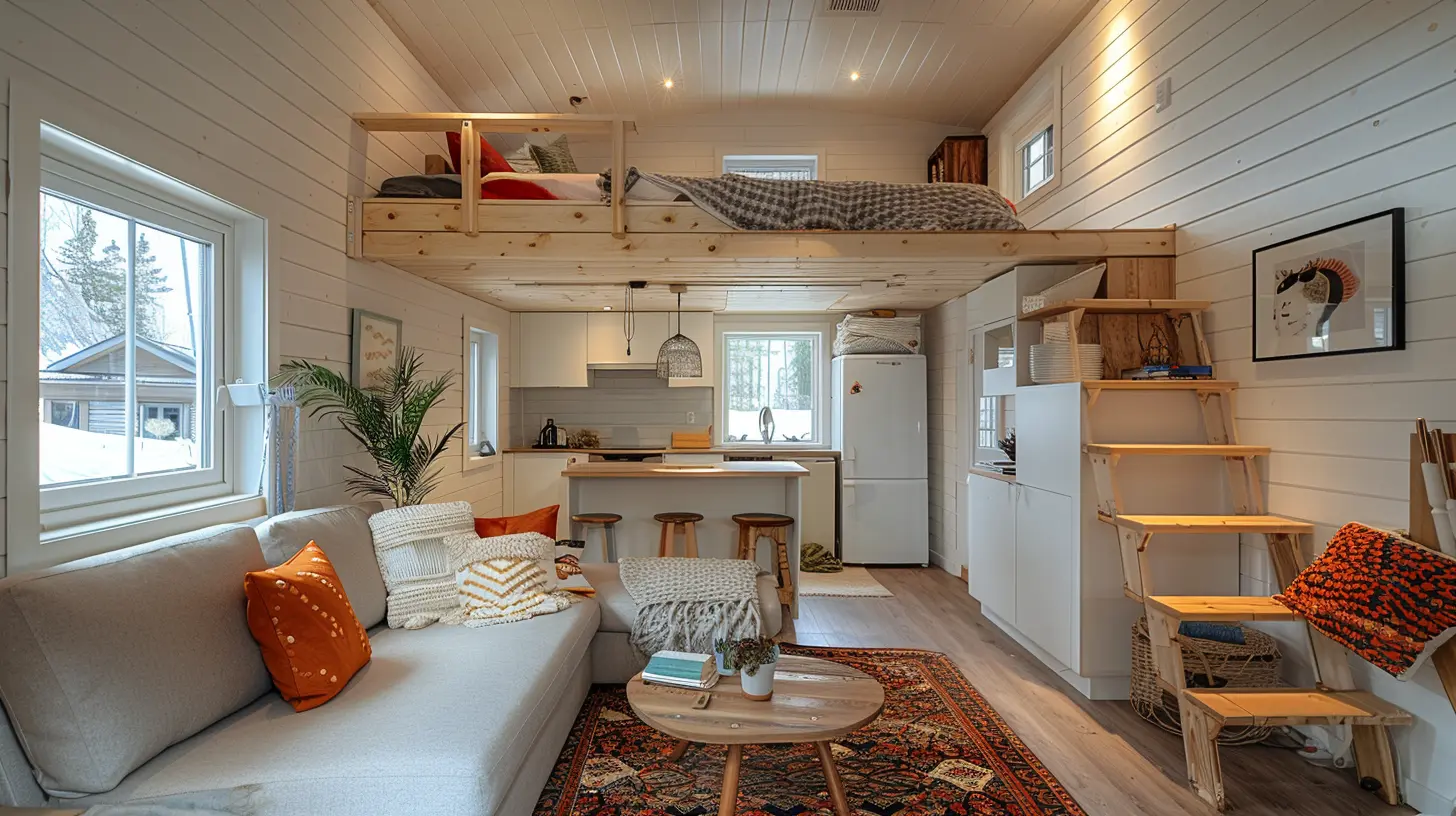
Building the Loft Step-by-Step
Once you’ve planned everything, it's time to start building! Here’s a step-by-step approach:Step 1: Install Support Beams
- Use strong wooden or metal beams that can hold the weight of the loft.- Anchor them securely to the walls for stability.
Step 2: Attach the Loft Floor
- Plywood or tongue-and-groove boards work well for the loft floor.- Make sure it’s firmly attached to the support beams.
Step 3: Build the Safety Railing
- If your loft is used for sleeping or lounging, add a railing for safety.- The railing should be at least 36 inches high to prevent falls.
Step 4: Install Your Access (Ladder or Stairs)
- Secure the ladder or staircase properly so it doesn't wobble.- If using a ladder, consider a wall hook to easily attach and remove it.
Step 5: Add Finishing Touches
- Paint or stain the loft floor to match your interior decor.- Add cushions, rugs, or a mattress for comfort.
- Install lighting and ventilation if needed.
Congratulations! Your loft is ready to use.
Making the Most of Your Loft Space
Now that your loft is built, let’s talk about ways to maximize its functionality.Smart Storage Solutions
Use under-loft storage ideas like:- Built-in cabinets under the loft floor.
- Overhead hanging bins for lightweight items.
- Foldable furniture to save space when not in use.
Multi-Functional Design
A loft doesn't have to serve just one purpose. Consider:- A guest sleeping area that doubles as a reading nook.
- A home office with foldable furniture for work-from-home days.
Decor & Comfort Hacks
Keep your loft cozy with:- Soft lighting for an inviting atmosphere.
- Compact furniture that fits the space without looking cluttered.
- Breathable bedding to stay cool and comfortable.
With the right setup, your loft will feel like a natural extension of your tiny home.
Final Thoughts
Adding a loft to your tiny home isn’t just about space—it’s about creating a functional, comfortable, and stylish area that enhances your lifestyle. By choosing the right design, materials, and layout, you can transform your tiny home into a multi-level haven.So, whether you're dreaming of a lofted bedroom, extra storage, or a new workspace, now's the perfect time to start planning. Ready to make the most of your tiny home? Get started on your loft today!
all images in this post were generated using AI tools
Category:
Tiny HomesAuthor:

Kingston Estes
Discussion
rate this article
1 comments
Geneva Mason
Adding a loft can really transform a tiny home, creating a cozy, functional space. It's a clever solution for maximizing square footage while maintaining a sense of openness.
May 19, 2026 at 2:44 AM
Kingston Estes
Absolutely! A loft can add so much character and utility to a small space. It's all about maximizing what you've got while keeping it inviting.