How Augmented Reality Will Enhance Home Buying in 2027
15 September 2026
The home buying process is evolving rapidly, and augmented reality (AR) is set to play a pivotal role by 2027. This technology, which overlays digital information onto the physical world, offers innovative solutions that can streamline and enhance the home buying experience. As prospective buyers become more tech-savvy, understanding how AR can aid in their search for a new home is essential for both buyers and real estate professionals.
Understanding Augmented Reality
What is Augmented Reality?
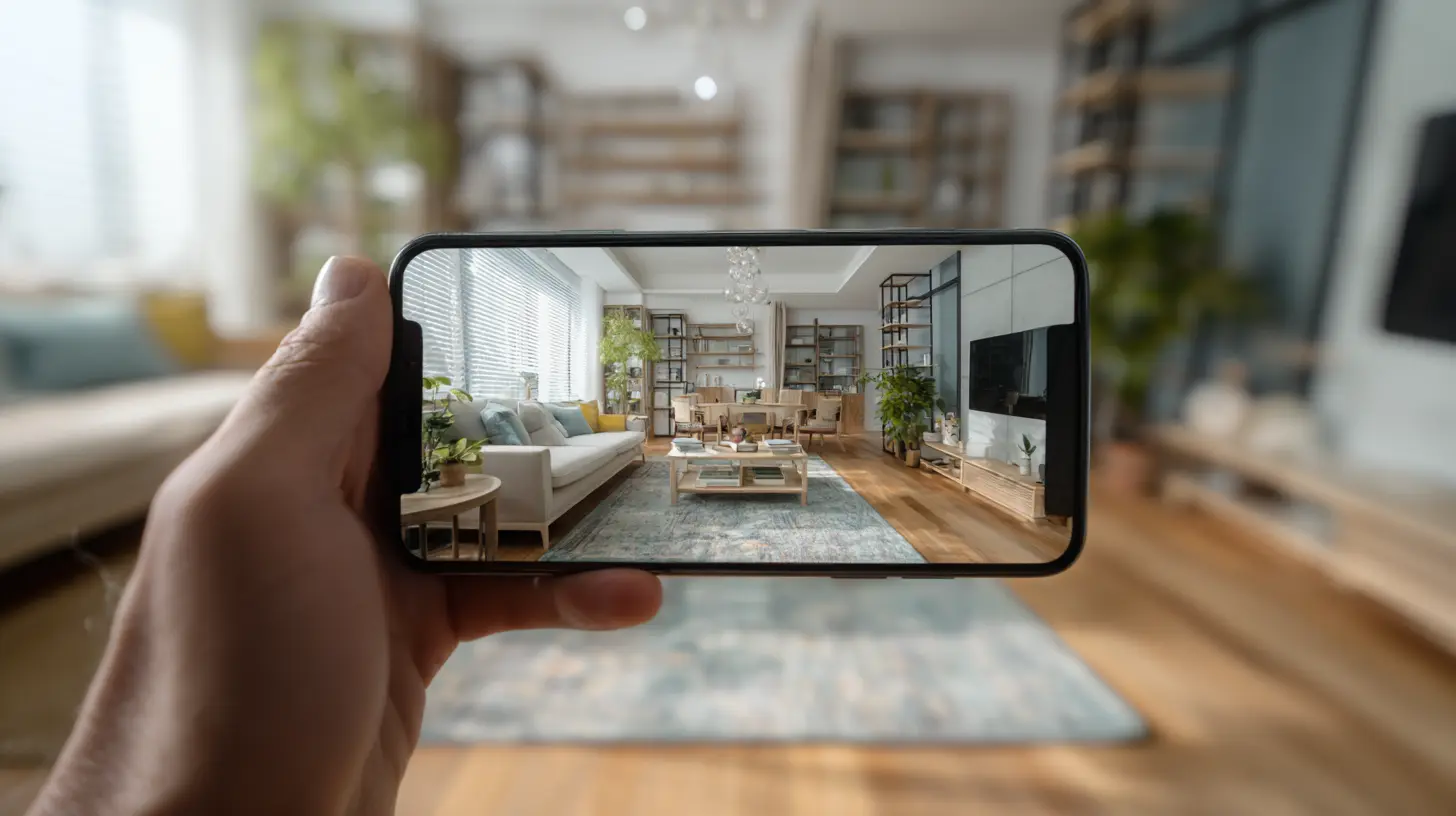
Augmented reality is a technology that superimposes computer-generated images, sounds, and other data onto the real world. Unlike virtual reality, which creates an entirely immersive digital environment, AR enhances the real-world experience by adding layers of information. This can be achieved through smartphones, tablets, or specialized AR glasses.How AR Works
AR relies on various technologies, including computer vision, simultaneous localization and mapping (SLAM), and depth tracking. These technologies allow devices to recognize and interpret the physical environment, enabling the overlay of digital content. For instance, when a user points their smartphone at a house, AR can display information about the property, such as its price, square footage, and nearby amenities.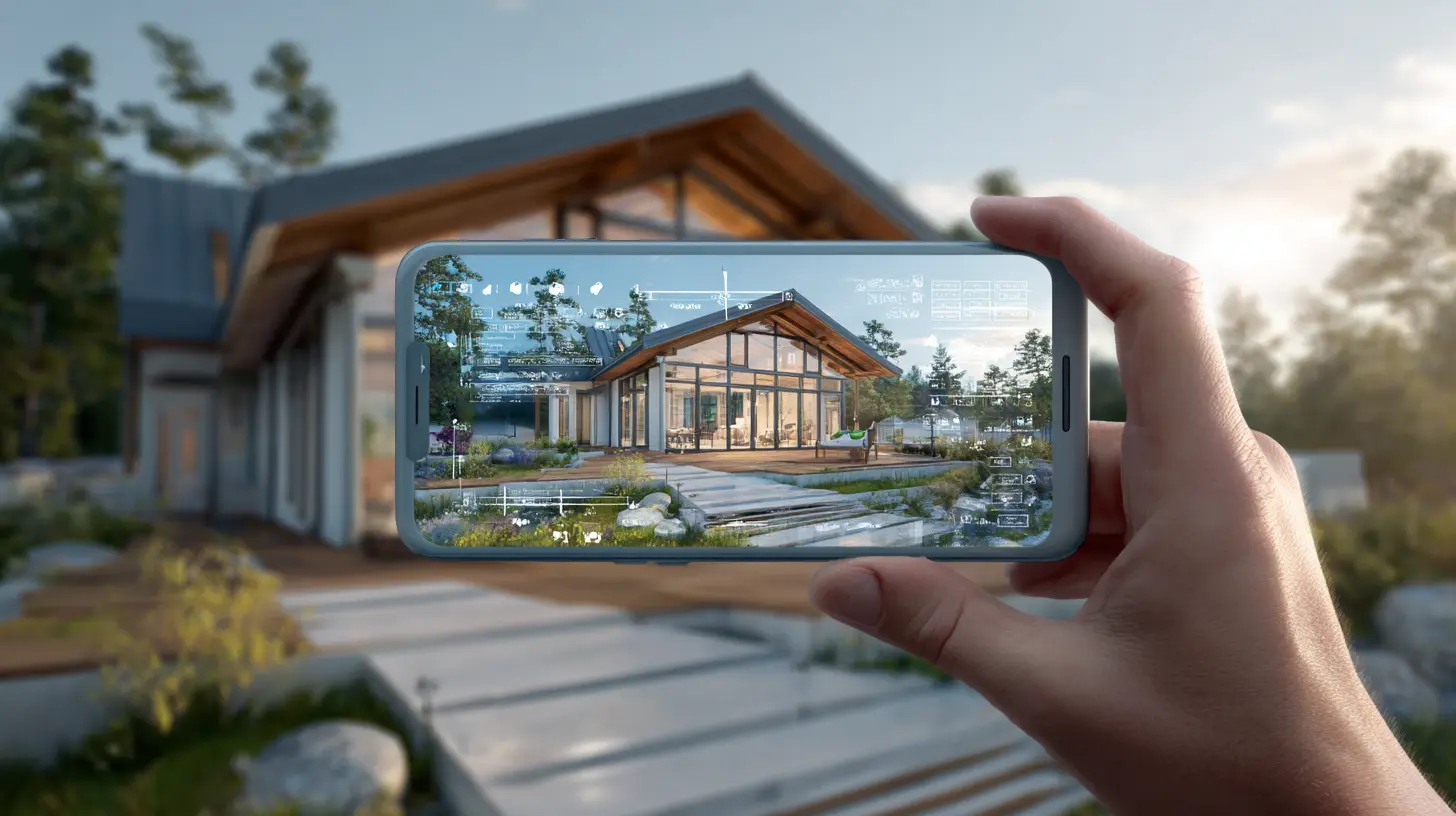
The Current State of Home Buying
Traditional Home Buying Process
The traditional home buying process involves several steps: searching for properties, scheduling viewings, making offers, and closing the deal. While this process has been effective, it can be time-consuming and often frustrating for buyers. Many prospective homeowners spend countless hours visiting properties that may not meet their needs, leading to wasted time and effort.Pain Points in Home Buying
1. Limited Visualization: Buyers often struggle to visualize how a space will look with their furniture or decor.2. Inaccessibility: Some properties may be difficult to access, especially for remote buyers.
3. Information Overload: With so many listings available, buyers can feel overwhelmed by the sheer volume of information.
How Augmented Reality Will Transform Home Buying
Enhanced Property Visualization
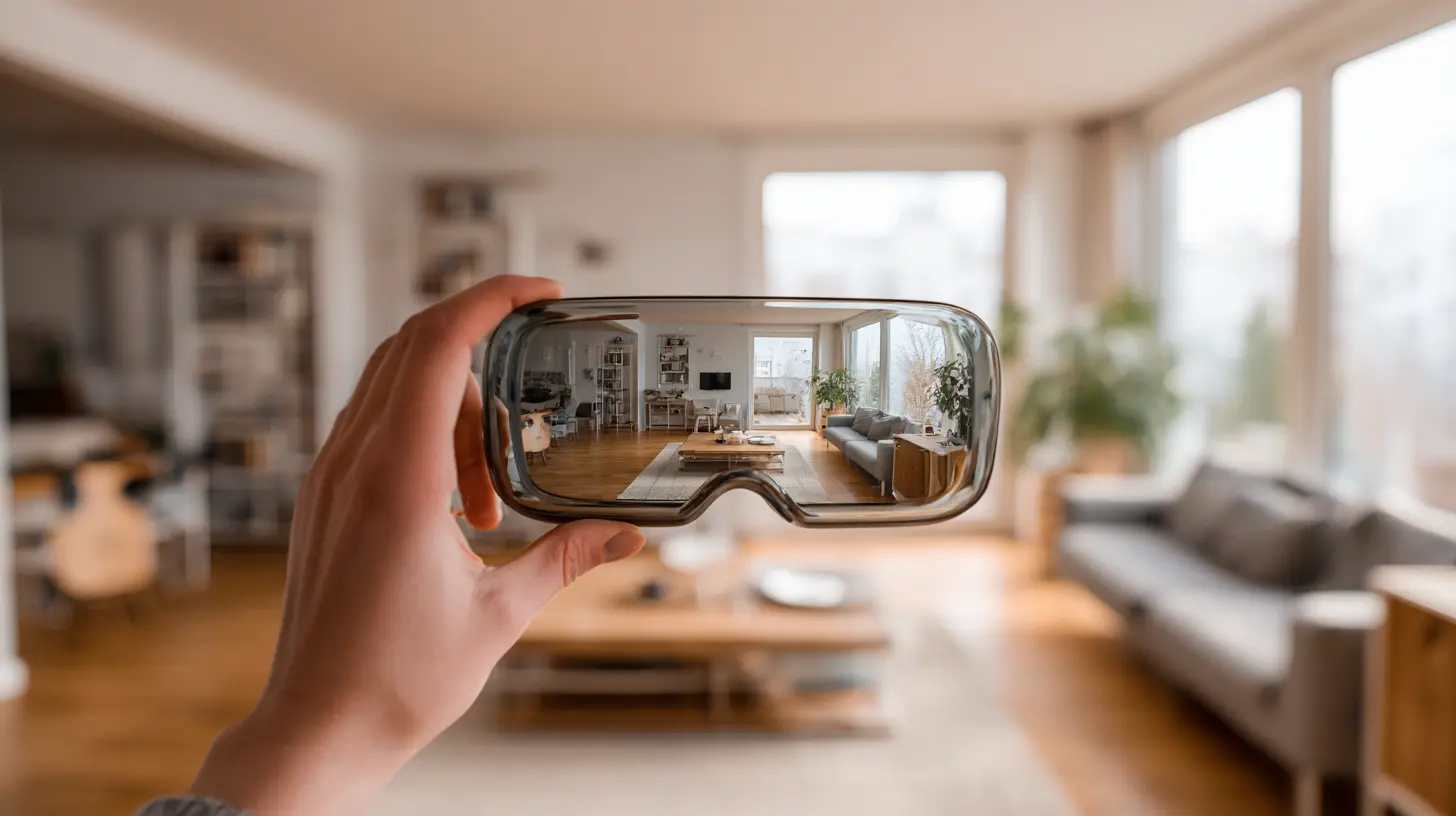
One of the most significant advantages of AR is its ability to enhance property visualization. By 2027, buyers will likely use AR applications to visualize homes in real-time. For example, a buyer could use their smartphone to see how a room would look with different paint colors, furniture arrangements, or even renovations. This capability allows for a more personalized experience, helping buyers make informed decisions.Virtual Tours and Remote Access
AR can facilitate virtual tours that are far more immersive than traditional video walkthroughs. Instead of passively watching a video, potential buyers can engage with the space. They can walk through a property in real-time, exploring different rooms and getting a feel for the layout. This feature is particularly beneficial for remote buyers who may not be able to visit a property in person.Interactive Property Features
Imagine walking through a home and seeing interactive features that provide additional information. For example, as you approach a kitchen, AR could display details about the appliances, countertops, and cabinetry. This interactive experience not only makes the viewing more engaging but also provides valuable insights that can influence a buyer's decision.Improved Communication with Agents
AR can enhance communication between buyers and real estate agents. Agents can use AR tools to highlight specific features of a property during a virtual tour, ensuring that buyers understand the unique selling points. AR can facilitate real-time collaboration, allowing agents to customize tours based on a buyer's preferences.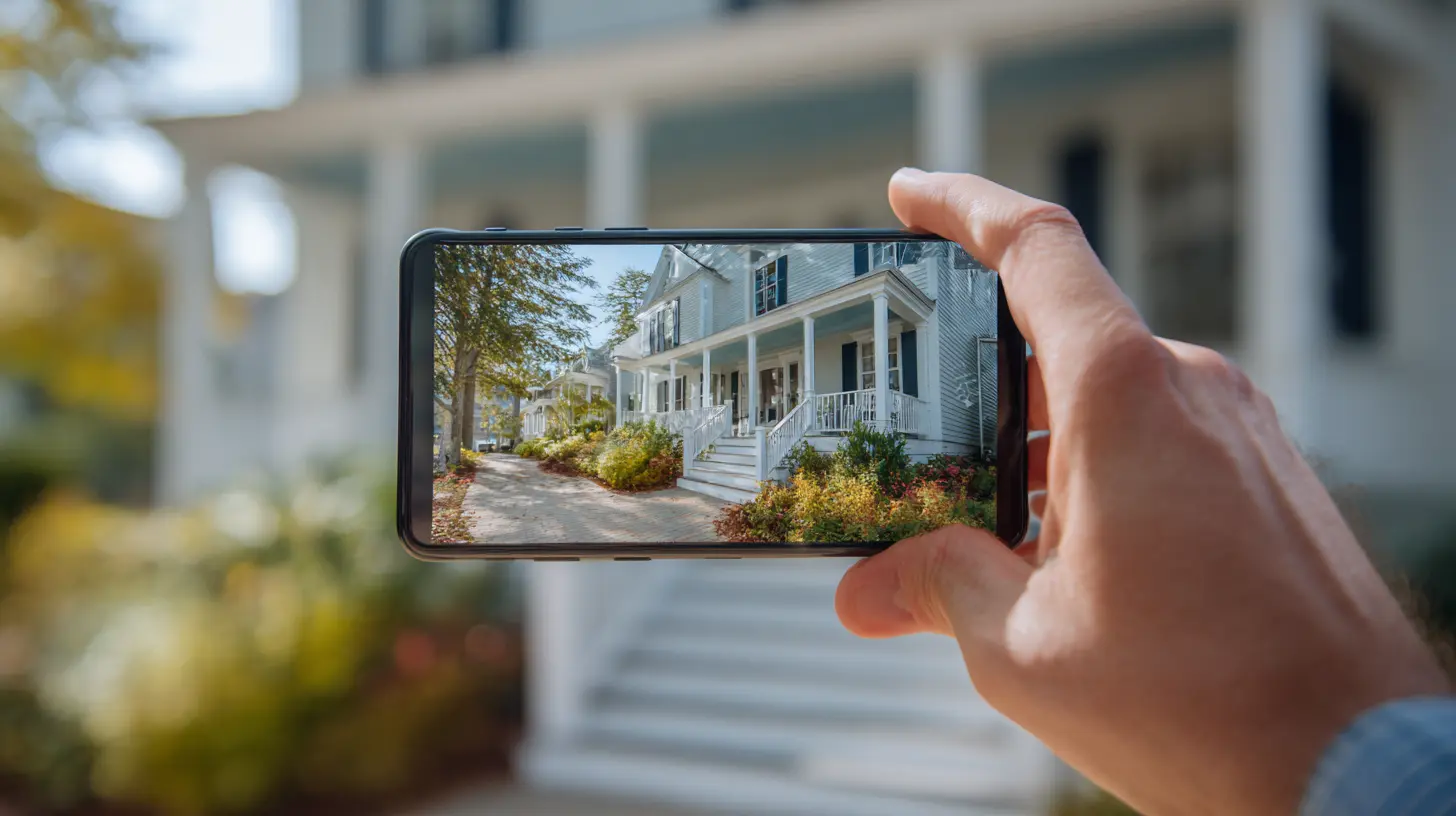
Real-World Applications of AR in Home Buying
Case Study: Virtual Staging
Virtual staging is a growing trend in real estate that utilizes AR to digitally furnish and decorate homes. Instead of physically staging a property, agents can create a virtual representation of how a space could look. This approach not only saves time and money but also allows buyers to envision the potential of a property without the clutter of existing furniture.Case Study: Interactive Neighborhood Exploration
Some AR applications allow buyers to explore neighborhoods in an interactive way. By pointing their device at a location, users can access information about local schools, parks, restaurants, and public transport options. This feature helps buyers not only assess the property but also the surrounding area, which is crucial for making a well-rounded decision.Practical Advice for Buyers and Agents
For Buyers
1. Embrace Technology: Be open to using AR tools during your home search. These tools can provide insights that traditional methods may overlook.2. Research AR Applications: Familiarize yourself with the AR applications available in your market. Some may offer unique features that can enhance your home-buying experience.
3. Communicate Your Needs: Share your preferences with your agent, so they can tailor AR experiences to your specific requirements.
For Agents
1. Invest in AR Tools: Consider adopting AR technology to enhance your listings. This can set you apart from competitors and attract tech-savvy buyers.2. Provide Training: Ensure that your team is well-versed in using AR tools. This investment in training will pay off in improved client interactions.
3. Highlight Unique Features: Use AR to showcase the unique features of a property. This can help buyers see the value in a listing that may not be immediately apparent.
Overcoming Common Misconceptions
Misconception: AR is Too Complicated
Many people believe that AR technology is too complicated to use. However, advancements in user interface design have made these tools more accessible. Most AR applications are intuitive and require minimal technical knowledge.Misconception: AR Replaces Traditional Tours
Some buyers may fear that AR will replace the need for in-person tours. While AR enhances the experience, it does not replace the value of physically walking through a home. The tactile experience of seeing a space in person is irreplaceable, but AR can complement this process.The Future of AR in Real Estate
Integration with Other Technologies
As AR technology continues to evolve, it will likely integrate with other technologies, such as artificial intelligence and big data. This integration can provide even more personalized experiences for buyers. For instance, AI algorithms could analyze a buyer's preferences and suggest properties that match their criteria, enhancing the AR experience.Regulatory Considerations
As AR becomes more prevalent in real estate, regulatory considerations will also come into play. Ensuring that AR applications provide accurate information and adhere to local regulations will be crucial. Buyers and agents should stay informed about any changes that may affect how AR is used in the market.The Role of Education
Education will be key in helping both buyers and agents understand the benefits and limitations of AR. Workshops, webinars, and online resources can help demystify the technology and encourage its adoption.
Conclusion
Augmented reality is poised to revolutionize the home buying process by 2027. With enhanced visualization, remote access, and interactive features, AR offers a more engaging and informed experience for buyers. By embracing this technology, both buyers and agents can navigate the complexities of the real estate market more effectively.As the industry evolves, staying informed about technological advancements will be essential. Embracing AR not only enhances the home buying experience but also positions buyers and agents at the forefront of a rapidly changing landscape.
all images in this post were generated using AI tools
Category:
Real Estate ResourcesAuthor:

Kingston Estes