Homeowners Insurance Exclusions: What You Need to Know
12 May 2026
Owning a home is one of the biggest investments you’ll ever make. Naturally, you want to protect it with homeowners insurance. But here’s the thing—just because you have a policy doesn’t mean you’re covered for everything under the sun.
Insurance companies have a fine-print habit, and exclusions are a big part of that. The last thing you want is to file a claim only to find out that your policy won’t cover the damage. Understanding these exclusions can save you from nasty surprises and financial trouble down the road.
So, what exactly does homeowners insurance not cover? Let’s break it down.

What Are Homeowners Insurance Exclusions?
In simple terms, an exclusion is something your insurance policy won’t cover. While homeowners insurance protects against many risks—like fires, theft, and storm damage—it doesn’t cover everything.Insurers set these exclusions to minimize their risks and keep premiums at a reasonable level. Some exclusions are standard across most policies, while others vary depending on your location, provider, and policy type.
Below, we’ll go over some of the most common homeowners insurance exclusions so you can be prepared. 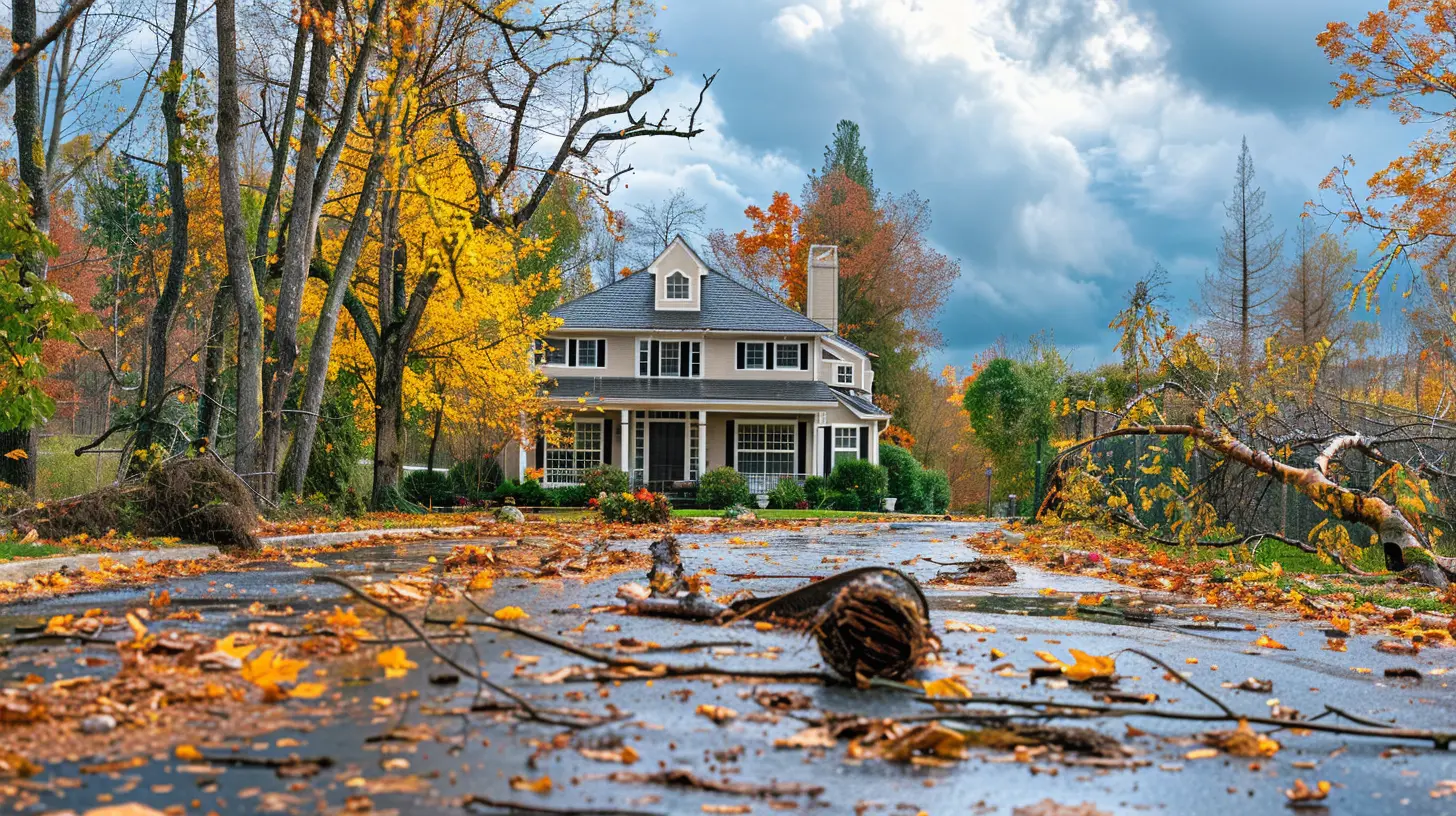
Common Homeowners Insurance Exclusions
1. Flood Damage
Think your homeowners insurance covers flooding? Think again. Standard policies do not cover flood damage. If a river overflows or a heavy rainstorm floods your basement, you’re on your own—unless you have separate flood insurance.If you live in a flood-prone area, consider purchasing coverage through the National Flood Insurance Program (NFIP) or a private insurer. Otherwise, repairing water damage can cost you thousands of dollars out of pocket.
2. Earthquakes and Ground Movements
If an earthquake cracks your foundation or shifts your home off its footing, your basic policy won’t cover the damage. The same goes for sinkholes, mudslides, and landslides.If you live in an area prone to seismic activity, you might want to look into earthquake insurance. Some states, like California, even offer separate policies through state-run programs.
3. Wear and Tear
Your insurance company isn’t in the business of maintaining your home. If your roof starts leaking due to age or your plumbing fails due to years of neglect, you can’t expect them to foot the bill.Routine maintenance and upkeep are your responsibility. If you don’t take care of your home, don’t expect a payout when things go wrong.
4. Mold and Pest Infestations
Mold, termites, bedbugs, and rodents—none of these are covered under a standard policy. Insurers consider these issues as preventable, meaning homeowners should take steps to avoid them in the first place.However, if damage from a covered peril (like a burst pipe) leads to mold growth, your insurer might help with the cleanup. But if mold forms due to humidity or neglect, you’re on your own.
5. Sewer and Drain Backups
Imagine waking up to find sewage backing up into your home—disgusting, right? Unfortunately, standard homeowners insurance won't cover the damage unless you purchase an add-on endorsement.Sewer backups can be caused by heavy rainfall, tree root intrusions, or aging pipes. To protect yourself, check if your insurer offers sewer backup coverage as an optional add-on.
6. Acts of War and Nuclear Accidents
If war breaks out or a nuclear disaster occurs, don’t expect your insurance to cover the damages. Insurers exclude these events because the risks are simply too high.While these exclusions aren’t an everyday concern, it’s still worth knowing that your policy won’t help in such extreme scenarios.
7. Business-Related Liabilities
If you run a business out of your home, your homeowners insurance won’t cover business-related losses. Say a client slips and falls in your home office—your personal liability coverage likely won’t apply.To stay protected, consider adding home-based business insurance or a commercial insurance policy.
8. Luxury Items and High-Value Belongings
Your policy will generally cover personal belongings, but there’s a limit. If you own expensive jewelry, fine art, or collectibles, your coverage may fall short.Most policies cap payouts for certain valuables, often between $1,000 and $2,500 per item. If you want full protection, you’ll need a rider or scheduled personal property endorsement for high-value possessions.
9. Dog Bites and Liability for Certain Breeds
Believe it or not, your furry friend could be excluded from coverage. Some insurers won’t cover liability claims if your dog bites someone, especially if it’s a breed they consider "high risk" (like Pit Bulls or Rottweilers).If you own a restricted breed, check with your insurer. You might need to purchase additional liability coverage to protect yourself from dog-related claims. 
What Can You Do About These Exclusions?
The good news? You’re not completely out of options. Here’s what you can do to ensure you’re fully protected:1. Review Your Policy Regularly: Read the fine print and ask your insurer about specific exclusions. Knowing what’s covered (and what’s not) will help you plan accordingly.
2. Consider Additional Coverage: If an exclusion concerns you, look into supplemental insurance. Whether it's flood, earthquake, or sewer backup coverage, adding extra protection can save you from financial headaches.
3. Maintain Your Home: Insurance won’t cover neglect or lack of maintenance. Keep up with routine inspections, repairs, and upkeep to avoid costly surprises.
4. Ask About Endorsements: Some insurers offer endorsements (policy add-ons) for things like mold damage, high-value items, or home-based businesses. These can bridge the coverage gap. 
Final Thoughts
Homeowners insurance is a must-have, but it’s not a catch-all safety net. Knowing what exclusions apply can help you make smart decisions about additional coverage and home maintenance.So, next time you review your policy, don’t just skim through it—dig into the details. Ask questions, explore options, and ensure you have the right coverage tailored to your needs. After all, the best time to understand your policy is before you need to file a claim.
all images in this post were generated using AI tools
Category:
Homeowners InsuranceAuthor:

Kingston Estes
Discussion
rate this article
2 comments
Georgia Sheppard
Understanding exclusions is key; don't let surprises rain on your home ownership parade when claims arise.
August 5, 2026 at 2:53 AM
Kingston Estes
Absolutely, knowing your exclusions can save you from unexpected issues later on. It's crucial for every homeowner to be informed.
Bailey Daniels
This article highlights crucial aspects of homeowners insurance exclusions, yet it could delve deeper into common misconceptions. Understanding these gaps is vital for homeowners to avoid surprises during claims. Clarity is key.
May 18, 2026 at 12:03 PM
Kingston Estes
Thank you for your feedback! I appreciate your point about misconceptions and will consider expanding on that in future updates. Clarity is indeed essential for homeowners.