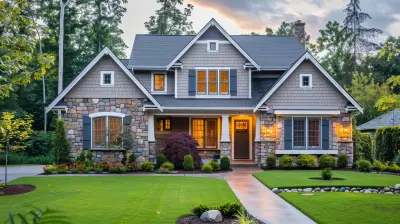
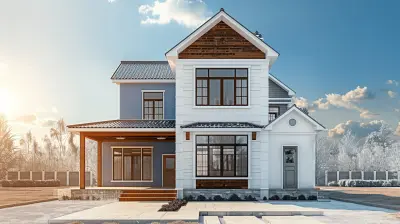
The Timeless Appeal of Craftsman-Style Historic Homes
7 February 2026
When you think about classic American homes, what comes to mind? Maybe a cozy bungalow with a broad front porch, tapered columns, and handcrafted woodwork. If that sounds familiar, you're probably picturing a Craftsman-style home. These timeless houses have been around for over a century, yet they still hold an irresistible charm that keeps homeowners and buyers enchanted.
But what exactly makes Craftsman homes so special? Why do they continue to capture the hearts of homeowners, architects, and real estate enthusiasts alike? Let’s dive into the history, characteristics, and undeniable appeal of these historic homes.
What Is a Craftsman-Style Home?
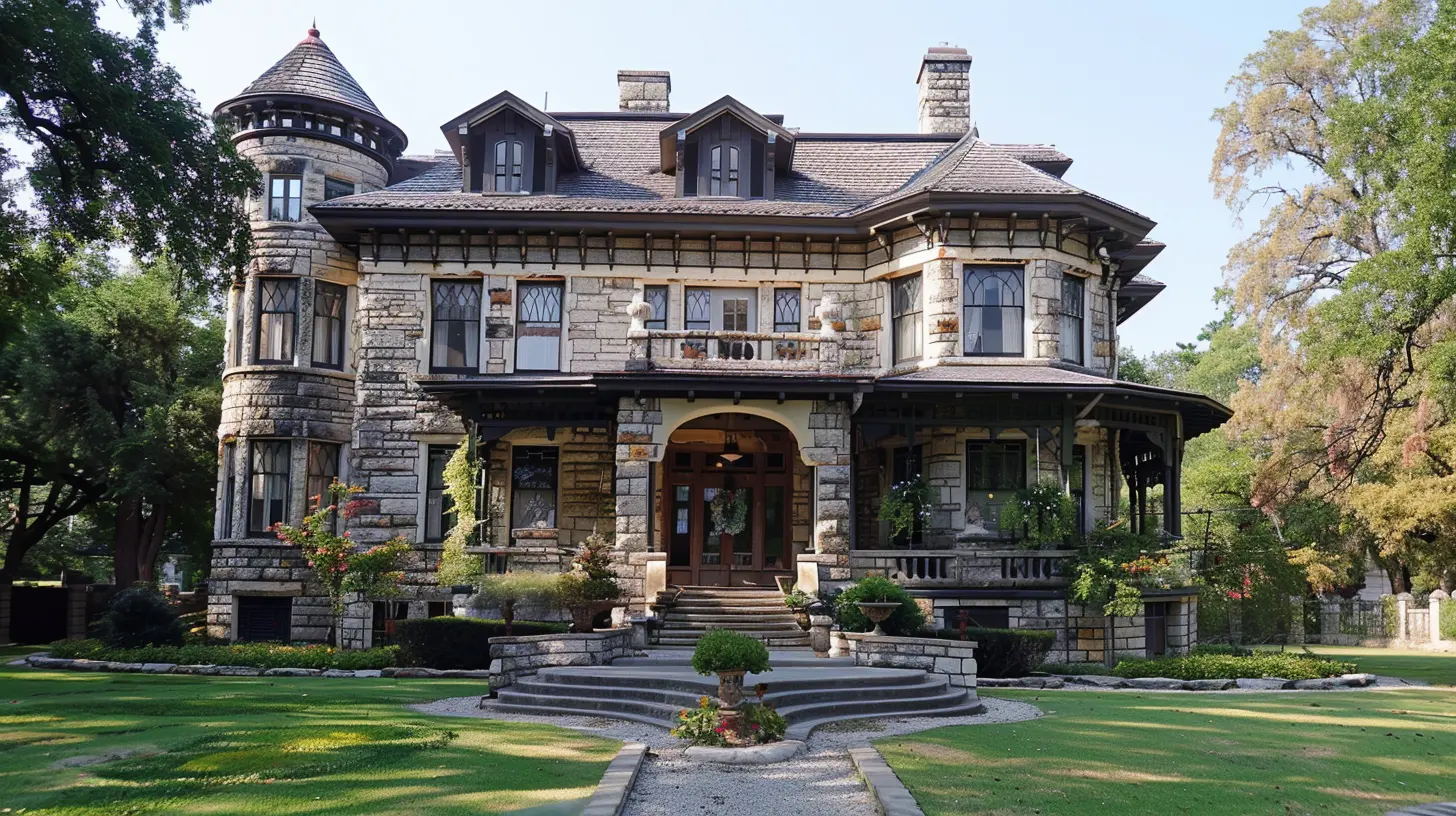
Craftsman-style homes originated in the early 20th century as part of the Arts and Crafts movement, which emphasized simplicity, natural materials, and fine craftsmanship. Unlike the overly ornate Victorian homes that came before them, Craftsman homes were designed to be both beautiful and functional—combining artistry with practicality.The style was popularized by American architect Gustav Stickley, whose designs heavily influenced the Craftsman movement. From the early 1900s through the 1930s, these homes became a staple in American neighborhoods, especially in cities like Seattle, Pasadena, and Chicago. Today, their classic design remains just as desirable, making them a treasured part of architectural history.
Key Features of Craftsman-Style Homes
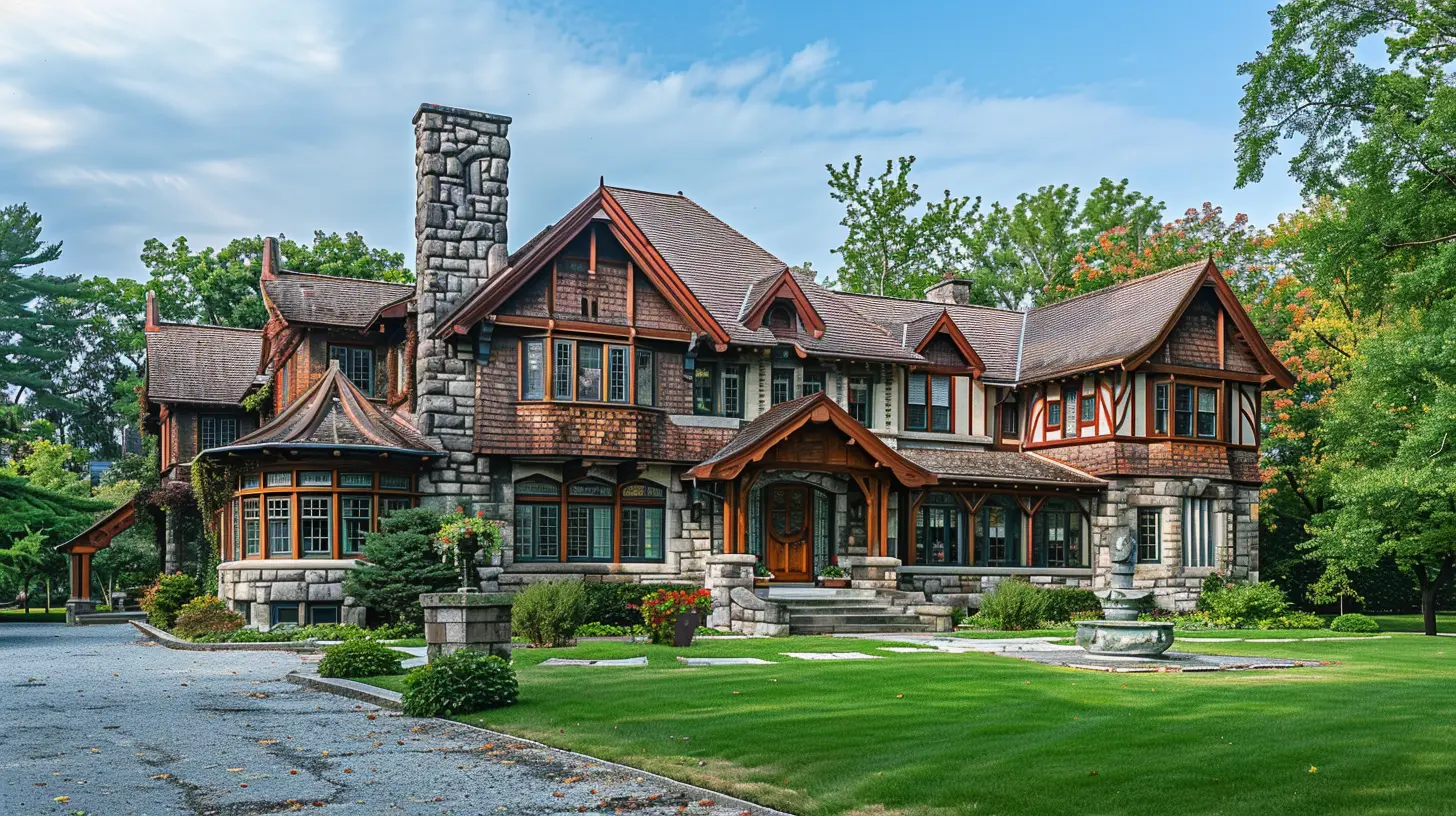
What sets a Craftsman home apart from other architectural styles? Here are some signature elements that define these charming dwellings:1. Low-Pitched Rooflines
Craftsman homes often feature low-pitched gabled roofs with wide eaves. These roofs not only contribute to the home’s distinctive look but also provide practical benefits, such as better shade and protection from the elements.2. Exposed Wooden Beams & Brackets
One of the most recognizable features of a Craftsman home is the exposed beams and decorative brackets on the exterior. These design elements showcase the craftsmanship that defines this architectural style.3. Covered Front Porches
A true Craftsman home isn’t complete without a welcoming front porch. These porches, usually supported by tapered columns or stone bases, create an inviting space to relax and enjoy the outdoors.4. Artisan Woodwork & Built-Ins
Craftsman homes celebrate handcrafted details, often featuring custom built-ins such as bookcases, window seats, and cabinetry. The use of rich wood tones and natural materials creates a warm, cozy atmosphere.5. Open Floor Plan with Natural Light
Though Craftsman homes can be compact, their open layouts maximize space and encourage a seamless flow between rooms. Large windows allow plenty of natural light, enhancing the inviting feel of the home.6. Fireplaces as a Focal Point
A traditional Craftsman home often centers around a cozy fireplace, typically with built-in shelving or cabinetry on either side. This feature creates a perfect gathering space for families and adds to the home's overall warmth.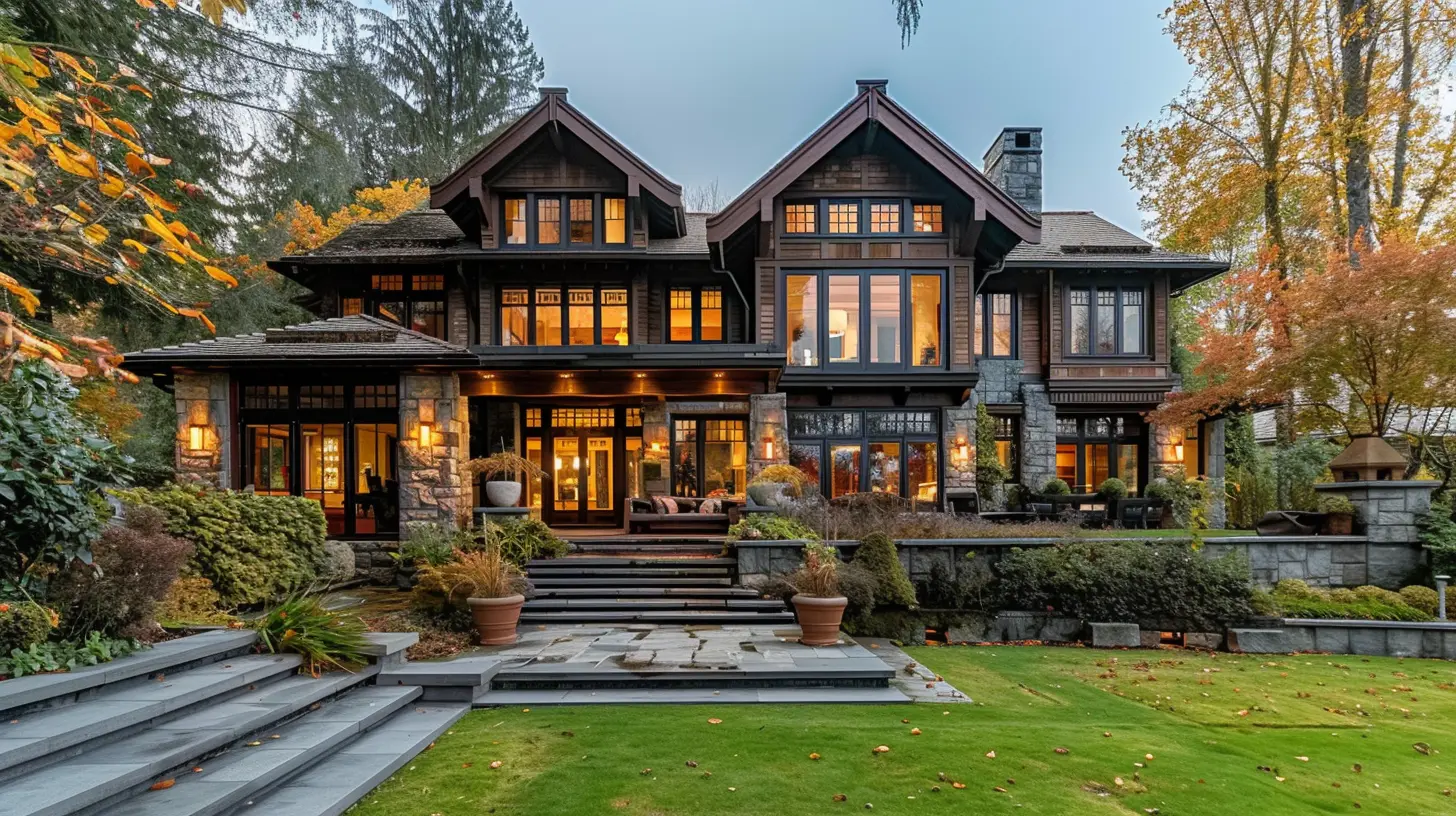
Why Craftsman-Style Homes Are Still in Demand
Even after a century, Craftsman homes remain one of the most sought-after architectural styles in real estate. But why do they continue to stand the test of time? Let’s break it down.1. Timeless Aesthetic
Some architectural styles fade in and out of popularity, but the Craftsman design never loses its appeal. The combination of natural materials, warm tones, and hand-crafted details gives these homes a classic, enduring look.2. Quality Craftsmanship
Unlike mass-produced homes of today, historic Craftsman houses were built with precision and care. The use of high-quality wood, sturdy construction, and intricate detailing ensures that many of these homes have remained in excellent condition for decades.3. Functional & Practical Layouts
Craftsman homes put an emphasis on usability. Their open floor plans, efficient use of space, and built-in storage create a home that’s both beautiful and highly functional—something modern homeowners appreciate.4. Strong Connection to Nature
With their use of natural materials like wood, stone, and brick, Craftsman homes have a warm, organic feel that blends seamlessly with their surroundings. Large windows and outdoor elements, such as porches and garden spaces, further strengthen this connection to nature.5. Charm That’s Hard to Replicate
There’s something about a Craftsman home that feels personal. From the hand-carved woodwork to the inviting porch, these homes exude a warmth and character that’s hard to replicate in modern construction.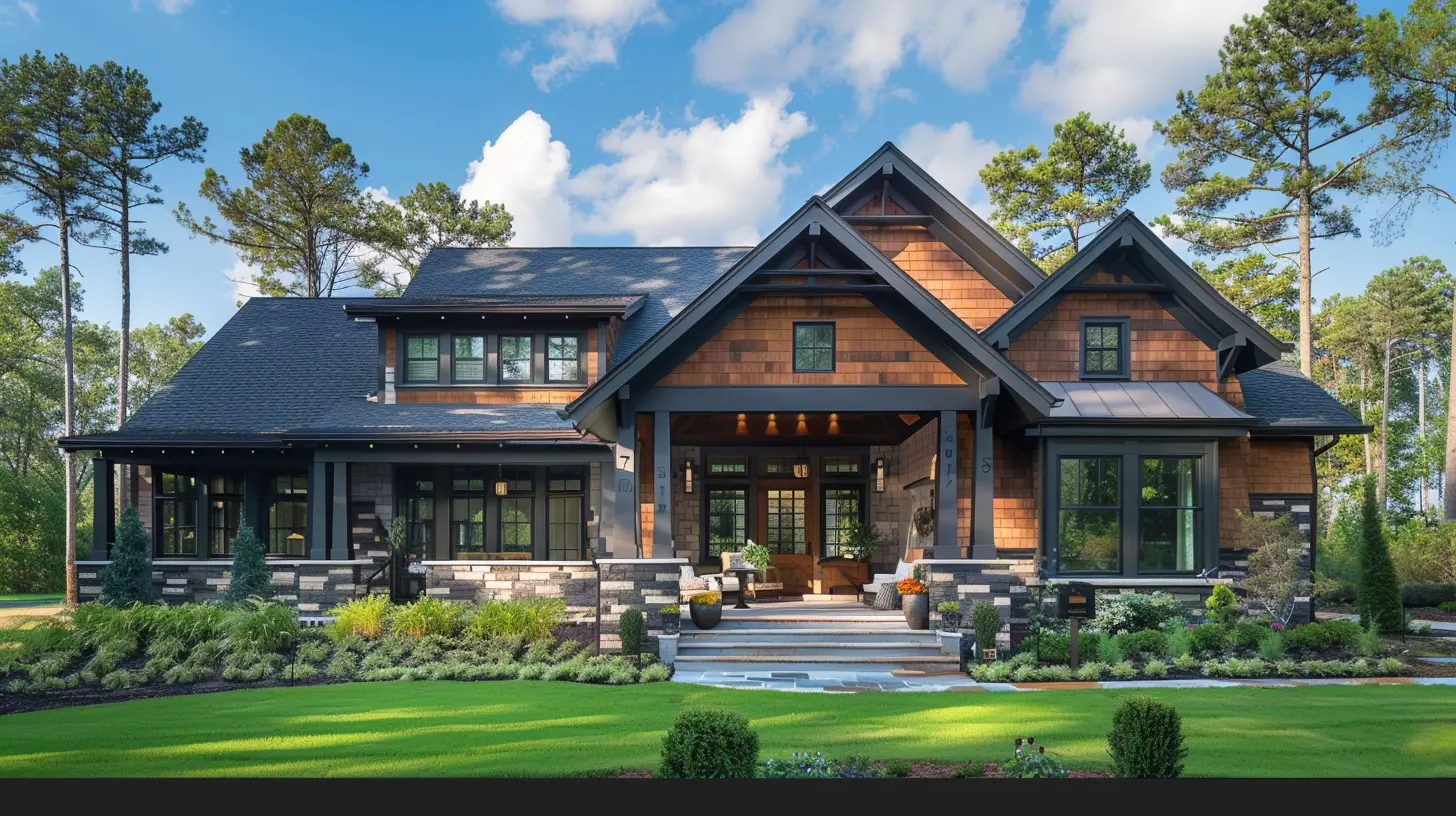
Things to Consider When Buying a Craftsman Home
Thinking about buying a historic Craftsman home? Here are a few things to keep in mind before making the investment:1. Maintenance & Upkeep
While the craftsmanship of these homes is top-notch, older houses naturally require ongoing maintenance. Be prepared to restore or replace original woodwork, roofs, or windows over time.2. Preservation vs. Modernization
If you’re purchasing a Craftsman home, you may face the challenge of balancing historical preservation with modern updates. Many homeowners choose to restore original features while incorporating contemporary conveniences like updated kitchens and bathrooms.3. Energy Efficiency
Historic homes weren’t built with energy efficiency in mind. If insulation, windows, or HVAC systems haven’t been updated, you might need to invest in improvements to make your home more energy-efficient.4. Insurance & Property Value
Since Craftsman homes are historic, they may come with unique insurance requirements. However, their timeless appeal often translates to strong property value, making them a worthwhile investment.How to Enhance a Craftsman Home’s Charm
Already own a Craftsman home? Want to enhance its classic beauty while keeping its original charm intact? Here are some ideas:- Restore Original Woodwork – If your home has built-in bookshelves, cabinets, or trim, a fresh stain or polish can bring out the natural beauty of the wood.
- Upgrade Lighting Fixtures – Craftsman homes look stunning with vintage-inspired pendant lights or Tiffany-style stained glass fixtures.
- Accent with Earthy Tones – Stick to warm, earthy colors like deep greens, burnt oranges, and rich browns to complement the original aesthetic.
- Refinish Hardwood Floors – Many Craftsman homes feature original hardwood flooring. Refinishing or polishing them can make a big difference in preserving their charm.
- Landscaping That Complements the Architecture – Use native plants, stone pathways, and wooden trellises to create an outdoor space that matches the home’s natural, handcrafted feel.
Final Thoughts
Craftsman-style historic homes are more than just houses—they’re a testament to fine craftsmanship and timeless design. Whether you’re looking to buy one, restore an existing property, or simply admire their beauty, it’s easy to see why these homes have remained so beloved for over a century.With their warm, inviting spaces, handcrafted details, and sturdy construction, Craftsman homes offer a perfect blend of aesthetics and functionality. And in an era of mass-produced housing, their individuality and character stand out even more.
So, if you ever find yourself drawn to the charm of a Craftsman home, just know—you’re not alone. Their appeal is truly timeless.
all images in this post were generated using AI tools
Category:
Historic HomesAuthor:

Kingston Estes
Discussion
rate this article
2 comments
Eli Wilkerson
Craftsman-style homes blend artistry with functionality, offering a unique charm. However, their preservation requires balance between modern needs and historical integrity.
February 26, 2026 at 3:51 AM
Kingston Estes
Thank you for your insightful comment! Balancing modern functionality with the historic charm of Craftsman-style homes is indeed essential to their preservation.
Emily Weber
Great article! Craftsman-style homes truly embody charm and craftsmanship. Their timeless design not only enhances aesthetic appeal but also offers a deep connection to history. Perfect for anyone seeking character in modern living spaces!
February 8, 2026 at 5:29 AM
Kingston Estes
Thank you! I'm glad you enjoyed the article and appreciate the charm and history that Craftsman-style homes bring to modern living.