Exploring the Rich History Behind Charleston’s Oldest Homes
27 September 2026
Charleston, South Carolina, is a city brimming with Southern charm, cobblestone streets, and a deep-rooted history that stretches back centuries. But what truly sets Charleston apart is its collection of breathtaking historic homes—living testaments to the city's storied past. From pastel-colored mansions lining The Battery to the secret gardens tucked behind wrought iron gates, Charleston's architecture tells tales of resilience, elegance, and transformation.
If you've ever strolled through the city's historic districts, you know there's a sense of magic in the air. But have you ever wondered about the stories these homes hold? Let's take a journey through time and explore the fascinating history behind Charleston's oldest residences.
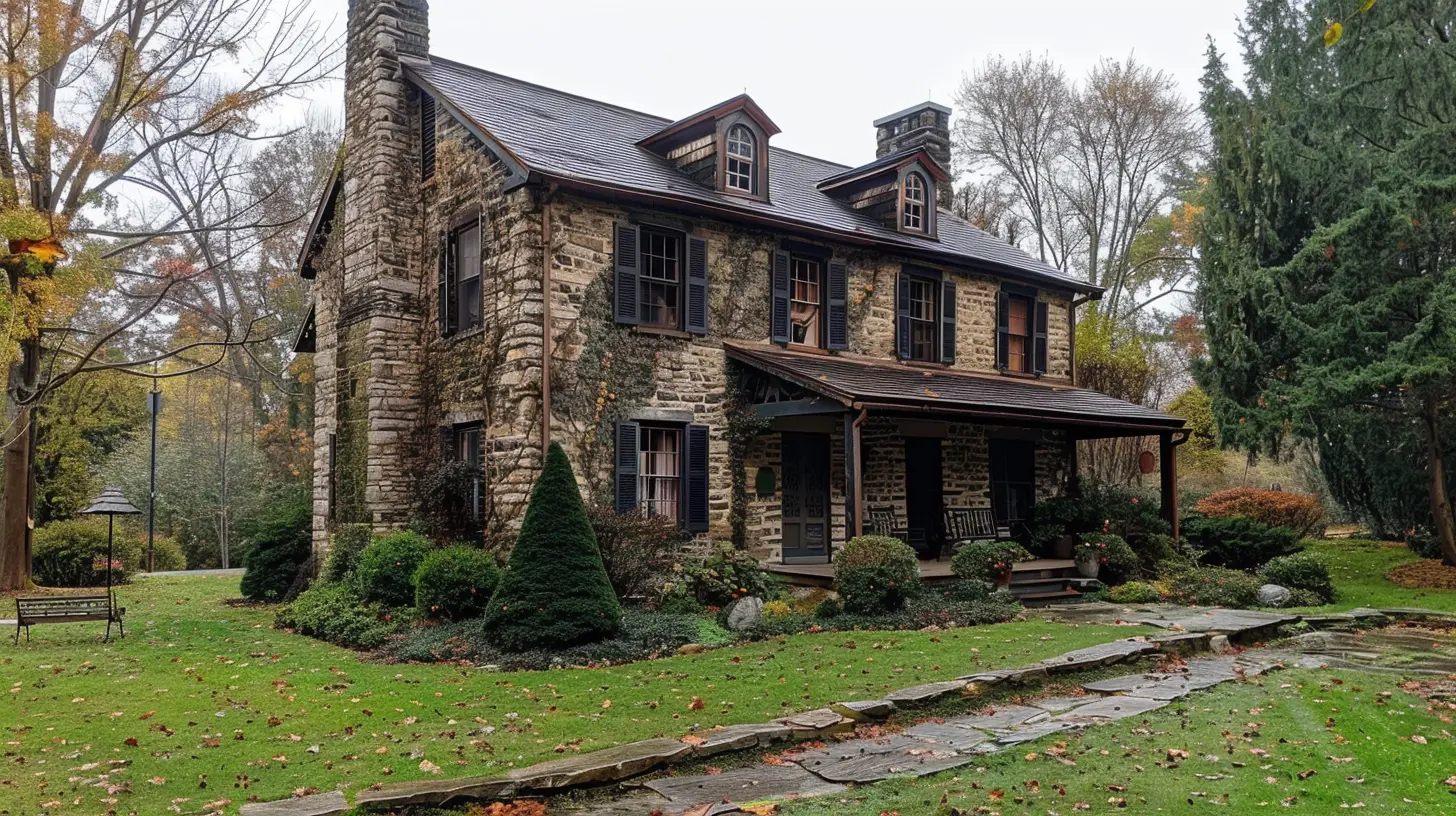
Charleston’s Architectural Legacy
To appreciate Charleston’s oldest homes, you need to understand the architectural influences that shaped them. The city has been a melting pot of styles, each era leaving its mark.The Colonial Era (1680-1770)
Charleston was founded in 1670, and by the early 18th century, its prominence as a major port city was growing rapidly. The houses from this period reflect practicality and resilience, built with locally sourced materials like cypress wood and brick.One of the best examples is the Pink House, one of Charleston’s oldest buildings, dating back to the early 1700s. Originally a tavern for sailors, this tiny Bermuda stone structure stands as a reminder of Charleston’s early days.
The Georgian Influence (1714-1830)
As Charleston flourished, so did its architecture. The Georgian style, known for its symmetrical design and grand entrances, became a hallmark of the city’s growth. These homes often featured brick facades and high ceilings to keep interiors cool in the humid Southern summers.A prime example is the Nathaniel Russell House, built in 1808. Its breathtaking spiral staircase and intricate plasterwork showcase the craftsmanship of the era.
The Rise of the Charleston Single House
If you've ever walked through the city, you've probably noticed the iconic Charleston Single House—a narrow, one-room-wide home with a long side porch (also known as a piazza). This design wasn’t just for aesthetics; it was practical. The long side of the house typically faced the breeze, allowing for better ventilation during the sweltering summers.These homes became a defining feature of Charleston and remain some of the most sought-after properties in the city.
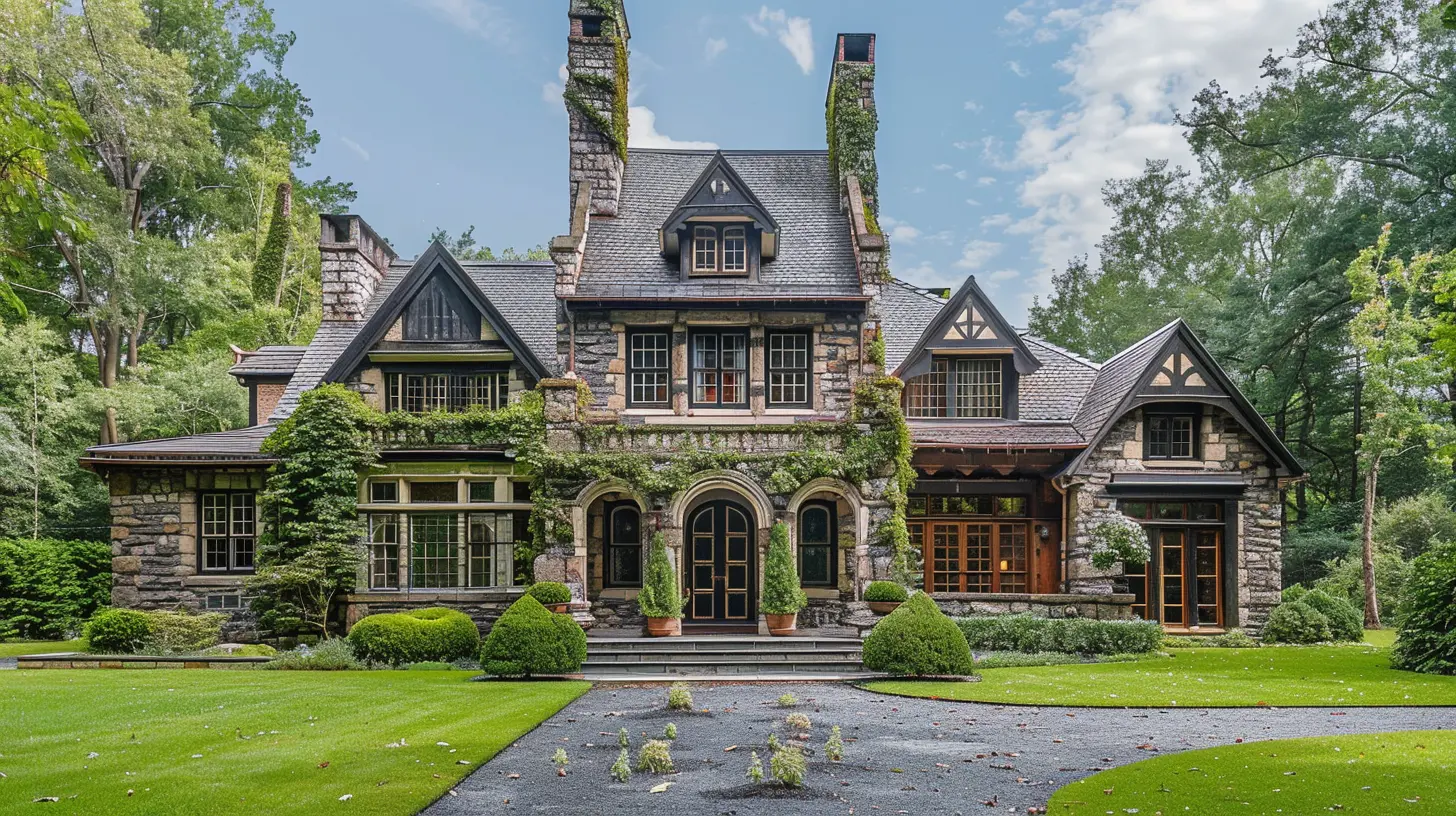
Homes That Have Stood the Test of Time
Let’s take a closer look at some of Charleston’s most historic homes, each with its own fascinating backstory.The Aiken-Rhett House (1820)
This grand residence is a time capsule of Charleston’s antebellum era. Unlike other restored homes, the Aiken-Rhett House has been preserved in much of its original condition. Walking through its grand halls feels like stepping into the past, with faded wallpaper and antique furnishings whispering stories of Charleston’s elite.The Edmondston-Alston House (1825)
Perched along The Battery, this home offers sweeping views of the Charleston Harbor. It’s famous for witnessing the Civil War’s first shots—Confederate General P.G.T. Beauregard watched the attack on Fort Sumter from its piazza. Today, visitors can tour the house and experience its rich history firsthand.The Heyward-Washington House (1772)
One of Charleston’s most historically significant homes, this Georgian-style residence was once home to Thomas Heyward Jr., one of the signers of the Declaration of Independence. As the name suggests, George Washington himself stayed here during his visit to Charleston in 1791.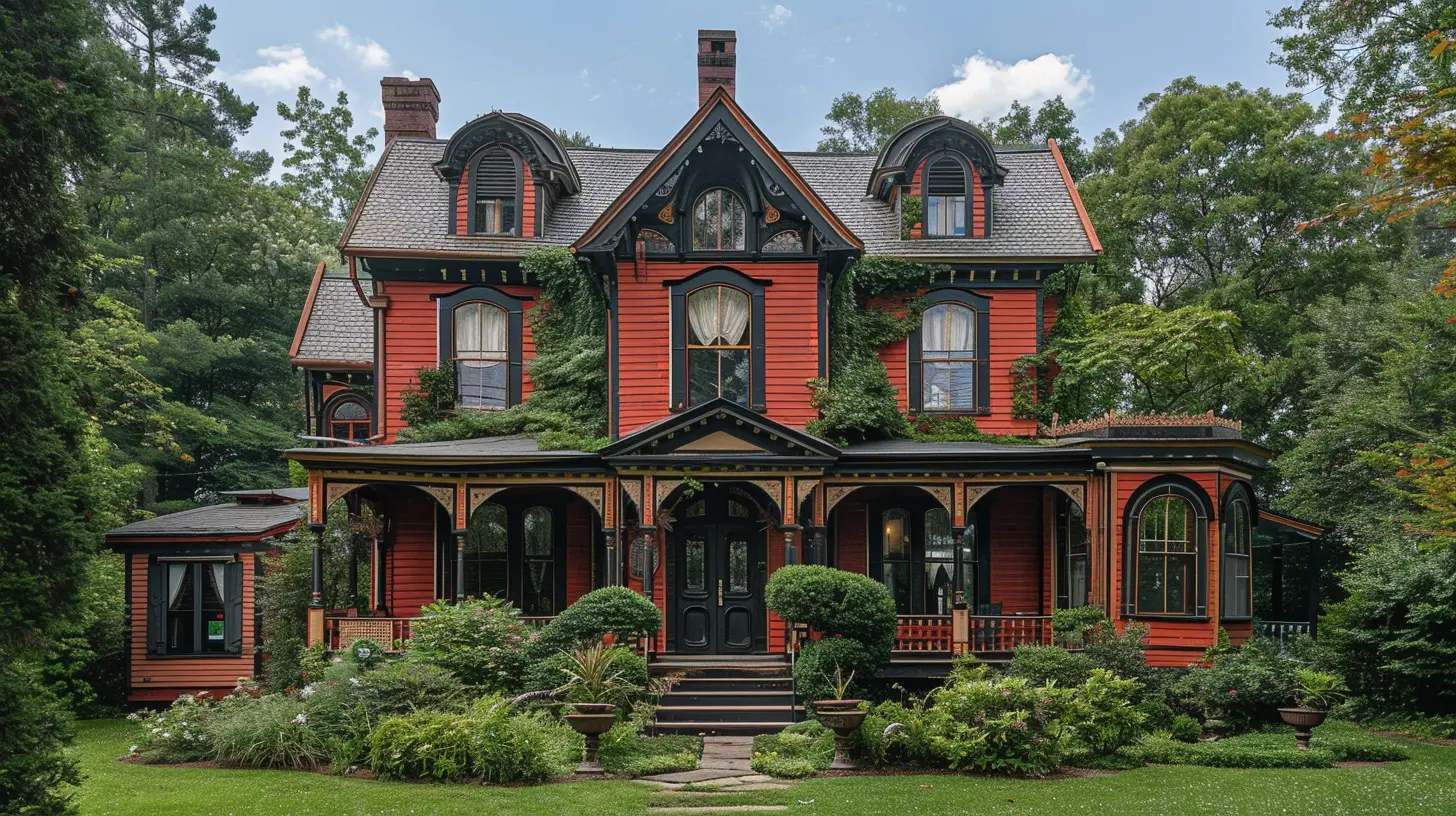
Hidden Features and Stories Behind the Walls
Charleston’s historic homes aren’t just visually stunning—they’re filled with fascinating details and architectural quirks.The Earthquake Bolts
If you look closely at many older buildings in Charleston, you’ll notice large metal plates on their walls. These aren’t just decorative—they’re earthquake bolts, installed after the devastating 1886 earthquake to reinforce the structures.Secret Gardens and Courtyards
One of Charleston’s most charming secrets lies behind the homes. Many historic properties feature hidden courtyards and lush gardens, often enclosed by ivy-covered brick walls. These private retreats were designed for both beauty and function, offering shade and a peaceful escape from the bustling streets.The Importance of Piazzas
Charleston’s love affair with piazzas (porches) dates back centuries. More than just a place to relax, these porches served as a way to escape the heat, entertain guests, and, in some cases, even hold important political discussions. The tradition of "porch sitting" is still very much alive in Charleston today.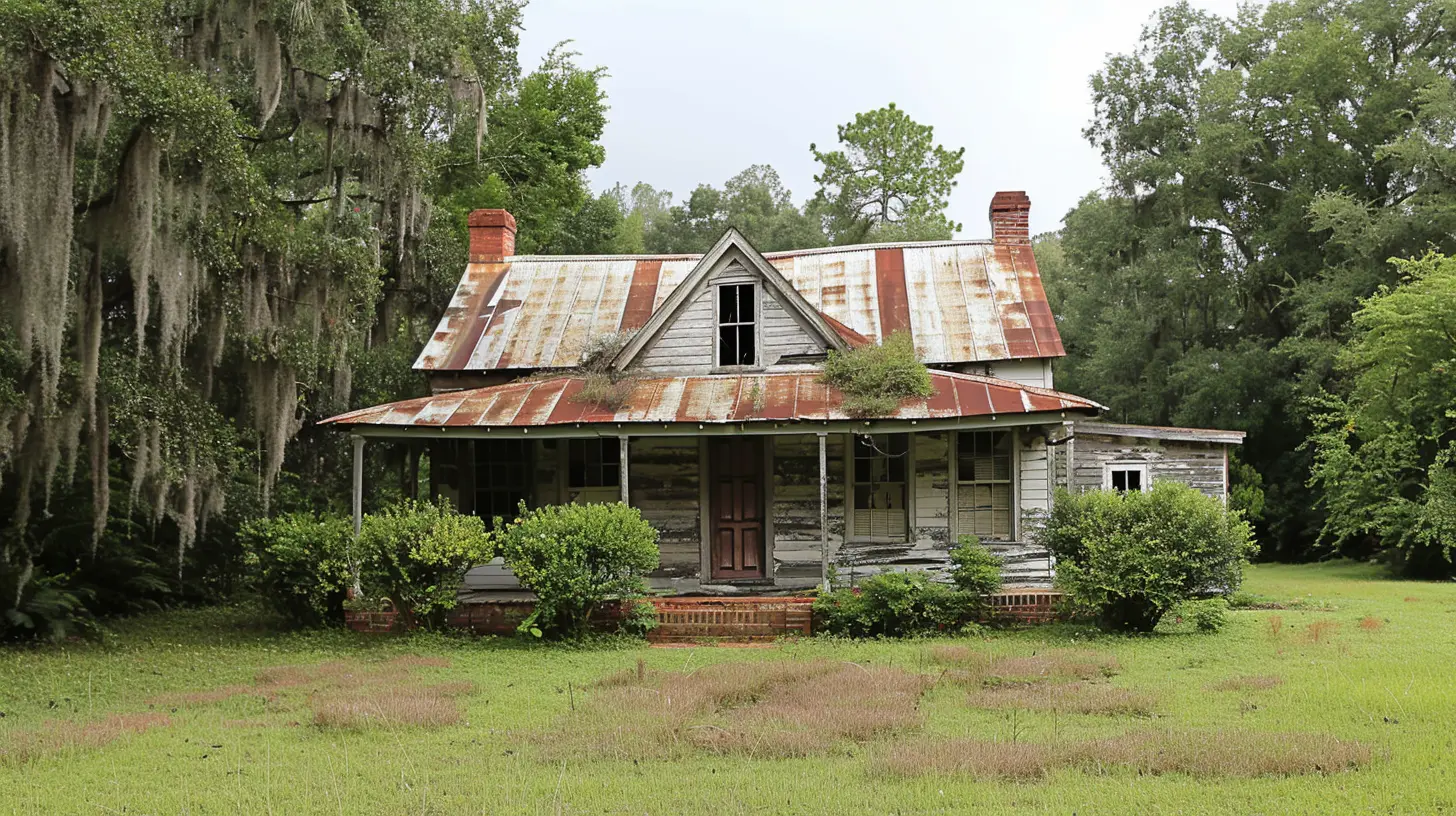
Preserving Charleston’s Historic Homes
Charleston takes immense pride in preserving its architectural treasures. Thanks to organizations like the Historic Charleston Foundation, many of these homes have been meticulously restored and maintained for future generations. The city has some of the strictest preservation laws in the country, ensuring that its rich history remains intact.For homeowners lucky enough to own a piece of Charleston’s past, restoration is both a privilege and a responsibility. Maintaining an old home requires delicate care—everything from sourcing original materials to navigating strict building codes. But for those who do, they’re not just preserving a house; they’re keeping history alive.
Why Charleston’s Historic Homes Still Captivate Us
What is it about Charleston’s historic homes that continues to draw people in? Maybe it’s the romance of the past, the feeling of walking in the footsteps of history, or simply the undeniable beauty of these architectural gems.Owning or visiting one of Charleston’s oldest homes feels like a portal to another time. You can almost hear the echoes of horse-drawn carriages, the laughter spilling from grand parlors, and the whispers of stories waiting to be told.
Simply put, these homes aren’t just old buildings—they’re pieces of Charleston’s soul.
Final Thoughts
Charleston’s oldest homes are more than just beautiful structures; they are living, breathing fragments of history. Each home has a story, a soul, and a significance that goes beyond bricks and mortar.So, whether you're a history lover, an architecture enthusiast, or simply someone who appreciates timeless beauty, Charleston's historic homes will always have something to offer. Next time you find yourself wandering these charming streets, take a moment to pause, look around, and imagine the lives that once unfolded behind those grand facades.
Because in Charleston, history isn’t just preserved—it’s celebrated.
all images in this post were generated using AI tools
Category:
Historic HomesAuthor:

Kingston Estes