Colonial and Federal-Style Homes: A Walk Through Early American Architecture
14 July 2026
When we think of classic American homes, a few images come to mind—columns, symmetrical facades, brick chimneys, and elegant yet simple detailing. Colonial and Federal-style homes have been a staple of early American architecture, reflecting the history, culture, and craftsmanship of the time. But what makes these architectural styles unique? Let's take a deep dive into the beauty of these historic homes and uncover their lasting charm.
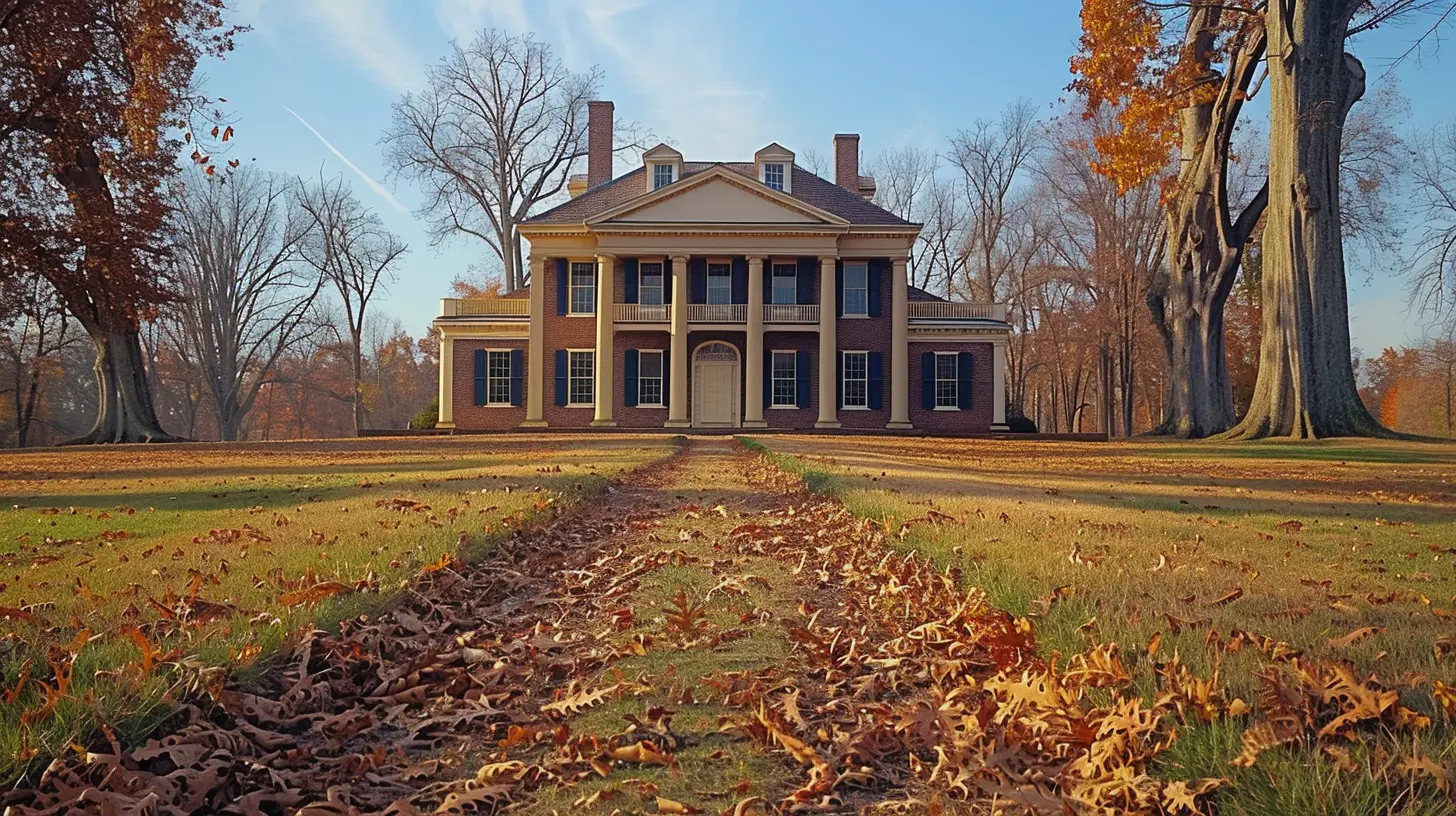
The Roots of Colonial Architecture
Colonial architecture dates back to the early 1600s when European settlers brought their building traditions to America. These homes were practical, sturdy, and designed to withstand the harsh New World environment. Because different settlers brought unique styles, colonial homes varied by region. However, they all shared a few common traits:Key Features of Colonial Homes
- Symmetry and Simplicity – Most colonial homes have a rectangular, symmetrical design with a central front door and evenly spaced windows.- Gabled Roofs – These steeply pitched roofs help with snow and rain runoff, making them perfect for colder climates.
- Brick or Wood Exteriors – Depending on the region, colonial homes were built with either wood (New England) or brick (Southern colonies).
- Multi-Pane Windows – Small-paned windows with shutters were common, adding both function and charm.
- Chimneys – Many colonial houses featured large, centrally located chimneys to heat multiple rooms efficiently.
Types of Colonial Homes
Colonial homes varied based on the settlers' origins. Some of the most notable styles include:1. English Colonial
New England settlers built simple, boxy homes with steep roofs and central chimneys. These homes focused on practicality with minimal ornamentation.2. Dutch Colonial
Recognized by their distinctive gambrel roofs (think of a barn-style roof), Dutch Colonial homes often featured wide eaves and stone or brick exteriors.3. French Colonial
Popular in Louisiana, these homes had raised foundations to protect against flooding and often included wraparound porches with tall, narrow windows.4. Spanish Colonial
Seen in the Southwest, Spanish Colonial homes were built with adobe or stone, featuring thick walls, red tile roofs, and arched doorways.Colonial homes were more about function than flair. However, as America grew, architecture evolved—and that’s where the Federal style comes into play.
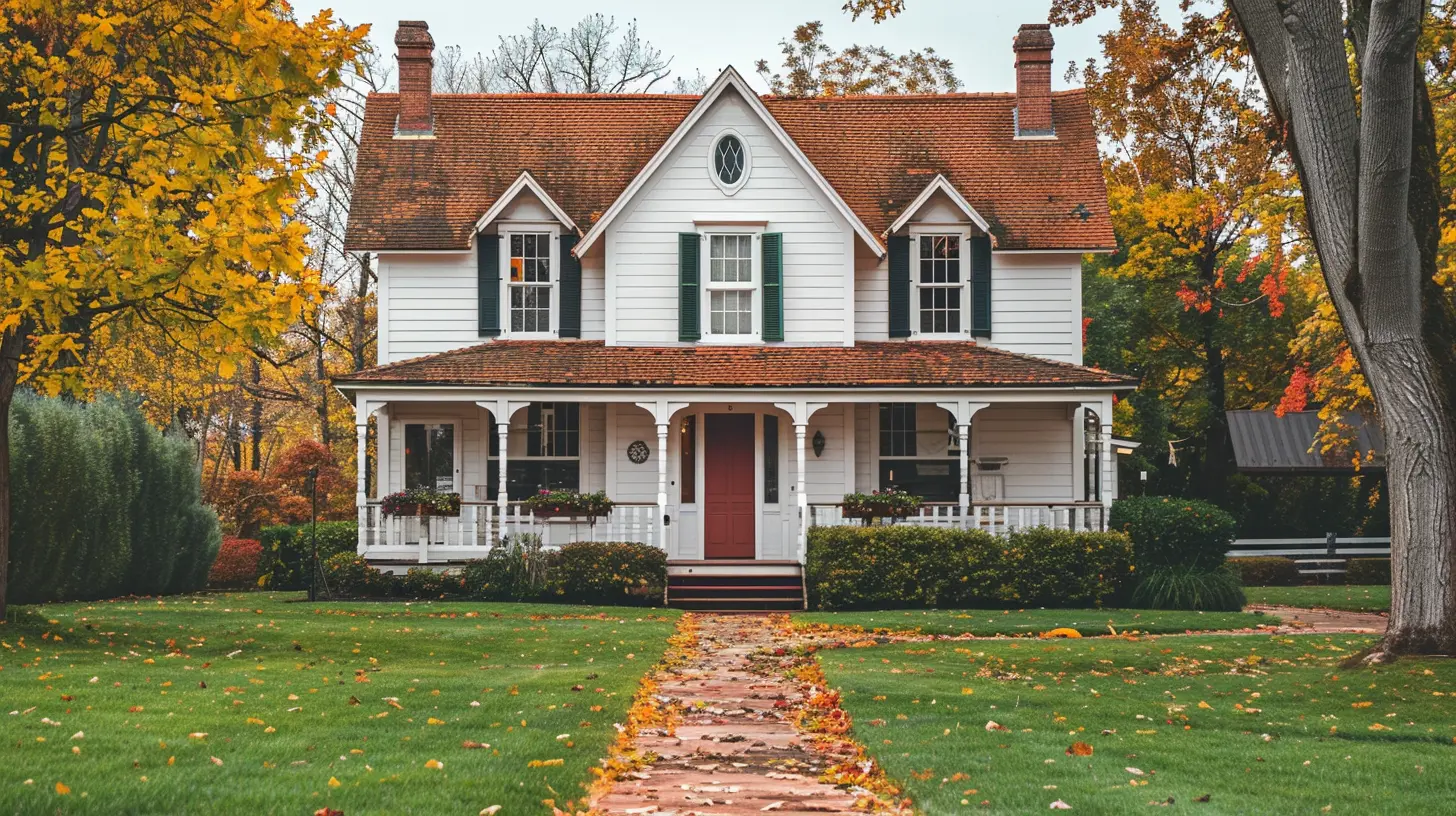
The Rise of Federal-Style Homes
By the late 1700s, America had gained independence, and architecture reflected this newfound identity. The Federal style (also called Adam style) emerged as a refined version of colonial architecture, influenced by classical European design and symmetry.What Defines a Federal-Style Home?
- Elegant Symmetry – Like colonial homes, Federal homes are symmetrical—but with more refined, decorative elements.- Curved Elements – Rounded windows, fanlights above doors, and curved staircases became popular.
- Brick Exteriors – Many Federal-style homes embraced red brick facades with white trim for contrast.
- Ornamental Details – Unlike the no-frills colonial homes, Federal homes often showcased decorative moldings, cornices, and window pediments.
Interiors That Spoke of Refinement
Federal-style homes weren’t just about curb appeal—they shined inside as well. Interiors featured high ceilings, intricate plasterwork, and elegant fireplaces. Rooms were often arranged around a central hallway, enhancing flow and symmetry.Federal vs. Colonial Homes: The Key Differences
At first glance, Federal and Colonial homes look similar, but there are key distinctions:| Feature | Colonial Style | Federal Style |
|----------------------|---------------|--------------|
| Symmetry | Yes | Yes |
| Roof Design | Steep, gabled | Low-pitched |
| Exterior Material | Wood/Brick | Mostly Brick |
| Windows | Simple, multi-pane | Rounded, decorative details |
| Ornamentation | Minimal | More refined decoration |
Federal-style homes exude a sense of sophistication that colonial homes lack. They reflect America’s transition from survival mode to a more cultured and refined society.
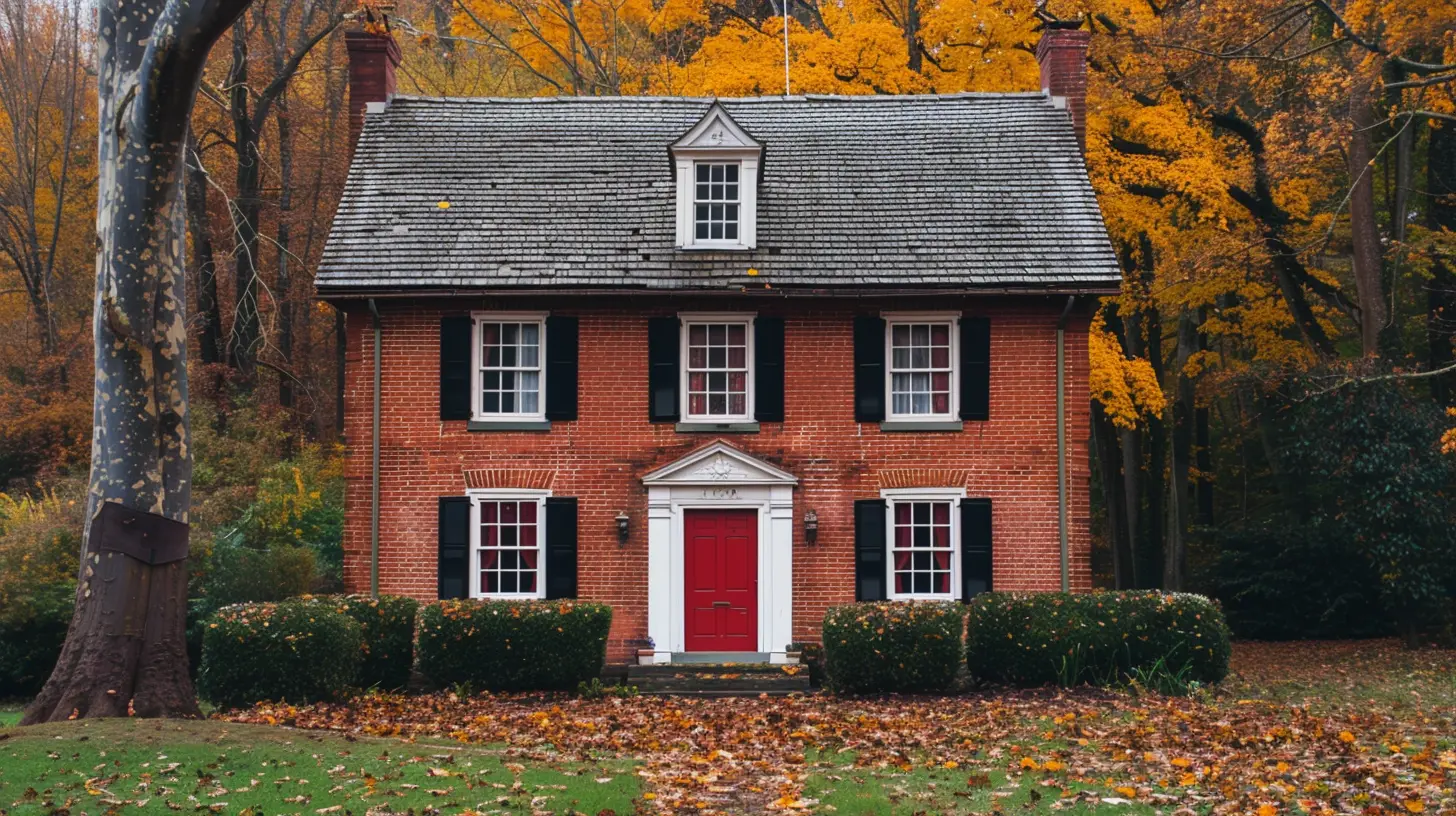
Preserving These Historic Homes
Owning a Colonial or Federal-style home today is like holding a piece of history in your hands. But with age comes responsibility. So how can homeowners preserve these architectural gems?1. Maintain Authentic Materials
If your home has original wood siding, brickwork, or flooring, it’s best to restore rather than replace them. Modern substitutes rarely capture the same craftsmanship.2. Update Without Losing Character
Modern amenities can be added while preserving historical charm. For example, energy-efficient windows can be retrofitted without altering the home’s original design.3. Respect the Original Floor Plan
Open-concept designs are popular today, but these homes were built with intentional room divisions. Instead of knocking down walls, work with the layout to maintain historical integrity.4. Use Traditional Paint Colors
Both Colonial and Federal homes originally featured muted, earthy tones. When repainting, consider historically accurate shades like soft whites, blues, and deep reds.5. Consult Preservation Experts
If your home is historically significant, working with an architect or preservationist ensures any renovations align with the home’s original design.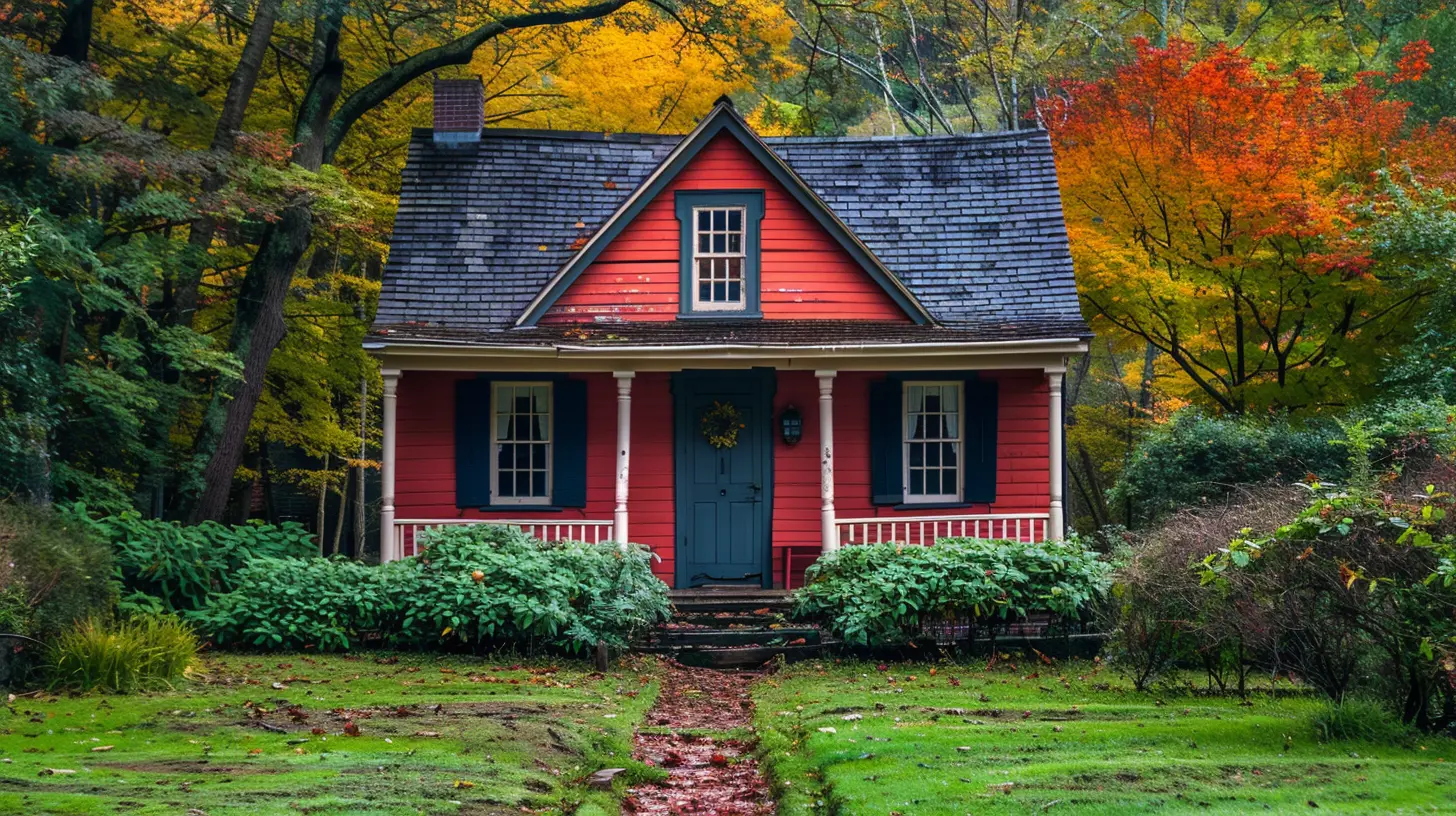
The Lasting Appeal of Colonial and Federal Homes
Why do these styles remain so beloved centuries later? Simply put, they exude timeless beauty. Their symmetrical designs, sturdy craftsmanship, and historical charm make them highly desirable even in modern neighborhoods.Today, you’ll find Colonial and Federal-style homes across the U.S., from the tree-lined streets of Boston to the historic districts of Charleston. Their classic appeal allows them to blend seamlessly into both old and new surroundings, making them a worthy investment for homeowners who appreciate history and craftsmanship.
Final Thoughts
Colonial and Federal-style homes are more than just architectural styles; they are living pieces of history. While Colonial homes reflect America’s early struggles and practical beginnings, Federal homes represent refinement and national pride. Whether you’re lucky enough to own one or simply admire their timeless elegance, there’s no denying their place in the story of American architecture.all images in this post were generated using AI tools
Category:
Historic HomesAuthor:

Kingston Estes
Discussion
rate this article
1 comments
Ariana Potter
Exploring Colonial and Federal homes reveals the rich tapestry of early American values and aspirations in architecture.
July 20, 2026 at 5:00 AM
Kingston Estes
Absolutely! These homes truly reflect the ideals and ambitions of their time, showcasing a unique blend of functionality and beauty.