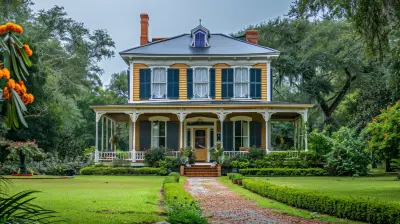
Architectural Styles Through the Ages: A Glimpse into Historic Homes
20 July 2026
Architecture is more than just walls and roofs—it’s a living testament to history, culture, and innovation. From grand castles to charming cottages, homes have evolved over centuries, reflecting the needs, aspirations, and artistry of their time. Whether you're an architecture enthusiast or someone who just appreciates a beautiful home, understanding historic architectural styles gives you a deeper appreciation of where we’ve come from and where we're headed.
So, let's take a walk through time and explore some of the most iconic architectural styles that have shaped the way we live today. 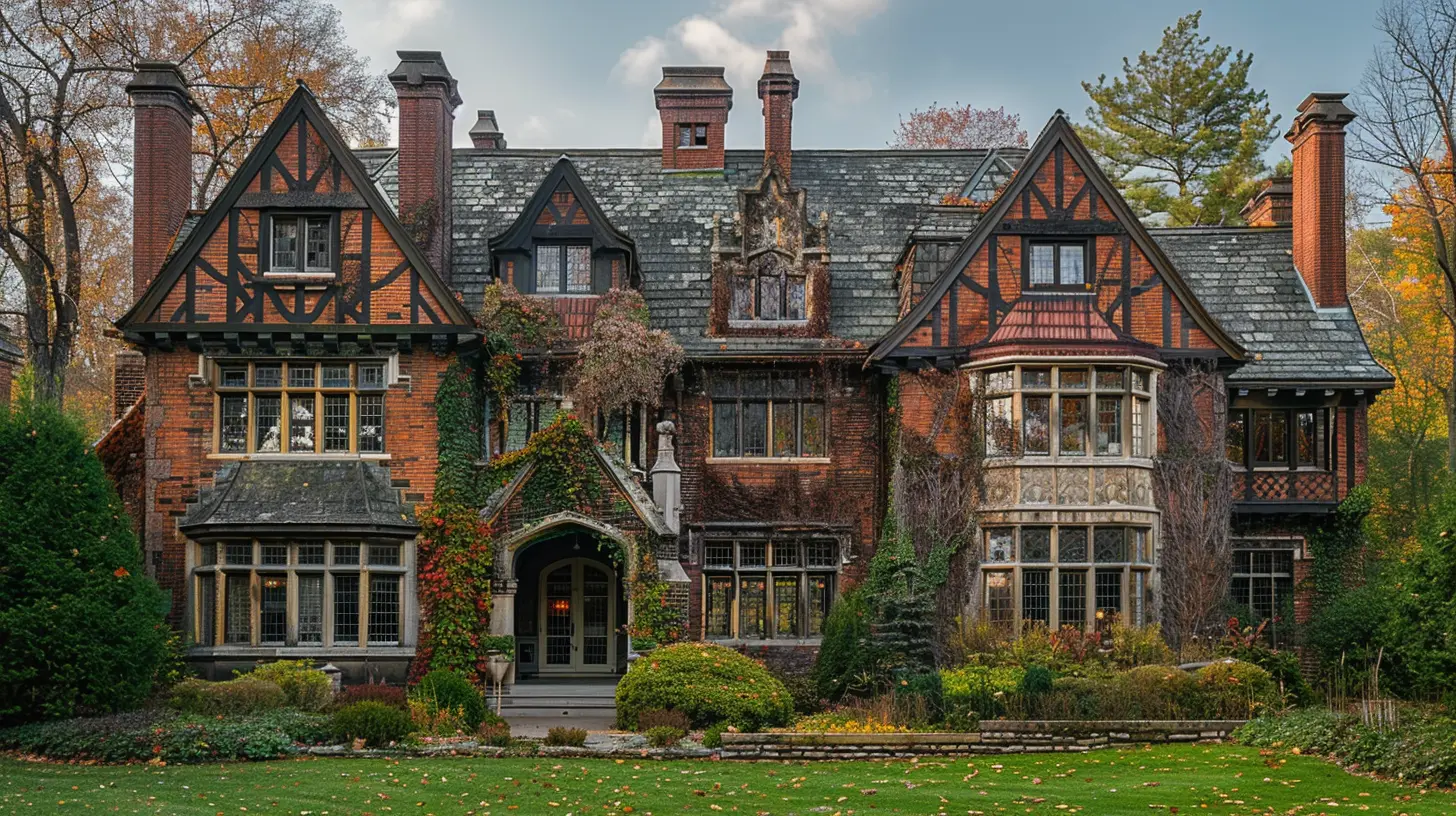
Ancient Architecture: The Birth of Home Design
Long before modern homes, ancient civilizations were crafting dwellings that not only provided shelter but also stood as a symbol of power and culture.Egyptian Architecture (c. 3000 BCE – 200 CE)
The Egyptians were pioneers in grand, imposing structures. Think massive stone walls, towering columns, and intricate carvings. While homes were often made of mud bricks, the wealthy adorned their residences with courtyards, colorful murals, and columns inspired by lotus and papyrus plants.Greek and Roman Architecture (c. 1200 BCE – 476 CE)
When you think of Greek and Roman buildings, what comes to mind? Probably those breathtaking marble columns and expansive courtyards. Greek homes were simple and structured around open courtyards, while Romans took it up a notch with grand villas featuring mosaic floors, frescoed walls, and elaborate columns. The symmetry and balance of their designs still influence architecture today.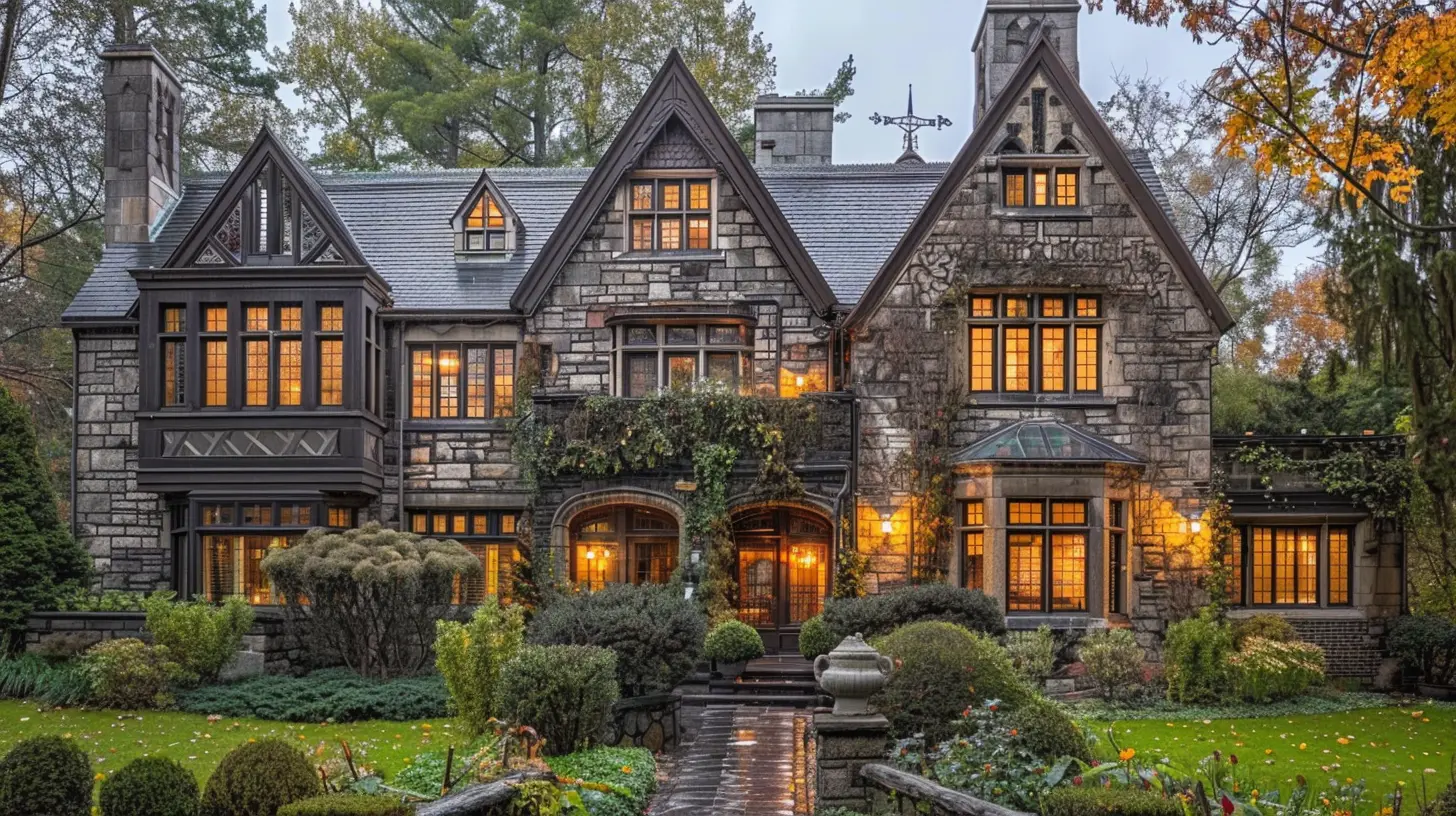
Medieval Splendor: Castles and Cottages
The Middle Ages brought about a blend of practicality and grandeur. Architecture during this time ranged from fortified castles to quaint village homes.Romanesque Architecture (c. 900 – 1200 CE)
Romanesque homes and structures were all about strength. Thick stone walls, small arched windows, and barrel-vaulted ceilings were common to keep invaders out and warmth in. These homes were built to last, emphasizing security over aesthetics.Gothic Architecture (c. 1100 – 1500 CE)
Ever walked into an old church with towering spires, stained glass windows, and pointed arches? That’s Gothic architecture for you. While cathedrals defined this style, wealthy homeowners also built mansions with large windows, ribbed vaults, and soaring ceilings, making them feel both grand and ethereal.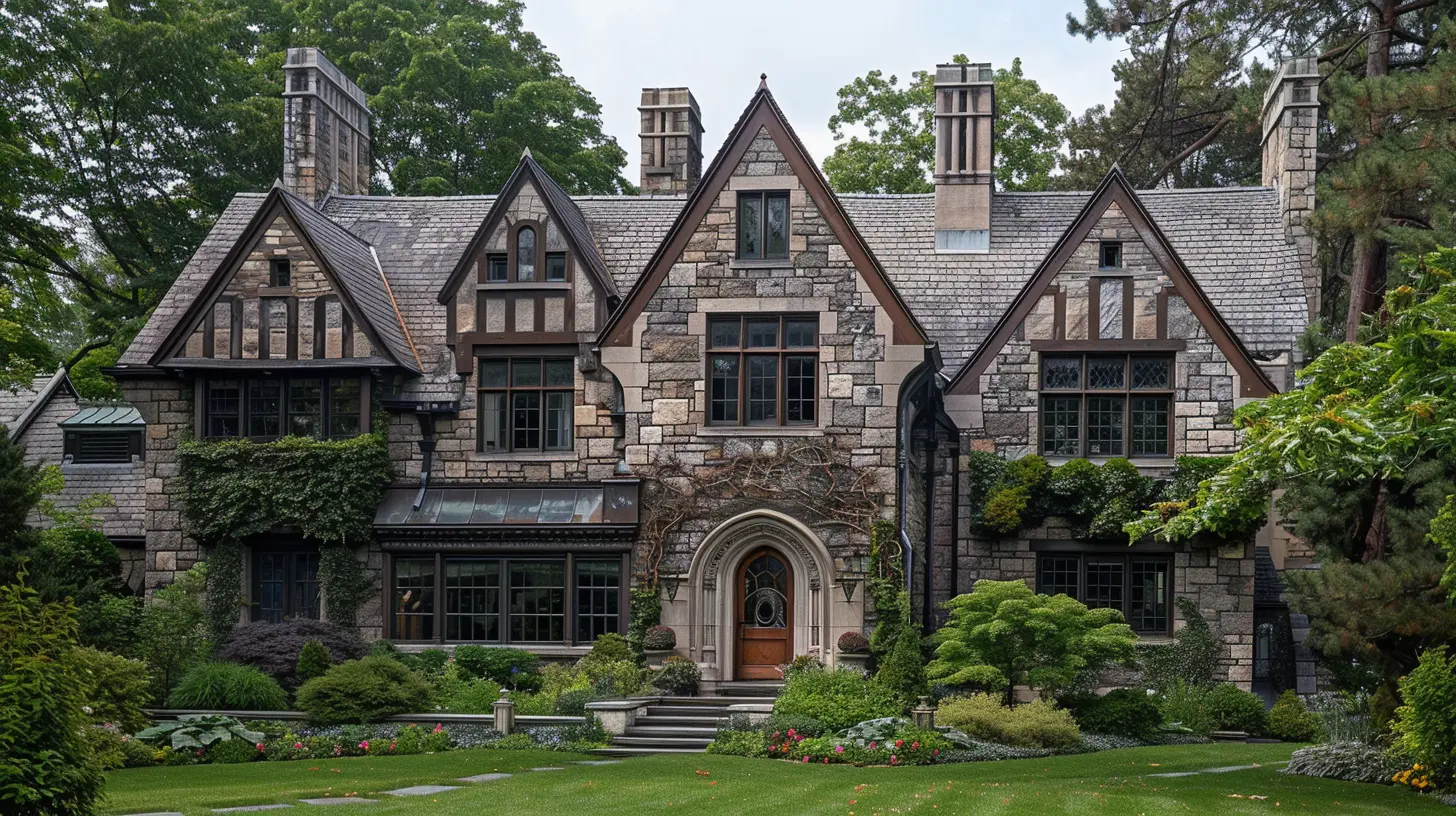
The Renaissance and Baroque Extravagance
The Renaissance was a time of rebirth—of art, culture, and of course, architecture. This period saw the return of classical styles but with added elegance and detail.Renaissance Architecture (c. 1400 – 1600 CE)
Inspired by Greek and Roman principles, Renaissance homes featured symmetrical facades, arched windows, and classical columns. Ornate details, domes, and grand staircases became popular among the wealthy elite, giving homes an air of sophistication.Baroque Architecture (c. 1600 – 1750 CE)
If Renaissance homes were elegant, Baroque homes were downright theatrical. Curvy designs, elaborate decorations, and dramatic contrasts of light and shadow defined this style. Think gold accents, large frescoed ceilings, and intricate moldings—perfect for those who wanted to make a statement.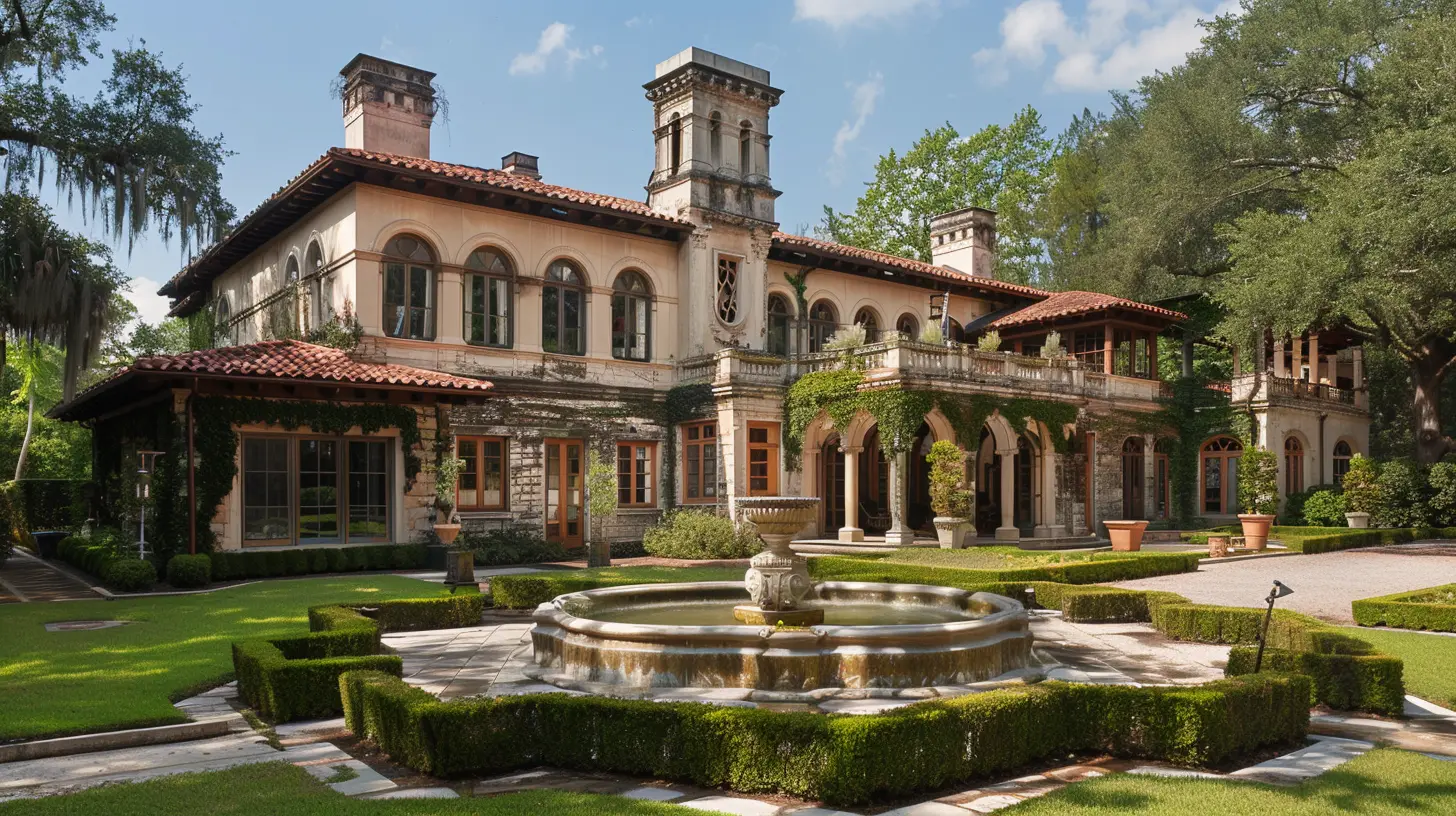
Colonial and Georgian Elegance
As European settlers moved across the world, they brought their architectural styles with them, leading to the rise of distinct colonial homes.Colonial Architecture (c. 1600 – 1800 CE)
Colonial homes varied by region, but they all shared a focus on symmetry and practicality. In America, these homes often had steep roofs, brick chimneys, and wooden clapboard siding. The interiors were simple and functional, with central fireplaces to keep the family warm.Georgian Architecture (c. 1714 – 1830 CE)
Named after the British kings George I, II, and III, Georgian homes were all about balance and order. Large sash windows, decorative cornices, and panel doors with transoms made these houses look stately and refined. Homes were also built with brick or stone, giving them a sturdy, timeless appeal.19th-Century Romanticism and Industrial Revolution
The 19th century saw a wave of revival styles and new advancements in construction techniques, thanks to industrialization.Victorian Architecture (c. 1837 – 1901 CE)
Ah, the Victorians—known for their lavish and over-the-top designs. Homes from this era featured intricate woodwork, steep gabled roofs, bay windows, and wraparound porches. The rise of industrialization also made it easier (and cheaper) to produce decorative details, leading to the highly ornate homes we still admire today.Gothic Revival (c. 1830 – 1900 CE)
Inspired by medieval Gothic architecture, this style brought back pointed arches, decorative trim, and dramatic rooflines. It was especially popular for churches, but some homeowners adopted it to create fairy-tale-like houses.20th-Century Modernism and Beyond
As we moved into the 20th century, home design took a sharp turn. Functionality, simplicity, and new materials became the focus.Art Deco (c. 1920 – 1940 CE)
Think bold geometric shapes, sleek lines, and rich colors. Art Deco homes often featured flat roofs, smooth stucco walls, and stylized decorative elements. This style represented luxury and progress, influenced by the excitement of the roaring twenties.Mid-Century Modern (c. 1945 – 1970 CE)
With the post-war boom came a desire for open spaces and simplicity. Mid-century modern homes embraced large windows, open floor plans, and a seamless blend between indoor and outdoor living. Clean lines and minimal ornamentation defined this era, creating timeless homes that are still highly sought after today.Contemporary and Sustainable Architecture (2000 – Present)
Fast forward to today, and home design has evolved to embrace sustainability and technology. Contemporary homes often feature large glass walls, energy-efficient designs, and smart home technology. Green roofs, recycled materials, and solar panels have become standard, proving that modern architecture is not just about aesthetics—it’s also about responsibility.Final Thoughts
Architectural styles through the ages have been more than just trends—they're reflections of human history, innovation, and lifestyle changes. Whether it's the grandeur of Baroque, the charm of Colonial, or the sleek simplicity of Mid-century Modern, each style tells its own story.No matter your personal taste, one thing is for sure: architecture will always continue to evolve, shaping the homes we live in and the way we experience the world around us.
all images in this post were generated using AI tools
Category:
Historic HomesAuthor:

Kingston Estes
Discussion
rate this article
1 comments
Soraya Simon
This article beautifully captures the evolution of architectural styles. Each era reflects the culture and values of its time, offering a glimpse into the past. It's fascinating to see how these historic homes tell stories of their inhabitants.
July 26, 2026 at 10:36 AM
Kingston Estes
Thank you! I'm glad you enjoyed the exploration of how architecture reflects our history and values. Each style indeed tells a unique story.