Auction Properties in Up-and-Coming Neighborhoods: A 2027 Perspective
3 October 2026
Buying at auction has always carried a certain romance and a certain risk. You get the thrill of the gavel, the possibility of a bargain, and the cold reality that once you win, the property is yours. No cooling-off period. No renegotiation. No second thoughts.
Now layer that onto an up-and-coming neighborhood, where prices are still reasonable but the future is uncertain. That combination can produce either the best purchase of your life or a costly lesson in patience. By 2027, the dynamics of this market have shifted in ways that reward preparation and punish impulse. Here is what you need to understand before you raise your paddle.
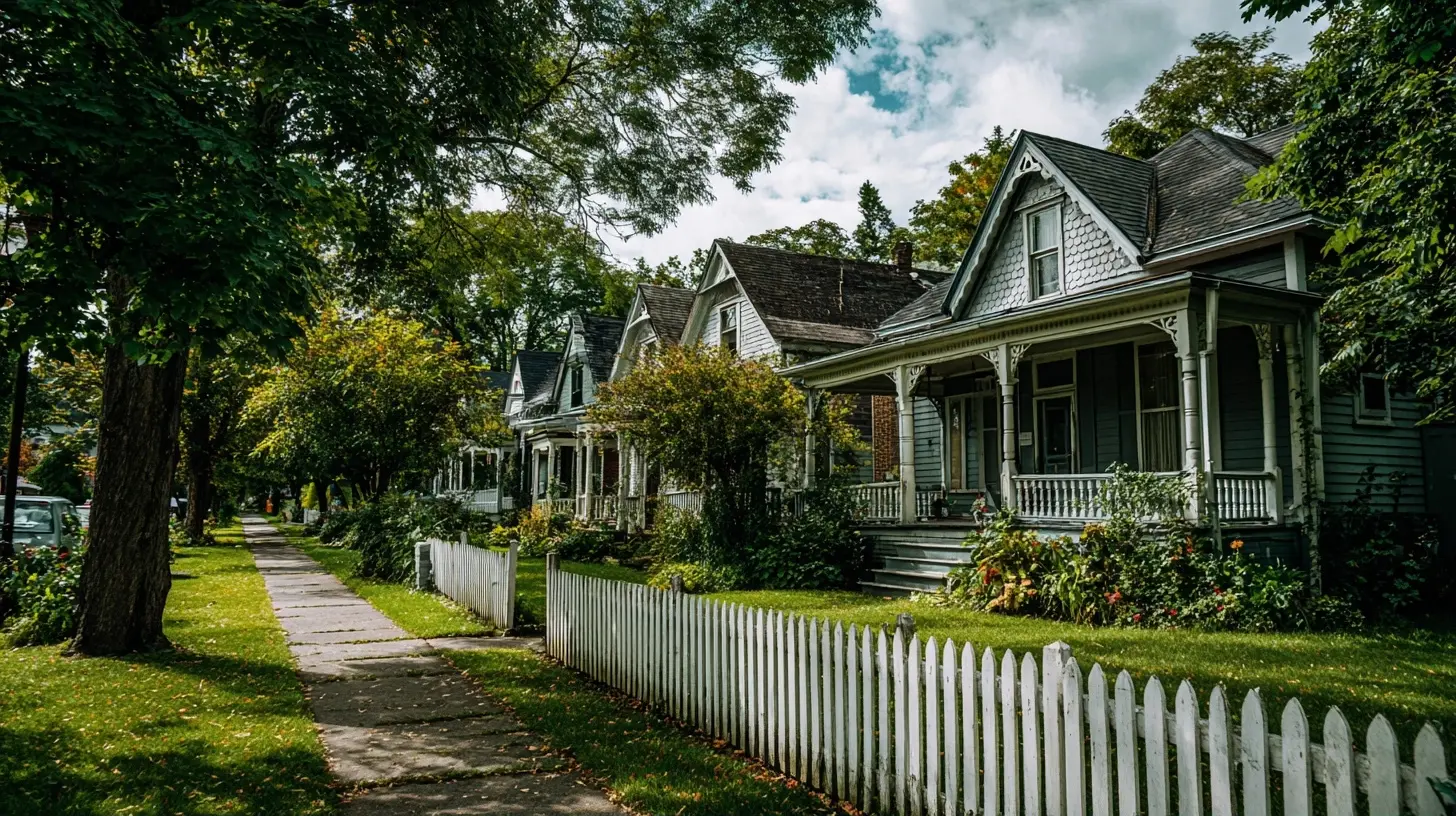
Why Up-and-Coming Neighborhoods and Auctions Attract Each Other
Auctions and transitional neighborhoods share a common trait: uncertainty. That uncertainty is exactly why they pair so well, and exactly why they can be dangerous.In established, desirable areas, sellers rarely need an auction. They list on the open market, generate multiple offers, and choose the cleanest one. Auction is a tool of urgency. It works best when a seller needs a definite sale by a definite date, or when a property is difficult to price through conventional means. Transitional neighborhoods fit that description perfectly.
Consider a street where half the homes have been renovated and the other half still have original 1970s kitchens. Comparable sales are all over the map. A traditional listing agent might suggest a price, but the market's response is unpredictable. An auction solves that problem by letting buyers set the number themselves.
For buyers, the appeal is straightforward. Auction pricing can be lower than retail because the pool of bidders is smaller. Many buyers are intimidated by the process, the paperwork, and the requirement to bid without conditions. That reduced competition is your opportunity, if you know what you are doing.

The 2027 Auction Landscape: What Has Changed
The auction market in 2027 looks different from the one buyers navigated five years ago. Several shifts matter.First, online and hybrid auctions have become the norm rather than the exception. Most regional auction houses now run simultaneous online bidding alongside a physical room, or they run entirely online with a defined closing window. This widens the bidder pool, which means you are no longer competing only with the people in the room. A buyer in another state can outbid you from a laptop.
Second, verification requirements have tightened. Many auctioneers now require proof of funds or a mortgage pre-approval before they will register you to bid. This is not red tape for its own sake. It protects the seller from time-wasters and it protects you from bidding beyond your means. If you plan to buy at auction in 2027, get your financing in order weeks before the event, not days.
Third, data access has improved dramatically. Neighborhood-level analytics that once required a subscription to a professional platform are now widely available. You can see permit activity, school boundary changes, transit plans, and demographic trends with far more granularity than before. This does not remove risk, but it shifts the game toward those willing to do the research.
Fourth, competition in genuinely up-and-coming areas has increased. As more buyers get priced out of prime locations, they move one or two neighborhoods outward. Auction bargains still exist, but they require more discipline to find.
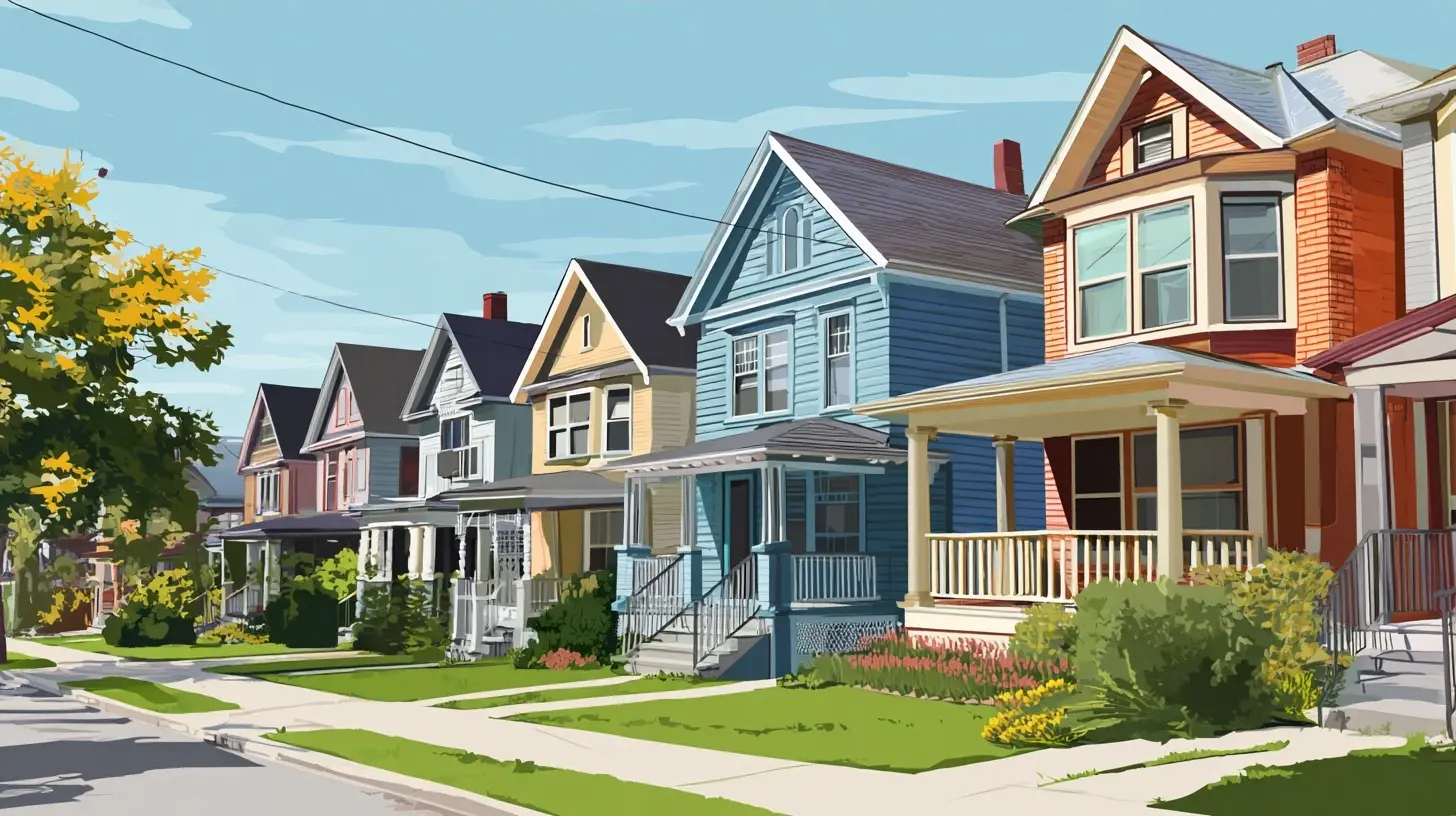
How to Identify a Neighborhood That Is Actually Rising
This is the single most important skill in this entire strategy. Get the neighborhood right and almost everything else can be managed. Get it wrong and no amount of clever bidding will save you.Look for Physical Signals, Not Hype
Rising neighborhoods show visible signs of investment. New roofs, fresh paint, and renovated front porches on a growing number of homes. Construction dumpsters appearing and disappearing. Permits posted in windows. These are real signals because they represent money that someone has already committed.Hype, by contrast, is talk. A blog post calling an area "the next big thing" costs nothing. A developer spending several million dollars on a mixed-use project is putting capital at risk. Trust the capital.
Follow Infrastructure and Zoning Decisions
Public investment often precedes private investment. A new transit stop, a redesigned intersection, a rebuilt school, or a rezoned corridor can change a neighborhood's trajectory within a few years. These decisions are a matter of public record. You can read the meeting minutes. You can attend the planning sessions.The key nuance: infrastructure that is funded and under construction is far more reliable than infrastructure that is proposed. Proposals get cancelled. Budgets get cut. A project that has broken ground is much closer to certain.
Study Employment and Commute Patterns
Neighborhoods rise when they become convenient for people with income. That usually means proximity to job centers, good roads or transit, and reasonable commute times. A neighborhood that is twenty minutes from a growing employment hub has a structural advantage. One that is sixty minutes away with no transit option does not, no matter how charming the houses are.Watch the Rental Market
Strong rental demand with rising rents is a leading indicator. It tells you that people want to live there and that landlords can charge more. It also tells you that owner-occupiers may follow, because renters who can afford to buy often do buy in the same area.The Signals That Should Give You Pause
Not every cheap neighborhood is up-and-coming. Some are simply declining. Watch for:- Persistent population loss over multiple years
- Closing schools rather than opening ones
- Declining permit activity
- Rising vacancy rates
- Crime trends that are worsening rather than improving
A low price in a declining area is not a bargain. It is a warning.

The Auction Process, Step by Step
Understanding the mechanics matters because auction rules vary by region, by auctioneer, and by property type. What follows is the general shape of the process, but always read the specific terms for the specific sale.Before the Auction
The auctioneer publishes a catalog or listing with property details, inspection times, and the terms of sale. Read the terms carefully. Pay attention to:- The deposit amount required on the day
- The settlement period
- Whether the sale is subject to a reserve price
- Whether the seller can bid
- What inclusions and exclusions apply
Attend inspections. Bring a builder or inspector if you can, because you will not get a second chance after the fall of the hammer. In most auction contracts, you buy the property in its current condition with no right to renegotiate based on defects you discover later.
Setting Your Number Before You Walk In
Decide your maximum bid in advance, in writing, and then do not exceed it. This sounds obvious. It is also the single most common mistake buyers make. Auction rooms are designed to create momentum. A skilled auctioneer builds tension, encourages small increments, and makes the next bid feel trivial. It is not trivial. Every increment is real money.Your maximum should be based on:
- Your financing capacity, confirmed by a lender
- The cost of repairs and renovations
- Transaction costs such as stamp duty or transfer taxes, legal fees, and auctioneer fees
- A buffer for surprises, because there will be surprises
- The resale or rental value you can realistically achieve
If the bidding passes your number, let it go. There will be another property.
During the Auction
Bid clearly and confidently. Do not signal your limit through your body language. Do not get drawn into a private bidding war with one other person if the price is climbing past sense. Remember that the person bidding against you may be an investor with different math than yours, or may simply be making a mistake. You are not obliged to match either.After the Auction
If you win, you sign the contract and pay the deposit immediately. If the property passes in, meaning it did not reach the reserve, you may have an opportunity to negotiate with the vendor afterward. This is often a calmer setting and can produce a better outcome than the auction itself.Financing an Auction Purchase
Financing is where many auction buyers stumble. The problem is timing. You need certainty before you bid, but traditional mortgage approvals are slow.Get Pre-Approval, Not Pre-Qualification
Pre-qualification is an estimate. Pre-approval is a commitment, subject to the property valuation. For auction, you want the strongest form of approval you can get. Some lenders offer auction-specific products that allow a faster valuation turnaround. Ask about this specifically.The Valuation Risk
Even with pre-approval, the lender will value the property. If the valuation comes in below your winning bid, you may need to cover the gap in cash. In up-and-coming neighborhoods, valuations can be conservative because comparable sales are thin. This is a real risk and you should plan for it.One practical approach: keep a cash reserve equal to at least ten percent of your expected bid, specifically to cover a valuation shortfall.
Bridging Finance
If you are buying at auction before selling your current home, bridging finance can cover the gap. It is expensive and the terms vary widely. Use it only when the numbers clearly work, and get the facility approved before you bid, not after.
Renovation Realities in Transitional Areas
A common misconception is that up-and-coming neighborhoods automatically mean cheap renovations. Sometimes they do. Often they do not.Trades Availability
In a rising neighborhood, every renovator in the region is busy. Good tradespeople are booked out for months. If you need a fast turnaround, you may end up paying premium rates or accepting lower quality work. Budget for this.Permit Timelines
Local authorities in areas experiencing rapid change are often overwhelmed. Permit approvals that once took two weeks can take two months. Factor this into your holding costs.Scope Creep
Old houses hide problems. A cosmetic renovation can become a structural one the moment you open a wall. Set a contingency of at least twenty percent of your renovation budget, and be prepared to walk away from a project if the numbers stop working.The Holding Cost Trap
This is the mistake that catches experienced investors, not just beginners.An auction property in a transitional neighborhood may sit vacant for months while you renovate. During that time you are paying:
- Mortgage interest
- Insurance at vacant property rates, which are higher
- Property taxes
- Utilities
- Security, if the area has any risk of theft or vandalism
These costs add up quickly. A property that looked like a bargain at auction can become expensive by the time it is ready to occupy or sell. Run the full holding cost calculation before you bid, not after.
Comparing Auction to Traditional Purchase in the Same Neighborhood
It is worth being explicit about the trade-offs.Buying at auction:
- Advantages: potential discount, certainty of purchase, fast process
- Disadvantages: no conditions, no cooling-off, deposit at risk, limited due diligence
Buying through a traditional listing:
- Advantages: time for inspections, ability to negotiate, finance and building conditions
- Disadvantages: competing with other buyers, slower process, seller may accept a higher offer
The right choice depends on your risk tolerance, your cash position, and how confident you are in your assessment of the property and the area. If you are uncertain about the condition of the building, a traditional purchase is usually wiser. If you have done thorough due diligence and you are confident in your numbers, auction can deliver real value.
Common Mistakes and How to Avoid Them
Bidding emotionally. The auction environment is designed to trigger competitive instincts. Write your maximum down and treat it as a hard rule.Skipping the inspection. Some buyers assume they can save money by not paying for a building inspection before auction. This is false economy. A few hundred dollars now can save tens of thousands later.
Underestimating renovation costs. Get at least two quotes for major work before you bid. Do not rely on rough guesses.
Ignoring the neighborhood's direction. A cheap house in a declining area is not a bargain. Confirm that the area is genuinely improving before you commit.
Forgetting the total cost of ownership. The purchase price is only part of the equation. Add stamp duty, legal fees, auctioneer fees, renovation, holding costs, and selling costs if you plan to exit.
Overleveraging. Auction purchases require certainty. If your financing is fragile, do not bid.
Best Practices for 2027
Build a research file on every neighborhood you are considering. Track permit activity, sales, rentals, and infrastructure news over at least twelve months.Attend auctions before you bid at one. Watch the dynamics. See how prices move. Learn the auctioneer's rhythm. This costs nothing and it is invaluable.
Get your finance fully approved in advance. Not pre-qualified. Approved.
Set your maximum and stick to it. Write it down. Bring it with you. Do not negotiate with yourself in the room.
Have a renovation plan and a budget before you bid. Include a contingency.
Consider a buyer's agent who specializes in auctions. Their fee is often recovered through better decision-making.
Be patient. There will always be another auction. The best deals go to buyers who can walk away.
A Realistic Word About Returns
Auction properties in up-and-coming neighborhoods can produce strong returns, but they are not a shortcut to easy money. The discount you receive at auction is compensation for the risk you accept: the risk of buying without conditions, the risk of hidden defects, the risk that the neighborhood does not rise as expected, and the risk that holding costs erode your margin.The buyers who do well in this market are the ones who treat it as a discipline rather than a gamble. They research thoroughly. They finance conservatively. They set limits and respect them. They plan for the unexpected. And they are comfortable walking away from a deal that no longer makes sense.
That is not as exciting as winning a bidding war. It is, however, how you build wealth rather than lose it.
all images in this post were generated using AI tools
Category:
Property AuctionsAuthor:

Kingston Estes
Discussion
rate this article
1 comments
Flynn Marks
Who knew bidding could be this stylish?
October 3, 2026 at 3:13 AM