How To Prepare for a Homeowners Insurance Inspection
22 January 2026
Owning a home is a dream for many, but with homeownership comes responsibility—especially when it comes to protecting your investment. One crucial step in safeguarding your home is securing homeowners insurance. But before your policy is finalized, your insurer may require an inspection to assess the home's condition and potential risks.
If you’re facing a homeowners insurance inspection, don't worry! With a little preparation, you can sail through it with ease. In this guide, we’ll walk you through everything you need to know to get your home inspection-ready. 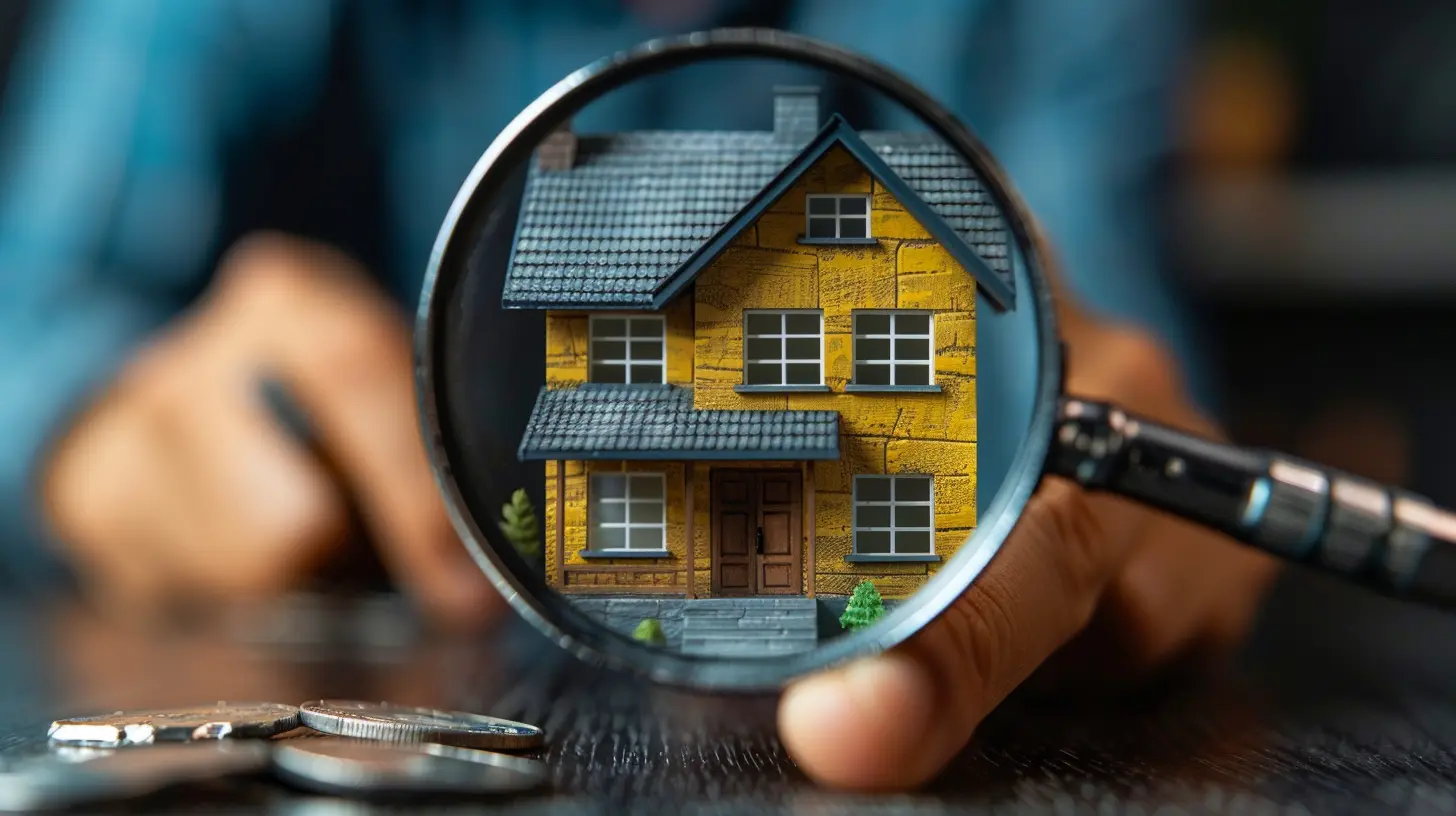
Why Do Insurance Companies Require an Inspection?
Before we dive into the preparation steps, let’s talk about why this inspection happens in the first place. Insurance companies want to ensure they’re not taking on too much risk. By inspecting your home, they can:✔ Ensure the property is in good condition
✔ Identify any hazards or safety concerns
✔ Confirm that the home matches the details provided in your application
✔ Determine the appropriate coverage and premium
In short, the inspection helps both you and the insurer ensure there are no surprises down the road. 
What to Expect During a Homeowners Insurance Inspection
Home insurance inspections vary depending on the insurance provider and the type of home. However, most inspections cover:- Roof & Exterior: Inspectors look for damage, wear and tear, and potential risks like missing shingles or cracks.
- Plumbing & Electrical Systems: Outdated or faulty systems can be fire hazards or lead to costly water damage.
- HVAC Systems: Ensuring heating and cooling systems are in good working order reduces risks.
- Safety Features: Smoke detectors, fire extinguishers, and security systems can impact your premium.
- General Property Condition: Any signs of neglect, structural issues, or necessary repairs will be noted.
Now that you know what’s being checked, let’s make sure your home is in tip-top shape before the inspection. 
How to Prepare for a Homeowners Insurance Inspection
1. Conduct a Pre-Inspection Walkthrough
Before the inspector arrives, take a walk around your home—inside and out. Look for any visible issues that might raise red flags. Think like an inspector! Is there peeling paint? Loose railings? A leaky faucet? Taking care of these minor fixes in advance can help ensure a smoother inspection.2. Tidy Up Your Property
First impressions matter. A cluttered, unkempt yard or home interior might signal neglect. Trim overgrown trees, mow the lawn, and remove any debris. Inside, keep hallways and main areas clear. Not only does this make a good impression, but it also ensures the inspector can easily access different parts of your home.3. Check for Roof and Exterior Issues
Your roof is one of the most important aspects of your home. Insurance companies are particularly careful when evaluating it because a damaged roof can lead to leaks, mold, and costly repairs.- If you spot missing or curling shingles, consider having them repaired before the inspection.
- Check the gutters—clean them out and ensure they’re securely attached.
- Examine the siding and foundation for cracks or signs of damage.
4. Ensure Electrical & Plumbing Systems Are Up to Code
Faulty wiring and old plumbing can pose major risks, so it’s worth ensuring everything is in good condition.- Check for exposed or frayed wires.
- Test all electrical outlets and lights to ensure they’re working properly.
- Look for signs of leaks under sinks, around toilets, and near appliances.
- If you have an old fuse box, consider upgrading to a modern circuit breaker panel—it could even lower your premium!
5. Test Safety Features
Do your smoke and carbon monoxide detectors work? Do you have a fire extinguisher on hand? These small safety measures can make a big difference during an inspection.Replace the batteries in your smoke alarms, ensure fire extinguishers are within expiration, and check that all security systems are functioning properly.
6. Fix Any Visible Structural Issues
Cracks in the walls, water stains on ceilings, or sagging floors can be red flags during an inspection. If you notice anything concerning, address it beforehand. Not all issues require major renovations—sometimes, a quick patch-up can prevent unnecessary complications.7. Take Care of Any Plumbing Leaks
A leaky faucet or dripping pipe may seem harmless, but inspectors see them as a sign of potential water damage.- Inspect under sinks, around toilets, and near water heaters for leaks.
- Fix any visible water stains on ceilings or walls.
- Ensure your sump pump (if you have one) is operating correctly.
8. Ensure Easy Access to Important Areas
Inspectors need to access key parts of your home, such as the attic, basement, electrical panel, and HVAC system. Make sure these areas are clear of clutter so the inspector can do their job without obstacles.9. Document Prior Repairs & Upgrades
If you’ve made significant repairs or upgrades (like replacing the roof, updating the electrical system, or installing a new HVAC unit), have documentation ready. This could include receipts, warranties, or inspection reports from contractors. Providing this information can help verify your home's condition and potentially reduce your insurance premium.10. Be Present & Available During the Inspection
While you don’t necessarily have to hover over the inspector, being available during the inspection allows you to answer any questions and provide clarification if needed. If an issue is raised, you’ll have firsthand knowledge and can address it sooner rather than later.
What Happens After the Inspection?
Once the inspection is complete, the inspector will share their findings with your insurance provider. Based on their report, a few things might happen:✅ No Issues: Your policy continues as expected.
🛠 Minor Repairs Requested: The insurer may ask you to fix certain issues before finalizing coverage.
⚠ High-Risk Concerns: If severe problems are found, the insurer might increase your premium, limit coverage, or even deny the policy until repairs are made.
If you’re asked to make repairs, address them promptly and provide proof to your insurance company.
Final Thoughts
Preparing for a homeowners insurance inspection doesn’t have to be stressful. A little proactive maintenance goes a long way in ensuring everything runs smoothly. Think of it as a check-up for your home—by staying on top of small repairs and maintenance, you’re not only protecting your investment but also keeping your insurance costs in check.So roll up your sleeves, do a quick home check, and walk into that inspection with confidence. You’ve got this!
all images in this post were generated using AI tools
Category:
Homeowners InsuranceAuthor:

Kingston Estes
Discussion
rate this article
2 comments
Zarev Thomas
Thorough preparation ensures peace of mind and protection.
February 10, 2026 at 12:03 PM
Kingston Estes
Absolutely! Being well-prepared not only boosts your confidence but also helps you secure the best coverage for your home.
Skylar Rosales
Preparing for a homeowners insurance inspection is crucial; it not only ensures compliance but can also influence your premiums and coverage options.
January 25, 2026 at 5:35 AM
Kingston Estes
Absolutely! Proper preparation can significantly impact your insurance terms and financial protection.