Impact of Government Property Sales on the Office Real Estate Market
April 12, 2025 - 11:34
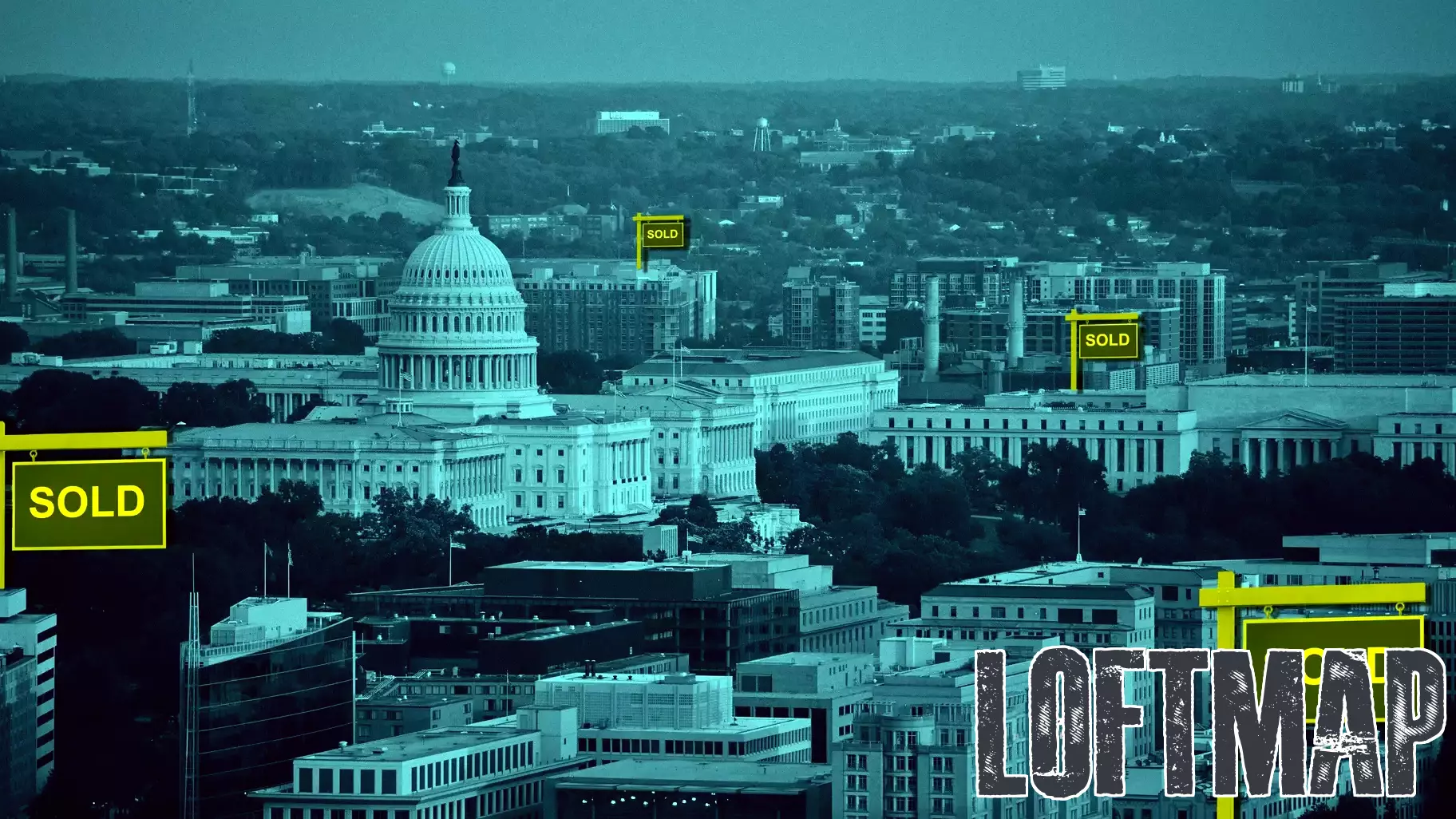
The federal government has recently sold 13 buildings, with claims from Elon Musk's DOGE that an additional 68 properties are currently available for sale. This significant move in the real estate sector could have far-reaching implications for the office real estate market.
As government agencies streamline operations and reduce their physical footprint, the influx of properties could lead to increased competition among buyers. This could drive down prices and alter investment strategies for commercial real estate developers. The availability of government buildings may also attract a diverse range of investors, from traditional real estate firms to tech startups looking for affordable office space.
Moreover, the potential repurposing of these buildings could reshape urban landscapes as new tenants bring innovative uses to these spaces. As the market adjusts to this wave of government property sales, stakeholders will need to closely monitor trends in occupancy rates and rental prices to navigate the evolving landscape of office real estate.
MORE NEWS
October 27, 2026 - 05:36
Family Loses $1,150 to Phony Real Estate Agent in Hampton Bays Rental ScamA family searching for a home in Hampton Bays was defrauded of $1,150 by a man who claimed to have a rental property available and then put them in touch with a supposed listing agent who was part...

October 26, 2026 - 22:40
Can a Halloween Open House Really Bring in Buyers When the Market Is Uncertain?Hosting an open house on Halloween might seem like a risky move, especially when the housing market is sending mixed signals. But real estate agents who have tried it say the holiday can actually...
October 26, 2026 - 09:38
Private Rancho Santa Fe Estate with Botanical Gardens Lists for $8 MillionA sprawling estate in Rancho Santa Fe, California, has come to market with an asking price of $8 million, and its grounds set it apart from typical luxury listings. The property sits on more than...

October 25, 2026 - 19:06
Russell Wilson and Ciara relisted Amor Estate in Rancho Santa Fe, California for $45 millionRussell Wilson and Ciara have placed their Rancho Santa Fe, California property known as Amor Estate back on the market with an asking price of $45 million. The new listing represents a significant...