Working with Contractors Specializing in Historic Home Restoration
8 July 2026
Owning a historic home is like holding a piece of history in your hands. The charm, the intricate details, and the craftsmanship of a bygone era make these homes truly special. But with that charm comes the responsibility of proper restoration. Unlike modern homes, historic houses require a special touch—one that respects their original character while making them livable for today’s homeowners.
This is where contractors specializing in historic home restoration come in. But how do you find the right professionals? And what should you expect when working with them? Let's dive in. 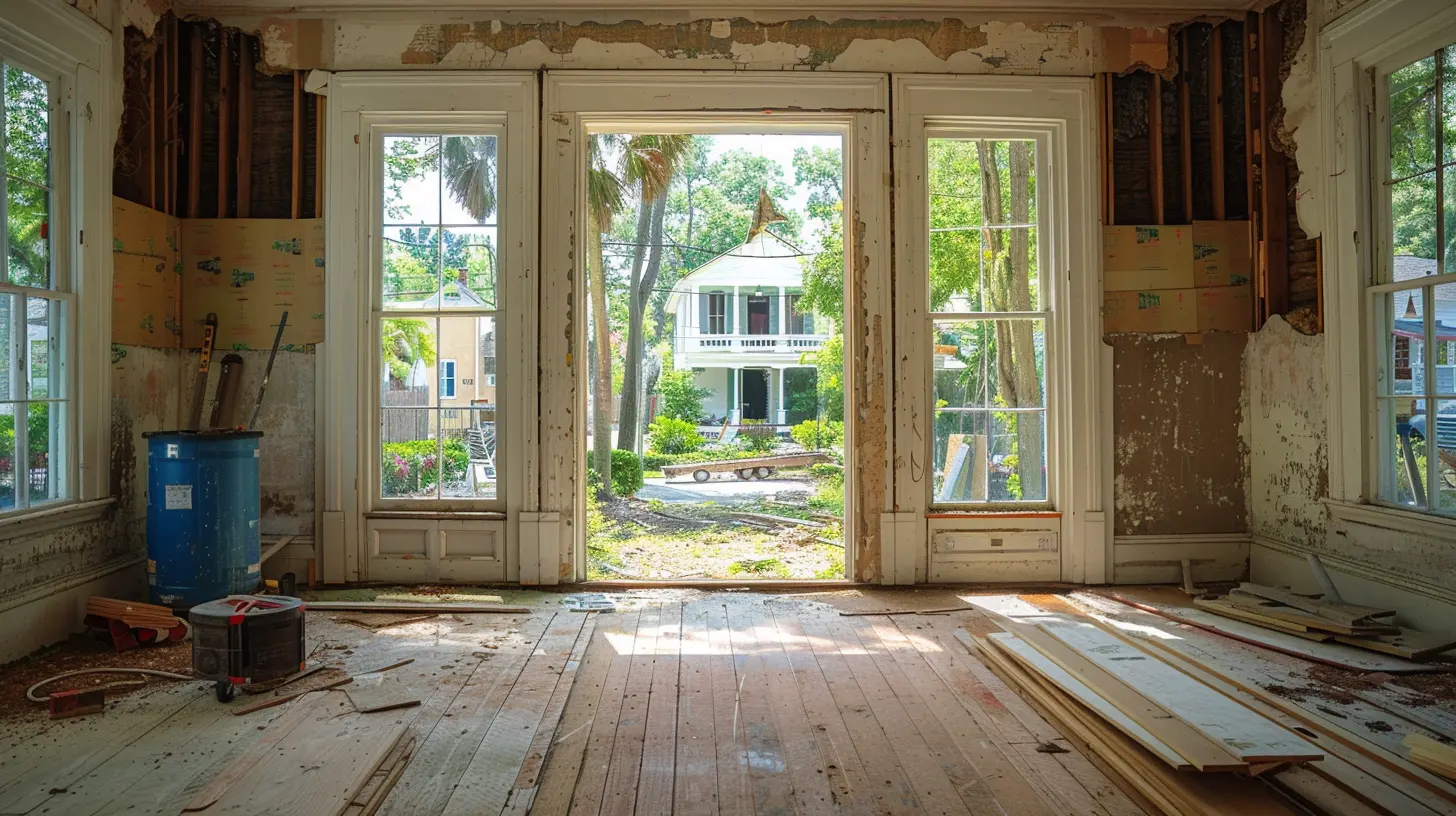
Why Historic Homes Require Specialized Contractors
Restoring a historic home isn’t like fixing up a regular house. These homes often have unique architecture, outdated building materials, and features that require careful preservation.A regular contractor might lack the experience necessary to work with the materials and designs of an older home, potentially causing more harm than good. Specialized contractors, on the other hand, understand the ins and outs of historic restoration and know how to blend old-world charm with modern functionality.
They don’t just fix what’s broken—they restore with respect, using period-appropriate materials and methods to maintain the home’s historical integrity.
Common Challenges in Historic Home Restoration
Before we jump into working with a restoration contractor, it’s important to understand some of the unique challenges that come with historic home projects:- Preserving Original Materials: Many historic homes feature materials that are no longer in production. Whether it’s reclaimed wood, old bricks, or rare tiles, finding exact replacements can be tough.
- Outdated Electrical and Plumbing Systems: Old wiring and plumbing need to be brought up to code without compromising historical features.
- Structural Instability: Over time, foundations shift, wood rots, and walls weaken, requiring specialized techniques to restore stability without destroying the home's original beauty.
- Historic Preservation Guidelines: Many historic homes are protected under local or national regulations, limiting what changes can be made. Working within these guidelines requires experience and patience. 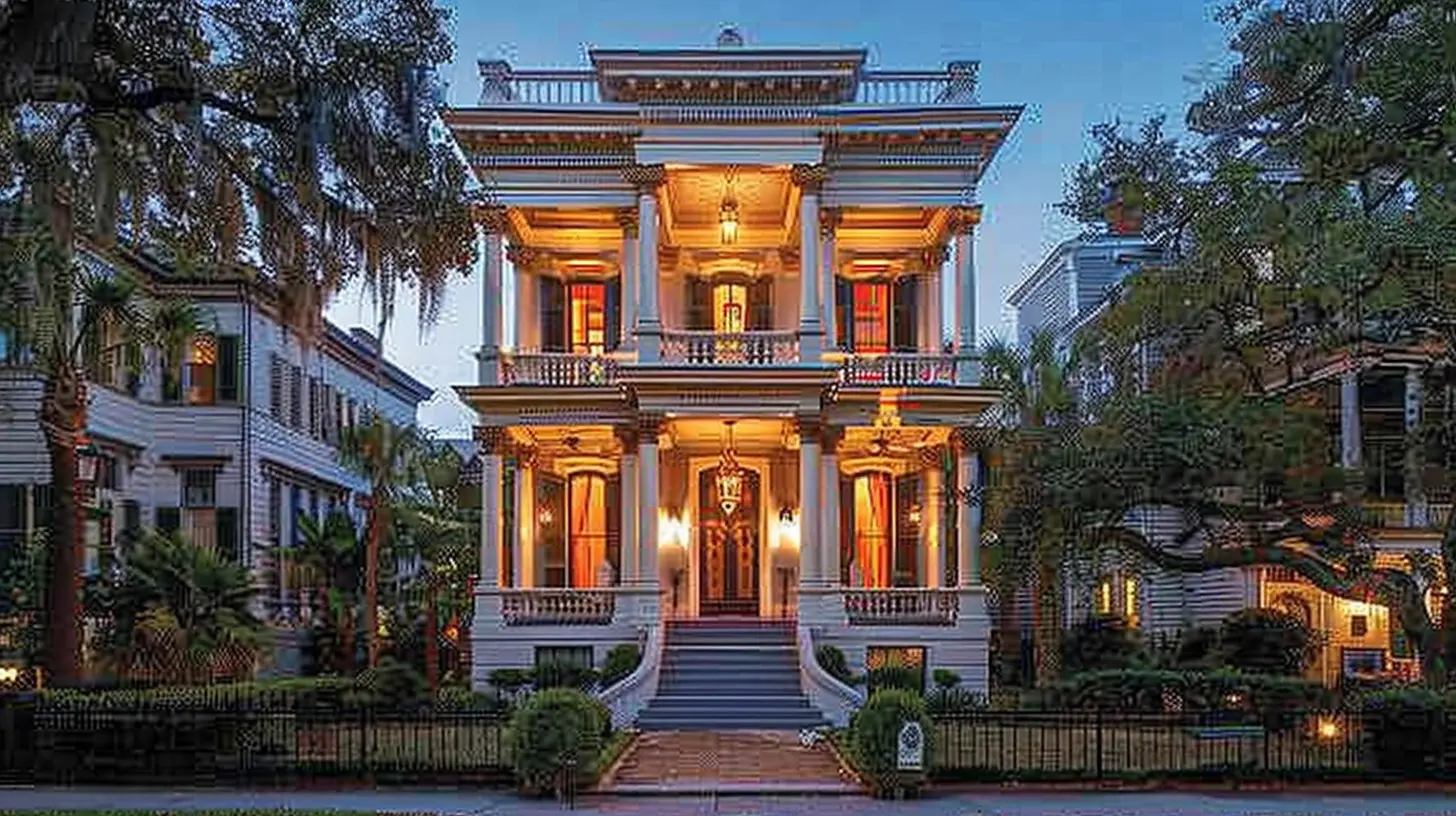
How to Find the Right Contractor
Finding the right contractor for your historic home restoration is crucial. Here’s how to do it right:1. Look for Experience in Historic Restoration
Not all contractors have experience working with historic homes. You need someone who understands period-appropriate techniques and knows how to handle antique materials. Ask potential hires about their past projects and if they’ve worked on homes similar to yours.2. Check Their Portfolio
A good restoration contractor should have a portfolio showcasing their work. Look for before-and-after photos of historic home projects, and see if their style matches your vision.3. Read Reviews and Get References
One of the best ways to gauge a contractor’s reliability and skill is through reviews from previous clients. Ask for references and, if possible, visit some of their completed projects in person.4. Understand Their Approach to Preservation
Some contractors might cut corners by replacing original materials with modern substitutes, while others go the extra mile to restore rather than replace. Make sure you choose someone who values preservation over quick fixes.5. Ensure They Understand Historic Restoration Regulations
If your home is listed on the National Register of Historic Places or falls within a historic district, there will be rules on what you can and can’t change. A seasoned contractor should be familiar with these regulations and able to navigate them without issues.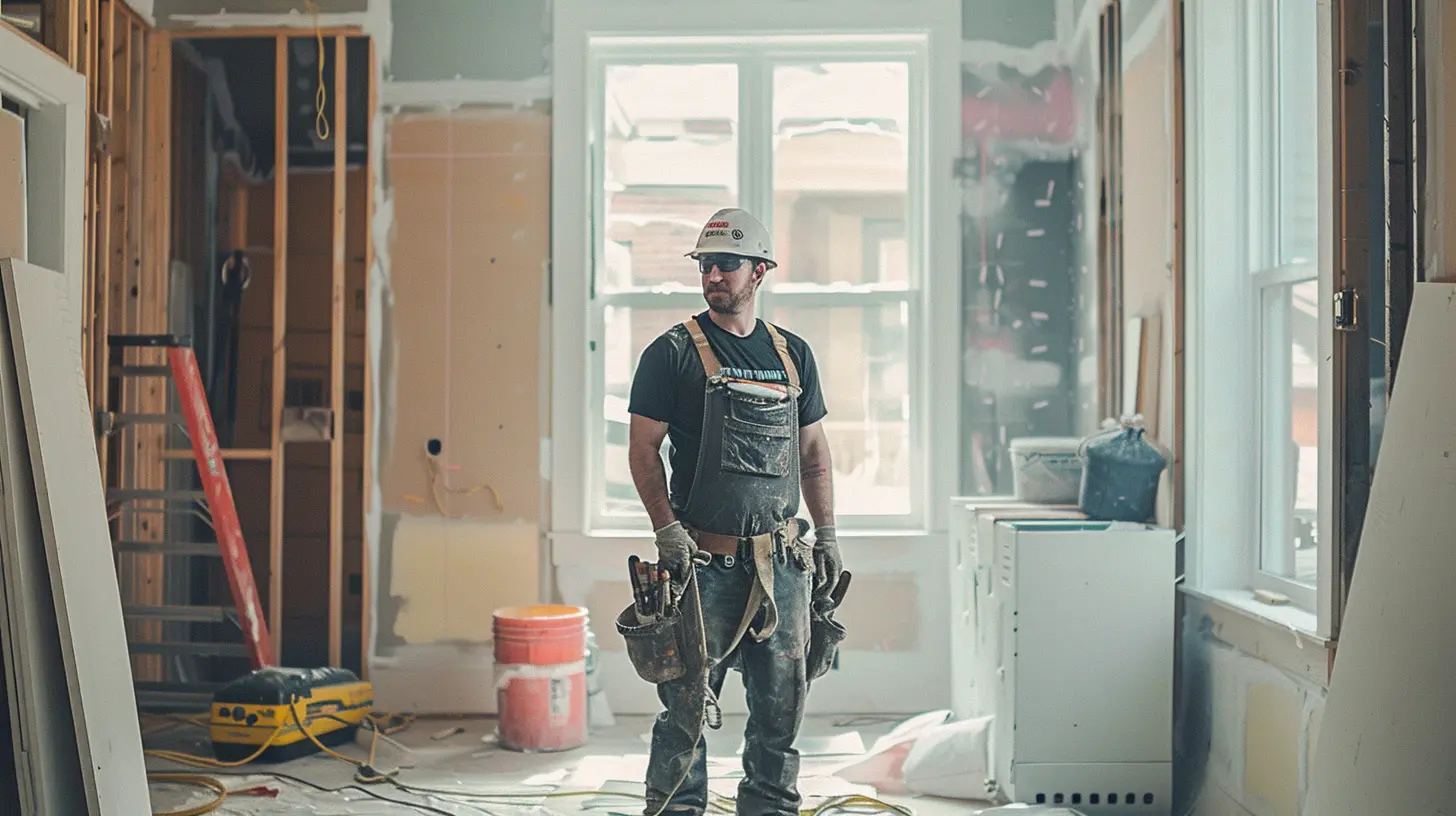
Working with a Historic Home Contractor
Once you've found the right contractor, here’s what you can expect during the restoration process:1. Assessment and Planning
The first step in any restoration project is a thorough inspection. A good contractor will assess the condition of your home, identify problem areas, and create a detailed restoration plan.This stage is crucial because it helps set expectations, defines the budget, and ensures there are no surprises down the line.
2. Budgeting and Cost Considerations
Restoring a historic home isn’t cheap. Because these projects require specialized skills and materials, costs can add up quickly. Be prepared for unexpected expenses—historic homes often hide surprises behind their walls!A reputable contractor will give you a realistic estimate and help prioritize the most crucial repairs.
3. Securing Permits and Following Regulations
Depending on where your historic home is located, certain permits might be required before work can begin. A knowledgeable contractor can help with this process, ensuring all work meets local and national preservation standards.4. Material Sourcing and Matching
One of the most fascinating aspects of historic home restoration is sourcing materials that match the original structure. Whether it's finding reclaimed hardwood flooring or reproducing vintage window trims, a skilled contractor will have connections to get the right materials.5. Executing the Restoration Work
Once the plan, permits, and materials are in place, the real work begins. This can involve:- Structural repairs – Reinforcing foundations, repairing damaged beams, or stabilizing walls.
- Restoring original features – Reviving intricate moldings, woodwork, and period-specific details.
- Updating utilities – Modernizing electrical and plumbing systems without jeopardizing the home’s historic appeal.
- Preserving architectural character – Keeping the authentic look of the home while ensuring it remains functional.
6. Final Inspection and Finishing Touches
Once the major restoration work is complete, the finishing touches make all the difference. This includes restoring paintwork, polishing wood floors, and ensuring every detail aligns with the home's historic era.Before the contractor wraps up, conduct a thorough inspection to confirm everything is done to your satisfaction. 
Tips for a Smooth Restoration Process
Restoring a historic home can be overwhelming, but these tips will help make the experience smoother:- Be patient. Restoration takes time. Rushing the process can lead to mistakes and costly fixes.
- Stay involved. While your contractor is the expert, your input matters. Stay involved in decisions to ensure your vision comes to life.
- Expect surprises. Old homes have hidden quirks—be mentally and financially prepared for unexpected discoveries.
- Prioritize preservation over modernization. While modern updates are necessary, keeping as much of the original character as possible is what makes historic homes special.
- Work with preservation societies. Local preservation groups can provide guidance, resources, and even financial assistance for certain restoration projects.
The Reward of Restoring a Historic Home
At the end of the day, restoring a historic home is more than just a renovation—it’s about honoring the past while creating a space that works for the future. It’s not always easy, and it certainly isn’t cheap, but the reward of seeing a grand old house brought back to life is priceless.With the right contractor by your side, your historic home will remain a cherished piece of history for generations to come.
all images in this post were generated using AI tools
Category:
Historic HomesAuthor:

Kingston Estes
Discussion
rate this article
1 comments
Josie McGivern
Restoring a historic home can be a joy! Choose the right contractor, and let the adventure begin!
July 13, 2026 at 12:54 PM
Kingston Estes
Absolutely! Finding the right contractor makes all the difference in bringing a historic home back to life. Enjoy the journey!