What Homeowners Insurance Providers Look for When Pricing Policies
6 May 2026
When buying a home, one of the most important decisions you’ll make is choosing homeowners insurance. It’s your safety net, protecting your home, belongings, and even liability in case of unexpected events. But have you ever wondered how insurance companies decide how much you’ll pay?
Homeowners insurance providers don’t just pull numbers out of thin air. They analyze a mix of factors—some you can control, some you can’t. Understanding these factors can help you make smart decisions to potentially lower your premiums and ensure you have the right coverage.
Let’s break it all down in plain English.

1. Your Home’s Location Matters—A Lot
Think about it—location affects everything. It dictates your home’s value, crime rates, weather risks, and even how far you are from emergency services. Insurance companies look at local data to assess how risky it is to insure your home.- Crime Rates: If you live in an area with high burglary or vandalism rates, insurers will likely charge more since your home has a higher risk of loss.
- Weather Risks: Areas prone to hurricanes, tornadoes, wildfires, or floods generally have higher rates. Why? Because the likelihood of damage is greater.
- Proximity to Fire Stations: If a fire station is nearby, firefighters can respond quickly in an emergency, reducing potential damage. That’s a win for insurers and a possible discount for you!
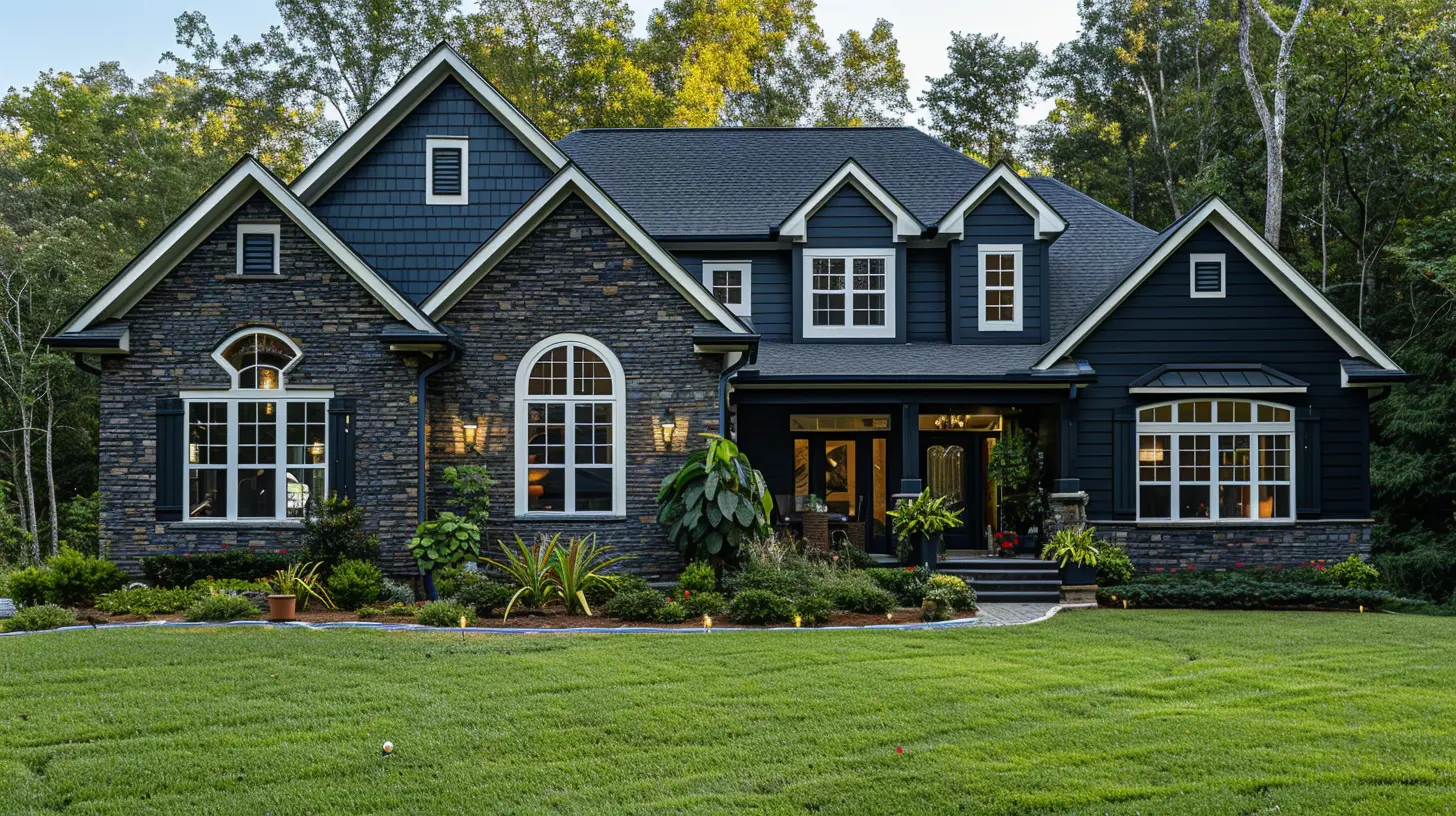
2. The Age & Condition of Your Home
Older homes might have charm, but they often cost more to insure. The reason? Aging roofs, outdated wiring, and old plumbing increase the risk of fires, leaks, and other damage.If an insurer sees a home with a brand-new roof and modern electrical systems, they may offer a lower rate. So, updating these key areas can help you save on premiums.
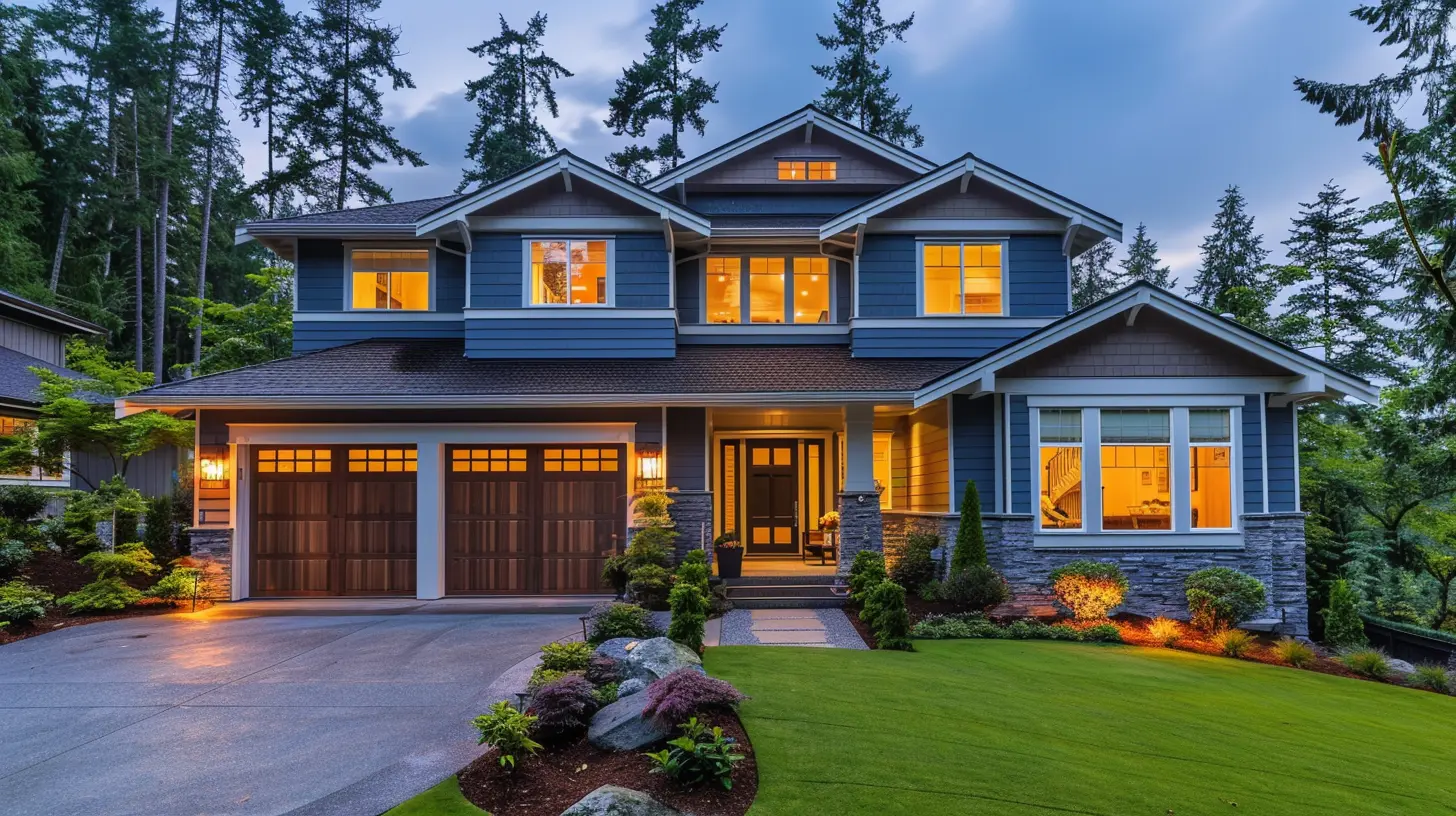
3. The Replacement Cost of Your Home
Insurance companies don’t care about market value; they focus on replacement cost—meaning how much it would take to rebuild your home from scratch.If construction costs are high in your area, expect higher premiums. Likewise, custom-built homes with high-end materials will cost more to insure than standard homes with basic finishes.
4. Your Credit Score & Claims History
Yes, believe it or not, your credit score can impact your insurance rates. Insurers see a strong credit score as an indicator that you’re financially responsible and less likely to file excessive claims.Speaking of claims, if you’ve made multiple insurance claims in the past, insurers may consider you a higher risk, leading to increased premiums.
5. The Security Measures You Have in Place
Want a little control over your insurance costs? Invest in security upgrades. Many insurers offer discounts if your home has:- A monitored security system
- Deadbolt locks
- Smoke and carbon monoxide detectors
- Fire extinguishers
- Smart home security devices
These upgrades reduce risk, making your home a safer bet for insurers.
6. Your Home’s Construction Type
Materials matter! A home made of brick or cement tends to cost less to insure than one made of wood. Why? Because these materials are more fire-resistant and durable against the elements.If your home is built with materials that stand up well to disasters, that could mean savings on your premiums.
7. Your Coverage & Deductible Choices
Your insurance premium is closely tied to the amount of coverage you choose and the deductible you’re willing to pay.- Higher Coverage Limits: More extensive coverage means higher costs since the insurer may have to pay out more in the event of a claim.
- Lower Deductibles: A lower deductible means you’ll pay less out of pocket for claims, but your premiums will be higher. On the flip side, a higher deductible lowers your premium but increases your financial responsibility if something happens.
Finding the right balance is key to getting the best value for your policy.
8. Whether You Have a Swimming Pool or Trampoline
These seem like fun amenities (and they are!), but they also increase liability risk. Insurance companies see pools and trampolines as “attractive nuisances” because they can lead to accidents and injuries.If you own one, expect your policy to reflect the increased risk, either through higher premiums or additional coverage requirements.
9. Your Pets Matter Too
Got a dog? Some breeds might lead to higher insurance costs. Insurers consider certain breeds—like pit bulls and rottweilers—as higher risks for liability claims.If your pet is on an insurance company’s restricted breed list, you might face higher premiums or even difficulty getting coverage.
10. Bundling & Discounts Make a Difference
Insurance providers love loyal customers. That’s why bundling homeowners insurance with auto or life insurance can earn you discounts.Other common discounts include:
- New Home Buyer Discounts
- Loyalty Discounts for staying with the same insurer for multiple years
- Claims-Free Discounts if you haven’t filed a claim in a long time
Don’t leave money on the table—always ask about available discounts!
Final Thoughts
Homeowners insurance pricing isn’t a mystery once you know what insurers look at. While some factors, like location, are out of your control, there are practical steps you can take—like improving security, updating your home’s systems, and maintaining a good credit score—to secure lower rates.At the end of the day, the goal is to get the right coverage at a fair price. So, before purchasing a policy, shop around, compare quotes, and ensure you’re getting the best protection for your home and wallet.
all images in this post were generated using AI tools
Category:
Homeowners InsuranceAuthor:

Kingston Estes
Discussion
rate this article
2 comments
Quill McClendon
Know your worth. Demand better.
July 8, 2026 at 3:44 AM
Kingston Estes
Absolutely. Understanding your value is key, especially when negotiating insurance rates.
Chelsea McKibben
Great insights on what influences homeowners insurance pricing. Understanding these factors helps homeowners make informed decisions and find the best coverage for their needs. Thanks for sharing this valuable information!
May 9, 2026 at 2:51 AM
Kingston Estes
Thank you for your feedback! I'm glad you found the insights helpful for making informed decisions.