What First-Time Buyers Need to Know About Purchasing a Historic Home
2 June 2026
So, you’re intrigued by the charm of an old Victorian, or maybe that craftsman on the corner has been calling your name. You’re not alone! Historic homes have this magnetic pull, right? The character, the creaky floors, the “if these walls could talk” kind of vibe. But before you dive into a romantic whirlwind with a house that predates color television, let’s talk about what buying a historic home really means—especially if it’s your first time at the real estate rodeo.
Buying a historic home is like adopting a grandparent. You're not just getting a place to rest your head, you're taking on a legacy. And like any meaningful relationship, it comes with a few quirks, surprises, and responsibilities. But don’t worry, we’ve got the inside scoop to guide you through.
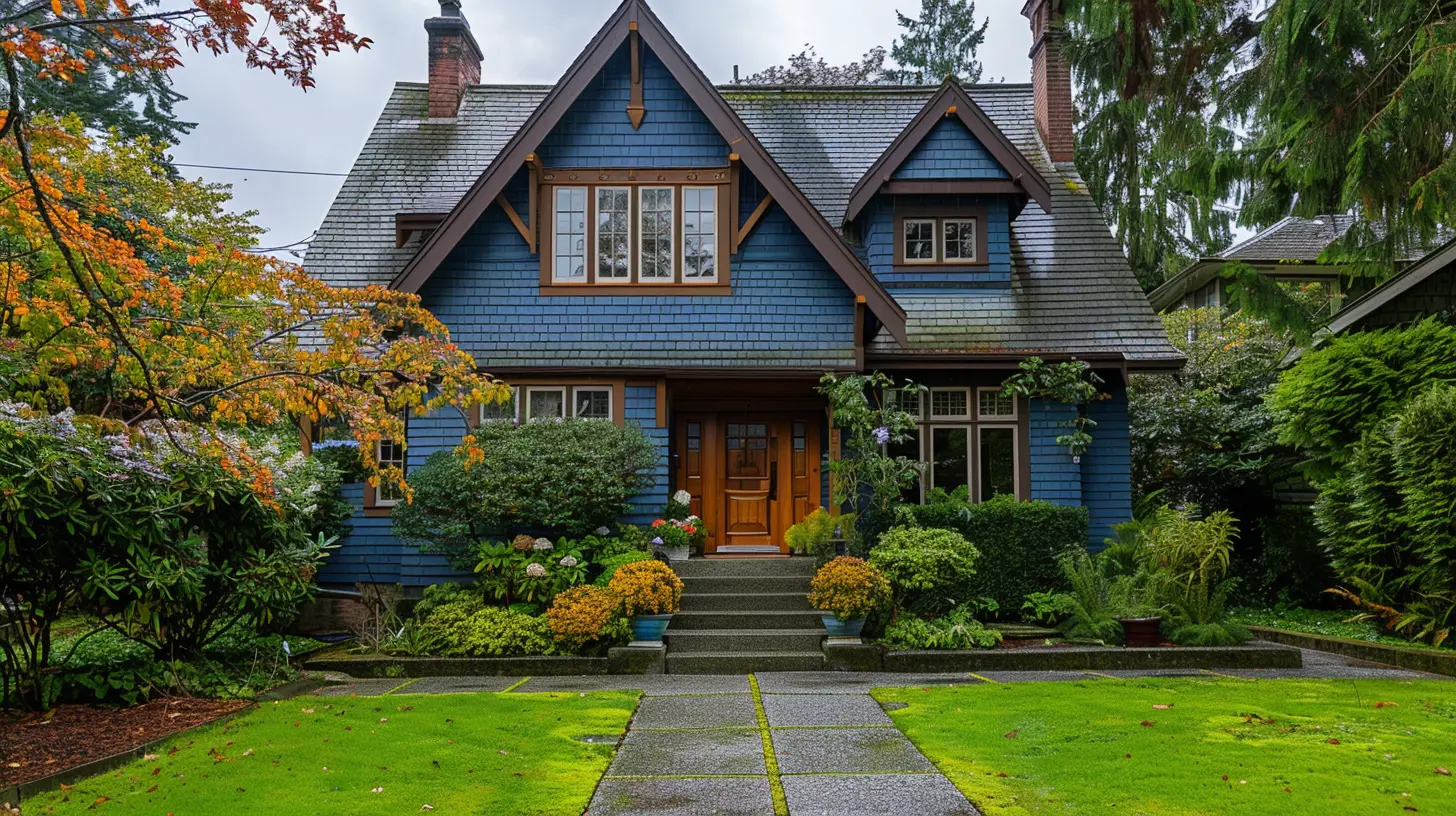
What Exactly Is a "Historic" Home?
Alright, first things first—what qualifies a home as historic? Not every old house gets this title (sorry, 1985 split-level, close but no cigar).In general, for a home to be officially considered historic, it usually:
- Is at least 50 years old
- Has architectural significance or embodies a specific style/era
- Has historical importance (famous figure lived there, located in a historic district, etc.)
It might be listed in the National Register of Historic Places or designated by a local historic commission. And let me tell you, once it’s on that list—you’ve got both bragging rights and a bit more red tape to tango with.
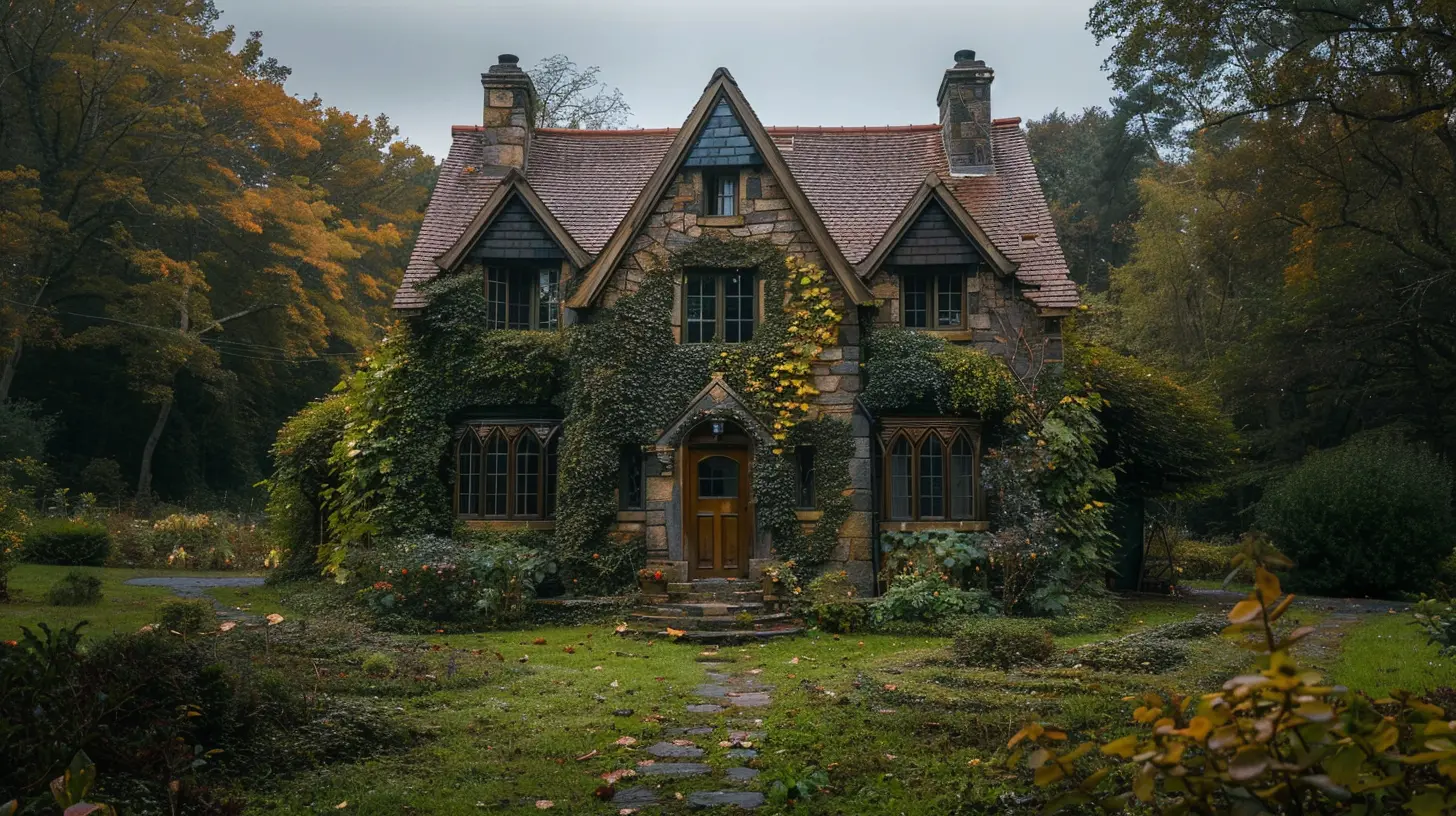
Why People Fall Head Over Heels For Old Homes
Let’s talk love. People go for historic homes for more than just nostalgia. Reasons include:- Unmatched charm and craftsmanship: Ever noticed the intricate woodwork, soaring ceilings, or stained-glass windows in older homes?
- Solid construction: These houses were often built with materials and techniques that have stood the test of time.
- Unique character: No cookie-cutter layouts here. Every room’s got a story.
- Cultural significance: Living in something that’s part of history has a certain cool factor, no doubt.
But just like dating someone with great stories and a questionable ex, there are things you need to know before sealing the deal.
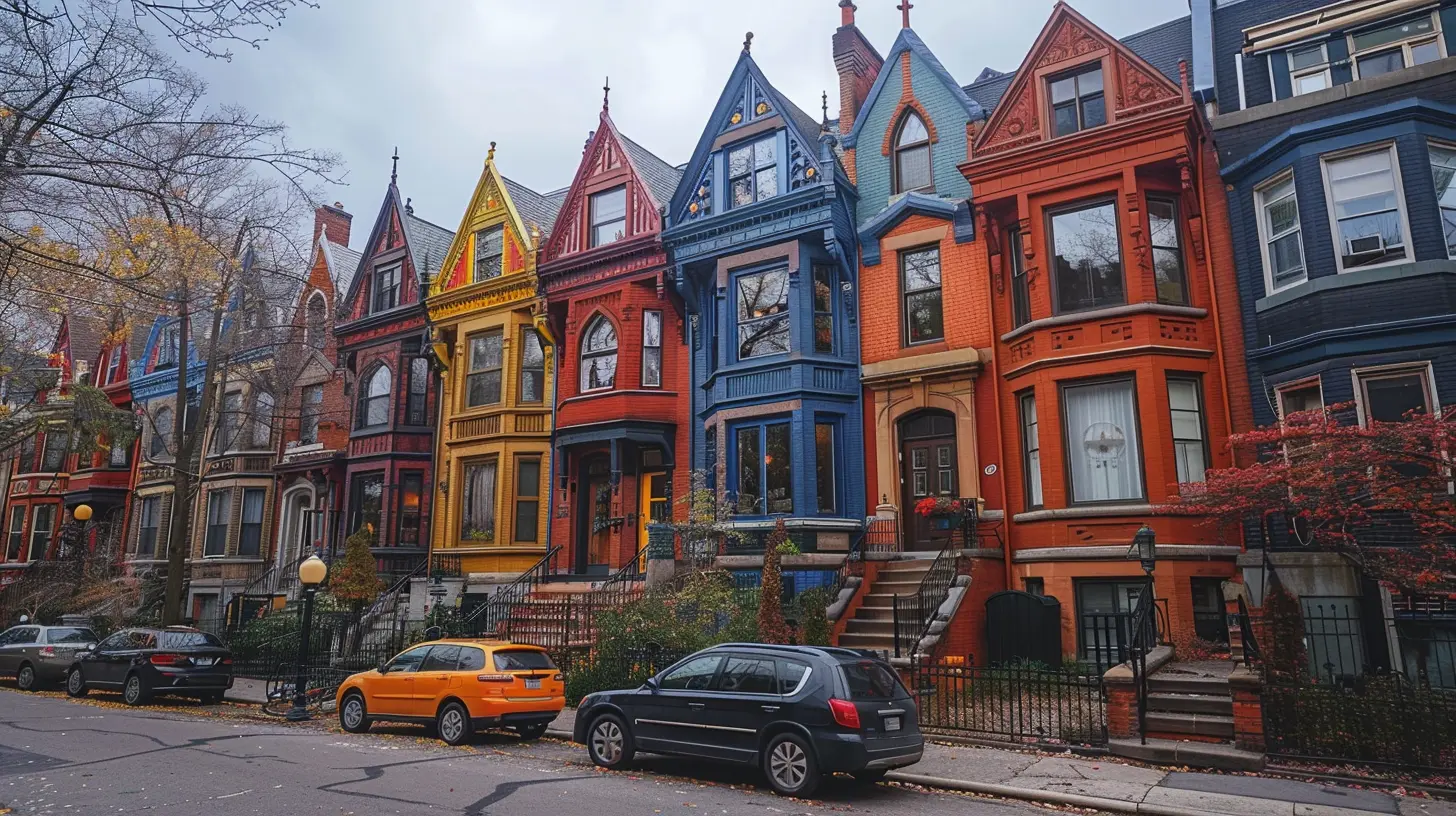
1. Understand What You’re Getting Into—And Onto
Historic homes are different animals. They can bring tons of joy—or a few headaches if you don’t do your homework. Here’s what you need to look out for:Inspections Are Your Best Friend
Old homes = old problems. Before you make an offer, hire a thorough inspector who has experience with historic properties. Ask them to look at:- Foundation and structure: Some settling is normal, but major cracks are red flags.
- Roof and plumbing: Has anything been updated since the Kennedy era?
- Electrical systems: Knob and tube wiring still lurking? It’s gotta go.
- Pests and mold: These are often hidden in older insulation or woodwork.
Think of the inspection as your first date—dig deep and ask the awkward questions.
Restrictions May Apply
One important reality check: if your home is in a historic district or officially registered, you can’t just rip out those antique windows and install a sliding glass door.Many historic homes come with renovation restrictions to preserve their character. That means:
- You might need approval before making changes
- Only certain materials or paint colors may be allowed
- Modernizing the exterior could be totally off the table
Before you let your inner HGTV designer go wild, check in with the local historic preservation office. Otherwise, you might have to redo your redo.
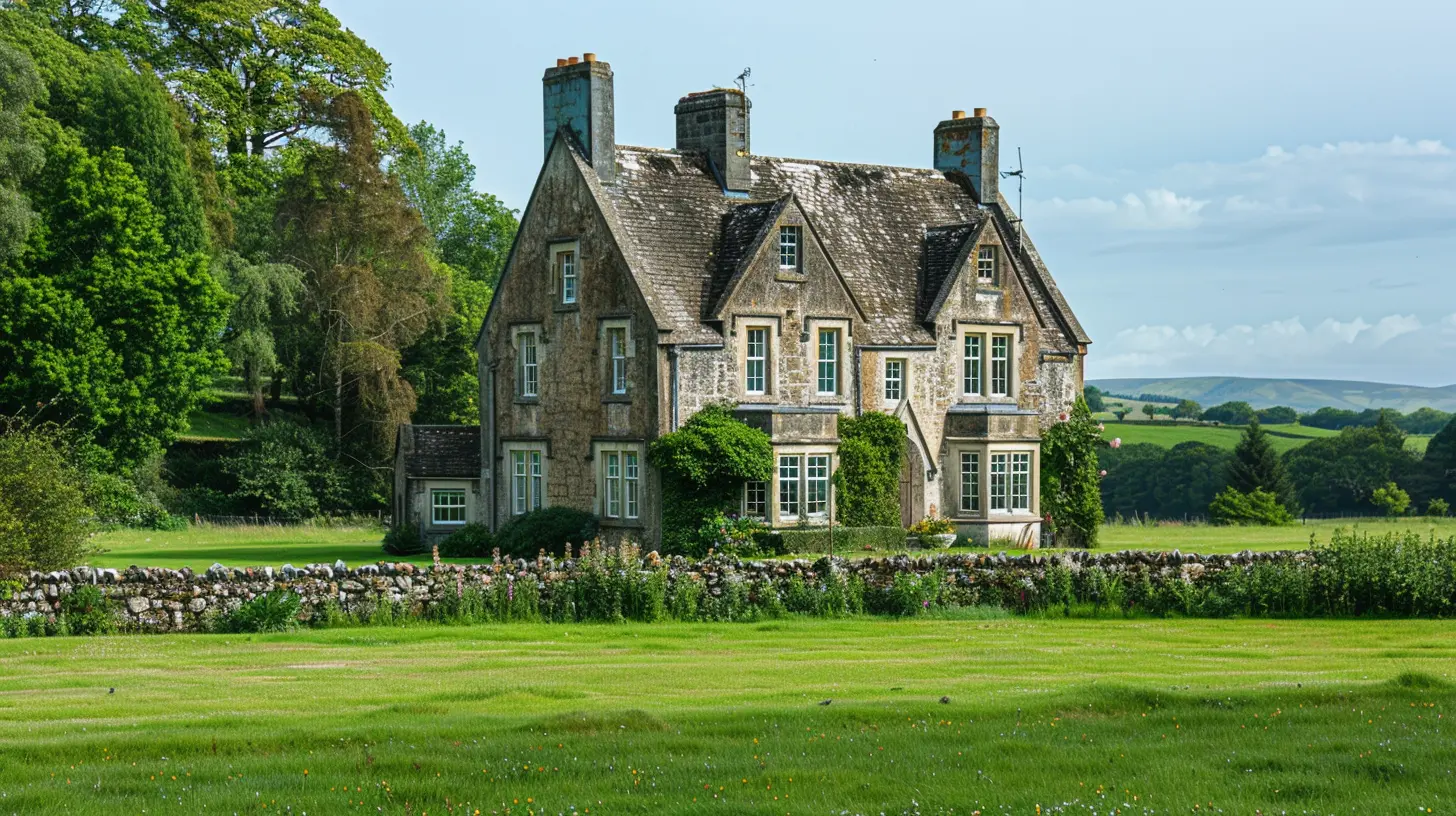
2. Budget Beyond the Price Tag
So you’ve saved for the down payment, closing costs, maybe a new sofa. But have you set aside the “old house fund”?Renovations Can Get Pricey
Historic homes often need updates to meet modern standards. And here’s the kicker—restoring original features isn’t cheap. Custom woodwork costs more than IKEA, my friend.Think:
- Retrofitting old windows (rather than replacing them)
- Specialized craftsmen for woodwork or masonry
- Lead paint or asbestos removal
- Upgrading plumbing or electrical
It’s wise to budget 10-20% of your purchase price for renovations and unexpected fixes.
Insurance Might Be a Beast
Insuring a historic house is a bit more complex. Some insurers shy away from older homes, or they require special policies.Why?
- Replacement costs for unique features are higher
- Risk of electrical fire or flood damage can be greater
- Historic homes may not meet current safety codes
So shop around early. Find an insurer who understands historic properties, and compare their coverage options and premiums.
3. Financing Can Be...Quirky
Traditional mortgages are available for historic homes, but if the house needs significant repairs, you might hit a few speed bumps.Consider a Renovation Loan
Loans like the FHA 203(k) or Fannie Mae’s HomeStyle renovation loan allow you to wrap the cost of buying and fixing the home into one mortgage.Perfect, right? Just make sure:
- You’re clear on the loan limits
- The repairs align with allowable renovation types
- Your contractor is on board with the paperwork
Patience required—it’s a longer process, but worth it if you’re up for a project.
4. Embrace the Learning Curve
Buying a historic home means you’re not just a homeowner—you’re kind of a steward of history. Sounds romantic, but it can also be intimidating.Maintenance Is a Lifestyle
You can’t just "set it and forget it" with these homes. Routine maintenance matters a lot more when dealing with older systems and structures.- Keep gutters clean to avoid water damage
- Check for drafts around doors and windows
- Monitor for termite or pest activity
- Repaint and seal wood surfaces regularly
Think of it like owning a classic car. You don’t take shortcuts—you take care.
You’ll Probably Need Some DIY Skills
While you might not be ready to refinish floors or plaster ceilings, having basic DIY game helps. Even simple skills like caulking or switching out hardware can save you money (and make you feel like a champ).Don’t worry if you don’t know it all yet. YouTube and local hardware stores are your new best friends.
5. Know Your Local Rules and Benefits
This is where it gets interesting.Local Historic Commissions
Many towns have commissions that oversee historic properties. Their main goal? Preserve the architectural integrity of the area. So be sure to:- Ask what permits are needed for renovations (yes, even painting)
- Find out which features can’t be altered
- Talk to neighbors—they've been through it
Tax Incentives and Grants
Sure, historic homes may come with restrictions, but there can be sweet rewards too.- Federal and state tax credits: Available in some cases for approved restorations.
- Local grants: Some cities offer financial incentives to maintain historic details.
- Property tax freezes or exemptions: Depending on where you live, your wallet might thank you.
So check with your local municipality. There could be gold in those policy hills.
6. You're Not Alone (Thank Goodness)
Thinking of buying a historic home might make you feel like you’re stepping into uncharted territory—but you're not. There's a whole community of old-home enthusiasts out there.Join Historic Homeowner Groups
Online forums, Facebook groups, and local preservation societies are gold mines of advice. Whether you're fixing a plaster ceiling or wondering which paint color is “period appropriate,” someone’s probably already done it.Plus, these groups can connect you with experienced contractors and trusted vendors who specialize in historic renovations.
Get to Know Your Neighbors
Historic neighborhoods are often tight-knit. People bond over shared values and a healthy obsession with crown molding. Connecting with your neighbors can mean:- Getting renovation tips
- Lending tools or resources
- Having someone who understands why you're giddy over original doorknobs
Final Thoughts: Is It Worth It?
So, is buying a historic home as a first-time buyer worth it?Absolutely—if you go into it with your eyes wide open. It’s not a fast flip or a quick fix. It’s more like a long-term relationship, complete with character, quirks, and (let’s be real) the occasional splurge.
But for the right buyer, owning a piece of history isn't just worth it—it’s priceless.
So, channel your inner architect, roll up your sleeves, and prepare to fall in love with something that’s stood the test of time. Because buying a historic home? It's not just about bricks and beams—it’s about stories, soul, and making your own mark on the timeline.
all images in this post were generated using AI tools
Category:
Historic HomesAuthor:

Kingston Estes
Discussion
rate this article
1 comments
Issac Mendoza
Exploring historic homes can be exciting for first-time buyers. Understanding the unique challenges and rewards of owning a piece of history is essential. What factors do you think are most important to consider when taking the plunge into a historic property?
June 6, 2026 at 3:23 AM
Kingston Estes
When considering a historic home, it's crucial to evaluate the condition of the property, potential renovation costs, local preservation laws, and the home's historical significance. Each of these factors can greatly impact both your investment and your enjoyment of the property.