Tiny Homes vs. Traditional Houses: The Pros & Cons
9 April 2026
If you've been scrolling through Pinterest or binge-watching home shows lately, you've probably noticed the growing buzz around tiny homes. They're everywhere—from Instagram-worthy cabins in the woods to minimalist designs that squeeze an entire life into under 400 square feet. But how do they actually stack up against traditional houses? Is smaller truly better, or is it just a passing trend?
Buckle up, because we’re diving deep into the tiny house movement versus traditional homes. Whether you’re considering jumping into the tiny house lifestyle or just curious about the hype, this guide breaks down the good, the bad, and everything in between.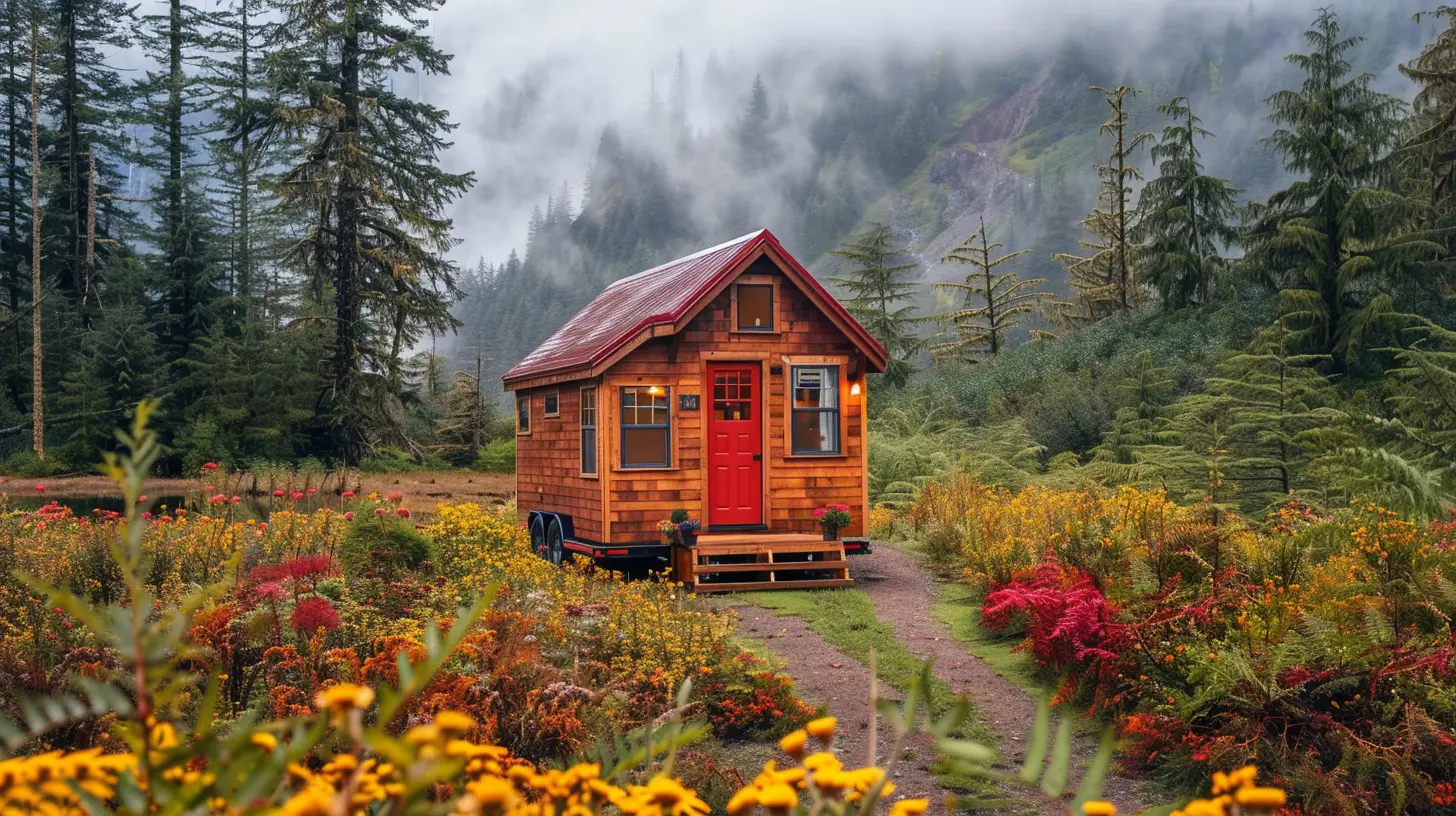
What Are Tiny Homes, Really?
Before we compare, let’s make sure we’re clear on what we’re comparing. Tiny homes are typically between 100 and 400 square feet. Some are stationary, others are on wheels. They're designed to maximize minimalism, reduce costs, and promote a simpler way of living. Think: compact, clutter-free, and eco-friendly.Traditional houses, on the other hand, usually range from 1,200 to over 2,500 square feet and come with all the bells and whistles—spacious kitchens, multiple bathrooms, and often a backyard.
Now that we’ve set the stage, let’s get into the nitty-gritty.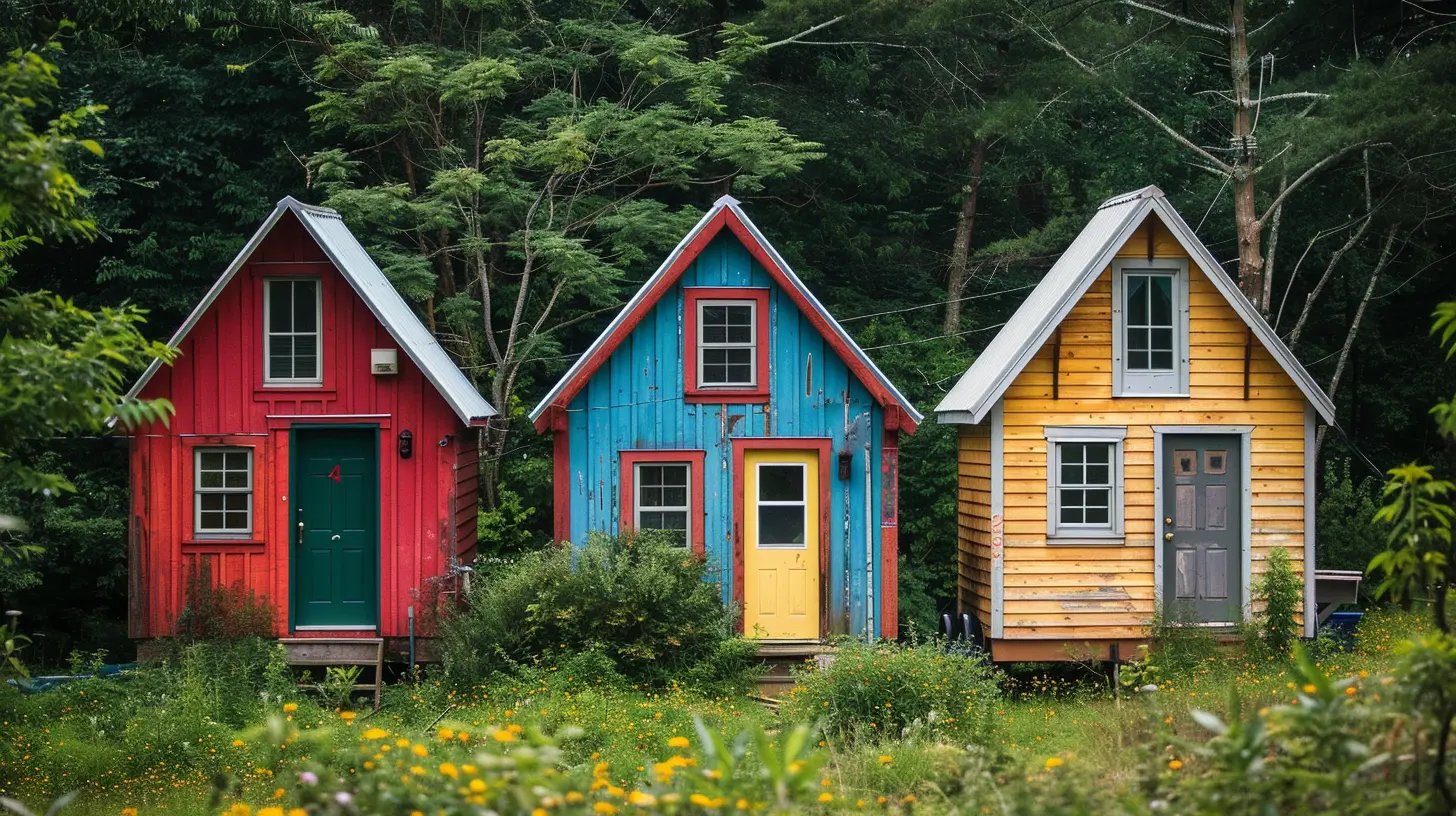
The Pros of Tiny Homes
1. 🚐 Lower Cost of Living
Let’s talk dollars. One of the biggest draws to tiny living is the price tag. A traditional home can cost hundreds of thousands (and the rest), while a tiny home might only set you back $30,000 to $80,000 depending on customizations. That’s a fraction of the cost!And it doesn’t stop at purchase. Heating, cooling, and maintenance costs? All significantly lower. You won’t be racking up a massive energy bill just to stay warm in the winter.
2. 🌎 Eco-Friendly Lifestyle
Tiny homes tend to be sustainable by design. Smaller space means fewer materials used to build it and lower energy consumption long-term. Many owners install solar panels, composting toilets, and rainwater collection systems. Mother Earth gives it two thumbs up.3. ✨ Minimalism and Simplicity
Does clutter stress you out? Tiny living might be your cure. With limited space, you’re forced to prioritize what truly matters. It’s like Marie Kondo came in and designed your whole life.People living in tiny homes often report less stress and more happiness. Doesn’t a clutter-free, simplified life sound kind of dreamy?
4. 💼 Mobility and Flexibility
Some tiny homes are built on wheels, giving you the ultimate freedom. Want to live near the mountains this month and by the beach next? Hook it up to a truck and roll out. It's the RV lifestyle with a homey twist.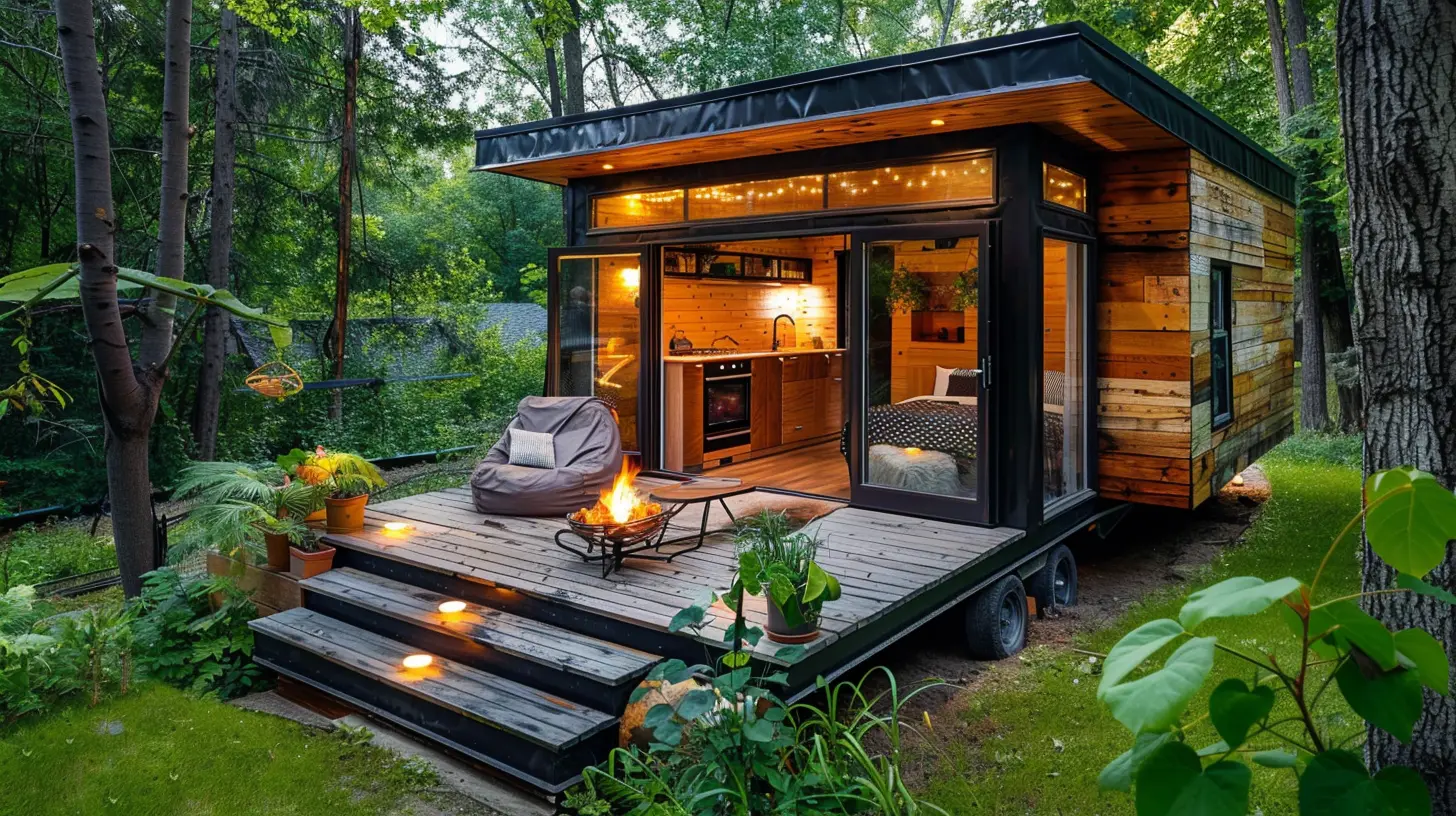
The Cons of Tiny Homes
1. 📦 Limited Space (Obviously)
Let’s not sugarcoat it—tiny homes are, well, tiny. If you need room for hobbies, a home office, or a growing family, the square footage might feel more like a shoebox than a sanctuary.Storage is a daily challenge. Say goodbye to impulse buys at Target, because where exactly will that new lamp go? Spoiler: it won’t.
2. 🏠 Zoning and Legal Restrictions
Here’s a biggie people often overlook. Depending on where you live, laws might not be in your favor. Some cities have strict zoning rules that make parking or even owning a tiny house legally tricky.It’s essential to do a deep dive into local ordinances before hitching your minimalist dream to reality.
3. 🛠 DIY Know-How Often Required
Tiny homes sometimes come with DIY maintenance, especially if they’re custom-built or on wheels. If you're handy with a toolbelt, great. If not? You might find yourself Googling how-to videos more than you’d like.Sometimes professional services can be harder to come by, especially if your tiny home is off-grid or in a remote area.
4. 📉 Limited Appreciation in Home Value
Let’s talk investment. Traditional homes often go up in value over time, especially in growing neighborhoods. Tiny homes? Not so much. In fact, they can depreciate like a vehicle, especially if they’re mobile.If you’re looking to build long-term equity, a tiny house may not be your best bet.
The Pros of Traditional Houses
1. 🛏 Space to Spread Out
One word: space. Whether it’s an extra bedroom, a garage, or a backyard BBQ area, traditional homes offer room to live, grow, and breathe. Want to host a dinner party for 10? Go ahead. You’ve got the space.It’s ideal for families, pets, and even just having your own spot to stretch without knocking over a plant.
2. 💰 Better Long-Term Investment
Traditional homes have a proven track record of increasing in value. Real estate is still one of the most reliable ways to build wealth, especially when you’re strategic about location and timing.Plus, you can build equity, refinance, or leverage it for other financial goals.
3. 🧰 Easier Access to Services
Need a plumber, electrician, or cleaner? Most traditional homes are located in established neighborhoods with easy access to all kinds of services and utilities.Unlike tiny homes in rural or mobile settings, you’re not as likely to face logistical hiccups every time something breaks.
4. 🧑👩👧 Greater Social Acceptance
Let’s be real—there’s still a stigma attached to tiny homes. Whether it’s skepticism from family or side-eyes from neighbors, not everyone gets the appeal.Traditional homes offer a level of normalcy and social acceptance that you don’t have to defend at Thanksgiving dinner.
The Cons of Traditional Houses
1. 💸 Higher Costs All Around
Mortgage? Yep. Property taxes? Oh yes. Energy bills? Don’t even get us started. Owning a traditional home comes with a laundry list of recurring expenses that add up fast.You're basically signing up for a lifetime of monthly bills. Yay, adulthood.
2. 🧹 More Maintenance and Upkeep
More space means more stuff to break, fix, clean, and stress over. Lawn care, roof repairs, leaky faucets—it never ends. You’ll either become a weekend warrior or shell out money for pros to do it for you.3. 🪤 Risk of Overconsumption
Large homes often lead to large amounts of clutter. It’s easier to hoard things you don’t need when you’ve got the room to hide it. That garage full of "just-in-case" items? Guilty.Too much space can sometimes lead to mindless consumerism, which doesn’t really help your wallet or the planet.
What Does Your Lifestyle Say?
Choosing between a tiny home and a traditional house boils down to your lifestyle, goals, and dreams.- Are you into travel, minimalism, and living debt-free? A tiny home might just be your jam.
- Prefer stability, space, and building equity over time? A traditional home could be your best bet.
Neither option is inherently better—you just have to figure out what fits you like a glove.
The Hybrid Option: Best of Both Worlds?
Some folks are getting creative with accessory dwelling units (ADUs) or tiny guest houses on traditional properties. You get the equity of a main home and the flexibility of a smaller space for guests, rental income, or even a backyard office.It’s like combining peanut butter and chocolate. Win-win.
Final Thoughts
Tiny homes are more than just a trend—they represent a shift in how we think about space, stuff, and sustainability. But they’re not for everyone. Traditional houses offer comfort, space, and long-term investment potential, but come with higher costs and more responsibilities.It’s all about trade-offs. The key is knowing yourself and what you’re really after in life. Do you want freedom and simplicity? Or do you crave space and long-term security?
Whatever you choose, make sure it’s something that feels like home—whether that’s 200 square feet or 2,000.
all images in this post were generated using AI tools
Category:
Tiny HomesAuthor:

Kingston Estes
Discussion
rate this article
2 comments
Xavi McMillen
Small spaces, big dreams—let’s weigh the fun!
April 12, 2026 at 8:57 PM
Kingston Estes
Absolutely! Tiny homes maximize creativity and efficiency, proving that dreams can thrive in any space.
Courtney Bennett
Great article! Both tiny homes and traditional houses have unique benefits. It’s all about finding your perfect fit!
April 10, 2026 at 3:40 AM
Kingston Estes
Thank you! I’m glad you enjoyed the article and appreciate your insight on finding the right fit for individual needs!