Tiny Homes for Families: Making Small Spaces Work for Everyone
17 June 2026
The tiny home movement has been gaining traction for years, but can a family truly thrive in a small space? The answer is a resounding YES! With smart planning, creativity, and a bit of organization, tiny homes can be a fantastic option for families looking for affordability, sustainability, and a simpler way of life. Let’s dive into how you can make a tiny home work for your entire family without losing your sanity.
Why Choose a Tiny Home for Your Family?
1. Financial Freedom
Let’s be real—housing prices are through the roof! Tiny homes provide a cost-effective alternative to traditional homes, allowing families to save money on mortgages, utilities, and maintenance. Imagine what you could do with those extra dollars—travel, invest, or just breathe a little easier financially.2. Less Clutter, More Time
A tiny home forces you to declutter and focus on what truly matters. That means less time spent cleaning and organizing and more time spent making memories with your loved ones. The simplicity of tiny living helps families prioritize experiences over stuff.3. Eco-Friendly Living
Tiny homes often have a smaller carbon footprint than traditional houses. Many are built using sustainable materials and feature energy-efficient designs. If you're looking to raise an eco-conscious family, a tiny home is a great way to lead by example.4. A Closer Family Bond
Tiny living naturally brings families closer—literally and figuratively. With less space, communication and teamwork become essential parts of daily life. It’s about learning to coexist, compromise, and create a harmonious home life.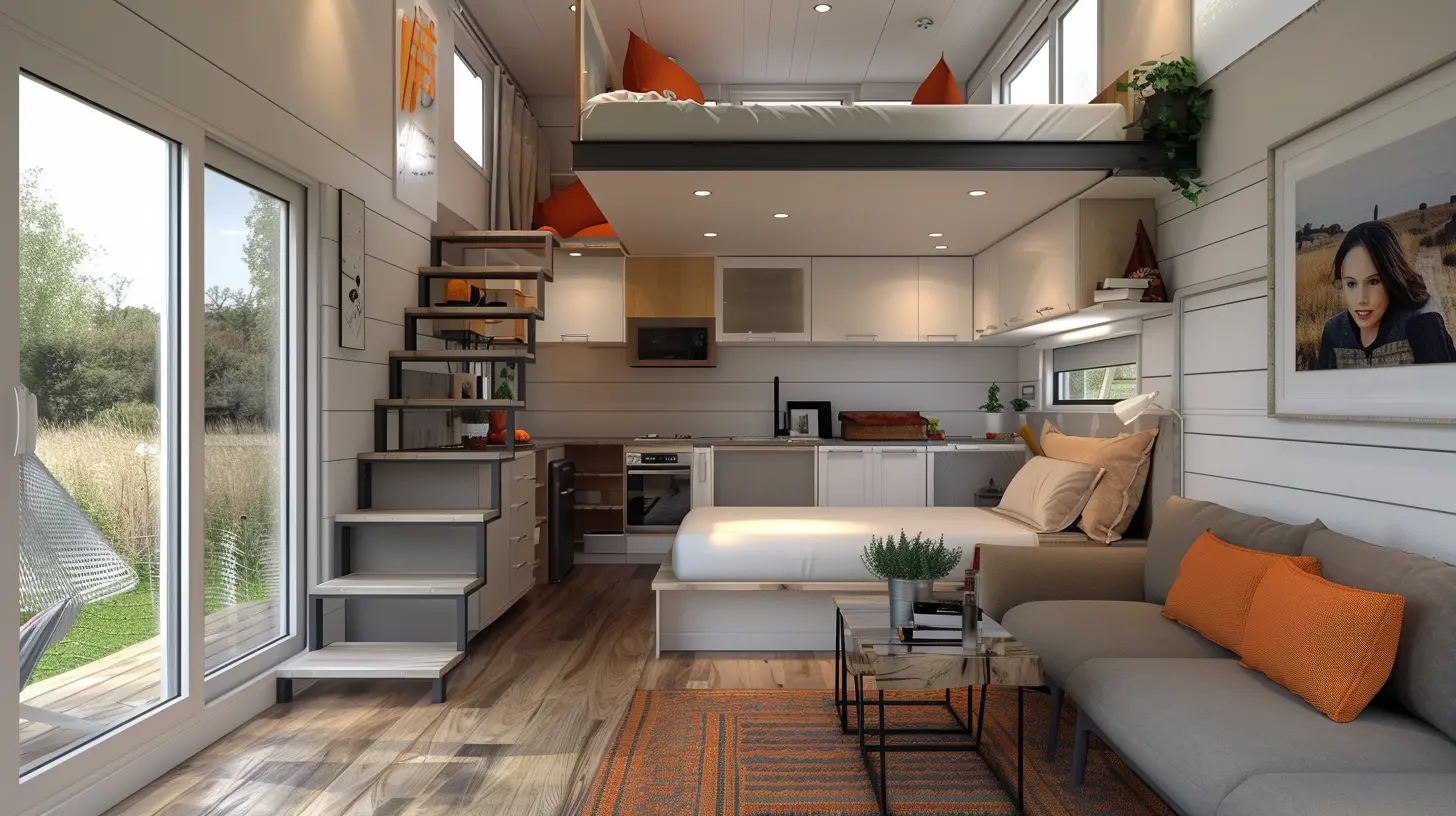
Key Considerations When Designing a Tiny Home for a Family
1. Multi-Functional Spaces
Every square inch of a tiny home needs to serve multiple purposes. Think of a dining table that folds into the wall, a couch that turns into a bed, or stairs with built-in storage. If every item in your home has more than one use, you’re on the right track.2. Smart Storage Solutions
Tiny homes demand smart organization. Maximize vertical space with shelves, use under-bed storage, and get creative with furniture that doubles as storage units. Hooks, baskets, and hidden compartments are your best friends.3. Privacy Matters
Just because you live small doesn’t mean you have to sacrifice personal space. Smart layouts can create designated areas for parents and kids. Lofted sleeping areas, sliding doors, and curtains can give everyone a sense of privacy when needed.4. Kid-Friendly Design
If you've got little ones, safety should be a priority. Rounded furniture, secure ladders, and child-proofed storage solutions can make tiny living safer for kids. Also, consider play areas and creative spaces to keep them entertained.5. Outdoor Living Expansion
A tiny home doesn’t have to feel small if you take advantage of outdoor spaces. Decks, patios, and backyard extensions can act as extra living rooms. Think hammocks, fire pits, picnic tables, and even an outdoor play area for the kids!
How to Make Tiny Living Comfortable for a Family
1. Establish House Rules
In a tiny home, routines and boundaries are crucial. Set rules about personal space, storage, and shared responsibilities, so everyone is on the same page.2. Maximize Natural Light
Dark, cramped spaces can make a tiny home feel even smaller. Large windows, skylights, and light-colored walls help create an open, airy feel.3. Keep It Minimal Yet Functional
If you don’t need it, don’t keep it. Adopting a minimalist lifestyle can make tiny living so much easier. Prioritize quality over quantity and choose multipurpose decor.4. Rotate Toys and Clothes
For families with kids, clutter can pile up fast. Instead of keeping everything out, rotate toys and seasonal clothes. Store extra items in bins and swap them out as needed.5. Prioritize Comfort
Just because your home is small doesn’t mean it can’t be cozy. Invest in high-quality mattresses, soft lighting, and comfy seating to make tiny living enjoyable for everyone.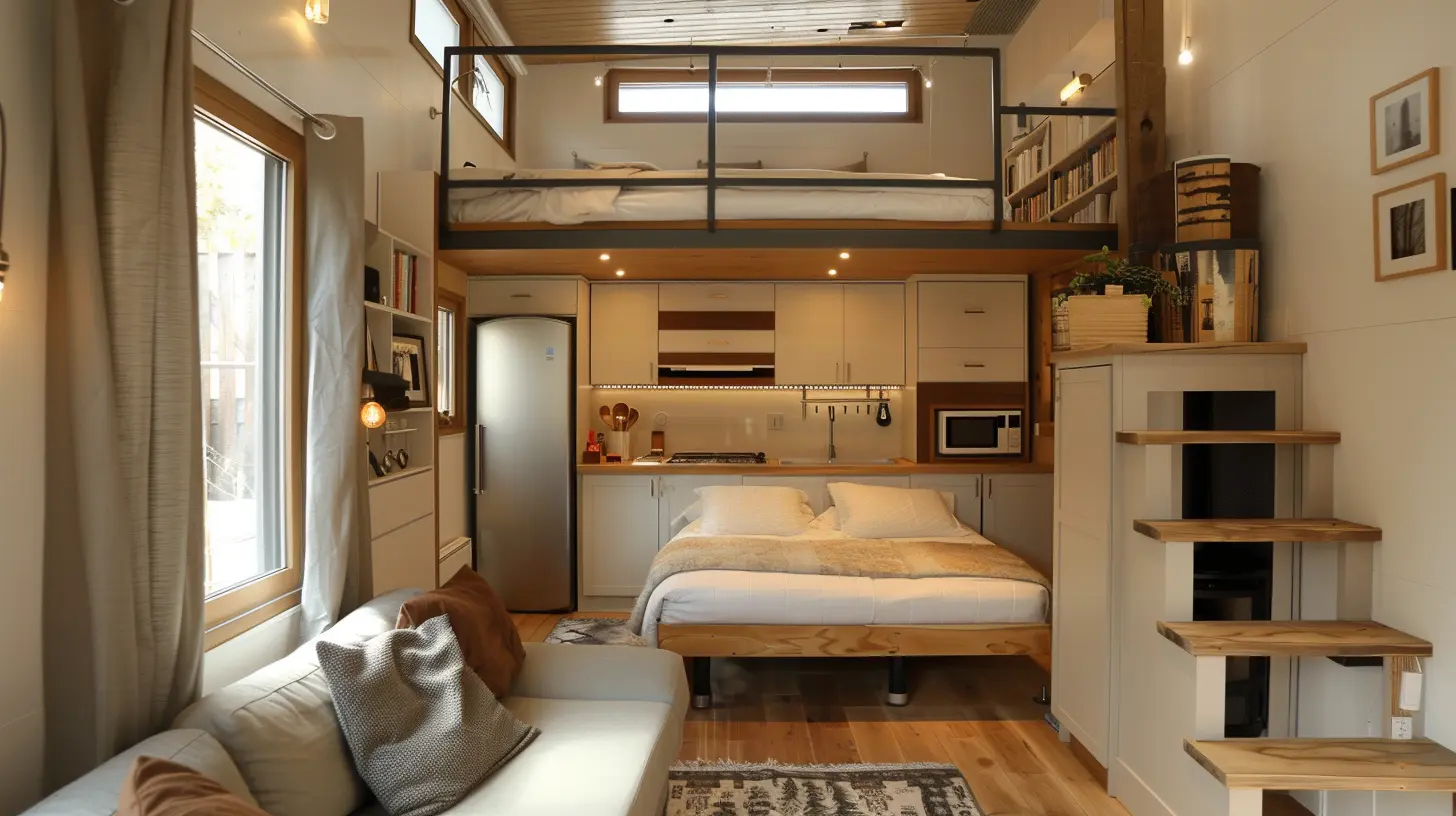
Tiny Home Layout Ideas for Families
1. The Lofted Bedroom Design
A popular choice for families, lofted bedrooms help maximize floor space. Parents can sleep upstairs while kids have a bunk bed setup below. This design keeps sleeping areas separate without needing extra square footage.2. The Split-Level Tiny Home
If privacy is a concern, a split-level layout might be the way to go. Parents and kids can have their own sleeping nooks on different levels, separated by a living space or kitchen.3. The Bunkhouse Style
For families with multiple kids, bunk beds or pod-style sleeping areas are efficient space savers. Each child gets their own little "room" within the home while still fitting within the tiny footprint.4. The Open-Concept Layout
A more open design allows for flexible use of space. Instead of rigid rooms, furniture and partitions can be moved or folded away to create different zones throughout the day.Is a Tiny Home Right for Your Family?
Not every family is cut out for tiny living, and that’s okay! It requires a willingness to downsize, adapt, and embrace simplicity. If you're looking for a way to save money, live more sustainably, and grow closer as a family, a tiny home could be just what you need.Ask Yourself These Questions:
- Are you comfortable with downsizing and decluttering?- Can your family handle close-quarters living without feeling cramped?
- Are you open to creative storage solutions and multi-purpose furniture?
- Do you value experiences over material possessions?
If you answered "yes" to these, tiny living might just be the perfect fit for your family.
Final Thoughts
Living in a tiny home as a family isn’t just about squeezing into a smaller space—it’s about embracing a simpler, more intentional way of life. With smart design, organization, and creativity, tiny homes can be just as functional and comfortable as traditional houses.If you’ve been dreaming of financial freedom, a greener lifestyle, and more quality time with your loved ones, making a tiny home work for your family might be the best decision you’ll ever make.
all images in this post were generated using AI tools
Category:
Tiny HomesAuthor:

Kingston Estes
Discussion
rate this article
1 comments
Zariah McNair
Small spaces, big family love... embrace it!
June 26, 2026 at 3:02 AM
Kingston Estes
Absolutely! It's amazing how love can turn any space into a cozy home.