The Top Emerging Neighborhoods in Chicago for 2026
25 April 2026
Let’s cut the crap: Chicago isn’t just the “Second City” anymore—it’s the comeback city. While everyone’s been obsessing over Austin or Nashville, the Windy City has been quietly cooking up something special. You’ve heard the whispers: “Chicago is dead.” Bullshit. The neighborhoods I’m about to drop on you are proof that this town is not only alive—it’s evolving into something fiercer, more affordable, and more electric than ever. By 2026, these pockets won’t be secrets; they’ll be goldmines. So, if you’re an investor, a first-time buyer, or just someone tired of paying $2,500 for a shoebox in Logan Square, strap in. We’re going deep into the dirt—and the diamonds.
Why 2026? The Perfect Storm for Chicago’s Next Boom
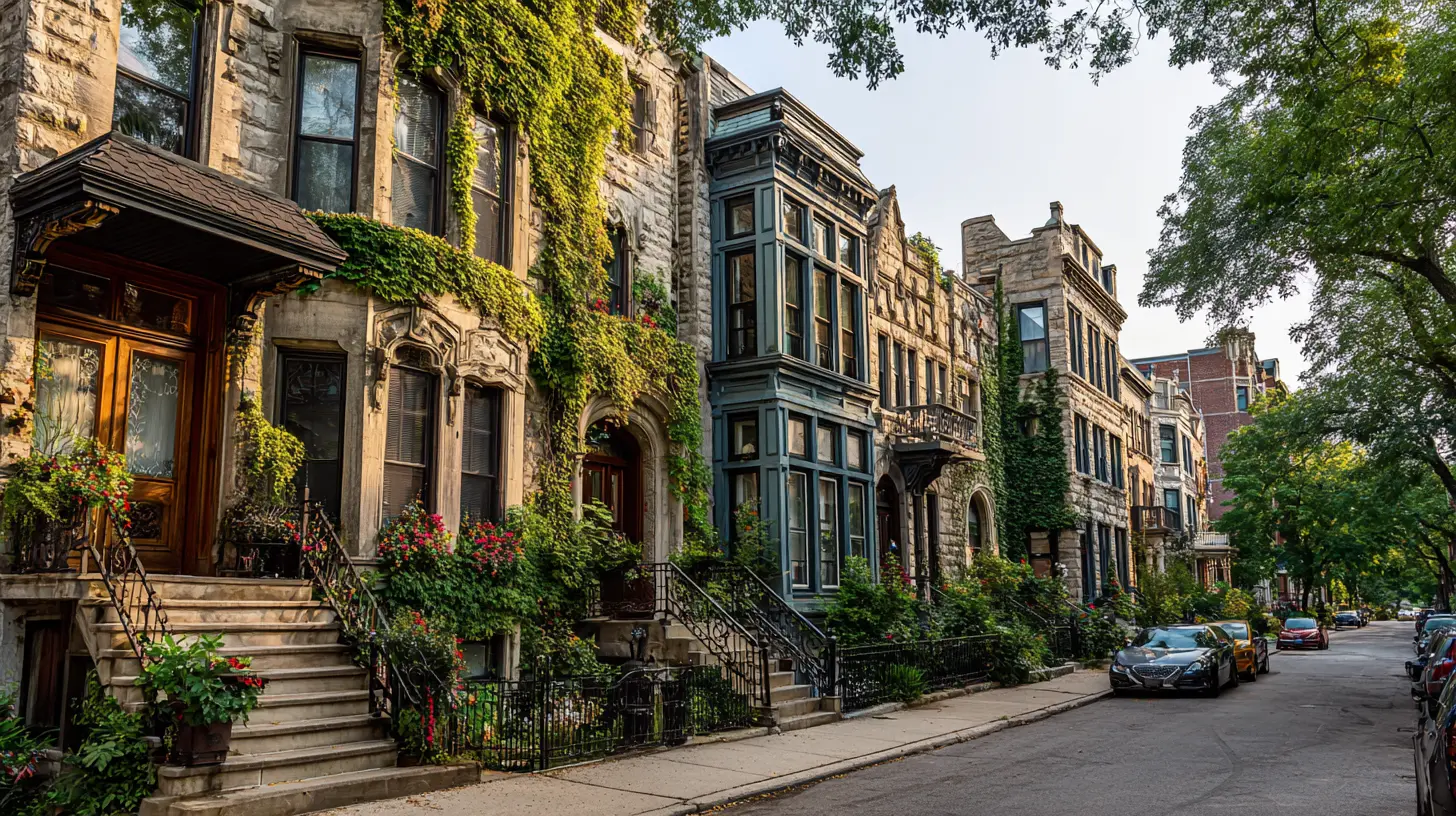
Here’s the thing: real estate runs on cycles, and Chicago is about to hit its sweet spot. By 2026, remote work will have fully reshaped the city’s bones. Downtown offices are converting to residential towers. The CTA is getting its act together (finally). And the cost of living in coastal cities? It’s a dumpster fire. Chicago’s median home price is still a fraction of New York or San Francisco—think $325,000 vs. $1.3 million. That’s not a gap; that’s a canyon.But here’s the real kicker: the neighborhoods that are “up-and-coming” right now? They’re about to explode. I’m talking 40% appreciation in five years. I’m talking rent growth that’ll make your head spin. And the best part? The city’s infrastructure is pouring money into transit, parks, and mixed-use developments. It’s like watching a slow-motion rocket launch. So, where do you park your cash—or your family—before the launch? Let’s break it down.
1. South Shore: The Lakefront Comeback You Can’t Ignore
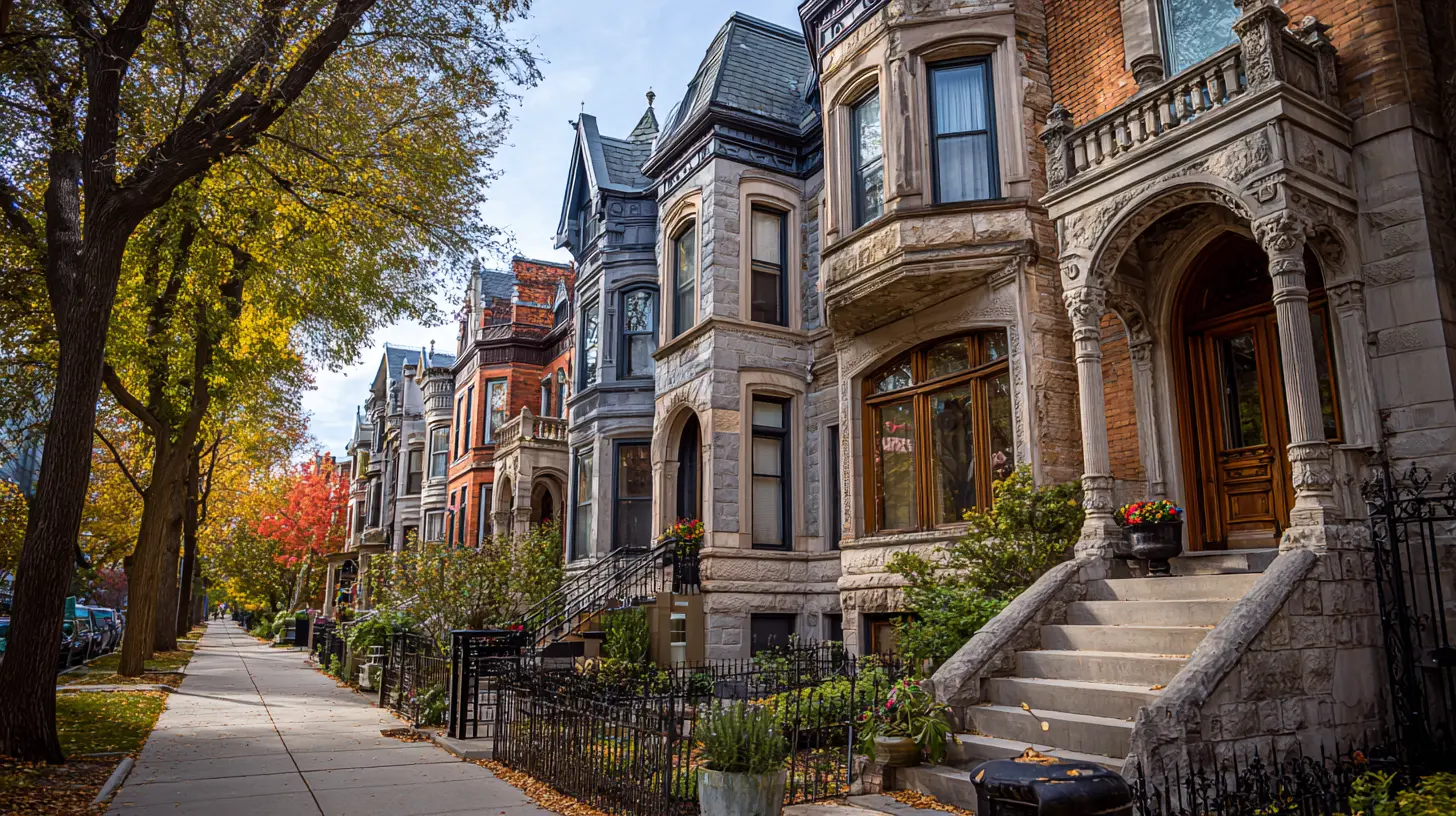
If you think South Shore is just a forgotten stretch of Lake Michigan, you’re living in 2015. By 2026, this neighborhood will be the crown jewel of Chicago’s south side. Why? Because it has everything: lakefront access, historic architecture, and a wave of reinvestment that’s already rolling.The Numbers Don’t Lie: Home prices here are still under $200,000 for single-family homes. Meanwhile, the South Shore Cultural Center is being renovated, and the 71st Street beach is getting a $10 million facelift. Developers are snapping up vacant lots like hotcakes. You know what happens when the lake meets low prices? Gentrification, baby—but the smart kind.
What to Watch: The new Metra Electric Line upgrades will slash commute times to the Loop to under 20 minutes. Plus, the Obama Presidential Center in Jackson Park is just a bike ride away. That’s not just a museum; that’s a catalyst. By 2026, expect coffee shops, breweries, and a wave of young families priced out of Hyde Park. Rhetorical question: Do you want to buy in when the hipsters are still arguing over which taco spot is “authentic,” or after the prices double?
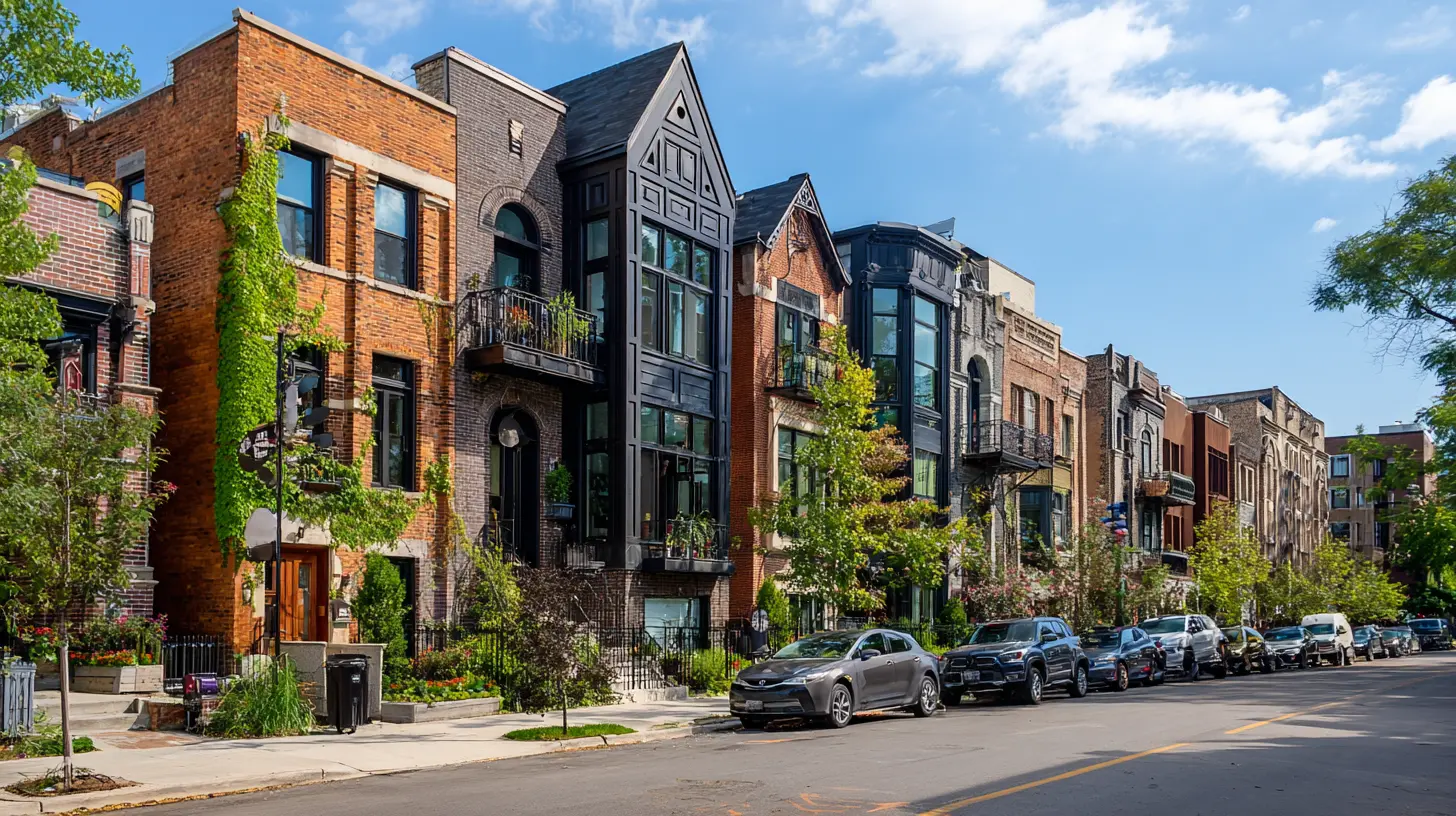
2. Humboldt Park: The Green Giant That’s Waking Up
Humboldt Park has been the underdog for a decade. But 2026 is the year it punches through the ceiling. This neighborhood has two things going for it: an iconic, 207-acre park that rivals Central Park (fight me) and a cultural renaissance that’s impossible to fake.The Vibe: It’s raw, it’s real, and it’s getting polished. The Paseo Boricua corridor on Division Street is a Puerto Rican cultural hub, but new developments are creeping in—think boutique gyms, farm-to-table spots, and art galleries. Home prices have already jumped 15% in 2024, but they’re still a steal compared to Wicker Park. You can grab a two-flat for $350,000 and rent out the upper unit for $1,800. That’s a 6% cap rate, folks.
The Infrastructure Play: The city is investing $50 million in the Humboldt Park lagoon restoration and adding bike lanes that connect to the 606 trail. By 2026, this place will be a green corridor linking the west side to the lake. Metaphor alert: Humboldt Park is like a sleeping giant—it’s not just stretching its legs; it’s about to stand up and take a bite out of Chicago’s skyline.
3. Avondale: The Next Logan Square (Without the Arrogance)
Remember when Logan Square was “up-and-coming”? Now it’s a $1,200-a-month studio nightmare. Avondale is the answer. It’s the neighborhood that’s been simmering for years, and 2026 is the boil.Why Avondale Works: It’s got the bones of Logan Square—bungalows, two-flats, and industrial spaces—but without the hype tax. The Belmont Avenue corridor is exploding with new restaurants (shout-out to Lettuce Entertain You’s latest projects), and the CTA Blue Line’s Belmont stop is getting a major overhaul. Commute to the Loop? Twenty-five minutes. Rent? Still under $1,500 for a one-bedroom.
The Hidden Gem: The Avondale Industrial Corridor is being rezoned for mixed-use. Think breweries, maker spaces, and lofts. By 2026, this will be the spot for creative professionals who want to live within walking distance of a speakeasy and a dog park. Personal take: I’ve got a buddy who bought a three-flat here in 2022 for $450,000. He’s already cash-flowing $2,000 a month. By 2026, he’ll be sitting on $700,000 in equity. That’s not luck; that’s timing.
4. Bronzeville: Black History Meets Billion-Dollar Development
Bronzeville is a neighborhood with a legacy so rich it should be a UNESCO site. From the Great Migration jazz clubs to the historic Rosenwald Courts, this place has soul. And by 2026, it’s going to have a skyline to match.The Big Moves: The Bronzeville Lakefront development is a $3.8 billion project that includes 5,000 housing units, a new park, and a direct connection to the lake. That’s not a rumor; that’s approved and under construction. Plus, the Obama Presidential Center is just a stone’s throw away. Combine that with the CTA’s Red Line extension plans (Bronzeville gets a new station), and you’ve got a recipe for 30% appreciation.
The Reality Check: Home prices are still reasonable—$250,000 for a vintage greystone. But the wave is coming. By 2026, expect prices to mirror Hyde Park. Bursty fact: In 2023, Bronzeville saw a 22% increase in median home value. That’s not a blip; that’s a trend. If you’re looking for a place where history and progress collide, this is it.
5. Pullman: The Historic Industrial Town That’s Reinventing Itself
Pullman is the wild card. It’s a National Monument—literally, the Pullman National Historical Park—and it’s being reborn as a live-work-play destination. By 2026, this will be the most unique neighborhood in Chicago.The Pitch: Pullman is a planned community from the 1880s that fell into decline. Now, it’s getting a $40 million revitalization. The historic clock tower is restored, new housing is going up, and the Metra Electric line connects you to downtown in 30 minutes. Homes here are still under $150,000. That’s insane for a city that’s within spitting distance of Lake Michigan.
Why It Works for 2026: The city is pushing “transit-oriented development” hard in Pullman. Think affordable housing near train stations, plus commercial space for small businesses. It’s not for everyone—it’s quiet, it’s historic, and it’s a bit raw. But if you want to own a piece of American history for the price of a used car, Pullman is your ticket. Analogy: Pullman is like a vintage record—it’s scratchy, it’s old, but when you put it on the turntable, it sounds better than anything new.
6. West Town’s Hidden Corners: Ukrainian Village & East Village
I know, I know—West Town isn’t “emerging.” But hear me out. The fringes of Ukrainian Village and East Village are still undervalued. By 2026, the spillover from the already-hot areas will make these blocks the next big thing.The Specifics: Think Division Street west of Western Avenue and Chicago Avenue east of Ashland. These are blocks where you can still find a two-bedroom condo for $250,000. The reason? They’re not “Instagrammable” yet. But the restaurants are creeping in, the vintage shops are popping up, and the commute is 15 minutes to the Loop. By 2026, these blocks will be fully gentrified, with prices hitting $400,000.
The Strategy: Buy a fixer-upper. Renovate. Hold for five years. That’s the play. Rhetorical question: Are you really going to wait until the “For Sale” signs say “Starting at $600,000”? Don’t be that person.
7. Englewood: The Controversial Comeback (Yes, Really)
I can already hear the skepticism. “Englewood? Are you insane?” Look, I get it. This neighborhood has a reputation. But here’s the truth: Englewood is ground zero for one of the most aggressive community-driven redevelopments in the country. By 2026, it won’t be the same place.The Evidence: The Englewood Quality of Life Plan has poured $30 million into new parks, grocery stores, and housing. The Whole Foods (yes, a Whole Foods) that opened in 2019 is still thriving. The 63rd Street corridor is getting new mixed-use buildings. Home prices? You can still buy a brick bungalow for $50,000. That’s not a typo.
The Risk vs. Reward: This isn’t for the faint of heart. Crime is still a factor, and the recovery is slow. But if you’re an investor with long-term vision, the upside is astronomical. By 2026, even a 10% improvement in safety and amenities will double property values. Metaphor: Englewood is like a phoenix that’s just starting to singe its feathers. The fire is coming; you just have to decide if you want to be there for the ashes or the flight.
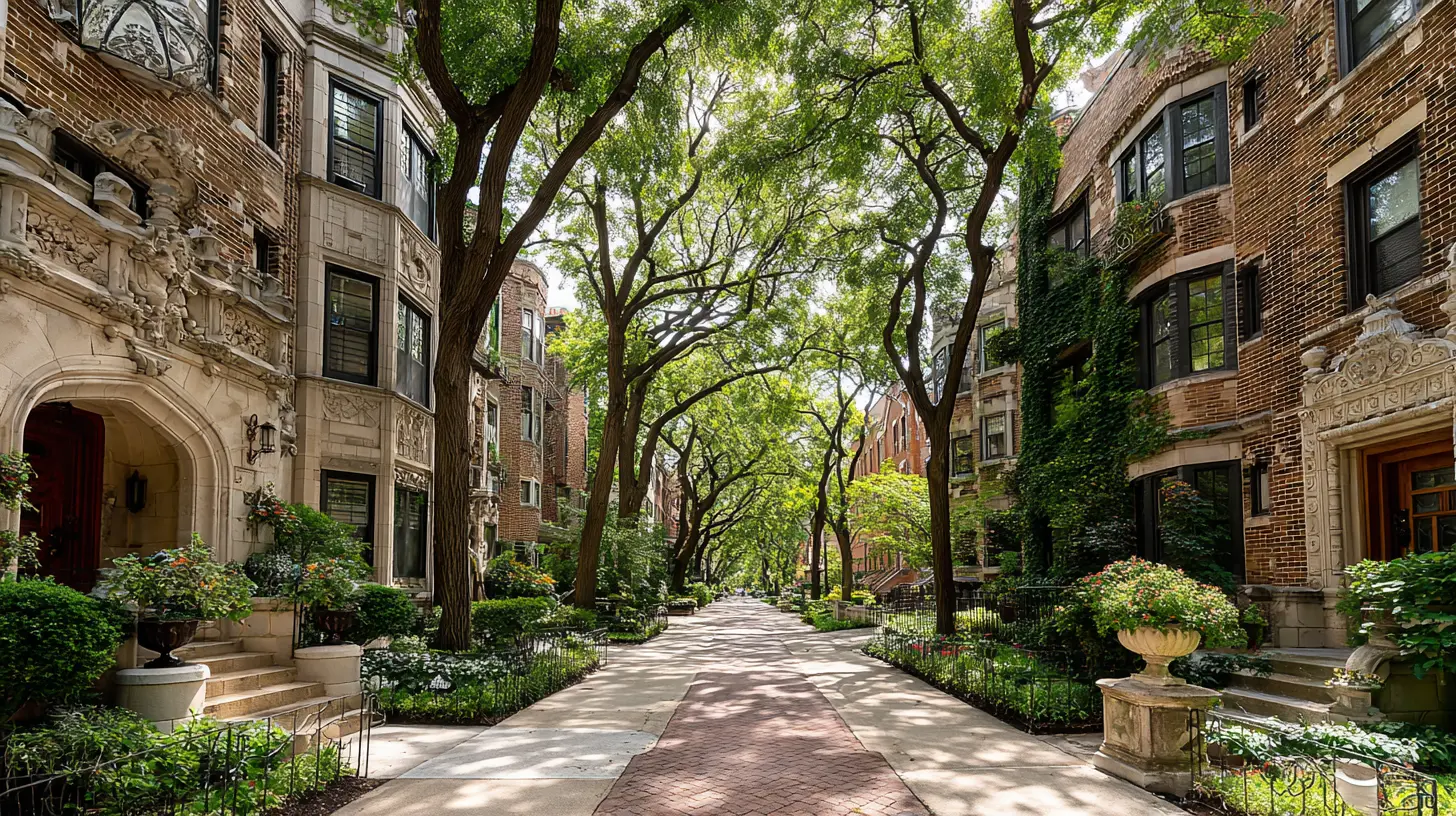
How to Play These Neighborhoods in 2026
Here’s the cheat code: don’t chase the hype. The neighborhoods I’ve listed are all at different stages of the cycle. South Shore is early-stage, Humboldt Park is mid-stage, and Avondale is late-stage. Your strategy depends on your risk tolerance.For Investors: Target South Shore, Pullman, or Englewood. Buy low, hold for 5-10 years, and ride the appreciation wave. For Homebuyers: Humboldt Park and Bronzeville offer the best balance of affordability and upside. For Renters: Avondale and West Town fringes give you the vibe without the price tag.
And remember: Chicago real estate is a marathon, not a sprint. The city’s fundamentals—diverse economy, world-class transit, and culture—are rock solid. By 2026, these neighborhoods won’t be “emerging.” They’ll be the new hotness. Get in before the rest of the world wakes up.
Final thought: The best time to buy was yesterday. The second-best time is right now. So, what are you waiting for? Go walk the blocks, talk to the locals, and smell the coffee shops that haven’t opened yet. That’s where the money is.
all images in this post were generated using AI tools
Category:
Neighborhood GuidesAuthor:

Kingston Estes
Discussion
rate this article
2 comments
Matilda Dodson
Exciting growth and opportunities ahead!
May 8, 2026 at 4:22 AM
Kingston Estes
Thanks for your enthusiasm! There's a lot to look forward to in these neighborhoods.
Fletcher McCracken
Great insights! As a local, I’d add that Logan Square’s transit access and Albany Park’s affordability make them strong contenders. Excited to see how these neighborhoods evolve by 2026.
April 30, 2026 at 10:41 AM
Kingston Estes
Thanks for the input! Logan Square and Albany Park really do have unique strengths. It'll be interesting to watch their growth.