The Secret Sauce of Neighborhoods That Keep Growing
4 November 2026
The real estate landscape is constantly evolving, influenced by a myriad of factors that determine which neighborhoods thrive and which ones stagnate. Understanding the nuances of what makes some areas flourish can be the key to making smart investments or finding the perfect place to call home. In this article, we will delve deep into the elements that contribute to the growth of neighborhoods, offering insights, practical advice, and real-world examples to guide your decisions.
Understanding Neighborhood Dynamics
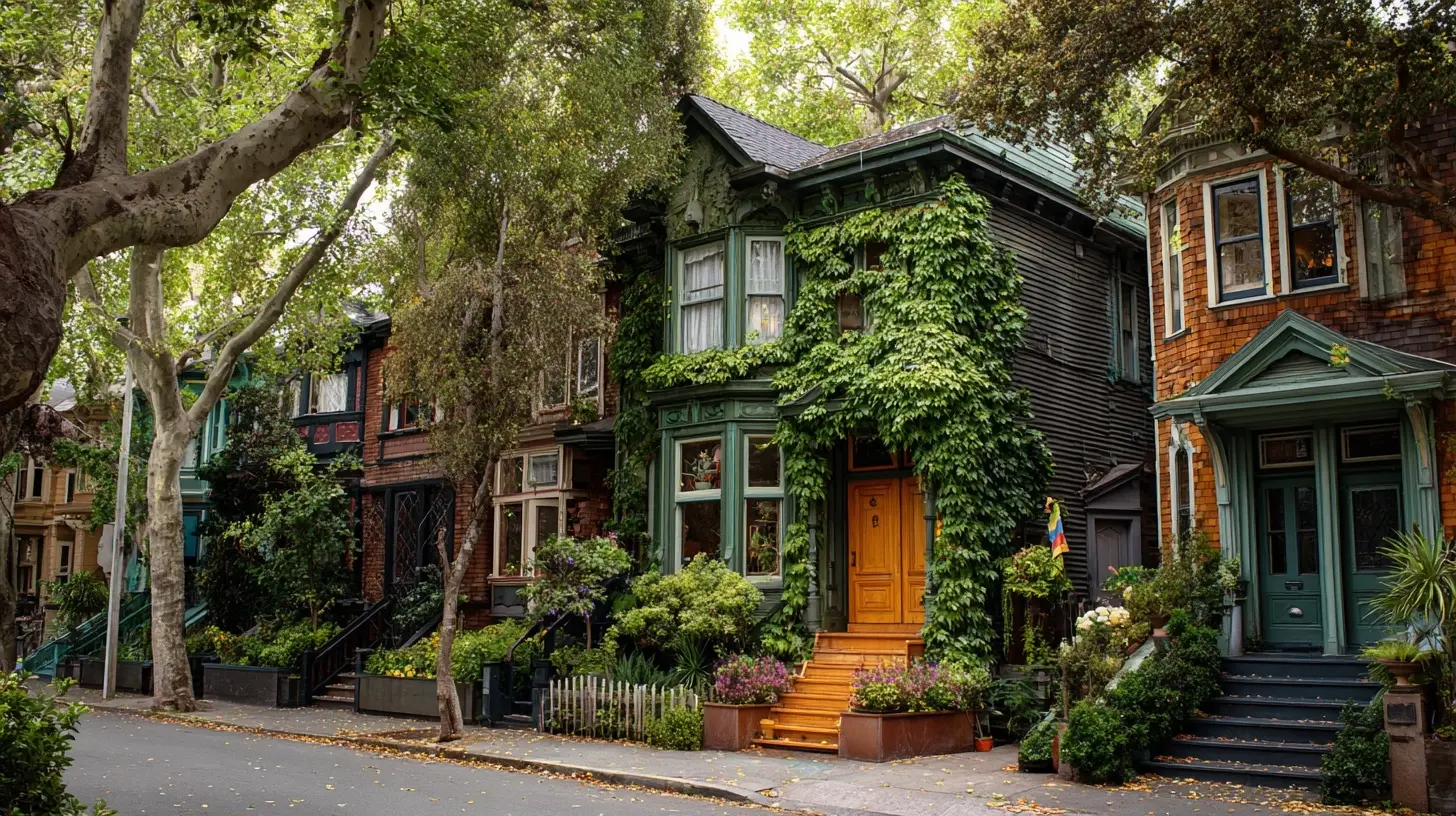
Before we dissect the ingredients that make a neighborhood thrive, it's important to understand what we mean by "neighborhood dynamics." This term encompasses the interactions between residents, local businesses, infrastructure, and community services. It reflects how these factors influence the desirability and livability of an area.Economic Factors
Economic stability is perhaps the most significant factor influencing neighborhood growth. Areas with diverse job opportunities tend to attract more residents. Here are some key economic indicators to watch:- Employment Rates: A low unemployment rate often signals a healthy job market. For example, neighborhoods near tech hubs like Silicon Valley or Austin, Texas, have seen rapid growth due to the influx of tech companies.
- Income Levels: Higher average incomes can lead to increased spending on local services, which helps businesses thrive. Look for neighborhoods where median incomes are rising, as this can indicate growing economic health.
- Business Investment: The presence of new businesses, especially well-regarded ones, can be a clear sign of a neighborhood's potential. A thriving small business community can create jobs and foster a sense of local identity.
Demographic Trends
Demographics play a critical role in how neighborhoods evolve. Changes in population composition can lead to shifts in demand for housing, services, and amenities.- Age Distribution: Younger populations often seek vibrant communities with nightlife and cultural activities, while older demographics may prioritize quiet neighborhoods with healthcare access. For instance, neighborhoods like Williamsburg in Brooklyn have attracted younger residents due to their artistic vibe, while areas like Sarasota, Florida, are popular among retirees.
- Cultural Diversity: Areas with a rich mix of cultures can attract a broad range of residents and businesses. This diversity can enhance community engagement and encourage unique local events.
Infrastructure and Accessibility
Infrastructure contributes significantly to a neighborhood's attractiveness. Good transportation links, schools, and amenities can elevate an area's desirability.- Public Transportation: Proximity to reliable public transport can increase property values. For instance, neighborhoods near subway lines in major cities like New York or San Francisco often see increased demand.
- Walkability: Areas designed for pedestrians can foster a sense of community. Research shows that walkable neighborhoods often experience higher property values and lower crime rates.
- Schools: Quality educational institutions are a major draw for families. Neighborhoods with well-rated public schools tend to see consistent demand, as parents prioritize education for their children.
Community Engagement
A strong sense of community can significantly enhance a neighborhood's appeal. Residents who actively participate in local governance and community events foster a positive living environment.- Neighborhood Associations: Active associations can lead to better maintenance of public spaces and organized community events, which enhance neighborhood cohesion. Areas with engaged residents often enjoy lower crime rates and higher property values.
- Local Events: Farmers markets, art fairs, and community gatherings can create a sense of belonging. For example, neighborhoods that host regular events often see increased foot traffic and local business support.
Real-World Examples of Growing Neighborhoods
To solidify our understanding, let's look at a few neighborhoods that exemplify these principles.The Rise of East Austin
East Austin has transformed from a struggling area to one of the most desirable neighborhoods in the country. Factors contributing to this growth include:- Cultural Renaissance: East Austin has become a hub for artists, musicians, and young professionals. The influx of creativity has led to new businesses and a vibrant local economy.
- Investment in Infrastructure: Recent developments in public transport and green spaces have made the area more accessible and attractive.
- Community Initiatives: Active neighborhood associations work to preserve the cultural identity of the area while promoting growth.
The Resurgence of Detroit's Corktown
Corktown, once known for its economic decline, is experiencing a renaissance. Key factors include:- Revitalization Projects: Investment in new housing and commercial spaces has attracted young professionals and families.
- Cultural Heritage: The neighborhood's rich history and unique architecture draw attention, while local events celebrate its heritage.
- Strategic Location: Proximity to downtown Detroit offers residents easy access to employment and entertainment options.
Practical Advice for Homebuyers and Investors
Understanding the dynamics behind neighborhood growth can empower you to make informed decisions, whether you're buying a home or investing in real estate.Research Before You Buy
- Analyze Economic Indicators: Look for neighborhoods with strong employment growth and rising income levels. Tools like local economic reports and real estate market analyses can provide valuable insights.- Demographic Studies: Evaluate demographic trends to understand who is moving into the area. Resources such as the U.S. Census Bureau data can offer detailed insights.
Assess Infrastructure and Amenities
- Visit the Neighborhood: Spend time in potential neighborhoods at various times of day. Check for amenities like grocery stores, parks, and schools.- Transportation Options: Investigate public transport options and walkability. Areas with multiple transportation alternatives often see higher demand.
Community Engagement
- Get Involved: Attend community meetings or local events to gauge resident involvement. A vibrant local culture can enhance your living experience and investment's value.- Connect with Local Associations: Reach out to neighborhood associations to learn about initiatives and projects that may impact property values.
Common Misconceptions About Growing Neighborhoods
Even seasoned investors and homebuyers can fall prey to misconceptions. Here are a few to reconsider:Growth Equals Gentrification
While growth often leads to gentrification, they are not synonymous. Gentrification can negatively impact long-standing residents and local businesses, while growth can occur in a way that maintains community integrity. Look for areas where development is inclusive and community-focused.All Growth is Good
Not all growth is sustainable. Rapid development without adequate infrastructure can lead to problems like overcrowding and strained resources. Always assess whether growth is balanced with necessary improvements in services and amenities.Price Increases are Inevitable
While rising prices are common in growing neighborhoods, market fluctuations can occur. Factors such as economic downturns, shifts in demand, or unforeseen events (like a pandemic) can affect property values. Stay informed about broader economic conditions when considering investments.Conclusion
The secret sauce of neighborhoods that keep growing lies in a complex interplay of economic factors, demographics, infrastructure, and community engagement. By understanding these dynamics, you can make informed decisions in real estate, whether you're a homebuyer seeking a vibrant community or an investor looking for promising opportunities.Recognizing the importance of thorough research, community involvement, and a keen eye for potential can set you apart in the ever-changing real estate landscape.
Focus on neighborhoods that not only show signs of growth but also have the foundations for sustainable development. Invest wisely, engage with the community, and watch your investment flourish.
all images in this post were generated using AI tools
Category:
Neighborhood GuidesAuthor:

Kingston Estes

