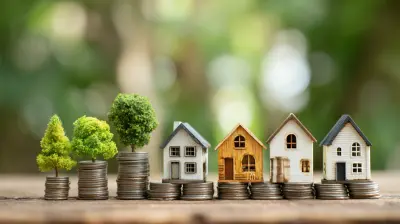
The Rise of Tiny Homes: Why More People Are Choosing Less
23 June 2026
Have you ever found yourself daydreaming about a simpler life? One with fewer bills, less clutter, and more financial freedom? If so, you're not alone. The tiny home movement has been sweeping across the world, shaking up traditional real estate and redefining what it means to own a home.
But why are so many people ditching the dream of a big house with a white picket fence and swapping it for a small, compact space? Let's dive into the driving forces behind this shift and why tiny homes are becoming a real estate phenomenon. 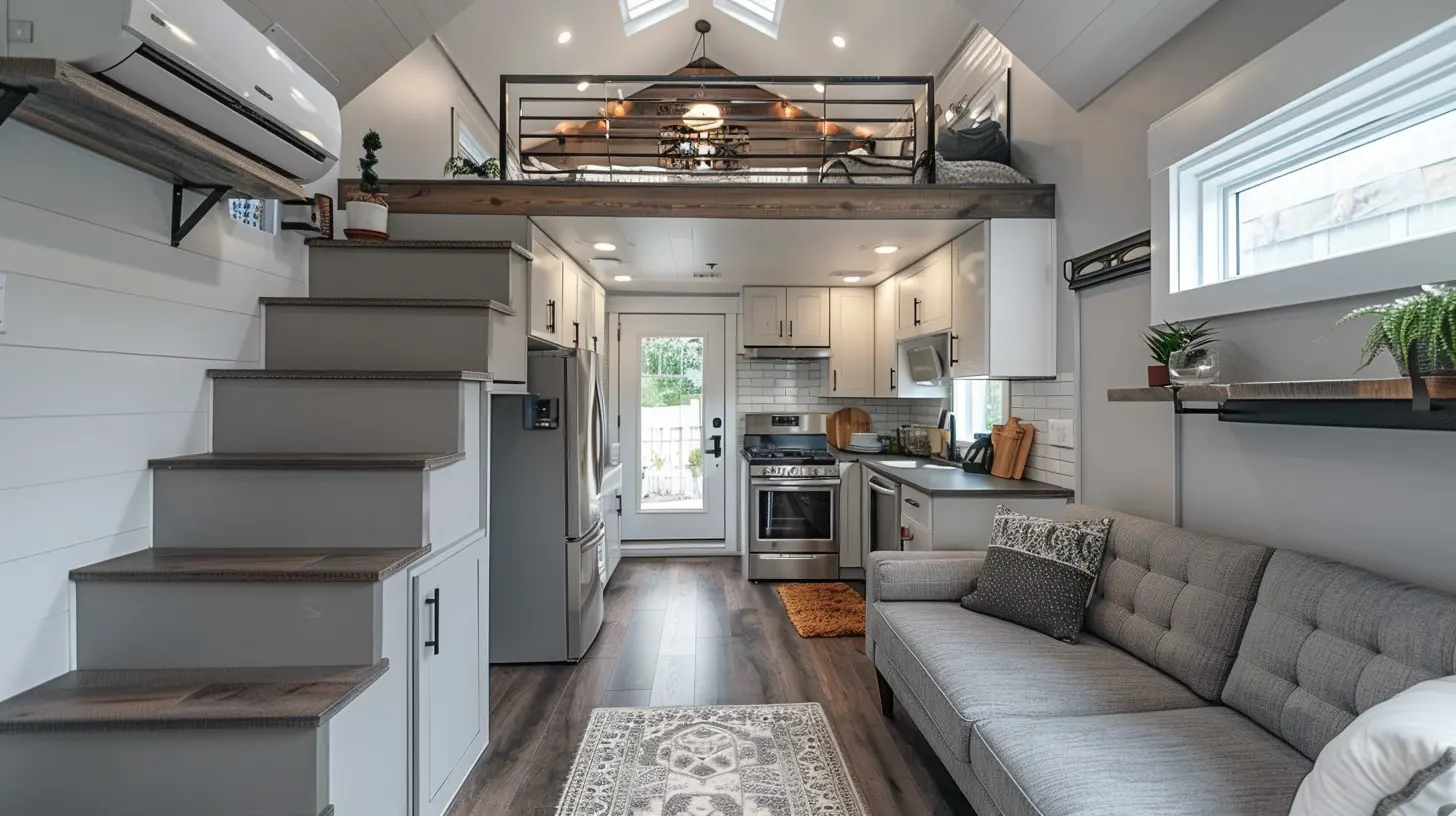
What is a Tiny Home?
Before we get into the why, let’s clarify the what. A tiny home is typically a small, fully functional dwelling that ranges between 100 to 400 square feet. These homes come in all shapes and sizes, from charming cottages on wheels to sleek, modern micro-apartments.What makes them stand out? Maximized space, smart storage solutions, energy efficiency, and a focus on minimalism. In other words, they trade excess for efficiency—something many people find incredibly appealing. 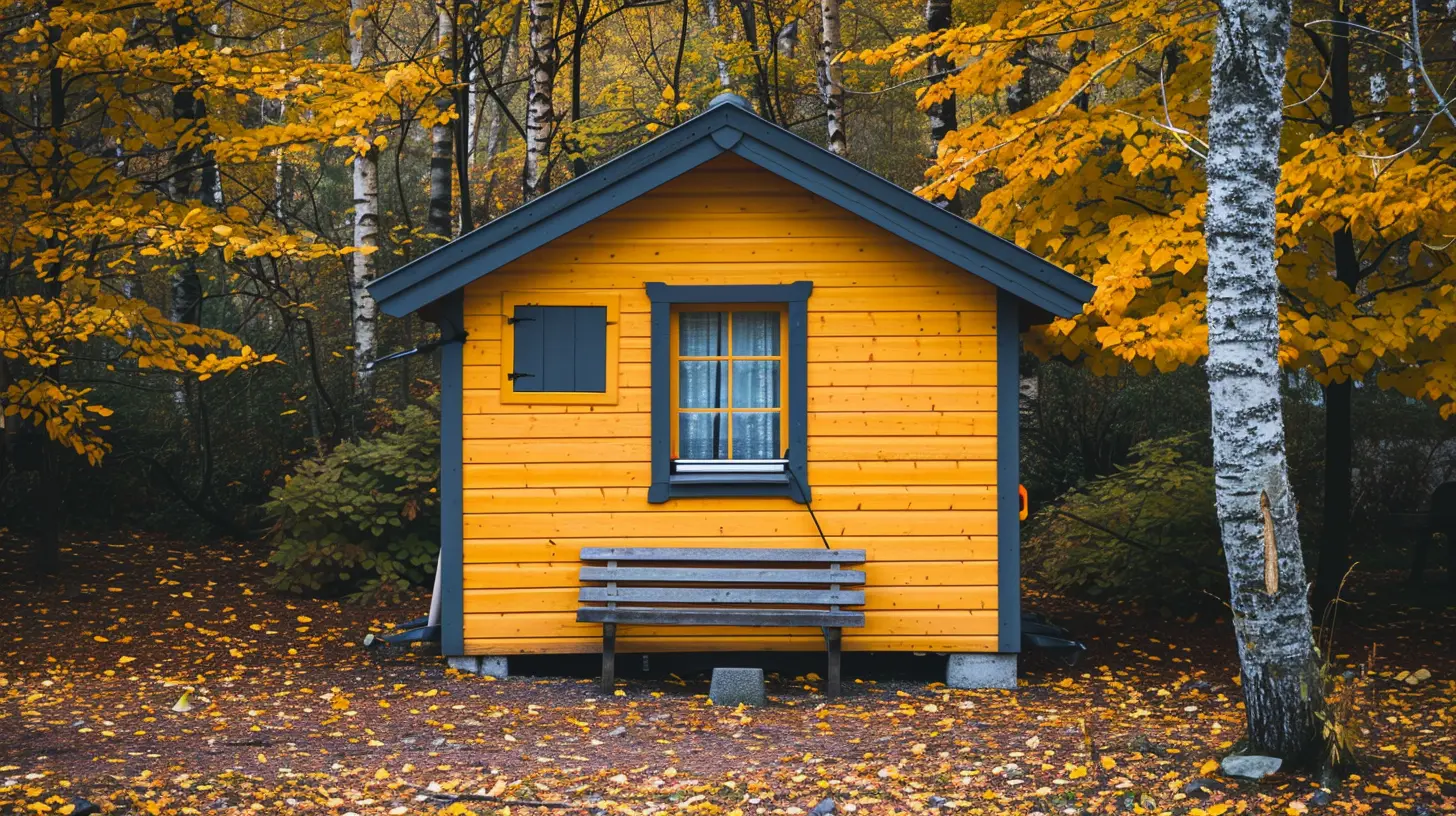
The Growing Popularity of Tiny Homes
What started as a niche lifestyle choice has quickly gained momentum. A mix of economic, environmental, and personal factors have contributed to the rise of tiny homes. But what exactly is making people turn their backs on traditional housing in favor of compact living?1. The Skyrocketing Cost of Housing
Let’s be honest—buying a house today is more expensive than ever. With property prices soaring and wages struggling to keep up, many people simply can’t afford a traditional home.- In the U.S., the median price of a home has hit levels that are out of reach for first-time buyers.
- Mortgage rates have been volatile, making homeownership even more difficult.
- Renting isn’t much better, with skyrocketing monthly payments and limited availability.
In contrast, tiny homes offer a much more budget-friendly option. A custom-built tiny home can cost anywhere between $30,000 to $100,000, significantly lower than a traditional house. And since they don’t require huge mortgages, many tiny homeowners live debt-free—a dream for many!
2. The Desire for a Minimalist Lifestyle
We live in a world filled with stuff—endless consumerism, cluttered closets, and storage units bursting at the seams. But what if you didn’t need all of that?Many people are drawn to tiny living because it forces them to declutter and prioritize only what truly matters. Instead of accumulating meaningless possessions, tiny homeowners focus on experiences, relationships, and personal fulfillment.
Think about it: Do you really need four sets of dishware, a walk-in closet full of clothes you never wear, and a garage packed with things you forgot you owned? Probably not. Tiny homes encourage an intentional lifestyle that many people find liberating.
3. Environmental Consciousness
With climate change becoming a bigger concern, many are seeking ways to reduce their carbon footprint—and tiny homes offer a great solution.Tiny houses consume significantly less energy than traditional homes. They are often designed with:
- Solar panels for renewable energy
- Composting toilets for waste reduction
- Rainwater collection systems for sustainability
- Smaller HVAC systems that require less energy
Since they use fewer materials and take up less land, tiny homes are one of the most eco-friendly housing choices available. Owning a tiny home isn’t just good for you—it’s good for the planet, too.
4. Freedom and Flexibility
Who doesn’t love the idea of packing up and moving wherever life takes you? With many tiny homes being built on wheels (also known as Tiny Homes on Wheels, or THOWs), homeowners have the freedom to relocate easily.This level of flexibility is a game-changer for:
- Remote workers who no longer need to be tied to a single location
- Adventure seekers who love travel and new experiences
- Retirees looking for an affordable, low-maintenance lifestyle
Owning a traditional home means being anchored to one place, but tiny homes allow people to chase new opportunities without the burden of a mortgage. 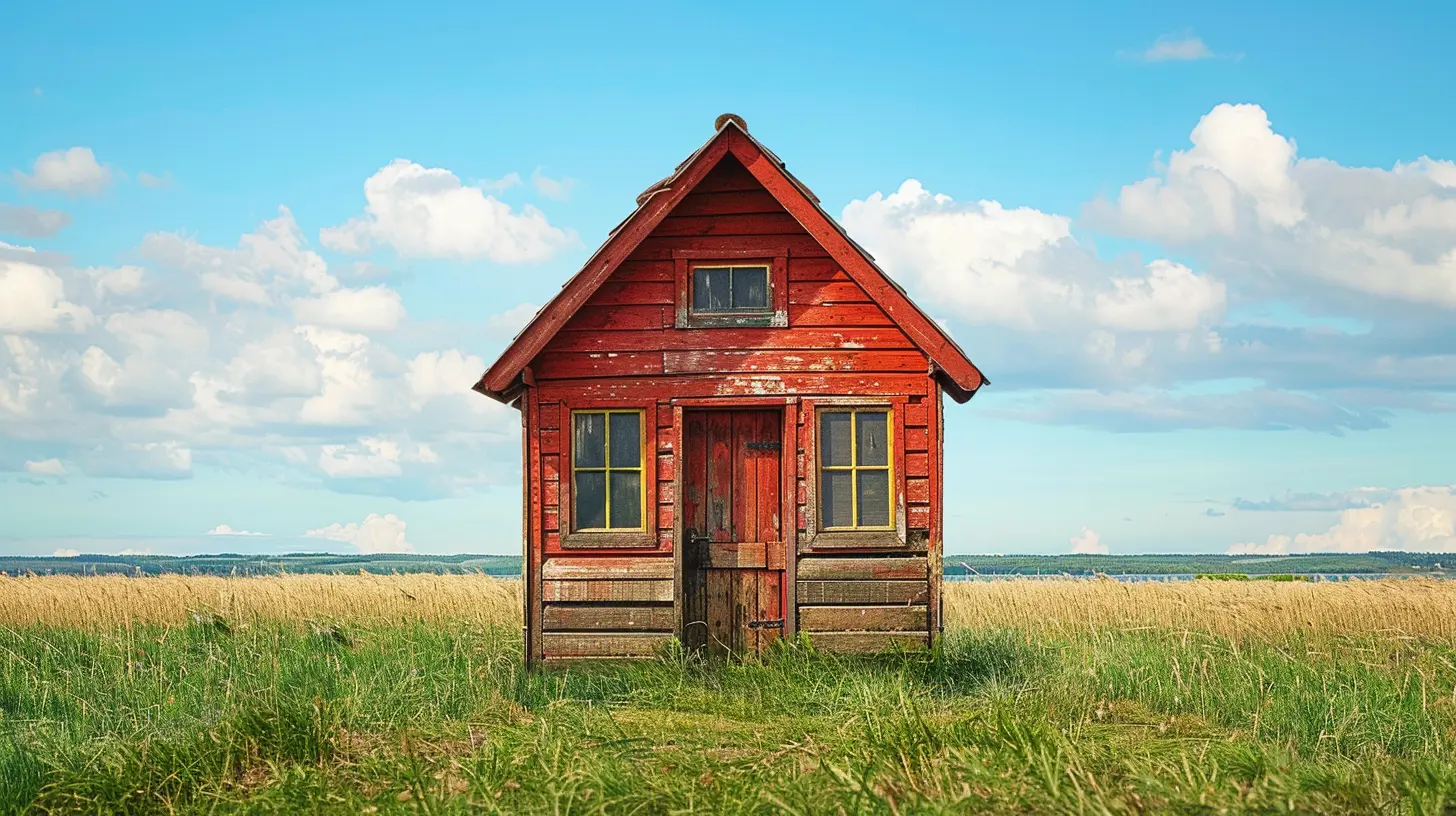
Challenges of Tiny Home Living
Of course, tiny living isn’t for everyone. While aesthetically appealing, there are some real challenges that come with downsizing.1. Zoning Laws and Legal Hurdles
One of the biggest roadblocks to tiny home living is zoning regulations. Many cities don’t allow tiny homes as primary residences due to outdated laws that favor traditional housing.Some places require tiny homes to be built on foundations, while others restrict where mobile tiny homes can be parked. This makes it difficult to find legal living arrangements without a loophole or workaround.
2. Limited Space and Privacy
Let’s face it—living in a tiny home means getting real cozy with your space. If you’re someone who values having separate rooms, large furniture, or lots of privacy, tiny living might feel restrictive.For couples or families, this can be especially tricky. If you’re not comfortable being in close quarters with a partner 24/7, a tiny house could test your relationship!
3. Downsizing Can Be Hard
While minimalism sounds great in theory, it can be emotionally challenging to let go of possessions you’ve accumulated over the years.- Where do you store holiday decorations?
- What about sentimental items you can’t part with?
- How do you find room for hobbies that require space?
Adjusting to a tiny home takes a major mindset shift, and some people find it too difficult to embrace such a minimalist lifestyle. 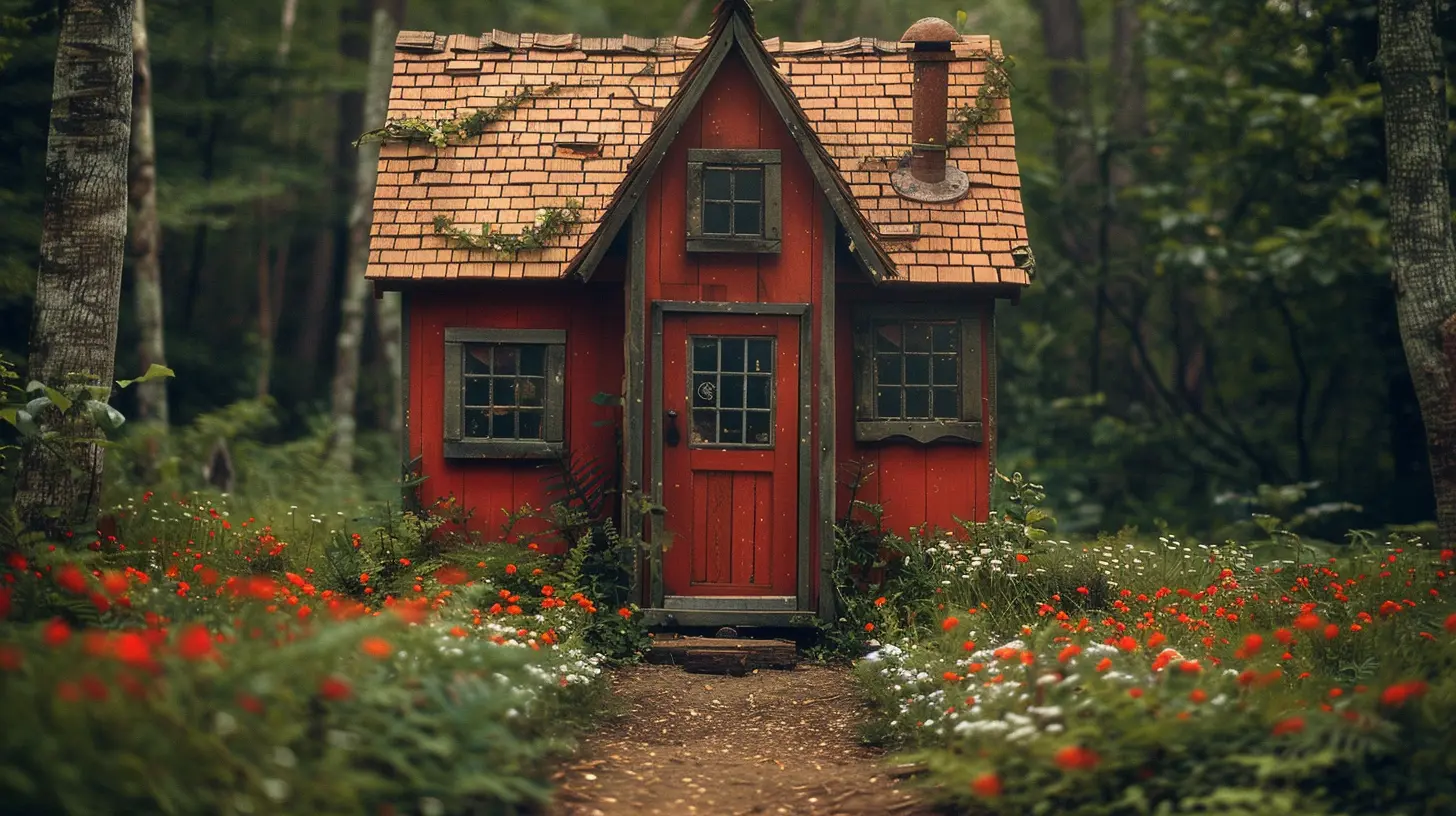
Is a Tiny Home Right for You?
At the end of the day, tiny homes aren’t just a trend—they’re a lifestyle choice. They offer financial freedom, encourage sustainability, and promote a minimalist way of living.But they’re not for everyone. If you value space, privacy, and traditional housing, tiny homes may feel too restrictive. On the other hand, if you’re looking for freedom, adventure, and a break from financial strain, a tiny home could be the perfect fit.
If you’re considering taking the leap to tiny living, start by asking yourself:
✅ Am I ready to downsize my belongings?
✅ Can I handle a smaller living space?
✅ Am I comfortable navigating zoning laws and legal challenges?
✅ Do I prioritize financial freedom over material possessions?
If you answered yes to most of these questions, tiny home living might be just what you need!
Final Thoughts
The rise of tiny homes is more than just a passing trend—it’s a reflection of changing values. As people prioritize financial security, sustainability, and personal freedom, more are turning to tiny homes as a solution to modern challenges.While not without its difficulties, tiny living offers a refreshing alternative to the traditional housing market. Whether you see tiny homes as the future of real estate or just an intriguing concept, one thing is clear: sometimes, living with less can actually give you more.
all images in this post were generated using AI tools
Category:
Tiny HomesAuthor:

Kingston Estes
Discussion
rate this article
1 comments
Tempest Middleton
This article highlights an important trend. Tiny homes not only offer affordability but also promote a simpler lifestyle. It's fascinating to see how preferences in housing are evolving.
June 26, 2026 at 3:02 AM