The Impact of Government Policy on Housing Markets
20 February 2026
The housing market is like a giant puzzle, constantly shifting and evolving. But what if I told you that one of the biggest forces influencing it isn’t just supply and demand, but government policy? Whether you’re a homebuyer, investor, or just someone curious about what makes the market tick, it's crucial to understand how laws, taxes, and regulations shape the cost and availability of homes.
Let’s dive deep into the mysterious world of housing policies and uncover the hidden forces that manipulate the real estate landscape. 
The Silent Hand Behind Home Prices
Ever wondered why home prices can skyrocket in one area but crash in another? Sure, location, economic conditions, and buyer sentiment play a role, but there’s another less obvious player at work—the government.Through policies on taxation, interest rates, and market regulations, governments have the power to make housing more affordable or push it out of reach. But how exactly does this happen? Let's break it down. 
1. Interest Rates: The Hidden String-Puller
One of the most influential tools governments have over the housing market is interest rates, which are typically controlled by central banks.- When interest rates are low, borrowing becomes cheap. More people can afford mortgages, demand for housing rises, and prices soar.
- When rates increase, borrowing becomes expensive, slowing down demand and cooling off the market.
Think of it like a thermostat—turning it up or down changes the entire climate of the housing market. When money is cheap, buyers rush in, driving competition and pushing up prices. But when loans become expensive, many step back, causing prices to stabilize or even decline.
Case in point? The 2008 financial crisis. Interest rates were slashed to nearly zero, fueling a housing boom. And today, with rising interest rates, we’re seeing yet another shift, challenging affordability for many buyers. 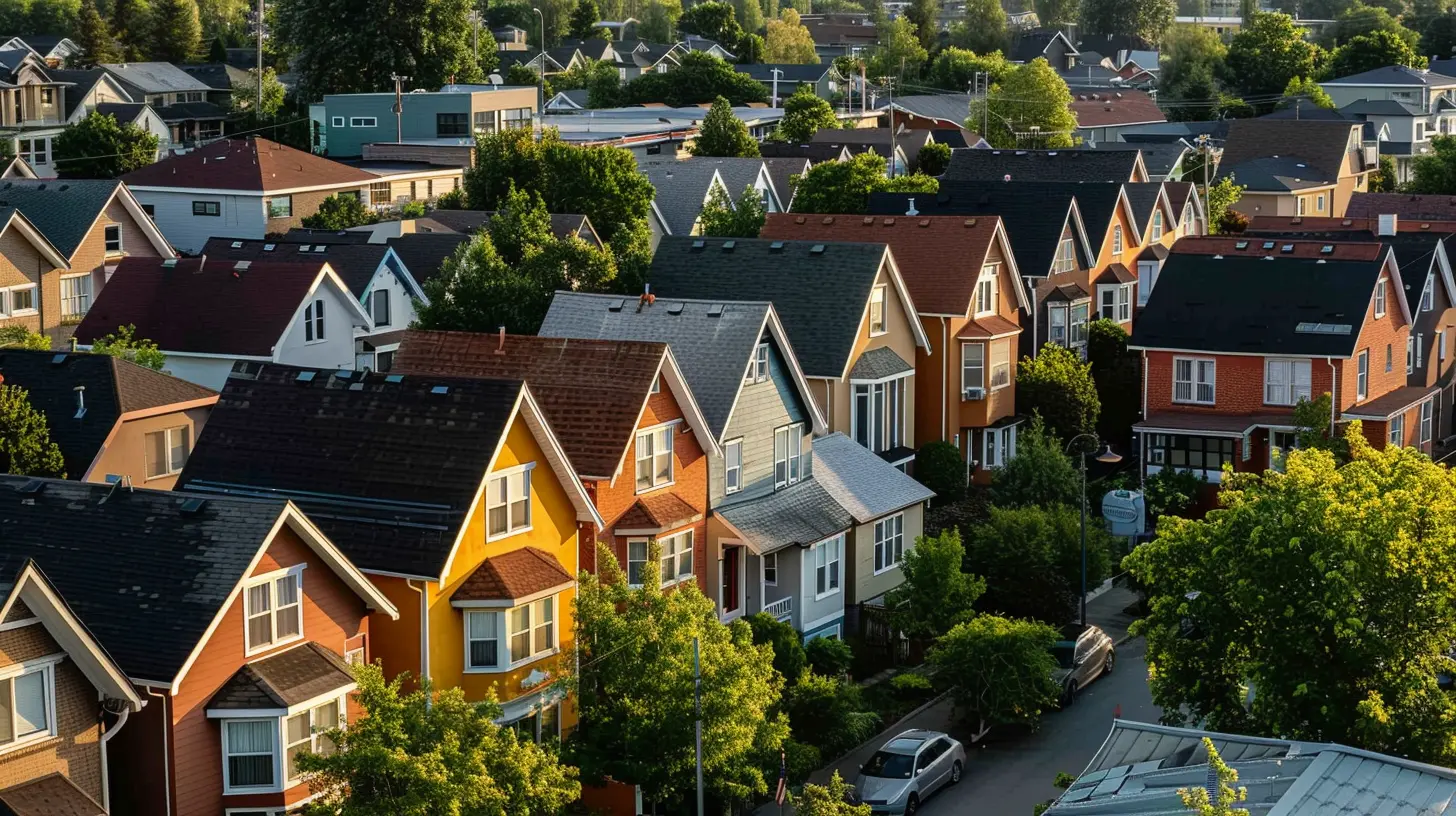
2. Taxes and Incentives: The Carrots and Sticks of Real Estate
Governments often use tax policies to either encourage or discourage homeownership and investment in real estate.Property Taxes: The Unavoidable Cost
Property taxes vary widely depending on where you live. In some cases, high property taxes can deter buyers, making homes less attractive. In others, tax breaks encourage people to invest in real estate.For example, states like Texas and New Jersey are notorious for their high property taxes, often forcing homeowners to think twice before purchasing. On the flip side, areas with lower property taxes can attract buyers looking for long-term affordability.
Tax Breaks for Homeowners
To support homeownership, many governments offer tax deductions on mortgage interest, incentivizing people to buy rather than rent. The U.S., for instance, has historically provided generous tax deductions for mortgage interest payments, making homeownership more appealing.The Capital Gains Tax Trap
Selling a home for a profit? Well, capital gains tax might take a bite out of your earnings—unless you qualify for certain exemptions. This policy directly affects how often people sell, sometimes discouraging turnover and limiting available homes on the market.
3. Rent Control: Help or Hindrance?
Rent control is one of the most controversial government policies in real estate. While it’s designed to protect tenants from skyrocketing rents, it can have unintended consequences.- The Pros: It keeps housing affordable for longtime tenants and prevents sudden rent spikes.
- The Cons: It discourages landlords from investing in property maintenance and can lead to housing shortages since fewer landlords are willing to rent out units if they can’t adjust for inflation and costs.
New York and San Francisco are prime examples—despite having rent control in place for years, both cities continue to struggle with affordable housing shortages.
It’s a classic case of good intentions with complex effects.
4. Zoning Laws: The Invisible Barriers to Housing Growth
If you’ve ever wondered why housing in some cities is ridiculously expensive, zoning laws might be to blame.What Are Zoning Laws?
Zoning laws dictate how land can be used—whether for residential, commercial, or industrial purposes. Some areas restrict the height of buildings, limit how many homes can be built, or outright ban multi-family housing in certain neighborhoods.The Downside of Strict Zoning
While zoning regulations help maintain order and property values, overly restrictive zoning can choke housing supply. When cities limit how many new homes can be built, demand skyrockets, and prices follow suit.Take California as an example. With some of the most restrictive zoning laws in the U.S., the state struggles with a severe housing shortage, driving home prices through the roof.
Loosening zoning restrictions could pave the way for more affordable housing, but it’s often met with resistance from existing homeowners who fear neighborhood changes.
5. Affordable Housing Programs: A Solution That Falls Short?
To combat housing crises, governments implement affordable housing programs aimed at helping low- and middle-income families find homes.Programs like:
- Housing vouchers
- Subsidized housing developments
- First-time homebuyer assistance
While these initiatives are well-intentioned, demand often outstrips supply. Many people sit on waitlists for years, hoping for a break in an increasingly unaffordable market.
Moreover, government-built affordable housing can sometimes face issues like poor construction quality and mismanagement, making it more of a band-aid solution rather than a long-term fix.
6. Foreign Investment Policies: Welcome or Warning Sign?
In some cities, foreign investment plays a huge role in driving up property demand. Governments often step in with regulations to balance local interests.The Foreign Buyer Tax
Countries like Canada and Australia have imposed hefty taxes on foreign buyers to prevent housing bubbles, ensuring locals can still afford homes. While this can cool demand, it’s a double-edged sword—foreign investment also fuels economic growth, and shutting it down entirely could have unintended consequences.So, What’s the Verdict?
Government policy is a double-edged sword in real estate. While regulations aim to create stability, affordability, and fairness, they often come with unintended side effects.Interest rates can shift affordability overnight. Taxes can encourage or discourage investment. Rent control can both help tenants and push landlords away. And zoning laws can either fuel housing growth or choke it off entirely.
One thing is certain—government influence over the housing market is powerful, and whether for better or worse, it shapes the way we buy, sell, and live.
So next time you hear about a booming market or a sudden property slump, don’t just blame the economy. Chances are, there’s a government policy quietly pulling the strings behind the scenes.
all images in this post were generated using AI tools
Category:
Real Estate MarketAuthor:

Kingston Estes
Discussion
rate this article
2 comments
Dana Abbott
Great insights! Government policies significantly shape housing markets and accessibility.
March 10, 2026 at 12:18 PM
Kingston Estes
Thank you! Absolutely—policy truly sets the foundation for both market dynamics and equitable access.
Mae McManus
Government policies can either unlock housing potential or create roadblocks—navigating this maze is key for savvy investors and homeowners.
February 22, 2026 at 3:57 AM
Kingston Estes
Absolutely. Understanding these policies is crucial for making informed decisions in the housing market.