The Impact of Climate Change on Homeowners Insurance Policies
21 July 2026
Climate change isn't some far-off problem—it’s here, and it’s already reshaping the way we live. From devastating hurricanes to record-breaking wildfires, extreme weather events are becoming more frequent and intense. And guess what? Homeowners insurance is feeling the heat, too.
The reality is that as climate risks increase, insurance companies are adjusting their policies, rates, and coverage options to keep up. If you're a homeowner (or planning to become one), this shift could directly affect your wallet and the protection of your property. So, what exactly is happening, and what should you be prepared for? Let’s break it down.
Rising Costs: Higher Premiums, Fewer Options
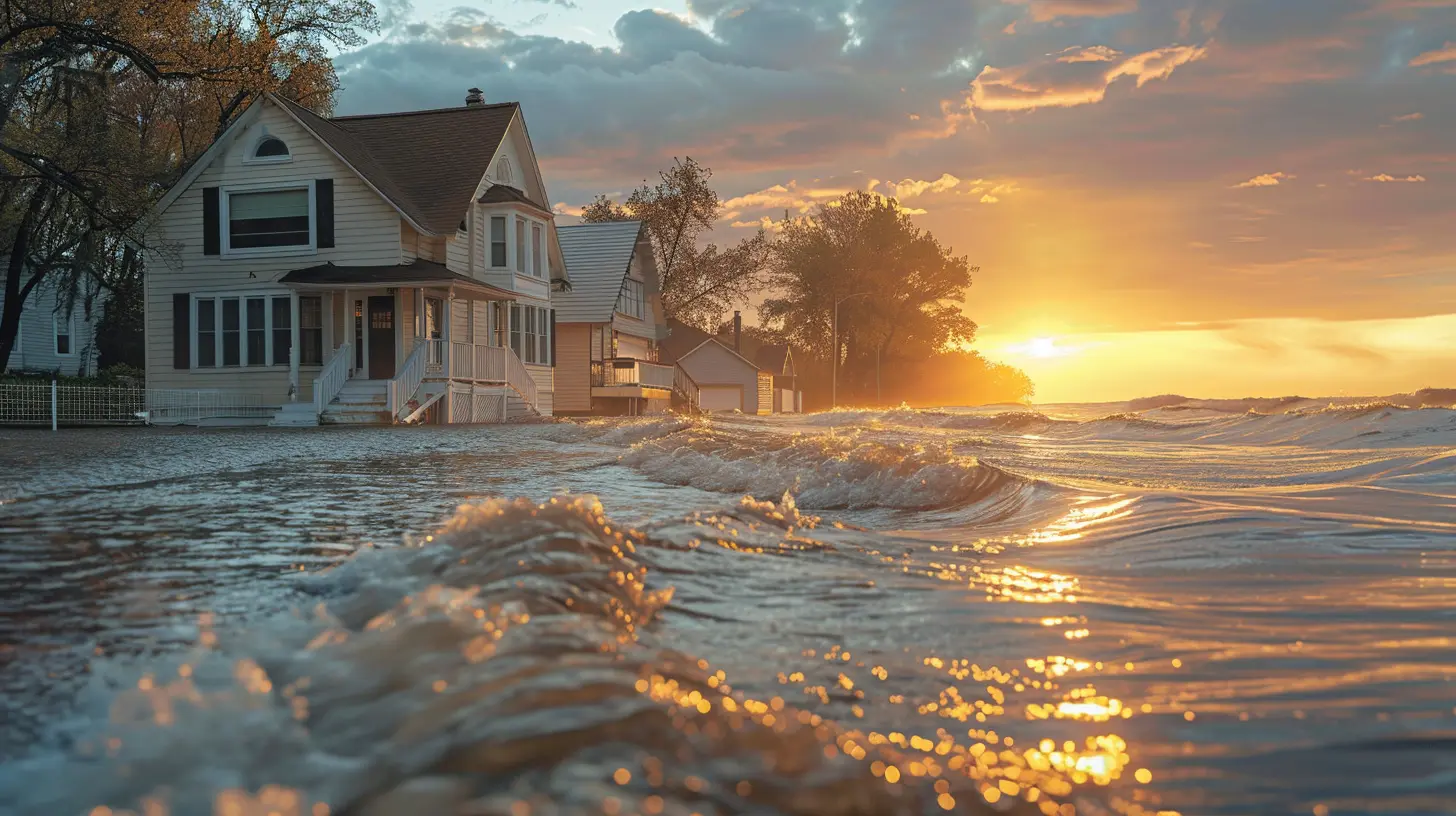
If you’ve noticed your insurance premiums creeping up year after year, you're not alone. Climate change is one of the biggest reasons behind these rising costs. Insurers base their premiums on risk assessments, and with storms, floods, and wildfires becoming more common, the risk is higher than ever.Why Are Insurance Rates Increasing?
- More Claims, Bigger Payouts – When natural disasters strike, insurers have to cover billions of dollars in damages. To stay solvent, they pass those costs onto policyholders.- Reinsurance Is Getting Expensive – Insurance companies rely on reinsurance (essentially their own insurance) to help cover large payouts. As climate change worsens, reinsurance becomes pricier, which trickles down to homeowners.
- High-Risk Areas Are Growing – Places that were once considered low-risk for floods or wildfires are now seeing more extreme events, forcing insurers to reassess their coverage areas and pricing.
For homeowners, this means higher premiums, stricter policy terms, and sometimes even difficulty finding coverage at all.
Coverage Gaps: What’s No Longer Covered?
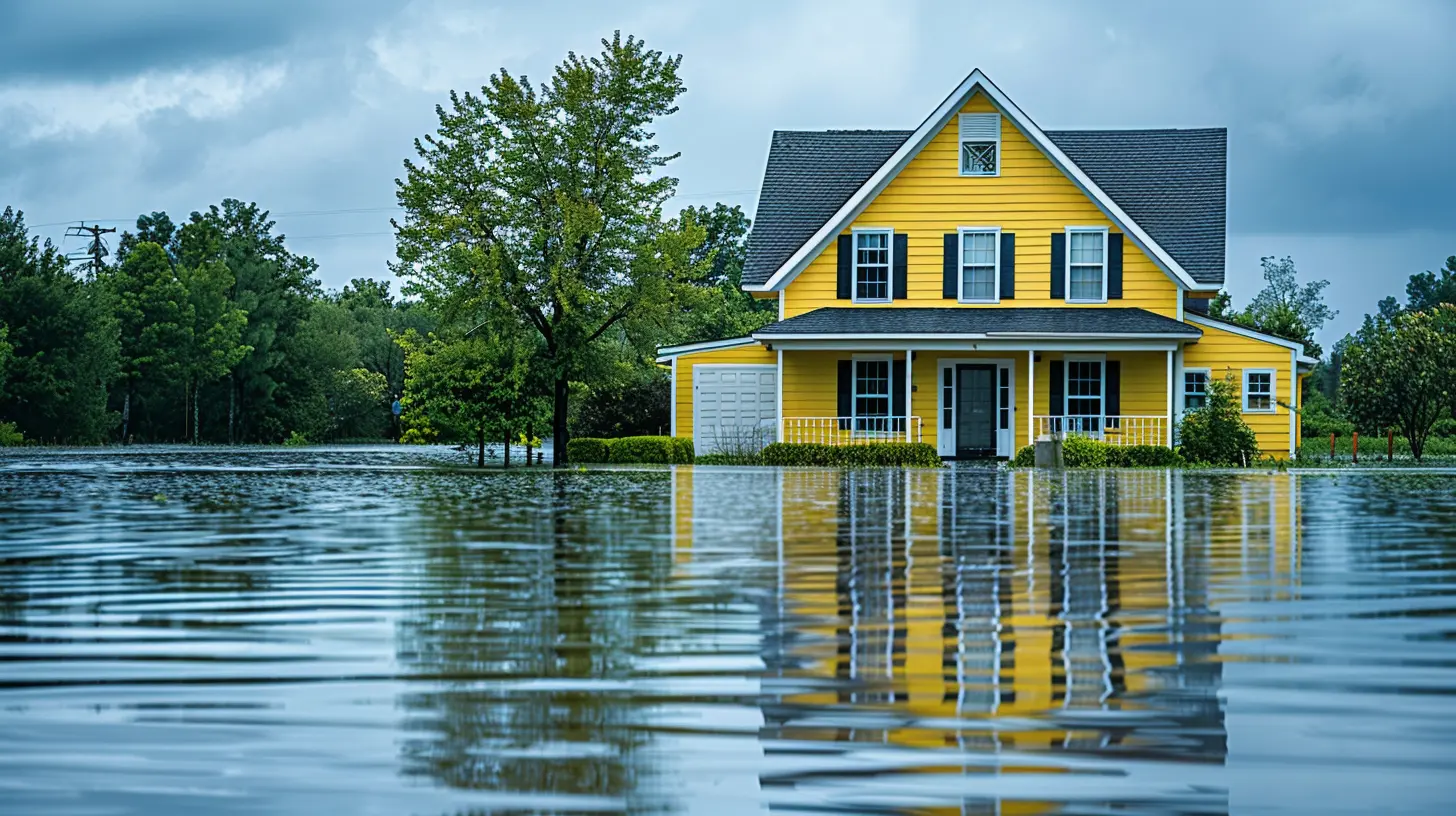
Another unfortunate consequence of climate change is that some events are no longer covered—or they require additional, costly insurance riders.Common Exclusions and Changes
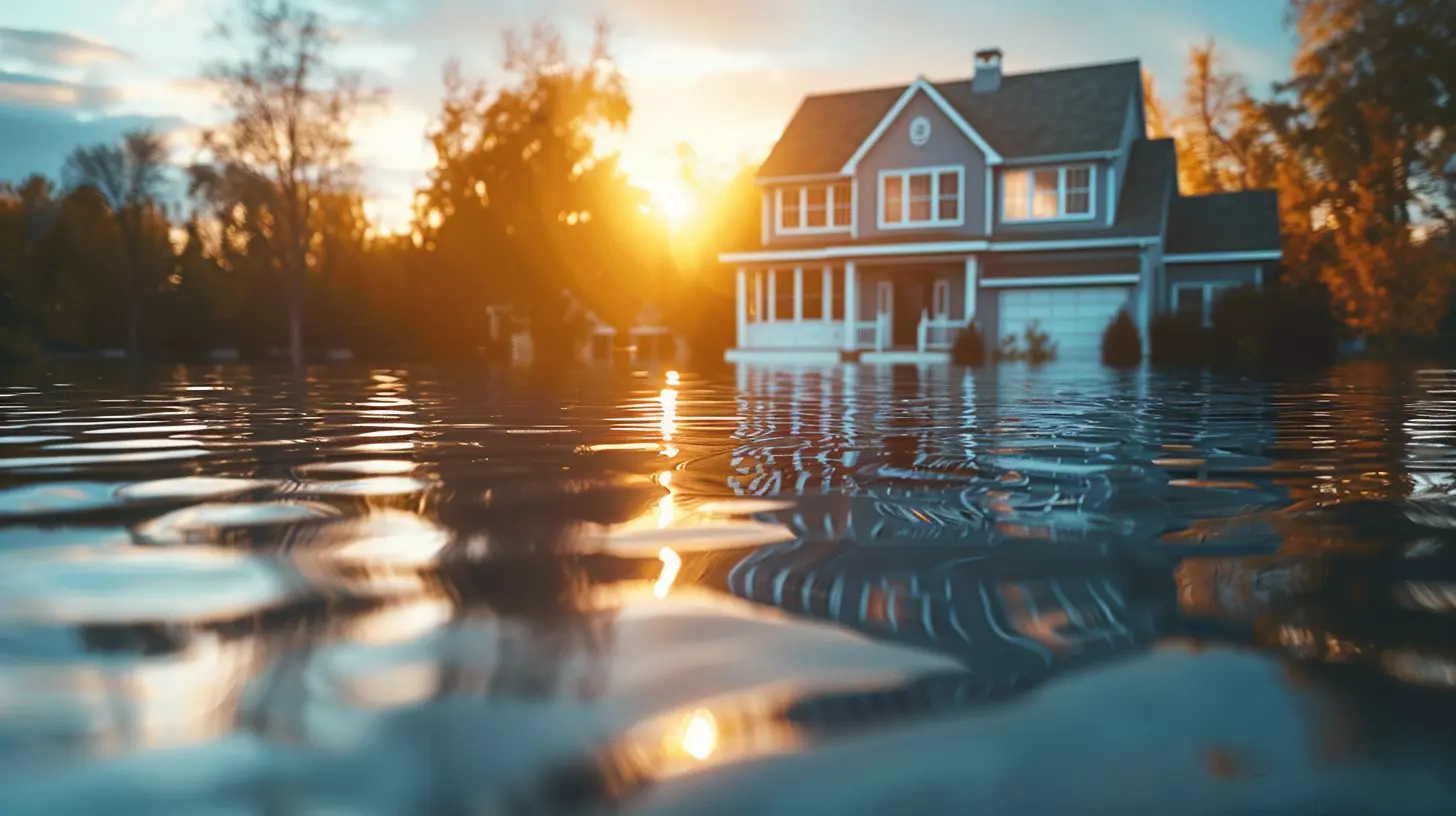
- Flood Damage – Standard homeowners insurance doesn't cover flood damage, and as flood zones expand, more homeowners are forced to buy separate flood insurance.- Wildfire Coverage Limits – In wildfire-prone states like California, some insurers are either raising rates significantly or refusing to renew policies.
- Hurricane Deductibles – Some coastal areas now have separate, higher deductibles for hurricane-related damages, meaning homeowners must pay more out of pocket before insurance kicks in.
If you're in a high-risk area, you might find that your current coverage doesn’t offer as much protection as before. Checking your policy details is crucial to avoid surprises after disaster strikes.
Insurers Are Pulling Out of High-Risk Areas
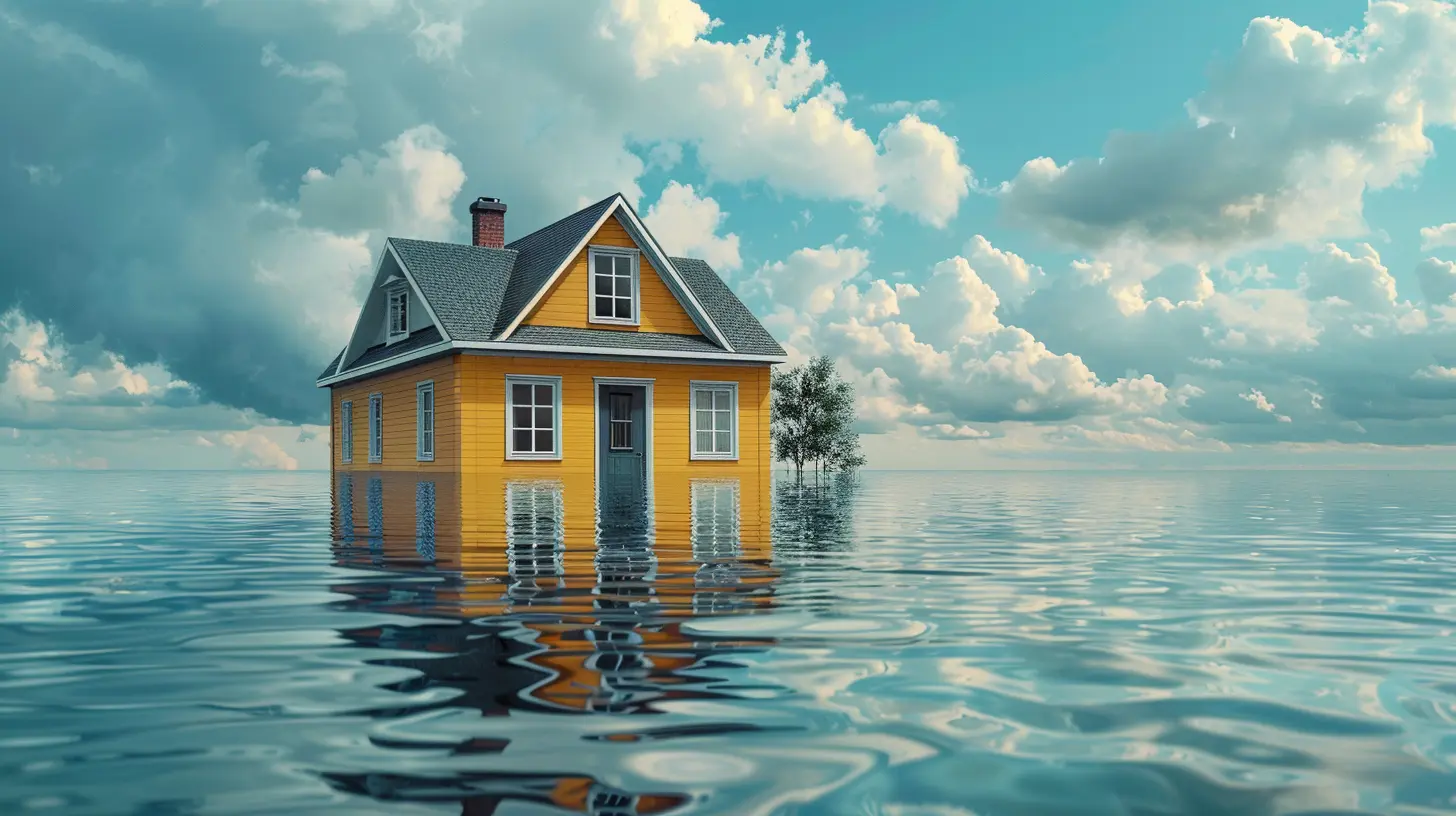
One of the most alarming trends is that some insurance companies are simply refusing to cover certain areas altogether. Large insurers have already withdrawn from states like California and Florida because the risk of wildfire and hurricane damage is just too high.This leaves many homeowners scrambling to find alternative coverage, often turning to state-backed insurance programs, which can be more expensive and offer less comprehensive protection.
If you're buying a home, this is something to research beforehand. A great deal on a house won't feel so great if you can't get affordable insurance for it.
What Can Homeowners Do?
Feeling overwhelmed? You're not alone. But the good news is that there are steps you can take to protect yourself from soaring costs and gaps in coverage.1. Review Your Policy Regularly
Insurance policies aren’t static, and small changes can make a big difference. Read the fine print, understand what’s covered, and ensure you have the right add-ons if necessary.2. Consider Additional Coverage
- Flood Insurance – If you live near water (or even if you don’t), consider getting separate flood insurance. FEMA's flood maps are outdated in many areas, meaning more homes are at risk than you might think.- Windstorm Insurance – Some regions require additional coverage for hurricanes and strong winds.
- Wildfire Protection Plans – Some insurers offer wildfire defense services, including preventive measures like clearing brush around homes.
3. Invest in Climate-Resilient Home Improvements
Making your home more resistant to climate disasters can sometimes lower your insurance costs. Here are a few smart upgrades:- Storm shutters and impact-resistant windows for hurricane-prone areas.
- Fire-resistant roofing and landscaping in wildfire zones.
- Elevating electrical systems and using flood barriers in flood-prone regions.
Some insurers even offer discounts for homes that incorporate these protective measures. A little upfront investment could save you thousands in the long run.
4. Shop Around for the Best Rates
If your insurer has raised your rates or changed your coverage, don't be afraid to shop around. Compare policies from multiple providers to see if you can find better coverage at a more reasonable price.5. Get Involved in Community Resilience Efforts
Local governments and community organizations are working to improve resilience against climate disasters. Supporting zoning laws that promote sustainable building practices, advocating for improved flood management, or even participating in wildfire prevention programs could help protect not just your home, but your entire neighborhood.The Future of Homeowners Insurance in a Changing Climate
The truth is, homeowners insurance is undergoing a transformation. Insurance companies are adapting to a new reality where climate risks are unavoidable. Unfortunately, this means higher costs and reduced coverage for many homeowners.As climate change continues, we can expect to see more innovative solutions emerge, such as parametric insurance (which pays out immediately after a disaster based on pre-set conditions) and private-public partnerships to help address coverage gaps.
In the meantime, the best thing you can do is stay informed, assess your risks, and take proactive steps to protect your home and finances.
Final Thoughts
Climate change isn't just an abstract concept—it has real, tangible effects on homeowners and their insurance policies. Rising premiums, shrinking coverage options, and insurers pulling out of high-risk areas are all challenges that more people are facing.But by staying proactive, reviewing your policy, and making climate-smart home improvements, you can better protect yourself from the financial fallout. Nobody wants to think about worst-case scenarios, but in today’s world, being prepared is more important than ever.
all images in this post were generated using AI tools
Category:
Homeowners InsuranceAuthor:

Kingston Estes
Discussion
rate this article
1 comments
Piper Snow
How will homeowners insurance adapt to the rising risks of climate change? It's fascinating to think about the future of housing stability...
August 6, 2026 at 4:32 AM
Kingston Estes
Homeowners insurance will likely evolve to include more climate-related coverage and risk assessments. Insurers may adjust premiums based on regional risks and incentivize sustainable building practices to enhance housing stability.