The Hidden Costs of Skimping on Homeowners Insurance
22 May 2026
When it comes to homeowners insurance, many people think, "I'll just get the cheapest policy and call it a day." After all, who wants to spend extra money on something they may never use? But here’s the problem—cutting corners on homeowners insurance can cost you big time in the long run.
Imagine driving a car with no seatbelt. Sure, you might save a few seconds buckling up, but one unexpected crash, and you'll wish you had that protection. Homeowners insurance works the same way. Skimping on coverage can leave you exposed to financial disasters you never saw coming.
Let’s take a deep dive into the hidden (and often overlooked) costs of choosing a bare-bones home insurance policy.
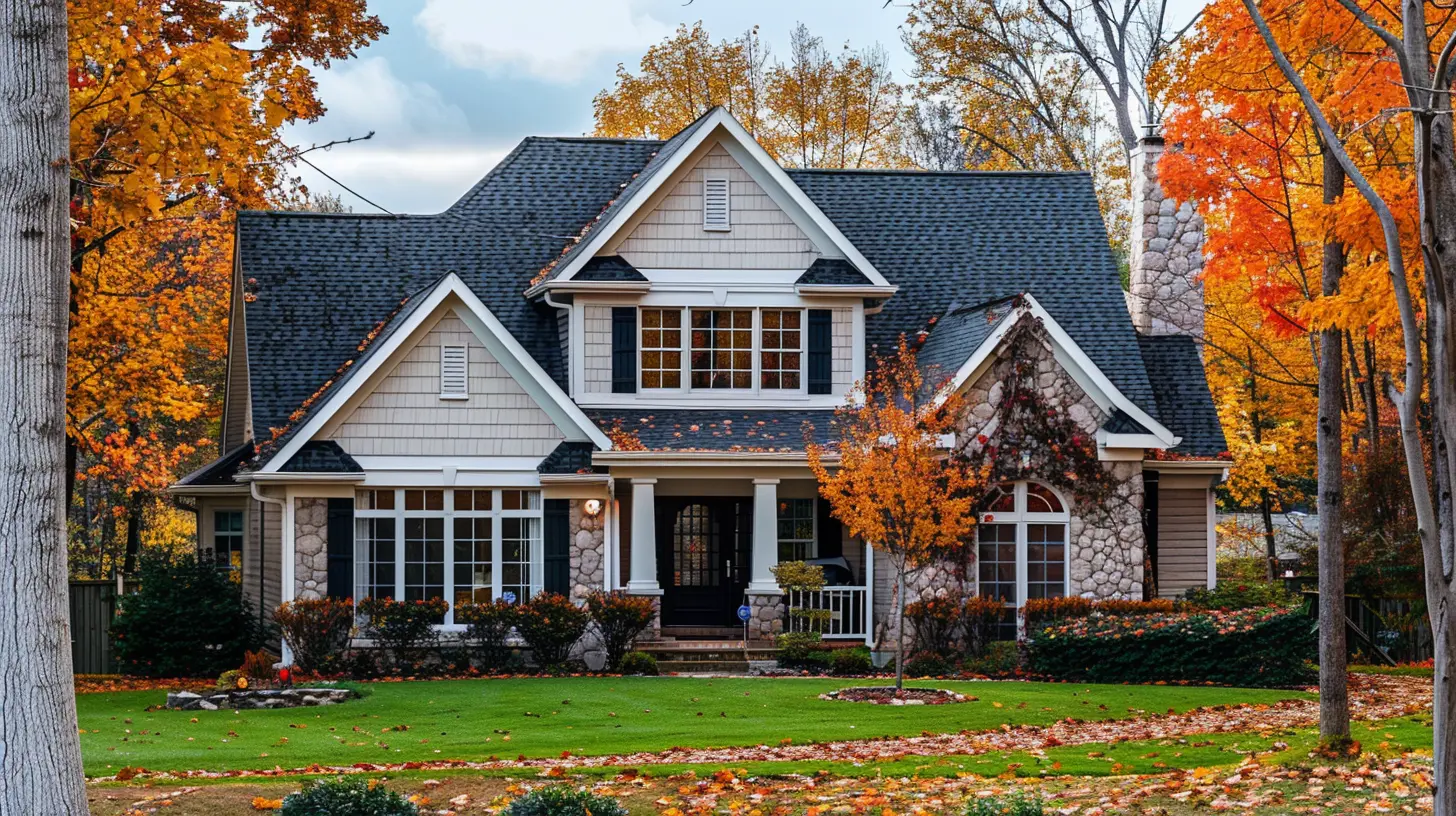
1. Higher Out-of-Pocket Expenses When Disaster Strikes
Sure, saving a few bucks on premiums seems like a win—until a disaster rolls in and wipes out half your home. If your policy has high deductibles or limited coverage, guess what? You're paying the difference yourself.What does this mean for you?
- If a fire, storm, or burst pipe destroys your home, you might not have enough coverage to rebuild.- If your policy excludes certain damages (like flooding or earthquakes), you’ll be stuck covering repairs on your own.
- Without proper coverage, even minor repairs—like fixing a damaged roof or replacing stolen valuables—can eat through your savings.
Trying to save a little now could mean spending a lot more later.
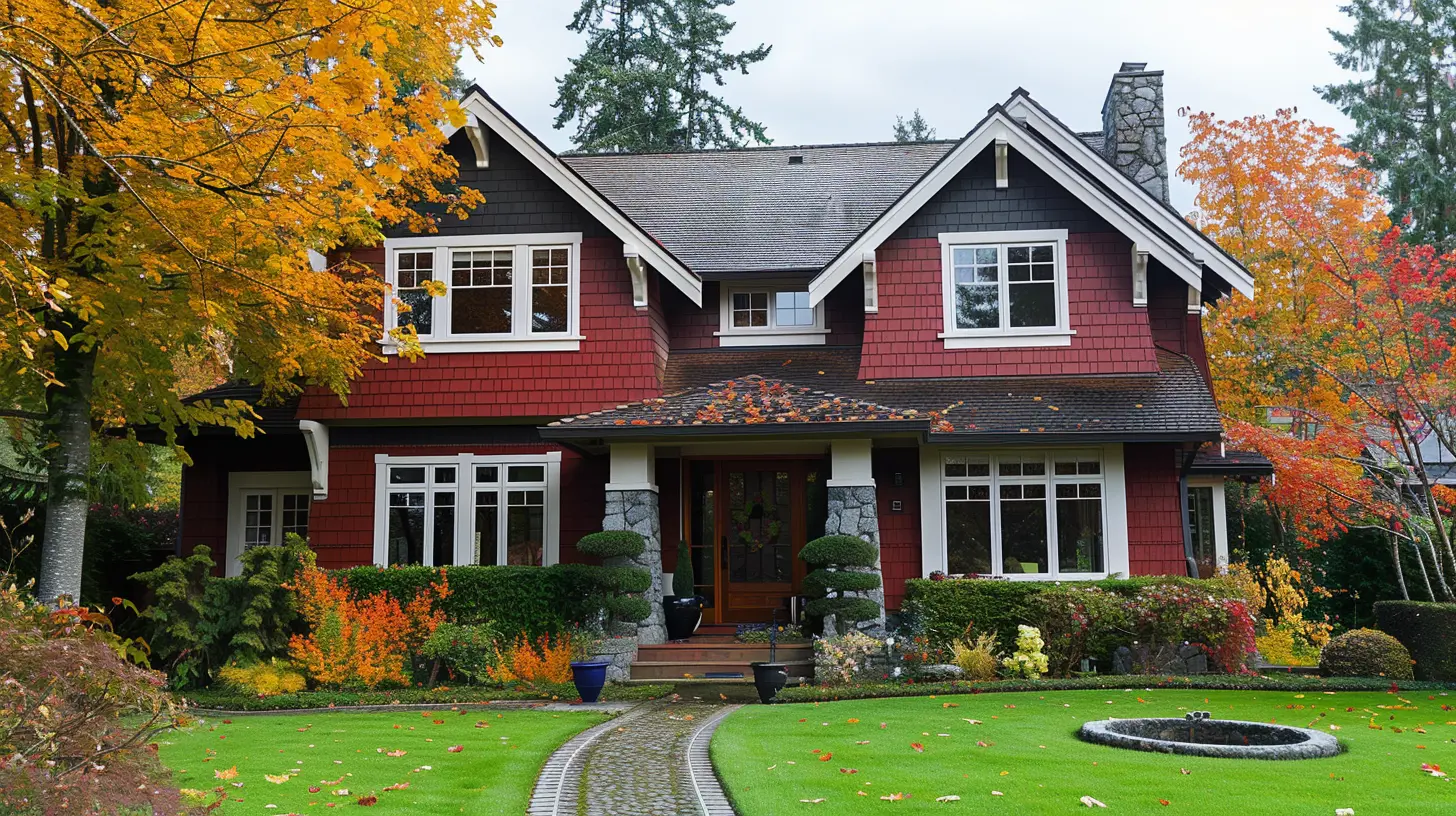
2. Loss of Personal Belongings Without Proper Reimbursement
Think about everything in your house—your furniture, electronics, clothes, jewelry, and sentimental valuables. If you opt for a policy with minimal personal property coverage, you might be in for a nasty surprise when you try to replace these items after a theft, fire, or disaster.Most standard policies cover personal belongings, but if you chose a dirt-cheap plan, your policy might only reimburse you for a fraction of what your belongings are worth. Could you afford to replace everything out of pocket?
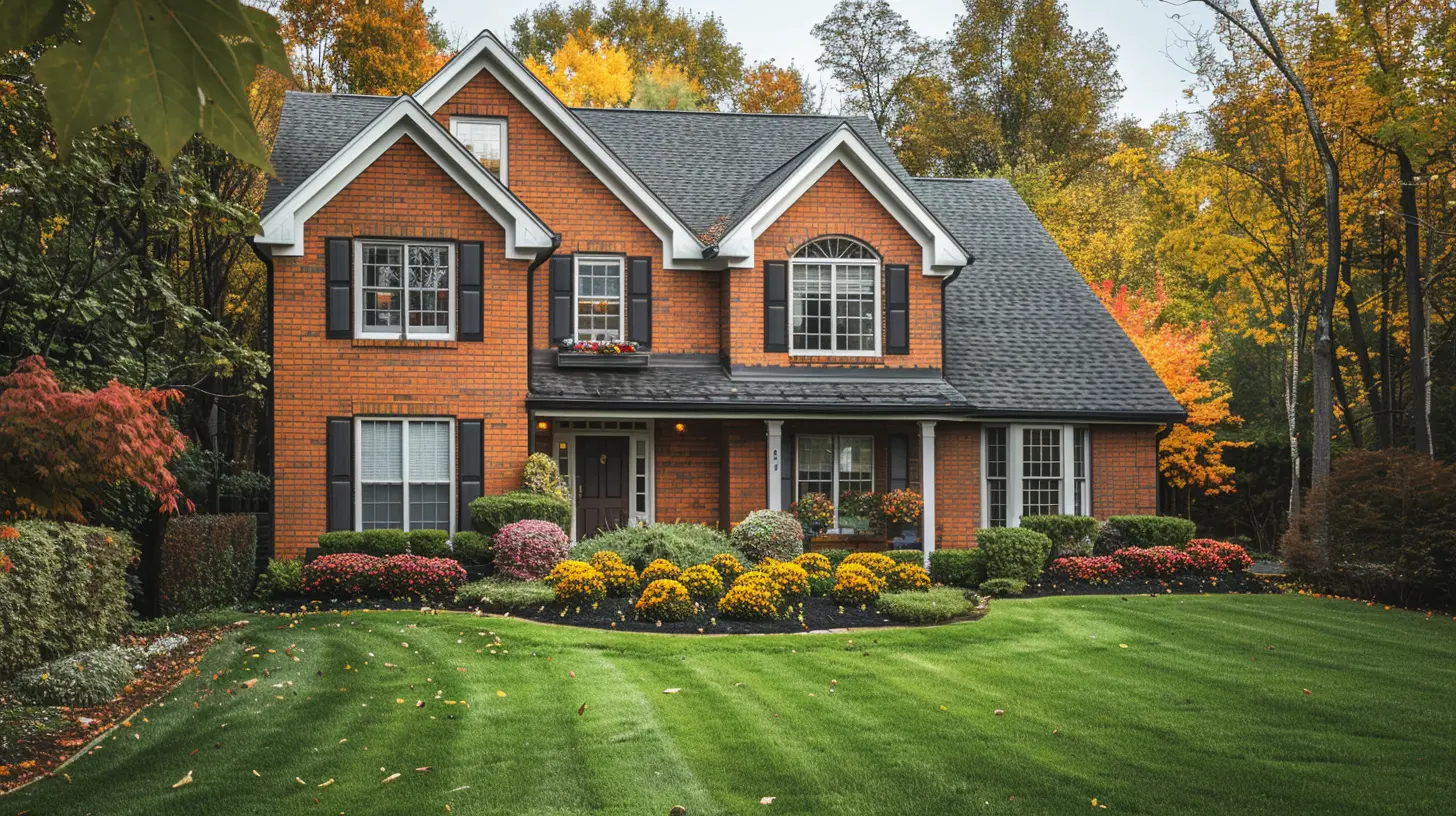
3. Risk of Being Underinsured on Liability Coverage
Let’s say someone slips on your icy front steps or your dog nips a visitor. If they sue you for medical expenses or damages, will your homeowners insurance cover the costs?Many budget policies have limited liability coverage, meaning you could be left holding the bill for:
- Medical expenses if someone is injured on your property
- Legal fees if they sue you
- Compensation in case you lose the lawsuit
And lawsuits aren’t cheap. Even a simple personal injury claim can cost thousands—or even hundreds of thousands—of dollars!
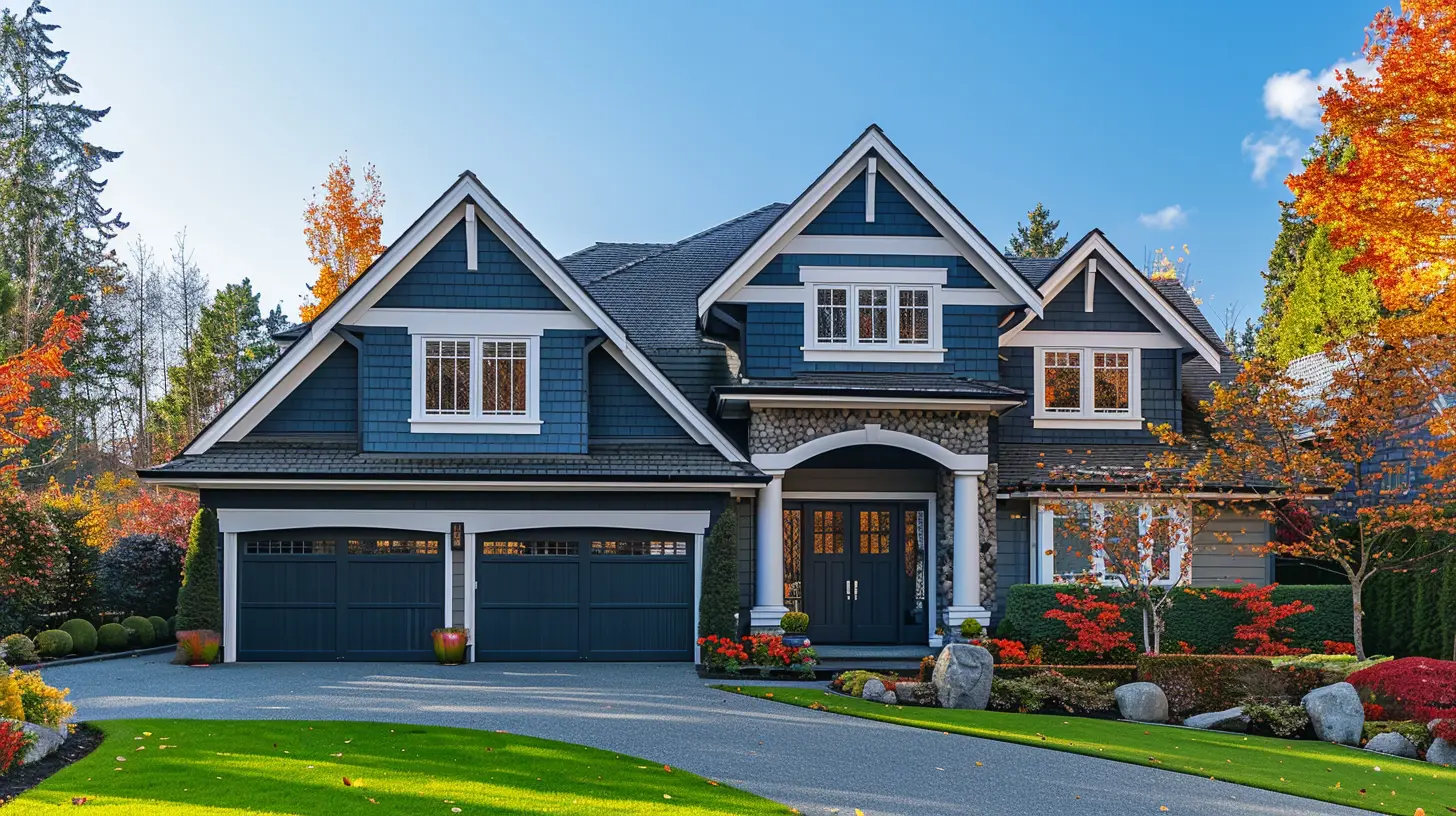
4. Temporary Housing Costs If Your Home Becomes Unlivable
Not all insurance policies provide for "loss of use," which helps cover temporary housing costs if your home becomes unlivable due to a covered event.If your house is damaged by fire or a storm, and you don’t have the right coverage, you’ll have to pay for a hotel or rental out of pocket. Depending on how long it takes for repairs, those costs can add up fast.
A good homeowners policy should cover:
✅ Hotel stays or rental housing
✅ Dining expenses if you can’t cook at home
✅ Additional living costs until your home is safe again
Skipping this coverage might save you $10–$20 a month but could cost thousands if disaster strikes.
5. Exclusions Can Leave You Vulnerable
Did you know that not all disasters are covered under basic homeowners insurance? Many standard policies exclude:- Flood Damage
- Earthquake Damage
- Mold and Pest Infestations
- Sewer Backups
If you live in an area prone to any of these risks, a cheap, no-frills policy isn’t doing you any favors.
A serious flood can cause tens of thousands of dollars in damage, and without flood insurance, that money is coming straight from your pocket.
6. The Impact on Your Home Resale Value
Believe it or not, having inadequate home insurance can mess with your resale value. If a major issue arises—like structural damage or outdated electrical wiring—and your insurance won’t cover it, future buyers will think twice before making an offer.Not only that, but banks won’t approve a mortgage for a home with insufficient insurance, making it harder to sell in the first place.
7. Mortgage Lenders Might Not Approve Your Loan
If you have a mortgage, your lender requires you to carry homeowners insurance. But here's where it gets tricky: If your coverage is too skimpy, your lender may not accept it.Worse yet, if they think your coverage is too low, they can purchase insurance on your behalf—often at ridiculously high rates—and charge you for it. This forced-place insurance is more expensive and offers you way less protection.
8. Increased Financial Stress and Uncertainty
Imagine dealing with a house fire, burglary, or natural disaster and realizing your insurance won’t cover the repairs. That’s a recipe for stress and financial strain.Having solid homeowners insurance isn’t just about checking a box—it’s about peace of mind. When you know you’re fully protected, you can sleep better at night knowing that you won’t be left scrambling if something goes wrong.
Final Thoughts: Cheap Homeowners Insurance Isn't Worth the Risk
Skimping on homeowners insurance might save you a few bucks in the short term, but it’s a gamble that could wreck your finances down the road. Instead of opting for the cheapest policy, focus on getting the right coverage—one that truly protects your home, belongings, and future.A few extra dollars each month could be the difference between financial security and a nightmare scenario where you're left footing the bill for damages, lawsuits, or temporary housing.
So, before you trim your coverage to the bare minimum, ask yourself: *Is saving a little now worth the risk of losing everything later?
all images in this post were generated using AI tools
Category:
Homeowners InsuranceAuthor:

Kingston Estes
Discussion
rate this article
1 comments
Francesca McGhee
This article highlights crucial points about the risks of underinsuring your home. Understanding hidden costs can save homeowners from financial pitfalls. Don't compromise on insurance-it's vital for long-term security.
May 25, 2026 at 2:50 AM
Kingston Estes
Thank you for your insights. It's essential for homeowners to recognize the importance of comprehensive coverage to avoid unexpected expenses.