The Future of [Neighborhood Name]: Upcoming Developments and Projects
24 November 2026
As urban landscapes evolve, neighborhoods often experience transformations that shape their character, attract new residents, and influence local economies. Understanding the future of [Neighborhood Name] involves looking at various upcoming developments and projects that have been proposed or are already underway. This article delves into these initiatives, highlighting their potential impacts on the community, real estate market, and overall livability.

The Current Landscape of [Neighborhood Name]
Before diving into future developments, it's important to examine the existing conditions in [Neighborhood Name]. Characterized by [specific features of the neighborhood such as historical significance, demographics, or cultural aspects], this area has its unique charm and challenges.Demographics and Community Engagement
The population of [Neighborhood Name] has been steadily changing. With an influx of young professionals and families, the demand for diverse housing options is increasing. Community engagement plays a crucial role in shaping future projects. Active participation from residents can guide developers to meet the needs and preferences of the community.Real Estate Trends
Real estate trends in [Neighborhood Name] indicate a shift towards mixed-use developments. Properties that blend residential, commercial, and recreational spaces are gaining popularity. This trend reflects the growing preference for walkable neighborhoods where residents can live, work, and play without relying heavily on cars.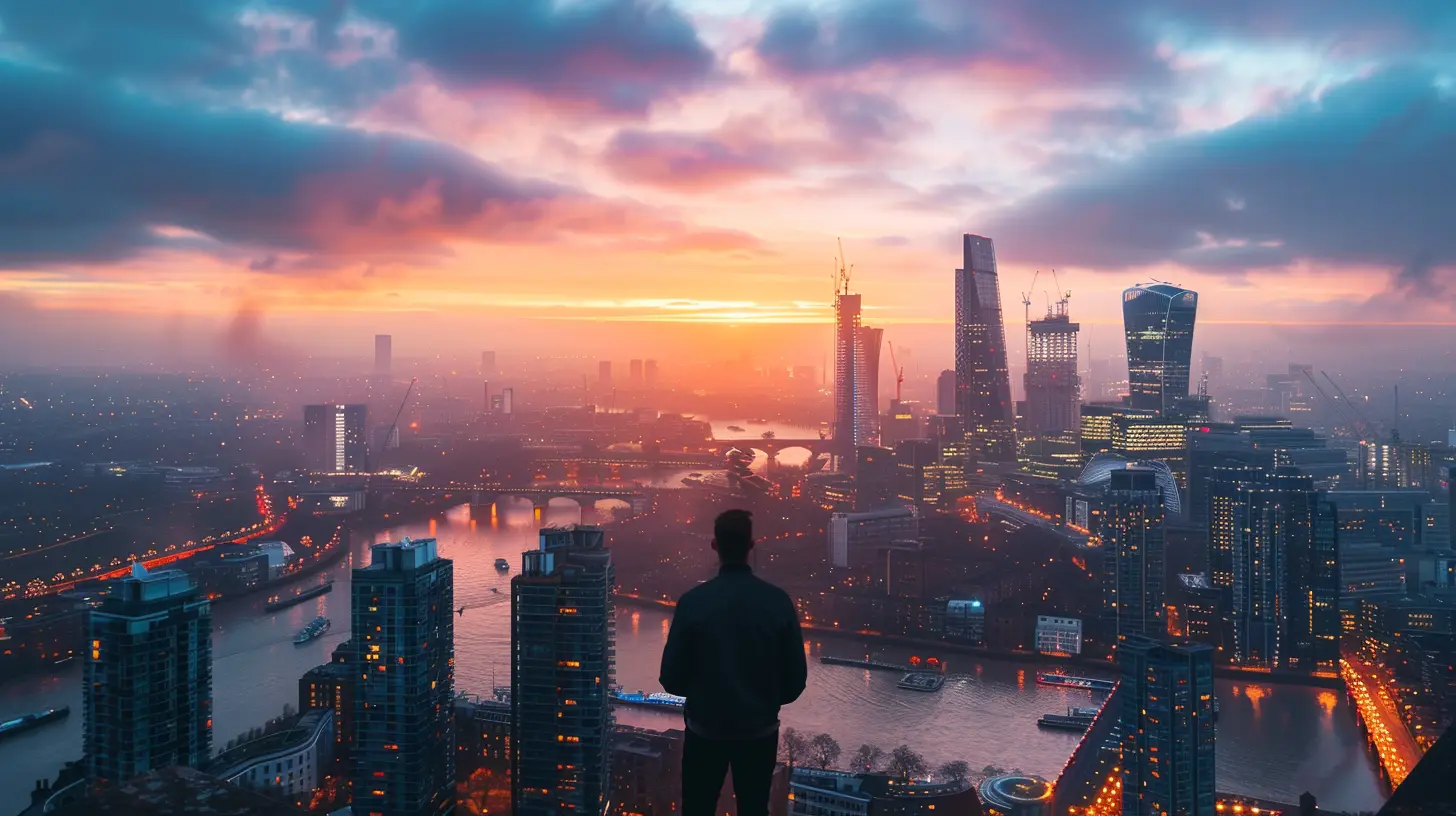
Upcoming Developments: A Closer Look
Several projects are on the horizon that promise to transform [Neighborhood Name]. These developments range from residential complexes to commercial hubs, and each one brings unique opportunities and challenges.Residential Projects
New Housing Complexes
One of the most significant upcoming residential projects is [Project Name], which aims to introduce [number] new housing units to the market. These units are designed with modern amenities to attract young families and professionals.Advantages:
- Increased housing supply can help stabilize prices in a competitive market.
- New developments often include green spaces and communal areas, enhancing quality of life.
Considerations:
- Potential concerns about gentrification and displacement of long-time residents.
- The integration of new residents into the existing community may require careful planning.
Affordable Housing Initiatives
In response to rising housing costs, local authorities have proposed several affordable housing initiatives. These projects aim to create units that cater to lower-income families while ensuring they remain integrated into the neighborhood.Best Practices:
- Collaboration between developers and community organizations can facilitate smoother integration.
- Utilizing public-private partnerships can leverage resources effectively to create affordable options.
Commercial Developments
Retail Spaces
With the growth of the population, there is a corresponding demand for retail and commercial spaces. Projects like [Retail Project Name] aim to create vibrant shopping districts that not only serve residents but also attract visitors from neighboring areas.Trade-offs:
- While new retail spaces can boost the local economy, they may also lead to increased traffic and congestion.
- Developers and city planners need to balance the demand for commercial spaces with the need for pedestrian-friendly environments.
Office Spaces
The shift towards remote work has changed the dynamics of office spaces. However, projects like [Office Project Name] are designed with flexibility in mind, catering to businesses that require both traditional office setups and co-working spaces.Considerations:
- Accessibility to public transportation becomes crucial in attracting businesses and talent.
- Developers should consider incorporating amenities that appeal to a modern workforce, such as fitness centers and cafes.

Infrastructure Developments
Infrastructure is the backbone of any thriving neighborhood. Planned upgrades in [Neighborhood Name] are set to enhance connectivity and livability.Transportation Improvements
One of the most anticipated projects is the enhancement of public transportation systems. The introduction of [specific transit project] aims to improve access to and from [Neighborhood Name], making it easier for residents to commute.Why It Matters:
- Improved public transportation can reduce traffic congestion and promote environmental sustainability.
- When residents have reliable transit options, property values often increase.
Green Spaces and Parks
As cities prioritize sustainability, the creation and enhancement of green spaces are becoming essential. Projects like [Park Project Name] focus on converting underutilized land into parks and recreational areas.Benefits:
- Green spaces contribute to mental well-being and foster community interaction.
- Increased property values in proximity to parks, as many homebuyers prioritize access to outdoor spaces.

Economic Impacts
The future developments in [Neighborhood Name] will have significant economic implications.Job Creation
Many of the projects underway are likely to generate employment opportunities, both during construction and once they are operational.Actionable Recommendation:
- Local residents should stay informed about job fairs and training programs associated with new developments to benefit from these opportunities.
Property Value Trends
As new developments take shape, property values in [Neighborhood Name] may rise.Common Mistakes to Avoid:
- Home buyers should not rush into purchasing property solely based on the allure of upcoming developments. Conducting thorough market research is essential to understand long-term value trends.
Community Considerations
As [Neighborhood Name] evolves, it is imperative that existing residents feel included in the changes.Engaging Local Voices
Developers and city planners should prioritize community engagement through public meetings and feedback sessions. This approach ensures that the voice of the community is heard and respected.Why This Matters:
- When residents feel involved, it fosters a sense of ownership and pride in their neighborhood.
- Inclusive planning can prevent potential conflicts and resistance to new developments.
Addressing Concerns
Concerns about changes, such as increased cost of living or displacement, must be addressed transparently.Best Practices:
- Developers should provide clear communication about how they plan to mitigate negative impacts.
- Creating community benefit agreements can help ensure that developments contribute positively to the neighborhood.
Conclusion
The future of [Neighborhood Name] is bright, with numerous developments on the horizon that promise to enhance the community's livability, economic vitality, and overall character. However, as with any transformation, it is essential to balance growth with a commitment to preserving the unique aspects that make [Neighborhood Name] special.Residents, developers, and city planners must work collaboratively to ensure that the benefits of these projects are broadly shared. By prioritizing community engagement, thoughtful planning, and sustainable practices, [Neighborhood Name] can navigate its future with confidence.
all images in this post were generated using AI tools
Category:
Neighborhood GuidesAuthor:

Kingston Estes