The Evolution of Property Management Software for Efficiency
28 January 2026
Let’s face it—property management isn’t exactly a walk in the park. Ask any landlord or property manager juggling a dozen units, trying to remember who paid rent, who’s due for maintenance, and which leases are expiring this month. It's easy to feel like you're drowning in spreadsheets and sticky notes.
But, hey, that was then. Today, things are different, and a big reason for that change? Property management software. It's like upgrading from a flip phone to the latest smartphone—except instead of just games and texts, this tool helps you save thousands of dollars and hours of time.
In this article, we’ll take a deep dive into how property management software has evolved from clunky, outdated systems into sleek, cloud-based platforms designed to make managing properties more efficient than ever. Whether you're a first-time landlord or managing dozens of apartments, this journey is worth following.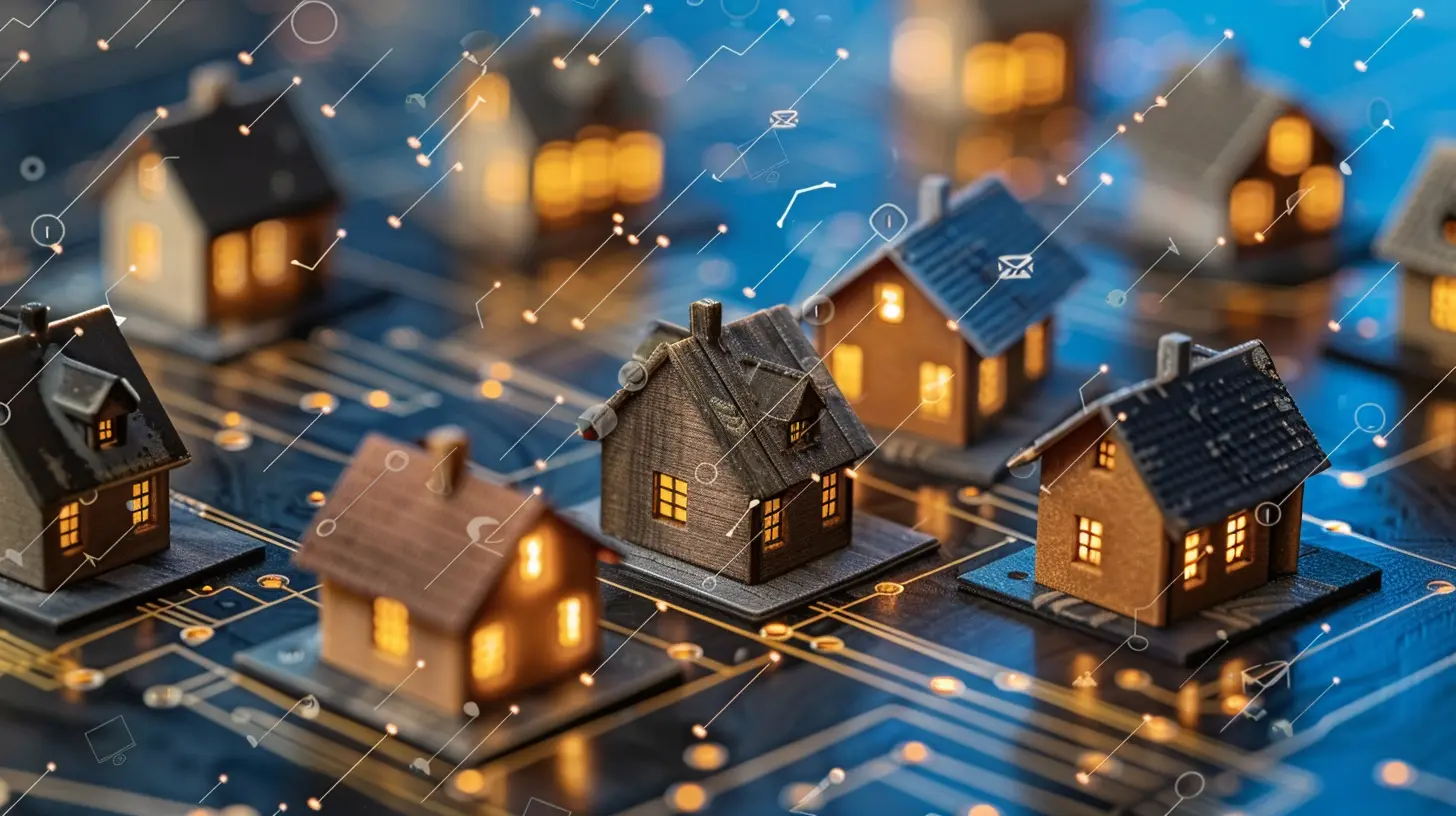
Table of Contents
- Introduction: From Paper Trails to Digital Tools- The Early Days: Spreadsheets and Manual Chaos
- The First Wave: Basic Desktop Software
- The Cloud Revolution: Real-Time, Anytime Access
- Modern Features That Changed the Game
- The Role of AI and Automation in PM Software
- Mobile Accessibility: Property Management On-The-Go
- Tenant Portals: Creating a Better Renter Experience
- Data Analytics: Making Smarter Decisions
- Integrations: Connecting the Dots
- Security & Compliance: Keeping It All Safe
- The Green Factor: Environmental Benefits of Digital Tools
- Challenges Still Faced by Property Managers
- The Future of Property Management Software
- Final Thoughts: Why Efficiency Matters More Than Ever

Introduction: From Paper Trails to Digital Tools
Not too long ago, managing properties meant mountains of paperwork, missed deadlines, and frantic calls from tenants. It was more about damage control than strategy.But as technology advanced, so did the tools at a property manager’s disposal. What started out as data entry software gradually transformed into intelligent systems capable of automating rent collection, screening tenants, and even predicting maintenance needs.
So, how did we get here? Let's rewind.
The Early Days: Spreadsheets and Manual Chaos
If you're old enough to remember typing up leases on a typewriter or tracking expenses in a ledger, you're not alone. Back in the day, "property management software" meant Excel spreadsheets—if that.You had to manually input every rent payment, calculate late fees by hand, and file maintenance requests…well, on actual paper. Besides being time-consuming, this system was riddled with human error. And let’s be honest: it was also incredibly stressful.
Efficiency wasn’t even on the radar—it was all about survival.
The First Wave: Basic Desktop Software
Cue the 1990s and early 2000s, and we saw the first wave of desktop-based property management tools. Programs like QuickBooks and Yardi started to gain attention.These weren’t fancy by today’s standards, but they made a world of difference back then. Basic functions like rent tracking, accounting, and tenant records were easier to manage. You could store more information than ever before and say goodbye to filing cabinets (well, not entirely, but still).
The downside? These programs often required installation on a single computer. Accessibility was limited, and updates weren’t automatic. Plus, if your computer crashed—good luck retrieving your data.
The Cloud Revolution: Real-Time, Anytime Access
Then came the cloud—and honestly, it changed everything.Cloud-based property management platforms like Buildium, AppFolio, and Rentec Direct opened the door to real-time access. You could check rent payments while sipping coffee in your pajamas or approve maintenance requests from your phone while on vacation.
What does this mean for efficiency? Everything.
You're no longer tied to an office or a single device. Cloud-based systems work on multiple platforms, often with intuitive dashboards where you can see everything at a glance. It’s like having a virtual assistant that never sleeps.
Modern Features That Changed the Game
Modern software doesn’t just help you manage properties—it helps you grow your business. Let's break down some of the features that are making that happen:1. Automated Rent Collection
No more chasing down tenants or setting calendar reminders. Tenants can set up recurring payments, and the system notifies you if something’s off.2. Online Lease Signing
Forget printing and scanning documents. With e-signatures, leases are signed in minutes, not days.3. Maintenance Management
Tenants can submit issues through a portal. You get notified instantly, assign a vendor, and track progress—all in one place.4. Tenant Screening Tools
Background checks, credit history, eviction records—you name it. These tools help you make faster, smarter decisions.5. Expense Tracking & Reporting
Link your bank accounts, label expenses, and generate detailed reports for tax season without breaking a sweat.The Role of AI and Automation in PM Software
Artificial Intelligence (AI) used to sound futuristic, right? Now, it’s quietly working behind the scenes in many property management platforms.Things like chatbots for tenant questions, predictive maintenance alerts, and rent-price optimization tools are all powered by AI. Instead of just reacting to problems, AI helps you be proactive.
Imagine your software telling you, “Based on historical data, Unit 2B’s HVAC system is likely to need servicing soon." Before the tenant even notices a problem, you’re on it. That’s next-level efficiency.
Mobile Accessibility: Property Management On-The-Go
Let’s be real—no one wants to be tied to a desk all day. With mobile-first property management apps, you don’t have to be.Whether you're conducting inspections, uploading photos, or messaging a tenant—it's all doable from the palm of your hand. This is especially great for property managers who oversee multiple buildings or locations.
The flexibility of mobile access means faster responses and happier tenants. Your workspace is wherever you are.
Tenant Portals: Creating a Better Renter Experience
Efficient property management doesn’t just benefit landlords—it’s a win for tenants, too.Tenant portals have become the norm. From paying rent to requesting repairs or viewing their lease agreement, renters love the ease and transparency that portals offer.
And guess what? Happy tenants tend to stay longer, reducing turnover and vacancy costs. That’s long-term efficiency.
Data Analytics: Making Smarter Decisions
Let’s talk numbers—but not in a boring way.Modern PM software collects heaps of data and turns it into powerful insights. Want to know which properties are your biggest earners? Curious about seasonal vacancy trends? The answers are just a few clicks away.
This data helps you make smart, strategic decisions—whether it's adjusting rent prices or identifying underperforming units. Information is power, and this software puts it right in your hands.
Integrations: Connecting the Dots
No tool should exist in a vacuum. Today’s best property management systems integrate with other platforms—think QuickBooks for accounting, Zapier for automations, or even Google Calendar for scheduling.Everything works together like a well-oiled machine. You’re not juggling tabs and systems anymore—it’s all connected, and that saves buckets of time.
Security & Compliance: Keeping It All Safe
Let’s not forget—property management involves sensitive data. Tenant information, payment details, legal documents—it all needs top-tier security.Modern platforms come with SSL encryption, multi-factor authentication, and automatic backups. Compliant with laws like the Fair Housing Act and GDPR? You bet.
Peace of mind is part of efficiency, too.
The Green Factor: Environmental Benefits of Digital Tools
Going digital isn’t just about convenience—it’s good for the planet. Fewer printed documents, less mailing, and reduced travel mean a smaller carbon footprint.That’s something both landlords and tenants can feel good about.
Challenges Still Faced by Property Managers
Sure, the software is smarter than ever—but it's not perfect. Some challenges still linger:- Learning curves for older landlords or less tech-savvy users
- High upfront costs for advanced platforms
- Software glitches and customer support issues
- Data migration difficulties when switching tools
Still, the pros far outweigh the cons. With the right support and training, most users adapt pretty quickly.
The Future of Property Management Software
So, what’s next?We’re already seeing more advanced AI, blockchain-based lease agreements, augmented reality for virtual tours, and even IoT integration for smart homes. The gap between property managers and tech companies is closing fast—and that spells more innovation on the horizon.
Efficiency will continue to be the driving force. Those who embrace technology are poised to outpace the competition.
Final Thoughts: Why Efficiency Matters More Than Ever
Let’s wrap it up.Property management software has come a long way—from clunky spreadsheets to powerful cloud-based solutions. It saves time, reduces mistakes, enhances tenant satisfaction, and ultimately helps you breathe a little easier.
Whether you manage one property or a hundred, the right software can transform your efforts from chaotic to controlled. And in today’s fast-paced world, that kind of efficiency isn’t just nice to have—it’s essential.
all images in this post were generated using AI tools
Category:
Real Estate TechnologyAuthor:

Kingston Estes
Discussion
rate this article
2 comments
Onyx Soto
In a world where bricks meet bytes, Property management dances with light, From ledgers to clouds, efficiency blooms, Streamlining tasks, dispelling the glooms. A digital dawn, where care takes flight, In harmony, homes find their right.
February 13, 2026 at 4:34 AM
Kingston Estes
Thanks for capturing the essence of our digital journey in property management. It's exciting to see how technology transforms our approach and enhances efficiency.
Gabriella Moses
This article effectively highlights the transformative impact of property management software on operational efficiency. However, it could further explore the challenges of tech adoption among traditional property managers to provide a balanced perspective.
January 29, 2026 at 2:01 PM
Kingston Estes
Thank you for your feedback! I appreciate your suggestion and will consider including the challenges of tech adoption in future articles for a more balanced view.