The Essential Guide to Water Damage and Homeowners Insurance
15 June 2026
Water damage—two words that strike fear into the hearts of homeowners everywhere. Whether from a burst pipe, a leaky roof, or an unexpected flood, water can wreak havoc on your home and your wallet. That's where homeowners insurance comes in. But does it cover everything? What should you do if disaster strikes?
In this guide, we’ll break everything down in plain English, so you know what’s covered, what’s not, and how to protect yourself from unexpected water damage costs. 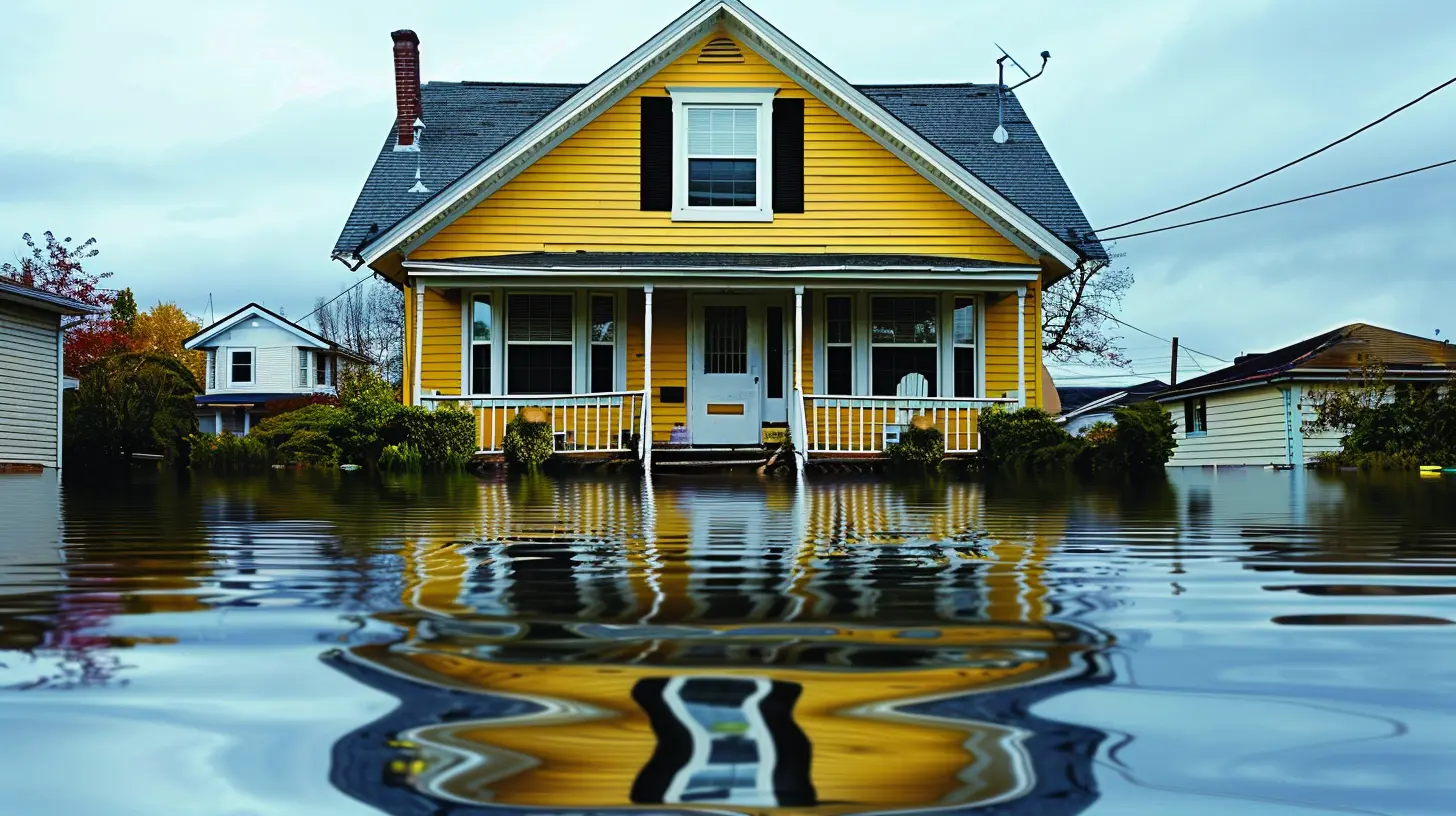
What is Water Damage?
Water damage is any destruction caused by water getting where it shouldn’t be. It can come from a variety of sources, including:- Plumbing Issues – Burst pipes, overflowing sinks, and faulty appliances.
- Roof Leaks – Storm damage or an aging roof can lead to unwanted water intrusion.
- Flooding – Heavy rains, hurricanes, or overflowing rivers can cause serious home damage.
- Sewage Backup – When the sewer system backs up, contaminated water can flood your home.
Unchecked water damage can lead to mold, structural issues, and expensive repairs. That’s why understanding your homeowners insurance coverage is crucial. 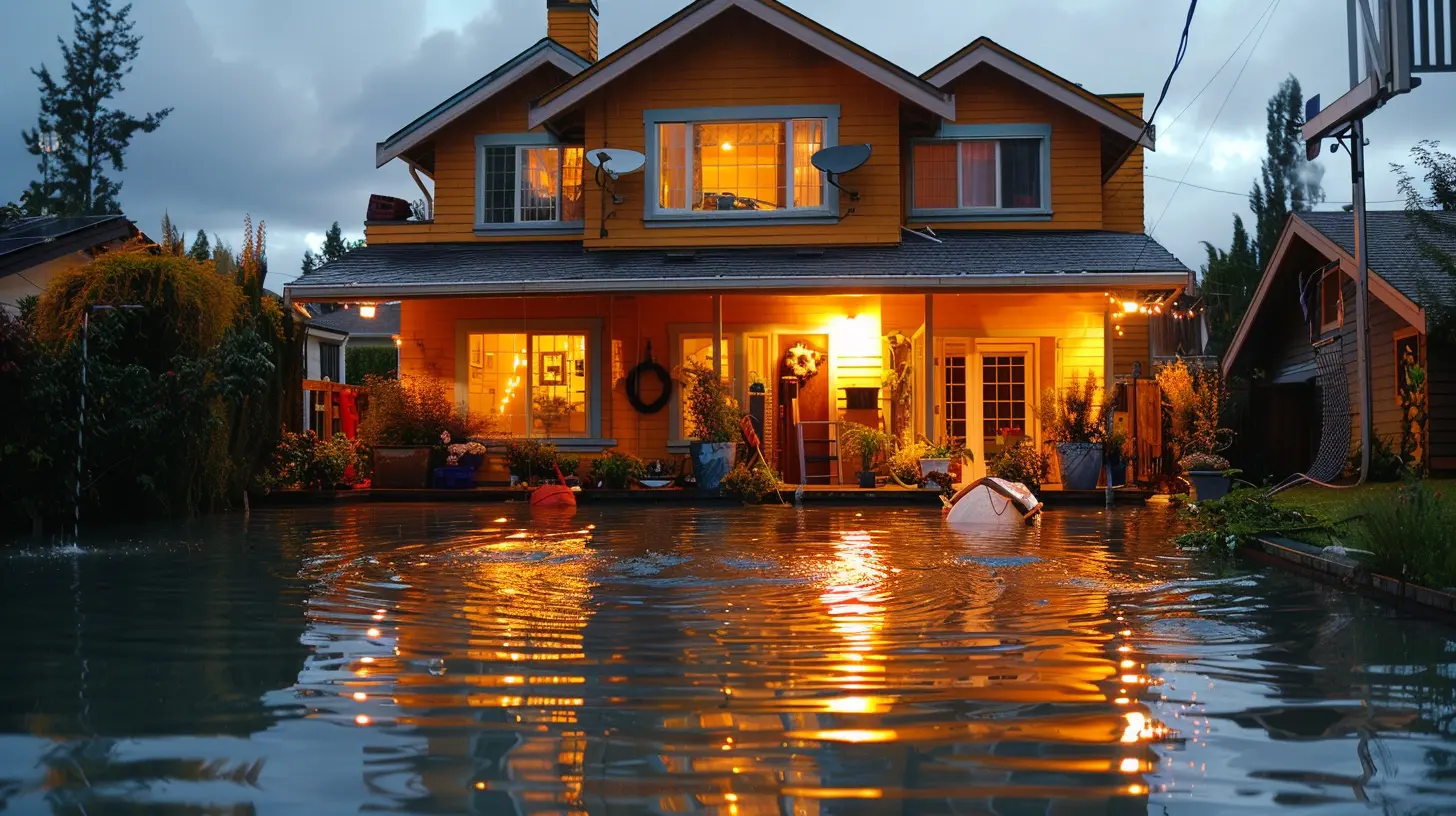
Does Homeowners Insurance Cover Water Damage?
Yes… and no. Homeowners insurance usually covers sudden and accidental water damage but not gradual or preventable issues. Let’s break it down:✅ What’s Typically Covered?
Most standard homeowners insurance policies cover water damage caused by:- Burst pipes – If a pipe suddenly bursts due to freezing or other unforeseen reasons, you're covered.
- Faulty appliances – If your water heater, washing machine, or dishwasher unexpectedly leaks, your policy usually has your back.
- Roof leaks (from storms) – If high winds damage your roof and water seeps in, you’re typically covered.
- Accidental overflows – If your bathtub or sink overflows and causes damage, your policy likely covers the repairs.
❌ What’s NOT Covered?
Insurance companies typically don’t cover:- Flood damage – Standard homeowners insurance does not cover flooding. You’ll need separate flood insurance for that.
- Gradual leaks – If water damage happens over time (like a slow leak in your walls), it’s often considered a maintenance issue, not an insurance matter.
- Poor maintenance – If your roof has been falling apart for years and suddenly leaks, your insurer may deny the claim.
- Sewage backups – Unless you’ve added an extra endorsement, sewage backups are usually not included in a standard policy. 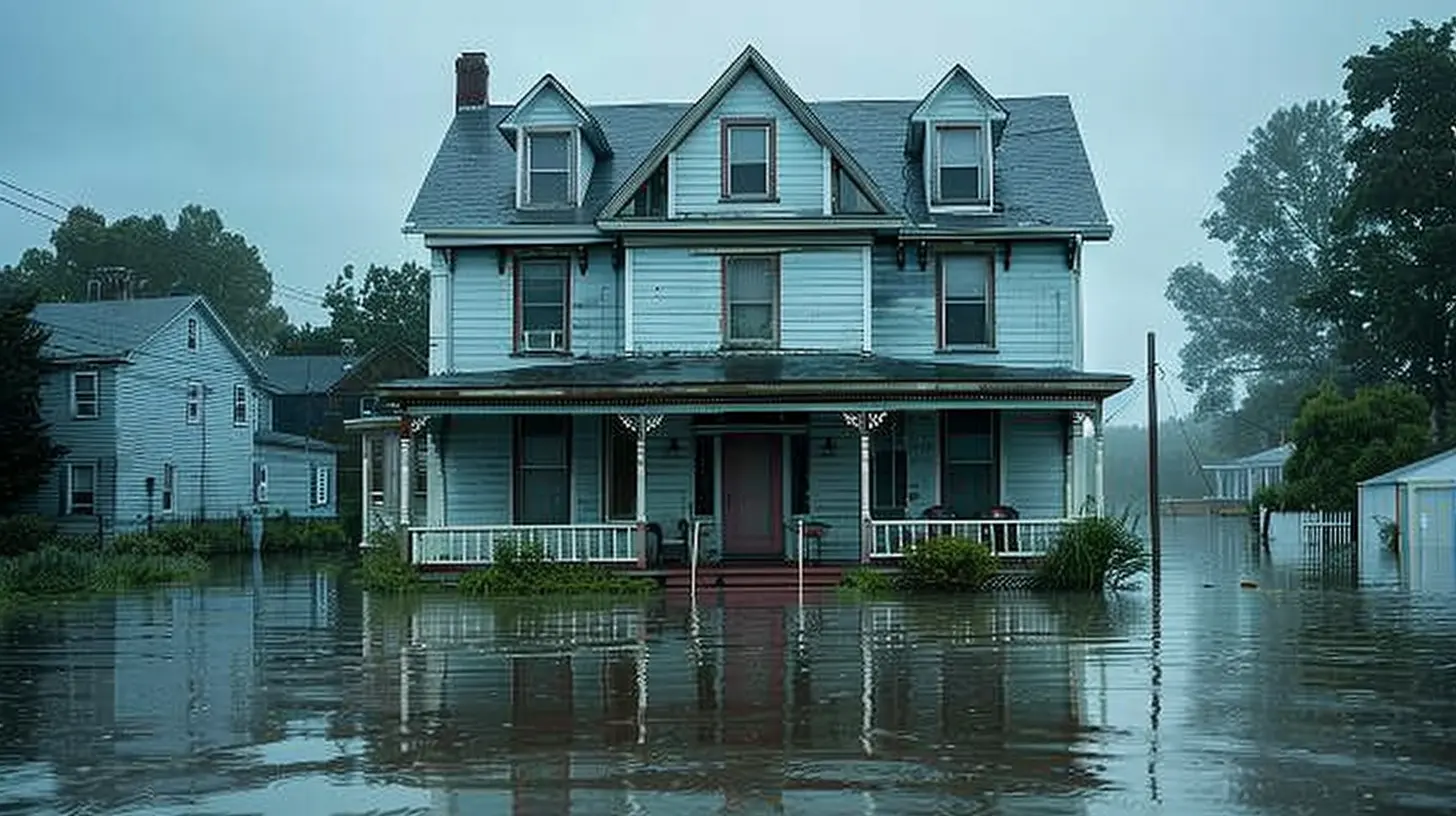
What to Do If You Experience Water Damage
If water damage hits your home, acting fast can mean the difference between minor repairs and a full-blown disaster. Here’s what to do:1️⃣ Stop the Water Source
Find the water source and stop it immediately. If it’s a burst pipe, shut off your main water valve. If it’s a roof leak, put a temporary cover in place.2️⃣ Document Everything
Before you start cleaning up, take photos and videos of the damage. Your insurance company will need proof when processing your claim.3️⃣ Call Your Insurance Company
Report the damage ASAP. Time is of the essence, and delays can sometimes hurt your claim.4️⃣ Prevent Further Damage
Move valuables away from the affected area and start drying things out. Use fans, dehumidifiers, or even professional services if needed.5️⃣ Work With Your Insurance Adjuster
Your insurer will send an adjuster to assess the damage and determine what’s covered. Be honest, provide documentation, and ask questions.
How to Prevent Water Damage
A little prevention can save you thousands of dollars in repairs. Here are a few ways to keep water damage at bay:? Maintain Your Plumbing
- Insulate pipes to prevent freezing in winter.- Check for leaks under sinks, behind appliances, and in basements.
? Inspect Your Roof Regularly
- Fix missing or damaged shingles ASAP.- Clean gutters to prevent water buildup.
? Monitor Indoor Humidity Levels
- Keep indoor humidity below 50% to prevent mold growth.- Use dehumidifiers in damp areas like basements and bathrooms.
? Invest in a Sump Pump
- If your basement is prone to water accumulation, install a sump pump to remove excess water before it becomes a problem.? Upgrade Your Water Detection System
- Install smart water leak detectors that alert you if a leak is detected in your home.Should You Get Additional Coverage?
If you're worried about water damage beyond what your standard policy covers, consider adding extra protection:- Flood Insurance – Essential if you live in a flood-prone area.
- Sewer Backup Coverage – Protects against water damage caused by sewage backups.
- Water Damage Endorsements – Some insurers offer additional coverage options for gradual leaks and mold remediation.
Final Thoughts
Water damage is one of the most common (and expensive) home disasters. While homeowners insurance covers a lot, it doesn’t cover everything. Knowing the ins and outs of your policy can save you nasty surprises—and big repair bills.The best defense? Prevention. Regular maintenance, quick repairs, and the right insurance coverage can keep your home safe from water damage woes.
all images in this post were generated using AI tools
Category:
Homeowners InsuranceAuthor:

Kingston Estes
Discussion
rate this article
1 comments
Sara McAllister
This article offers valuable insights into navigating the complexities of water damage and homeowners insurance. Understanding the nuances of coverage can save homeowners from costly surprises. A proactive approach to insurance can make all the difference when facing unexpected water-related issues. Great read for all homeowners.
June 20, 2026 at 4:59 AM
Kingston Estes
Thank you for your thoughtful comment! I'm glad you found the insights helpful. It's so important for homeowners to be informed about their coverage.