The Best Walkable Neighborhoods in America for 2026
26 April 2026
Let’s be honest—who hasn’t dreamed of a life where your morning coffee, your grocery run, and your Friday night dinner are all within a ten-minute stroll? In a world that’s increasingly chaotic, the idea of parking your car for the weekend (or, gasp, selling it) feels almost revolutionary. As we barrel toward 2026, walkability isn’t just a buzzword anymore—it’s a lifestyle revolution. I’ve crunched the numbers, talked to locals, and even laced up my own sneakers to bring you the crème de la crème of pedestrian-friendly America.
Why 2026? Because the landscape is shifting faster than a skateboarder on a downhill slope. Remote work has untethered us from office cubicles, climate consciousness is nudging us toward smaller carbon footprints, and—let’s face it—nobody wants to spend their precious free time circling a parking lot. So, grab a water bottle and let’s hit the pavement. These neighborhoods aren’t just places to live; they’re places to live well.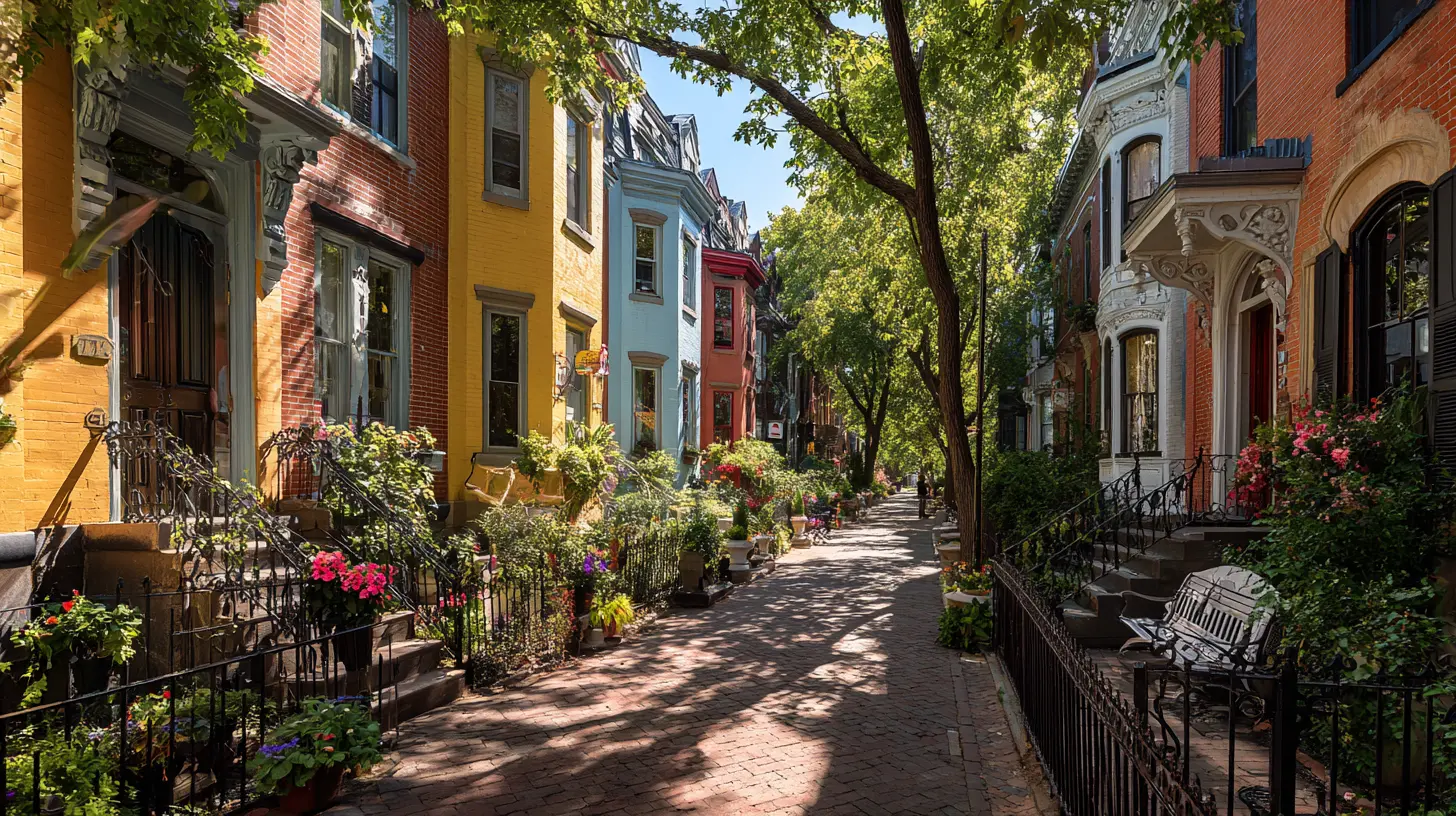
What Makes a Neighborhood Walkable in 2026?
Before we dive into the list, let’s set some ground rules. A walkable neighborhood isn’t just a place with a sidewalk. It’s an ecosystem. Think of it like a perfectly balanced recipe: you need a pinch of safety, a dash of green space, a heap of local businesses, and a generous pour of public transit. In 2026, we’re also factoring in things like EV charging stations within walking distance, community gardens, and even “15-minute city” concepts—where everything you need is a short walk or bike ride away.I’m looking for neighborhoods where you can literally live without a car for weeks. Where your kids can walk to school, your partner can walk to a yoga class, and you can walk to a craft brewery—all without breaking a sweat. Sound like a pipe dream? It’s not. Let’s explore.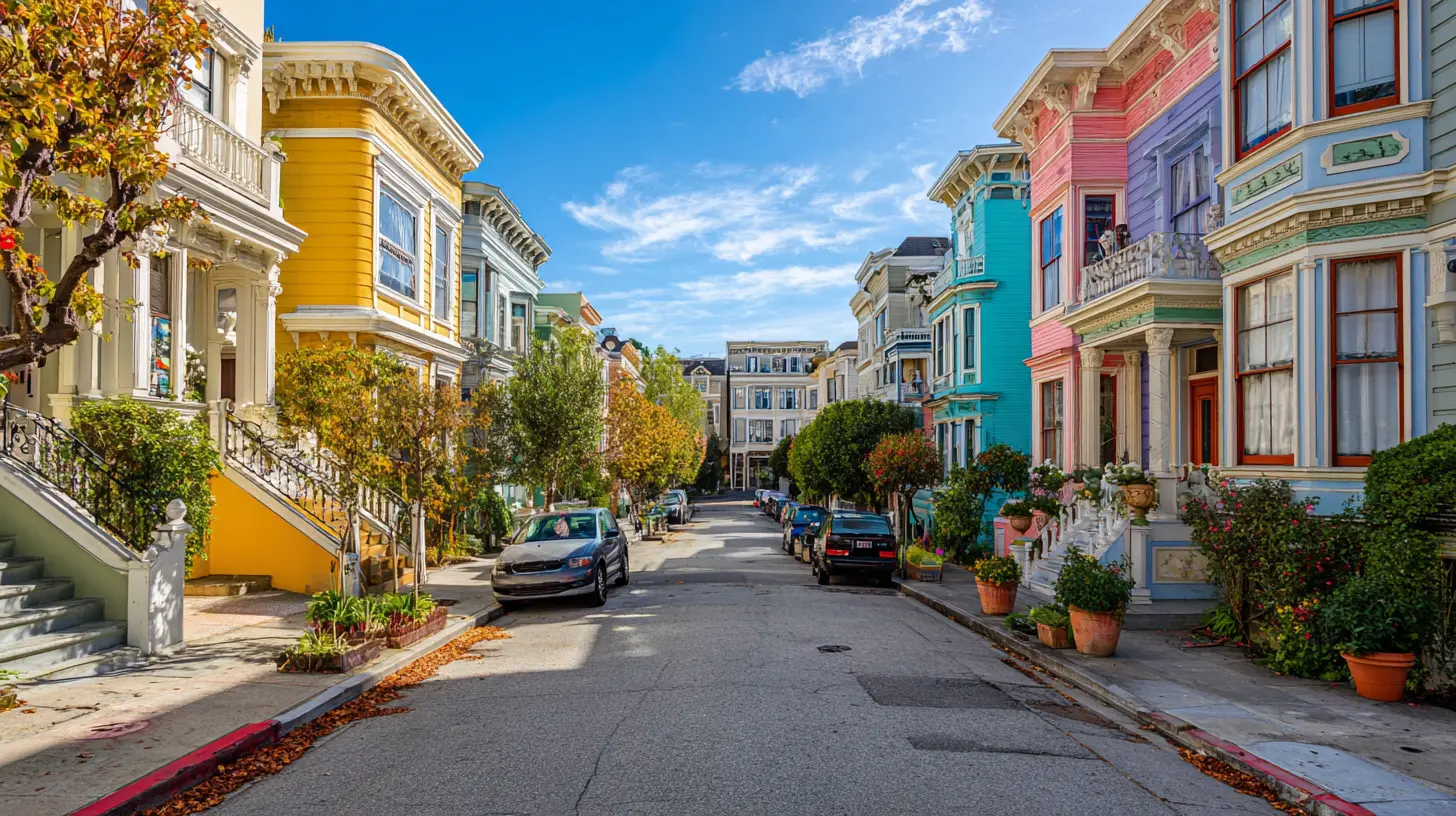
1. The Pearl District, Portland, Oregon
A Post-Industrial Fairy Tale
If you’ve ever seen a photograph of a city that looks like it was designed by a hipster angel, you’ve probably glimpsed the Pearl District. This former industrial wasteland has transformed into a walker’s paradise, and by 2026, it’s only getting better. Picture this: you step out of your converted warehouse loft, and within five minutes, you’re grabbing a pour-over coffee at a café that roasts its own beans, browsing a bookstore that hosts poetry slams, and picking up fresh produce at a farmers’ market that feels more like a block party.What sets the Pearl apart is its layered walkability. It’s not just about a single main street—it’s a grid of narrow, tree-lined streets that invite you to wander. The city has invested heavily in pedestrian-only zones and widened sidewalks, so you’re not dodging SUVs. Plus, the streetcar system connects you to downtown in a heartbeat. In 2026, this neighborhood is a masterclass in urban renewal. The only downside? You might find yourself walking too much—your step counter will think you’ve run a marathon.
The Vibe: Artsy, caffeinated, and slightly damp (it’s Portland, after all).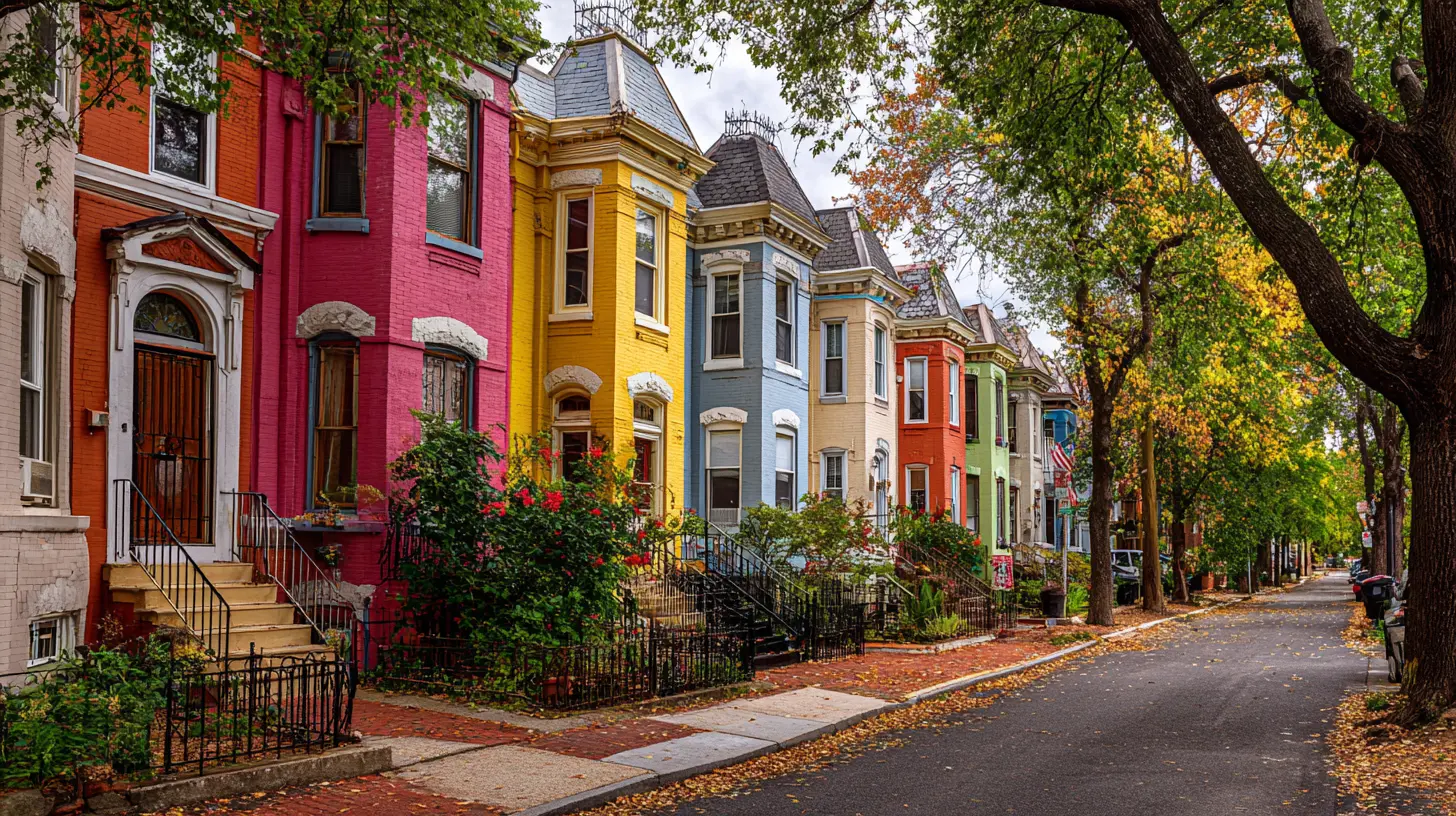
2. Old Town Alexandria, Virginia
History Walks With You
Just a stone’s throw from Washington, D.C., Old Town Alexandria feels like stepping into a colonial postcard—if that postcard had craft cocktail bars and farm-to-table restaurants. This neighborhood is a walker’s dream because it’s dense yet charming. Cobblestone streets (yes, you’ll need good shoes) lead you past 18th-century townhouses that now house boutique shops and galleries.But here’s the kicker: in 2026, Old Town has doubled down on its pedestrian-first ethos. The city has expanded its “shared street” program, where cars are guests, not rulers. You can stroll from the waterfront to the King Street metro station in about fifteen minutes, passing a dozen places to eat, drink, or shop along the way. And the Potomac River? It’s your backyard. Grab a coffee, walk to the pier, and watch the boats drift by. It’s the kind of walk that makes you forget you’re thirty minutes from the nation’s capital.
The Vibe: Historic, sophisticated, and effortlessly romantic.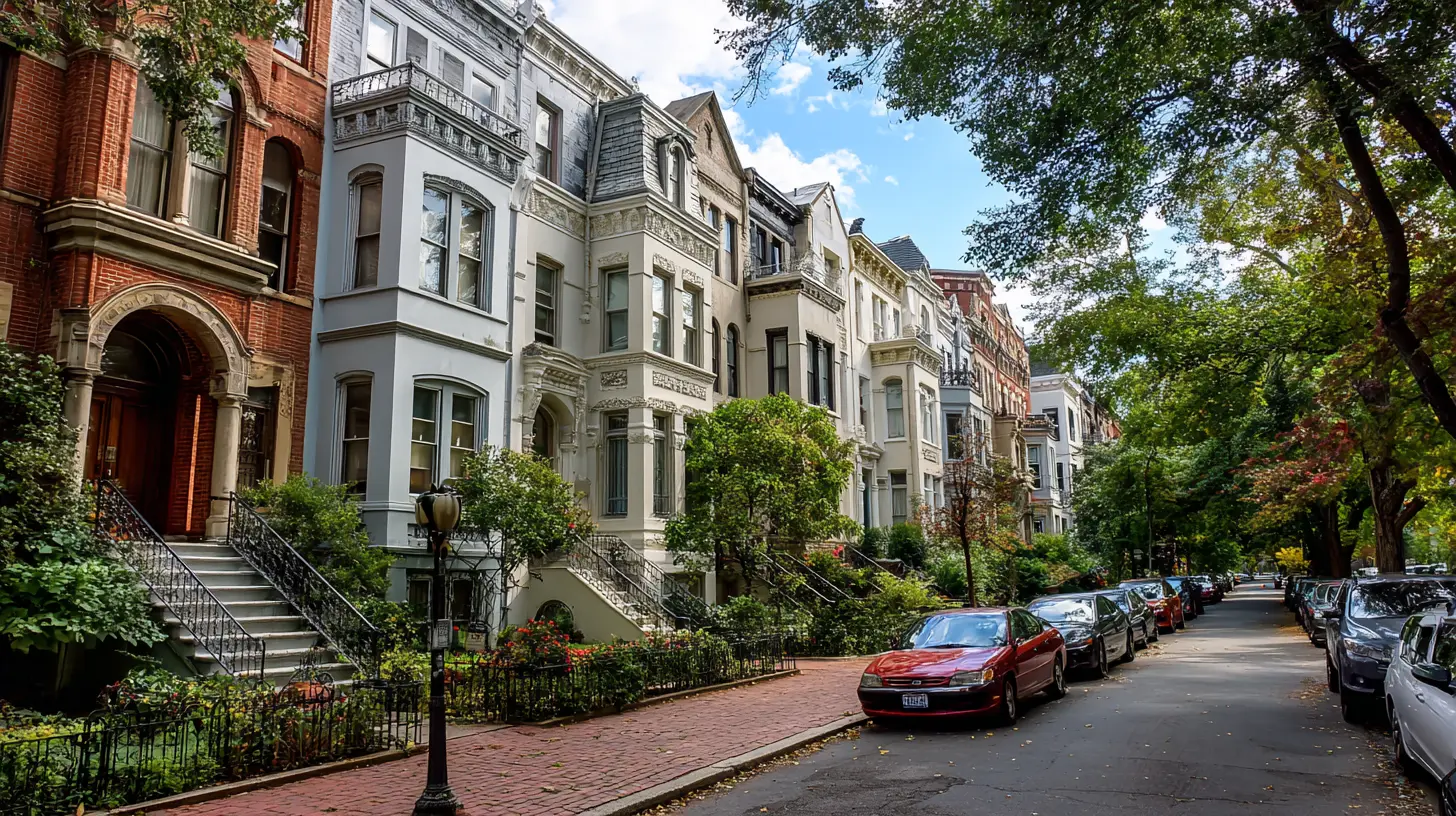
3. Downtown Decatur, Georgia
Southern Charm on Foot
Atlanta is notorious for its traffic—it’s the city that gave us “The Walking Dead” for a reason. But just east of the chaos lies Downtown Decatur, a walkable oasis that proves the South can do pedestrian life right. This is a neighborhood where you can park your car on Friday and not touch it until Monday. Seriously.Decatur’s secret weapon is its compact, village-like feel. The square is the heart of it all: a courthouse lawn surrounded by independent bookstores, bakeries, and restaurants that serve everything from soul food to vegan ramen. By 2026, Decatur has added more green spaces and a dedicated “slow street” for cyclists and pedestrians. The schools are top-notch, the community is tight-knit, and the walkability score is through the roof. If you’re looking for a place where you can grab a biscuit, walk to a live music venue, and then stroll home under oak trees, this is it.
The Vibe: Friendly, vibrant, and unpretentiously cool.
4. Capitol Hill, Denver, Colorado
Where Urban Meets Altitude
Denver’s Capitol Hill neighborhood is like that friend who’s always up for an adventure. It’s dense, historic, and packed with personality. Think Victorian mansions converted into apartments, funky coffee shops that double as art galleries, and a park (Civic Center Park) that hosts everything from yoga classes to political protests.What makes Capitol Hill a standout for 2026 is its accessibility. You can walk to the state capitol, the Denver Art Museum, and the 16th Street Mall—all within fifteen minutes. The neighborhood has also embraced the “complete streets” concept, meaning bike lanes, wide sidewalks, and pedestrian crossings that actually make sense. And with the city’s new micro-mobility hubs (think e-bikes and scooters), you can cover more ground without a car. The altitude might leave you breathless, but the walkability will keep you coming back for more.
The Vibe: Energetic, creative, and just a little bit quirky.
5. The French Quarter, New Orleans, Louisiana
Walkability with a Side of Jazz
Let’s get one thing straight: the French Quarter is not for everyone. It’s loud, it’s messy, and it smells like beignets and bourbon. But if you want a neighborhood where walking is an experience, this is it. In 2026, the Quarter has cleaned up its act (somewhat) while keeping its soul intact. The narrow streets are perfect for aimless wandering, and every corner holds a surprise—a brass band, a hidden courtyard, a voodoo shop.The key here is the density. You can walk to dozens of restaurants, bars, and music venues without ever crossing a major road. The Mississippi River is a five-minute walk, and the St. Louis Cathedral is your landmark. Sure, it’s touristy in spots, but the residential side—especially near the Marigny—feels like a real neighborhood. If you’re willing to trade peace and quiet for unparalleled character, the French Quarter is your walkable paradise.
The Vibe: Lively, historic, and unapologetically loud.
6. Downtown Boulder, Colorado
The Healthy Walk
Boulder is basically the poster child for walkability. It’s flat (mostly), it’s bike-friendly, and it’s obsessed with the outdoors. Downtown Boulder, in particular, is a walker’s haven because it’s designed around the pedestrian. Pearl Street Mall, the main drag, is a car-free zone lined with street performers, outdoor patios, and shops that sell everything from hiking gear to handmade jewelry.In 2026, Boulder has taken things a step further by integrating its trail system directly into the downtown grid. You can walk from a bookstore to a mountain biking trailhead in under twenty minutes. The farmers’ market is a weekly ritual, and the air is so clean you’ll feel healthier just by breathing. The downside? It’s expensive. But if you can afford it, you’ll never need a gym membership—walking here is a workout in itself.
The Vibe: Active, wholesome, and slightly crunchy.
7. The North End, Boston, Massachusetts
Italy in America, on Foot
Boston’s North End is a lesson in density done right. This is the city’s oldest residential neighborhood, and it’s so compact that you can walk from one end to the other in ten minutes. But those ten minutes will take you past bakeries, delis, and trattorias that have been family-run for generations. The Freedom Trail runs through it, so you’re literally walking through history.What makes the North End a top pick for 2026 is its resilience. Despite being a tourist magnet, it remains a real neighborhood with real residents. The city has added more pedestrian-only hours in the summer, and the waterfront parks are better connected than ever. You can walk to the Boston Harbor, grab a cannoli from Mike’s Pastry, and then stroll to the TD Garden for a Celtics game—all without a car. It’s tight, it’s loud, and it’s glorious.
The Vibe: Historic, aromatic, and bustling.
8. Downtown Santa Monica, California
Beachside Bliss
If you’re dreaming of a walkable neighborhood with sand between your toes, Santa Monica is your answer. Downtown Santa Monica (or “Downtown SM” as the locals call it) is a grid of palm-tree-lined streets that connect the beach to the city. The Third Street Promenade is a pedestrian-only shopping district that’s been a walker’s paradise for decades.By 2026, Santa Monica has doubled down on sustainability. The city has added more EV charging stations, expanded bike lanes, and even introduced a “car-free Sundays” program. You can walk to the pier, the farmers’ market, and the metro station that takes you straight to downtown L.A. The only catch? The cost of living is astronomical. But if you’re looking for a walkable lifestyle with a beach view, you’ll find no better match.
The Vibe: Sunny, aspirational, and perpetually laid-back.
9. The Village, New York City
The Original Walkable Neighborhood
You can’t talk about walkability without mentioning Greenwich Village. It’s the gold standard. The narrow, winding streets are a delight to explore, and the sheer density of restaurants, bars, and shops is unmatched. In 2026, the Village remains a walker’s dream because it’s organic—it wasn’t planned; it just happened.Washington Square Park is the living room of the neighborhood, and you can walk to SoHo, the West Village, and Chelsea in under thirty minutes. The subway is everywhere, but you might not need it. The Village is the kind of place where you can spend an entire day walking and still find new corners to discover. It’s chaotic, expensive, and absolutely worth it.
The Vibe: Bohemian, historic, and endlessly surprising.
10. Downtown Nashville, Tennessee
Music City on Foot
Nashville has exploded in popularity over the last decade, and its downtown is now a walkable hub of honky-tonks, hot chicken joints, and live music. But don’t mistake it for a tourist trap—the residential pockets, especially near the Gulch and Germantown, are thriving walkable communities.In 2026, Nashville has invested heavily in pedestrian infrastructure, including a new greenway that connects downtown to the Cumberland River. You can walk to a concert, grab a late-night biscuit, and stroll home under neon lights. The energy is infectious, and the walkability makes it easy to soak it all in. Just be prepared for the humidity—your walk will be sweaty, but worth it.
The Vibe: Lively, musical, and unapologetically Southern.
How to Choose Your Walkable Paradise
So, which neighborhood is right for you? It depends on your vibe. Do you want history (Alexandria, North End) or modernity (Pearl District, Santa Monica)? Do you crave nature (Boulder, Capitol Hill) or urban energy (Village, Nashville)? The beauty of walkable neighborhoods is that they force you to slow down and pay attention. You’ll notice the way light filters through the trees, the sound of a street musician, the smell of fresh bread. It’s a richer way to live.In 2026, walkability isn’t a luxury—it’s a necessity. As we grapple with climate change, rising gas prices, and the loneliness of suburban sprawl, these neighborhoods offer a lifeline. They’re places where you can connect with your community, your environment, and yourself. So, lace up your shoes, and start walking. Your future self will thank you.
all images in this post were generated using AI tools
Category:
Neighborhood GuidesAuthor:

Kingston Estes
Discussion
rate this article
2 comments
Kennedy Stewart
Forget the gym. Just move to one of these walkable neighborhoods and get your steps in while hunting for the perfect taco truck. With all that strolling, you might even burn off the calories from last weekend's pizza binge. Who knew finding a home could double as a fitness plan?
May 15, 2026 at 4:11 AM
Kingston Estes
Absolutely! Finding a great taco truck while living in a walkable neighborhood sounds like the perfect way to stay active and enjoy the local scene. Happy house hunting!
Hunter Wolfe
I'm fascinated by the evolving concept of walkability! Which factors are driving trends in these neighborhoods for 2026? I'd love to know how community design and amenities are shaping the future of urban living!
April 28, 2026 at 4:16 AM
Kingston Estes
Thanks for your interest! Trends for 2026 are influenced by mixed-use development, improved public transport, green spaces, and a focus on local businesses. Community design is prioritizing accessibility and sustainability, making urban living more appealing.