The Best Materials for Building a Durable Tiny Home
11 February 2026
Building a tiny home is a dream for many. Whether you're looking to downsize, live sustainably, or create an affordable housing solution, durability is key. After all, your tiny home should withstand the test of time, weather, and daily use. But what are the best materials to use? Choosing the right materials can mean the difference between a cozy, long-lasting home and a structure that needs constant repairs.
In this article, we'll break down the best materials for building a durable tiny home, considering strength, cost-effectiveness, and sustainability. Whether you're DIY-ing your build or hiring professionals, here’s what you need to know! 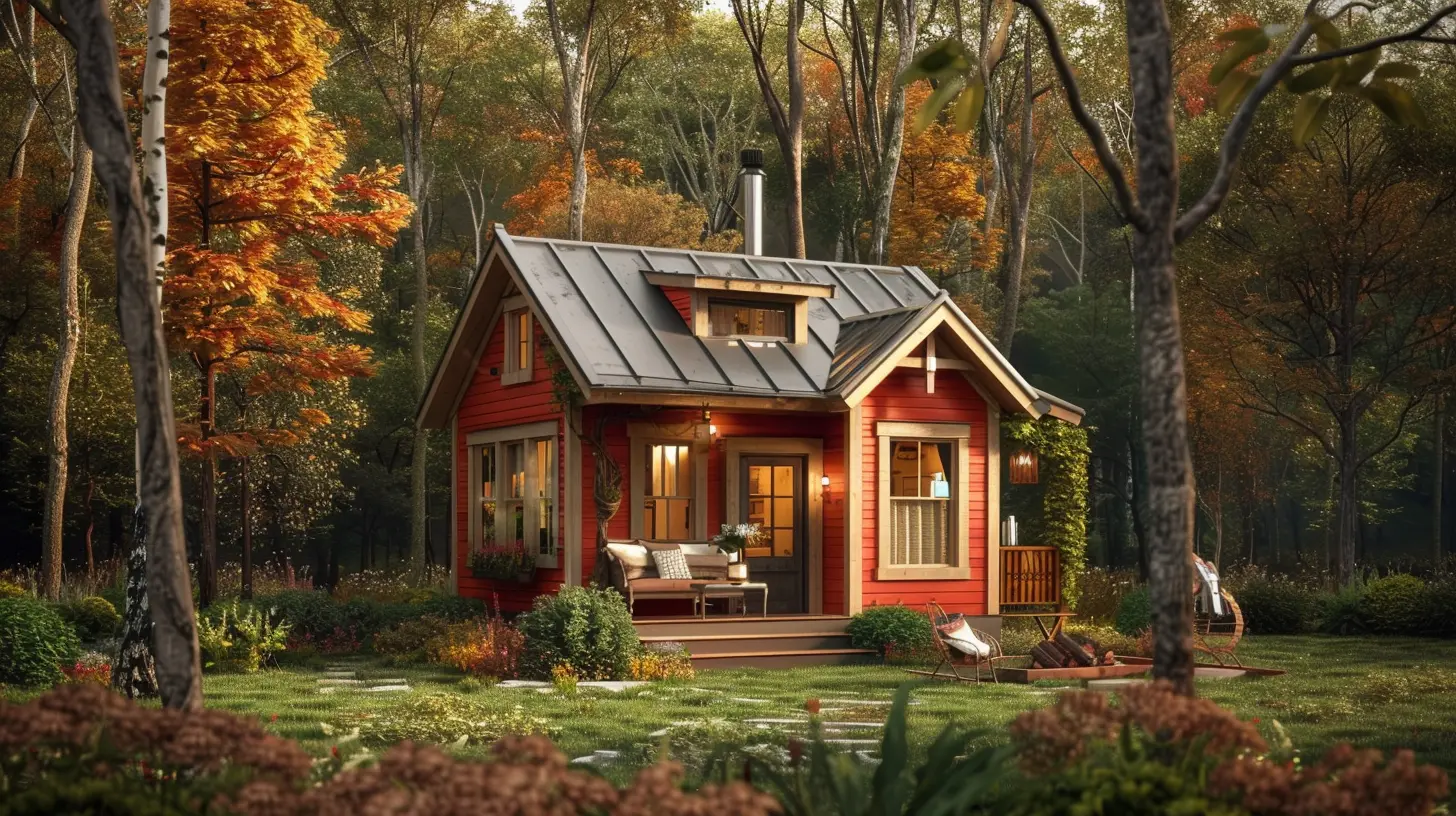
1. The Foundation: A Strong Base for Stability
Before anything, your tiny home needs a solid foundation. The type of foundation you choose depends on whether your home is stationary or on wheels.For Stationary Tiny Homes
If your tiny home is fixed in place, consider:- Concrete Slabs – These provide excellent durability and stability. They also offer great protection against moisture and pests.
- Concrete Blocks (CMUs) – A cost-effective alternative, concrete blocks offer a strong base while allowing for airflow beneath the home.
- Pier and Beam Foundation – Elevates the home to prevent moisture damage while also making it easier to access plumbing and electrical systems.
For Mobile Tiny Homes
If your tiny home is on wheels, you'll need a trailer that can handle the weight. Consider:- Steel-Framed Trailers – These are the go-to choice for tiny homes on wheels. They provide incredible strength and can support heavy loads without twisting or bending.
- Aluminum Trailers – Lighter than steel and resistant to rust, but they may not be as strong for heavier builds.
The foundation is the backbone of your tiny home, so investing in high-quality materials is a must. 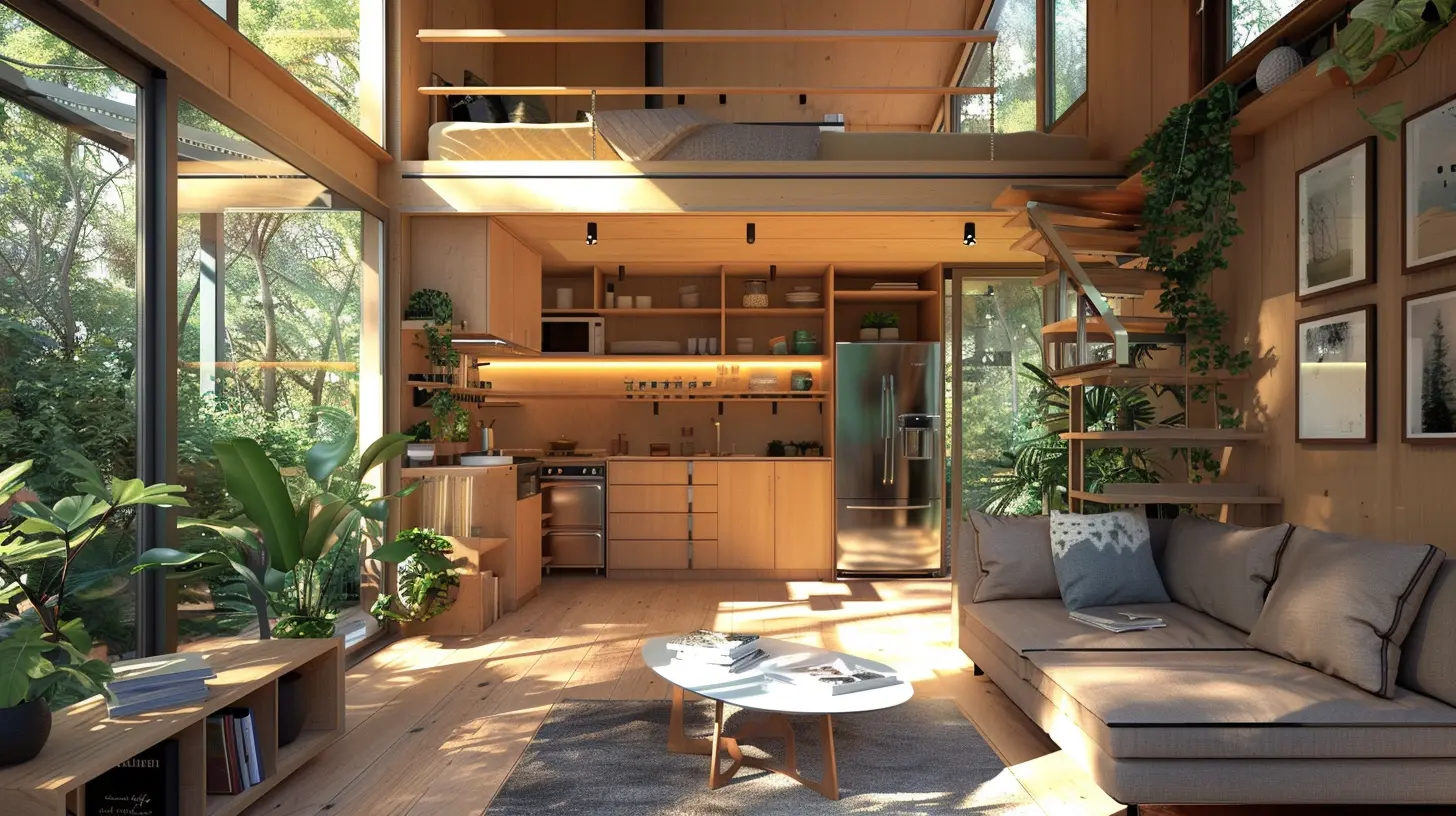
2. Framing: The Skeleton of Your Home
The framing is what holds everything together—a strong frame equals a stronger home. Let’s look at the best options for tiny home framing.Steel Framing
Steel framing is gaining popularity in tiny home construction. Why?- Incredible Strength – Steel is far more durable than wood and resists warping, cracking, and termites.
- Lightweight – Surprisingly, steel weighs less than traditional lumber, making it perfect for mobile tiny homes.
- Fire Resistant – Reduces the risk of fire damage.
The downside? Steel framing can be more expensive upfront, and you'll need specialized tools to work with it.
Wood Framing
A classic choice, wood framing is still widely used in tiny house construction.- Affordable and Readily Available – Lumber is easy to source and work with.
- Natural Insulation – Wood helps with temperature regulation.
- Eco-Friendly (When Sustainably Sourced) – Opt for FSC-certified or reclaimed wood for a greener approach.
However, wood is susceptible to moisture, pests, and fire, so proper treatment and maintenance are essential. 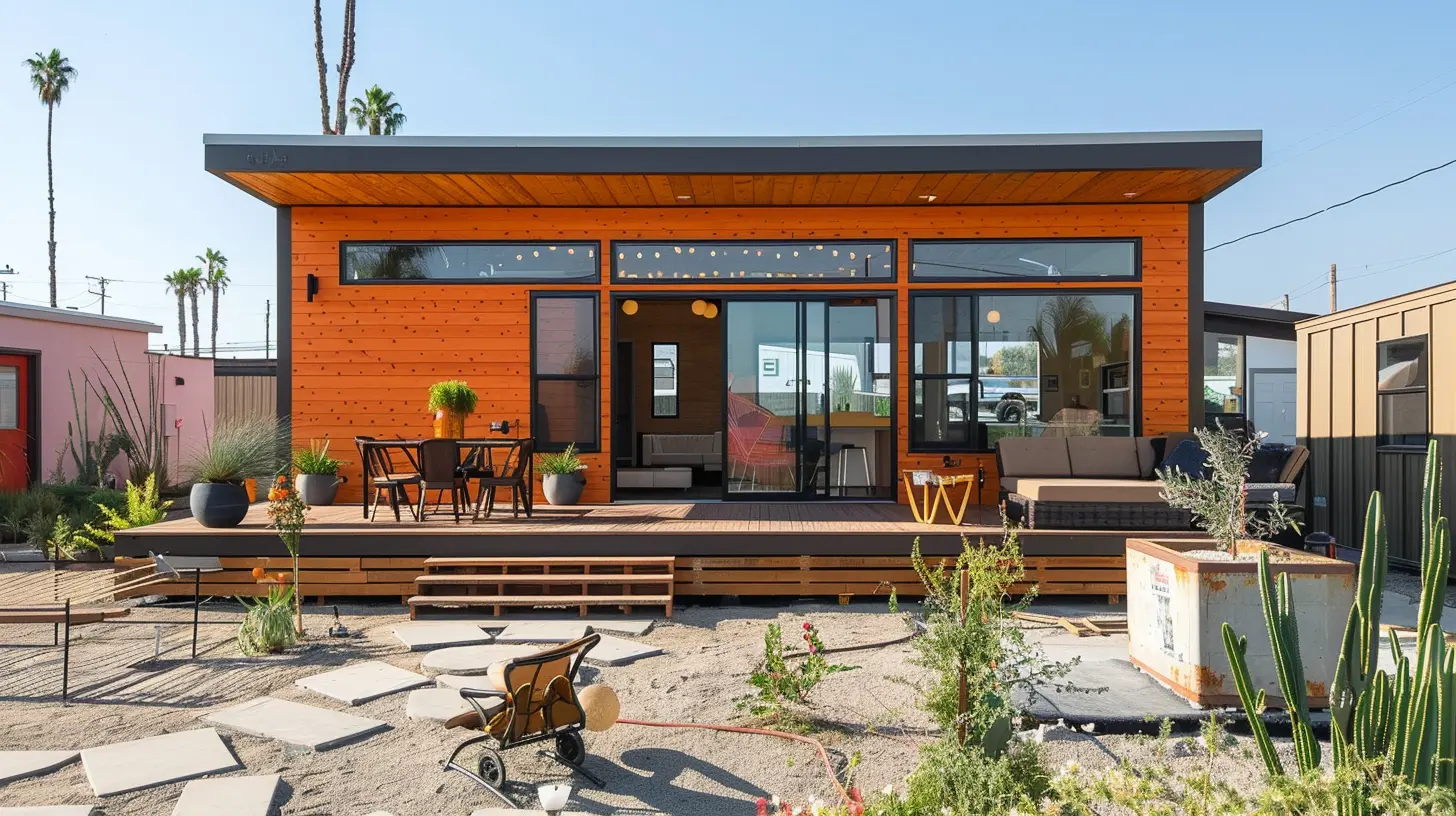
3. Exterior Cladding: Protecting Your Tiny Home from the Elements
Your tiny home’s exterior needs to be resistant to wind, rain, snow, and sun. The material you choose will determine how long your home's shell lasts.Steel or Aluminum Siding
- Extremely Durable – Resistant to fire, pests, and harsh weather conditions.- Low Maintenance – No need for constant repainting or repairs.
- Modern Aesthetic – Sleek and stylish, perfect for contemporary designs.
However, metal siding can dent over time and may require insulation to prevent heat transfer.
Fiber Cement Siding
- Highly Durable – Resistant to moisture, fire, and insects.- Mimics Wood or Stucco – If you love the look of wood but don’t want the drawbacks, this is a great alternative.
- Low Maintenance – Doesn’t rot, warp, or need frequent painting.
Fiber cement siding can be a bit heavy, so make sure your structure can support it.
Wood Siding (Cedar or Reclaimed Wood)
- Eco-Friendly and Aesthetic – Gives your tiny home a rustic, natural charm.- Renewable Resource – If sourced sustainably, it’s an environmentally friendly choice.
- Great Insulation – Natural thermal properties help with temperature regulation.
However, wood requires regular maintenance, including sealing and staining, to protect against moisture and pests. 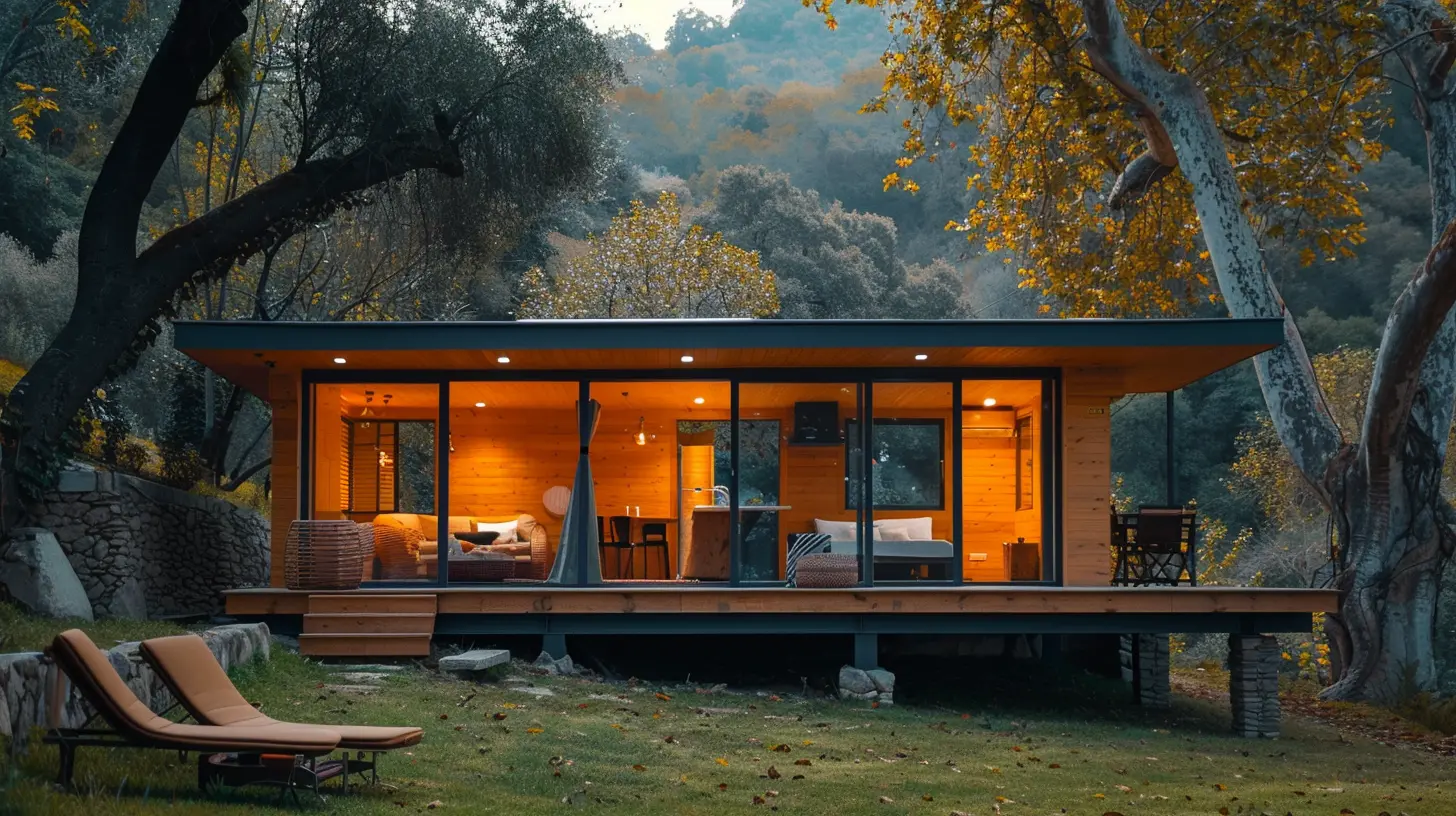
4. Roofing: The First Line of Defense
Your tiny home’s roof must endure harsh weather conditions while being lightweight and durable.Standing Seam Metal Roofing
- Longevity – Can last 40-70 years.- Weather-Resistant – Stands up to heavy rain, snow, and wind.
- Energy-Efficient – Reflects sunlight, keeping your tiny home cooler.
Metal roofing is a bit pricier, but its durability makes it worth it in the long run.
Rubber Roofing (EPDM)
- Lightweight and Flexible – Ideal for mobile tiny homes.- Affordable – A budget-friendly roofing option.
- Waterproof – Great for preventing leaks.
Asphalt Shingles
- Affordable and Widely Available- Easy to Install and Repair
- Decent Durability – Lasts around 20-30 years.
While asphalt shingles are common in traditional homes, they are heavier and may not last as long as metal roofing.
5. Insulation: Keeping Your Tiny Home Comfortable
Proper insulation is essential for maintaining a comfortable indoor temperature year-round.Spray Foam Insulation
- High R-Value (Thermal Resistance) – Keeps your home warm in the winter and cool in the summer.- Seals Gaps and Cracks – Prevents moisture and drafts.
- Lightweight – Great for tiny homes on wheels.
However, spray foam is more expensive than other insulation types and contains chemicals that may not be ideal for eco-conscious builders.
Rigid Foam Board
- High Efficiency – Provides great insulation without taking up much space.- Moisture-Resistant – Won't absorb water like traditional fiberglass insulation.
- Lightweight – Ideal for tiny homes on wheels.
Wool or Cotton Insulation
- Eco-Friendly – Made from natural or recycled materials.- Good Soundproofing – Reduces noise inside your tiny home.
- Moisture Resistant – Naturally wicks moisture away without mold growth.
Wool insulation can be pricey, but its eco-friendliness and effectiveness make it a great investment.
6. Interior Walls and Flooring: Durable and Appealing
Plywood or Shiplap Walls
- Lightweight and Strong – Perfect for tiny homes.- Easy to Paint or Stain – Allows for customization.
- Adds a Cozy Feel – Great for rustic or farmhouse aesthetics.
Hardwood or Bamboo Flooring
- Durable and Long-Lasting – Hardwood can last decades with proper care.- Eco-Friendly (Bamboo) – Grows quickly and is a renewable resource.
- Aesthetic Appeal – Enhances the look of your tiny home.
For a budget-friendly option, consider Luxury Vinyl Plank (LVP)—it’s water-resistant, durable, and mimics wood beautifully.
Final Thoughts
Building a tiny home is an exciting journey, but durability should always be a priority. The right materials can save you money on future repairs and ensure your home remains sturdy for years. Whether you're going for a mobile or fixed design, investing in high-quality materials for the foundation, framing, siding, roofing, insulation, and interior is the best way to build a long-lasting cozy space.Would you rather have a home that needs constant fixing or one that stands strong without much maintenance? Choose wisely, and your tiny home adventure will be smooth sailing!
all images in this post were generated using AI tools
Category:
Tiny HomesAuthor:

Kingston Estes
Discussion
rate this article
2 comments
Julianne McDonough
Great insights! I never realized how much the right materials could impact the longevity of tiny homes! 🏡
March 3, 2026 at 12:08 PM
Kingston Estes
Thanks for your feedback! The right materials really do make a difference in tiny home durability. Glad you found the article helpful!
Jacqueline Black
Great tips! Choosing the right materials really makes all the difference in creating a cozy, lasting tiny home!
February 13, 2026 at 12:53 PM
Kingston Estes
Thank you! I'm glad you found the tips helpful for creating a cozy tiny home. Happy building!