Protecting Your Home from Wildfires: Insurance Considerations
26 August 2026
Wildfires are no joke. They can turn a peaceful neighborhood into a scene straight out of an apocalyptic movie in just a matter of hours. If you live in a wildfire-prone area, you know the stress of watching those flames creep closer. But here's the question—how well is your home protected financially if the worst happens?
Having the right homeowners insurance can mean the difference between rebuilding with ease or being stuck in a financial nightmare. In this guide, we’ll break down everything you need to know about wildfire insurance coverage, so you're not left scrambling for answers when disaster strikes. 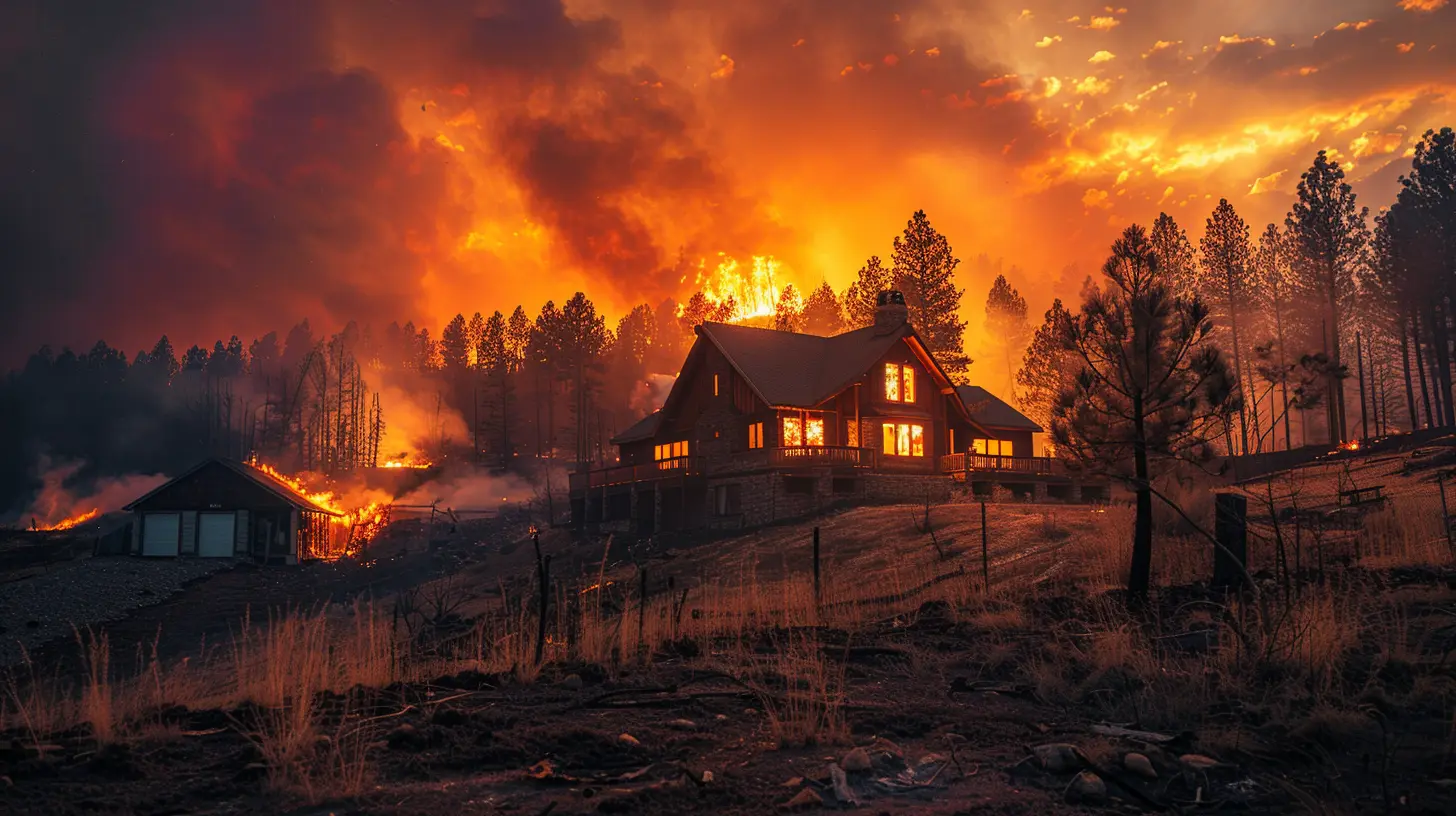
Is Wildfire Damage Covered by Homeowners Insurance?
The good news? Most standard homeowners insurance policies do cover wildfire damage. The not-so-good news? Coverage limits and exclusions can vary, and if you live in a high-risk area, you might face higher premiums or even difficulty securing coverage.Many insurers consider wildfire-prone regions to be high-risk, which means you might need to jump through a few extra hoops to make sure you're fully covered. Some companies even refuse to insure homes in extremely wildfire-prone areas. So, what does that mean for you? It means reading the fine print on your policy is critical. 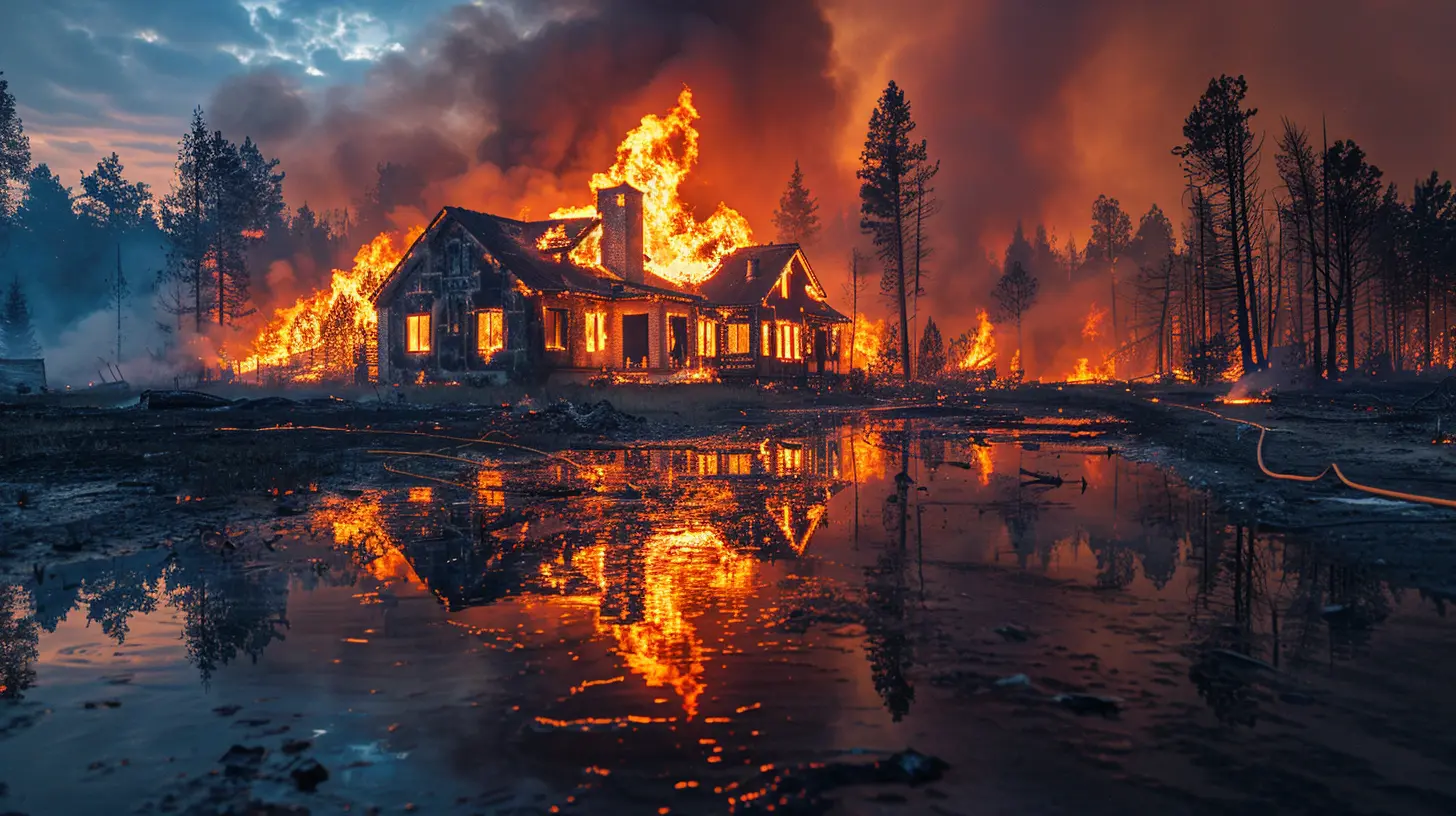
Key Insurance Coverages You Need to Protect Your Home from Wildfires
Not all policies are created equal. To be fully protected, make sure your insurance policy includes the following:1. Dwelling Coverage
This covers the cost of rebuilding or repairing your home if it’s damaged by a wildfire. The key here is to ensure you have replacement cost coverage, not just actual cash value. Why? Because actual cash value accounts for depreciation, which won’t get you very far when trying to rebuild a destroyed home.Pro tip: Make sure your coverage limit is enough to rebuild at today’s construction prices, not what it was worth when you bought it.
2. Personal Property Coverage
Your home isn’t the only thing at risk—your belongings are too. Personal property coverage helps replace items like furniture, electronics, clothing, and more.To make sure you’re adequately covered, it’s a smart move to create a home inventory of everything you own. Trust me, trying to remember what was in your house after a disaster is like trying to recall everything you ate last month—it’s impossible.
3. Additional Living Expenses (ALE) Coverage
If your home becomes unlivable due to wildfire damage, ALE (also called loss of use coverage) helps cover the cost of temporary housing, meals, and other necessary expenses while your home is being repaired.Without this, you could end up paying out-of-pocket for months, or even years, while dealing with repairs.
4. Liability Protection
Wildfires don’t just damage homes—they can spread and cause destruction far beyond your property line. If embers from your property ignite your neighbor’s home, you could be held liable. This is where liability coverage comes in handy.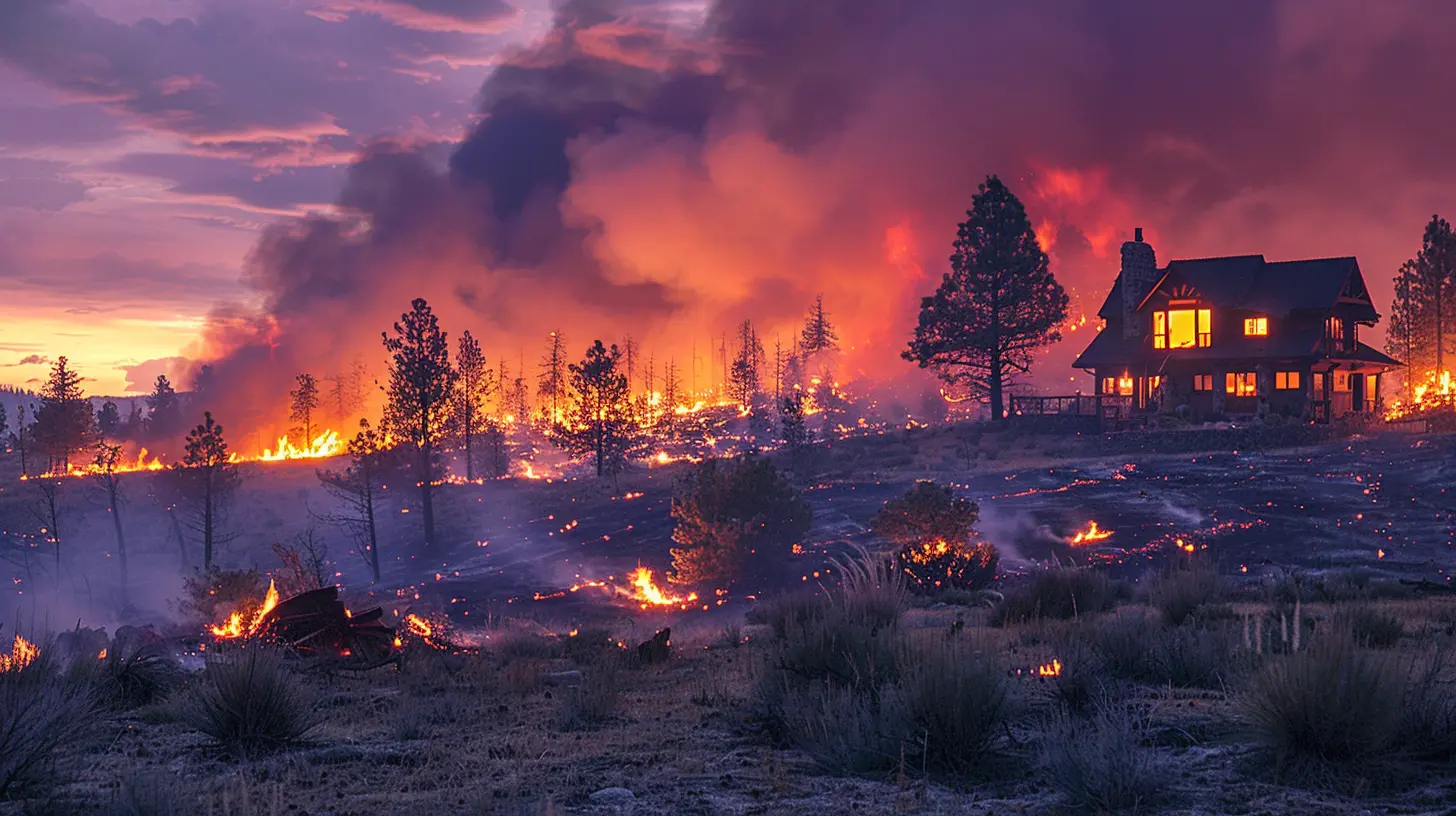
What If You Live in a High-Risk Area?
If your home is located in a wildfire-prone zone, you might have trouble finding an insurer willing to cover you. In some cases, insurers might non-renew policies or charge astronomical premiums.But don’t panic yet! Here are some options:
1. Seek Out State Fair Plans
Many states with high wildfire risks—like California—offer Fair Access to Insurance Requirements (FAIR) Plans. These are state-backed programs that provide coverage when private insurers won’t. While they might not be as comprehensive as traditional homeowners insurance, they’re better than nothing.2. Look Into Surplus Line Insurance
Surplus line insurers cater to high-risk homeowners who struggle to find coverage in the standard market. These policies tend to be pricier, but they offer necessary protection when mainstream insurers refuse coverage.3. Bundle Coverage with Fire-Resistant Features
Some insurers may be more willing to provide coverage (or lower your premiums) if your home has fire-resistant upgrades. Options include:- Fire-resistant roofing (metal, tile, or asphalt shingles)
- Ember-resistant vents
- Defensible space (clearing flammable debris around your home)
- Sprinkler systems and fireproof siding
Basically, the more you do to fireproof your home, the better your chances of securing good insurance coverage. 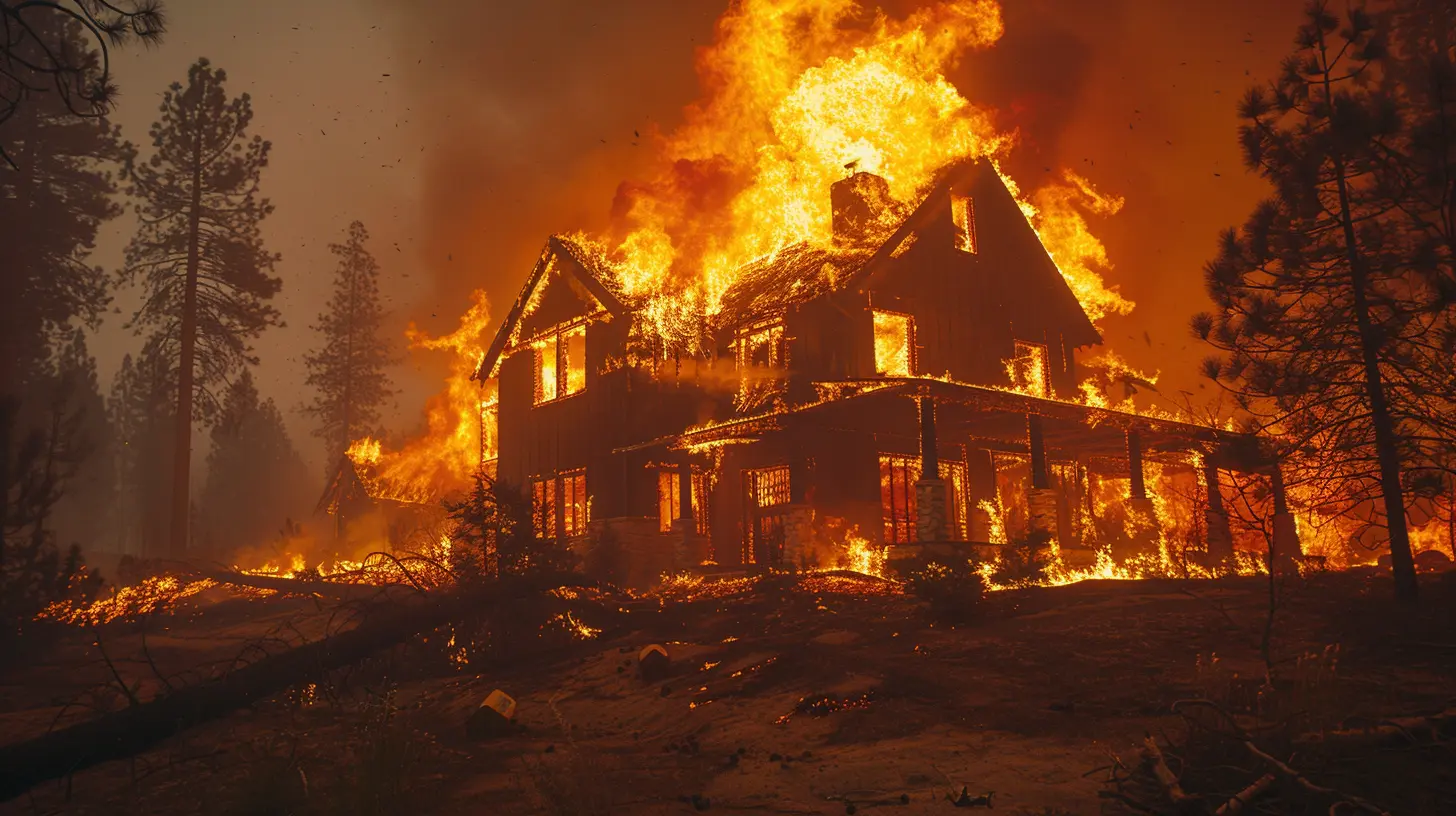
How to File a Wildfire Insurance Claim Without the Stress
If the unthinkable happens and your home is damaged by a wildfire, filing a claim quickly and correctly is essential to getting the compensation you need. Here’s how to make the process as smooth as possible:1. Document Everything Before Disaster Strikes
Before wildfire season rolls around, take detailed photos and videos of your home and belongings. Keep receipts for high-value items. The clearer your documentation, the easier it is to prove your losses later.2. Contact Your Insurance Company ASAP
As soon as it’s safe to do so, reach out to your insurer to start the claims process. The sooner you file, the quicker you'll get assistance.3. Keep Records of Expenses
If you have to evacuate or stay in a hotel, save all receipts for food, lodging, and other necessary expenses—this is crucial for ALE reimbursement.4. Work with an Adjuster
Your insurance company will send out an adjuster to assess the damage. Be present during the inspection and provide all necessary documentation. If you feel like your settlement offer is too low, you can negotiate or hire a public adjuster.How to Reduce Your Homeowners Insurance Costs in a Wildfire Zone
Let’s be honest, wildfire zone insurance can be expensive. But there are ways to keep costs manageable:1. Increase Your Deductible
A higher deductible means lower premiums. Just make sure it’s an amount you can actually afford if you need to file a claim.2. Implement Fire-Resistant Upgrades
As mentioned earlier, fireproofing your home can make you eligible for discounts. Some insurers even offer wildfire mitigation discounts, so check with your provider.3. Shop Around for Better Rates
Insurance rates vary widely from one company to another. Get multiple quotes and compare coverage options before settling on a policy.4. Bundle Home and Auto Insurance
Many insurers offer discounts for bundling multiple policies. If you haven’t considered this, it’s worth checking out.Final Thoughts
Wildfires are an unfortunate reality for many homeowners, but that doesn’t mean you have to be financially unprepared. Understanding your insurance policy, ensuring you have adequate coverage, and taking proactive steps to protect your home can make all the difference.The bottom line? Don’t wait until you’re staring down an approaching wildfire to review your insurance policy. Take action now and give yourself the peace of mind you deserve.
all images in this post were generated using AI tools
Category:
Homeowners InsuranceAuthor:

Kingston Estes
Discussion
rate this article
2 comments
Rosanna Stewart
Wildfires can be devastating, but taking proactive steps can make a difference. Understanding your insurance options and ensuring your home is protected is crucial. It's never too late to prepare. Stay informed, stay safe, and take control of your home's future against nature's challenges...
September 9, 2026 at 4:09 AM
Kingston Estes
Absolutely, being proactive with insurance and preparedness is key. Staying informed and ready can really help safeguard your home from wildfires.
Martha Moore
Being proactive about wildfire protection can save you from heartache and financial loss. Review your insurance policy to ensure it covers potential damages. Consider mitigation strategies for your home, as preparation today can lead to security tomorrow.
August 29, 2026 at 2:37 AM
Kingston Estes
Absolutely. Taking proactive steps now can make a significant difference when it comes to wildfire protection. Reviewing your insurance and implementing mitigation strategies is essential for safeguarding your home.