Preserving History One Brick at a Time: The Art of Restoring Old Townhouses
8 June 2026
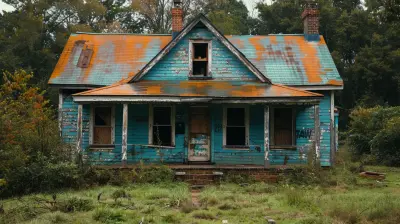
Old townhouses are more than just buildings; they are time capsules holding the stories of generations. Their charm, character, and craftsmanship are often unmatched by modern constructions. But as time takes its toll, these historical gems can fall into disrepair. Restoring an old townhouse is both an art and a responsibility—one that requires patience, respect for history, and a keen eye for detail.
If you’re considering breathing new life into an aging beauty, here’s everything you need to know about the delicate dance of restoring old townhouses. 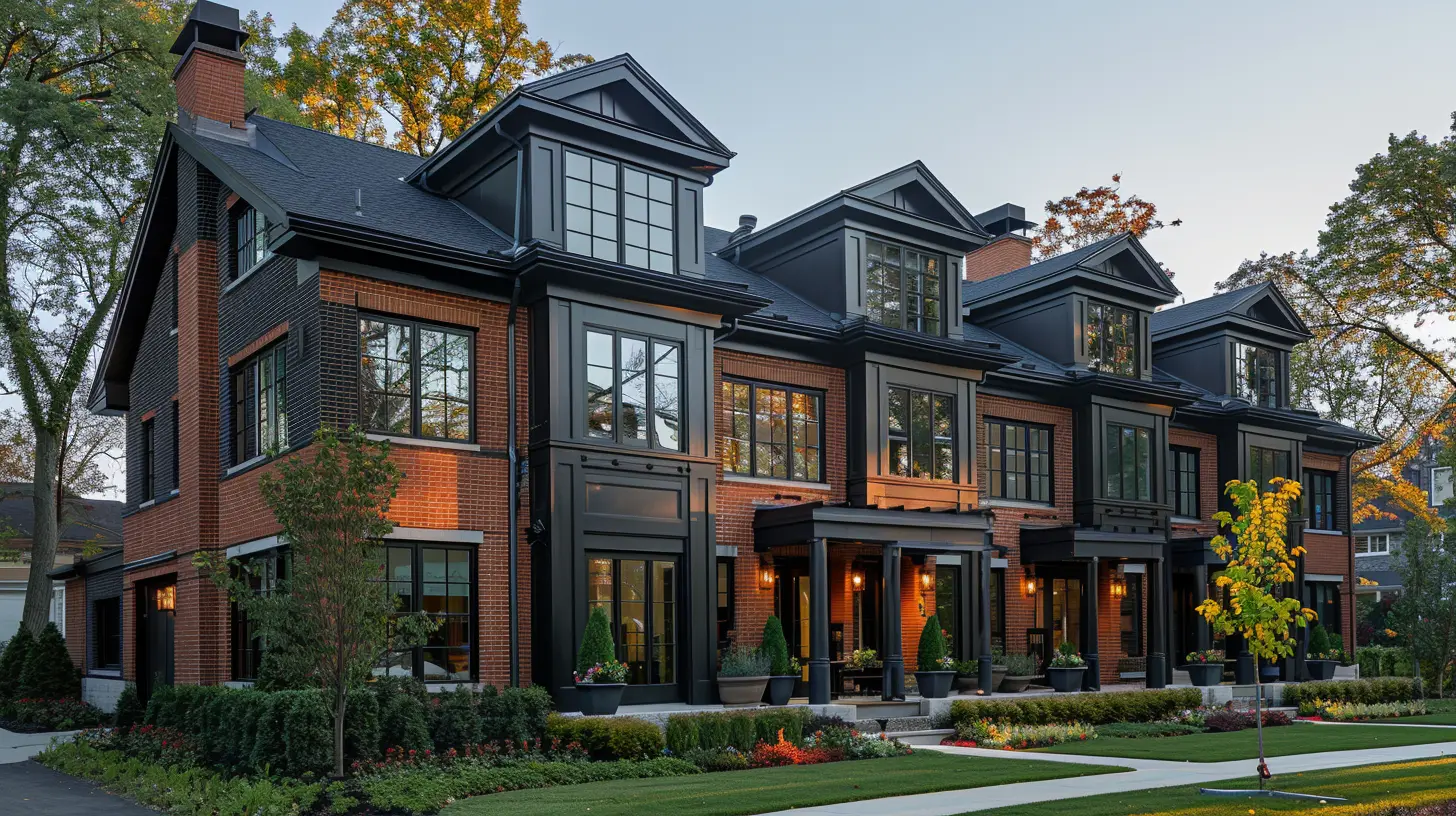
Why Restore an Old Townhouse?
Restoring an old townhouse isn’t just about aesthetics; it’s about preserving history and honoring the craftsmanship of the past. These homes were built with materials and techniques that are rare today. From ornate moldings to hand-carved banisters, every detail tells a story.Beyond sentimental value, restored historic homes often appreciate in value. They attract buyers who appreciate classic architecture and well-maintained heritage properties. In some cases, restoring an old townhouse can even come with tax incentives or grants aimed at historic preservation. 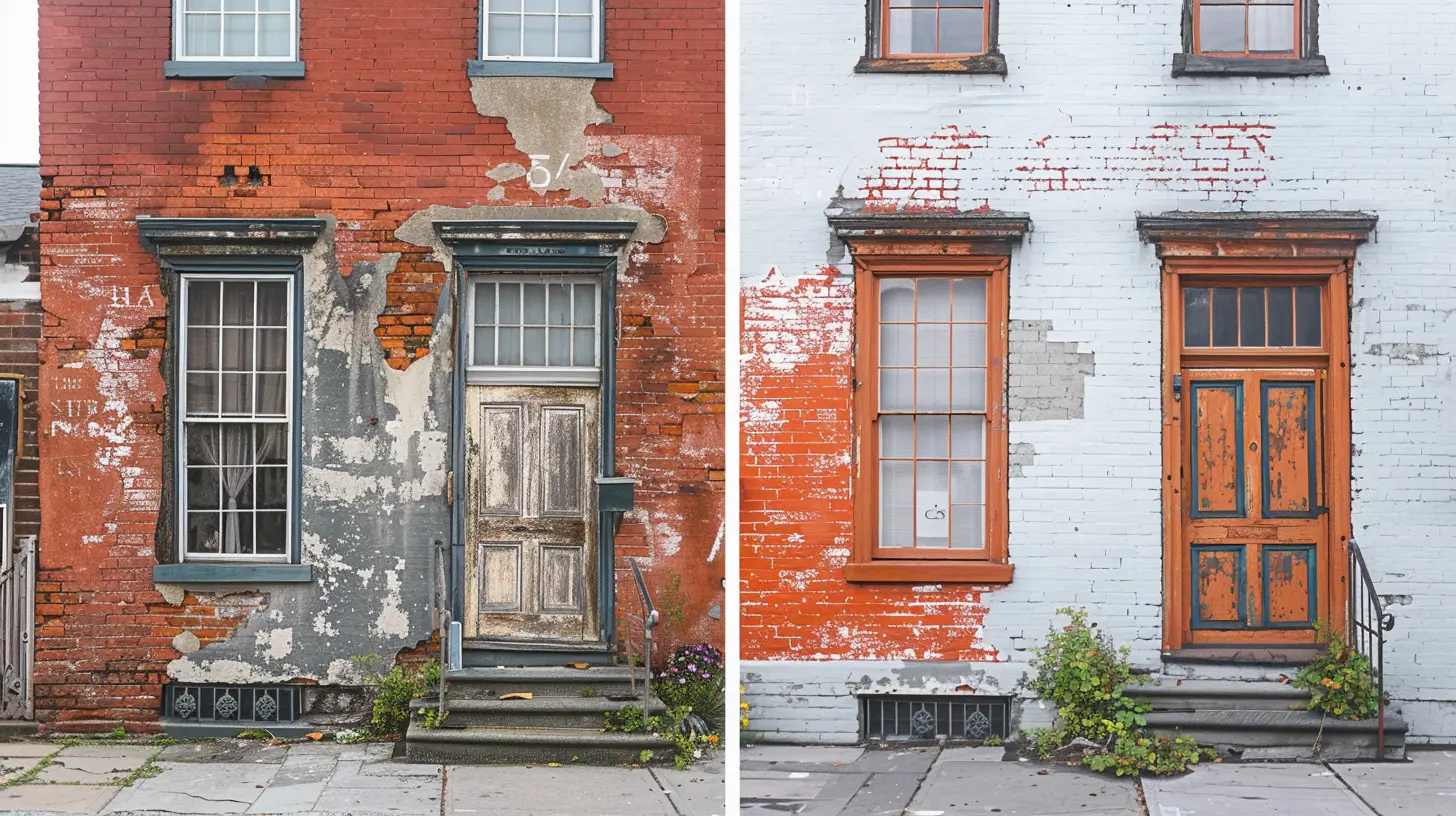
Understanding the Challenges of Restoration
Before diving into a restoration project, it's essential to understand the hurdles that come with it. Unlike modern renovations, restoring an old townhouse comes with unique challenges:1. Structural Issues
Many old townhouses suffer from foundational problems, deteriorating beams, or sagging floors. Before focusing on aesthetics, a thorough structural assessment is crucial. Hiring a structural engineer can help identify weak points that could compromise the home’s integrity.2. Outdated Electrical and Plumbing Systems
Most historic townhouses were not built with modern electrical loads in mind. Old wiring can be a fire hazard, and outdated plumbing may lead to leaks or insufficient water pressure. Replacing these systems while maintaining the home's original character requires careful planning.3. Historical Accuracy vs. Modern Convenience
Restoring a townhouse doesn’t mean living in the past. Modern homeowners expect functional kitchens, updated bathrooms, and energy-efficient solutions. Balancing historical authenticity with modern comfort is a key challenge.4. Finding Skilled Craftsmen
Many features in old townhouses, like hand-carved woodwork or intricate plaster ceilings, require specialized skills to restore properly. Finding artisans who can replicate historical details is essential to maintaining the home’s authenticity.5. Hidden Surprises
Restoration projects often reveal unexpected challenges—think mold behind walls, compromised structural elements, or even hazardous materials like lead paint or asbestos. Being financially and mentally prepared for the unknown is crucial.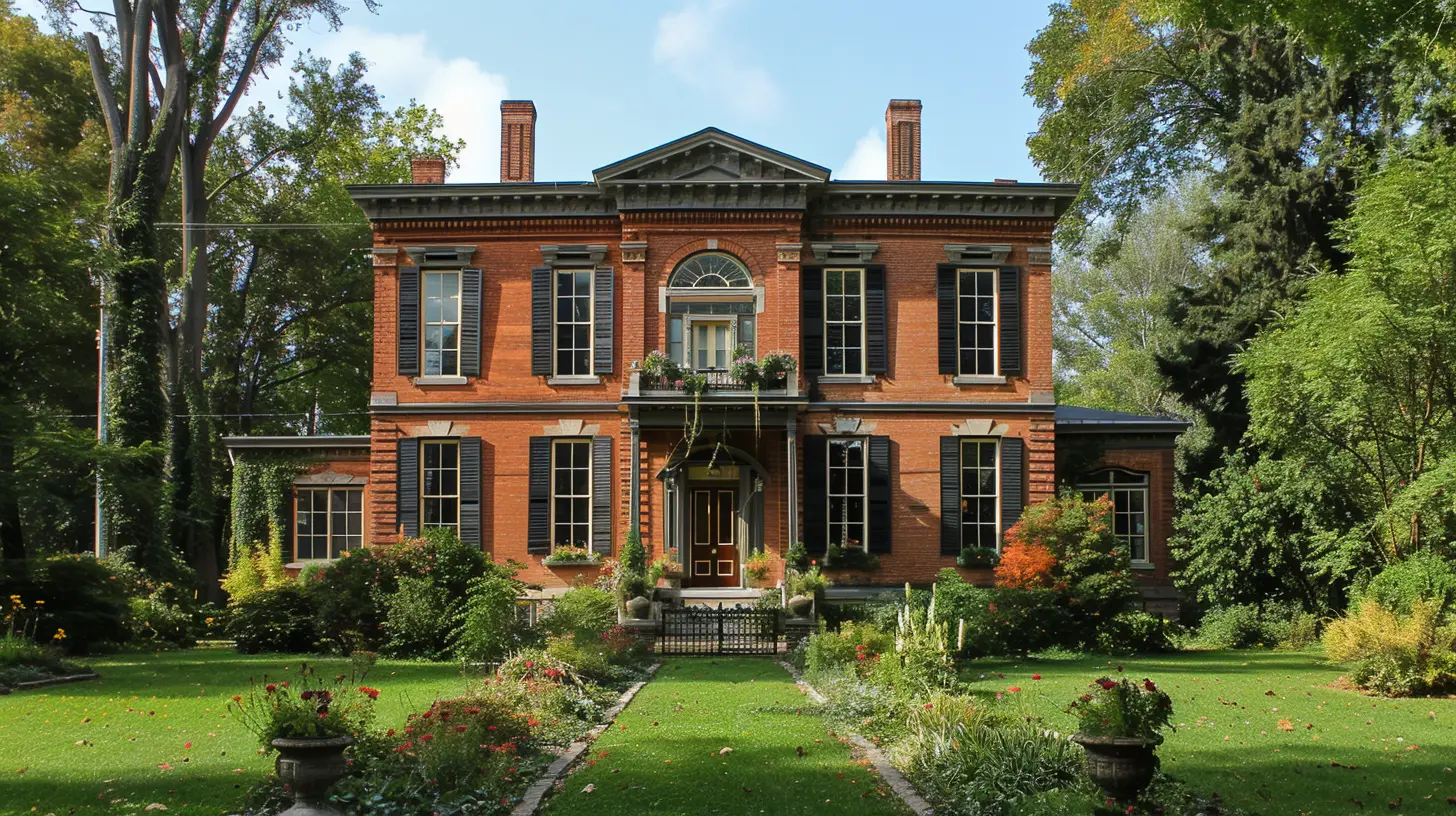
Steps to Restoring an Old Townhouse
Restoring a historic townhouse isn’t just about fixing what’s broken; it’s about preserving character while making it livable. Here’s how to approach the process:1. Research the Home’s History
Before making changes, dig into the home’s background. When was it built? Who lived there before? What architectural style defines it? Old photos and records can guide decisions and help restore the home’s original charm.2. Prioritize Structural Repairs
A beautiful home won’t matter if it’s not safe. Reinforcing the foundation, repairing beams, and ensuring the roof is sound should always be top priorities before cosmetic work begins.3. Maintain Original Features Whenever Possible
One of the biggest mistakes in townhouse restoration is stripping away its original charm. Keep original hardwood floors, moldings, fireplaces, and staircases intact whenever possible. If they’re beyond repair, try sourcing replacements from architectural salvage shops.4. Upgrade Systems Without Compromising Character
Updating electrical, plumbing, and HVAC systems is necessary, but it doesn’t have to ruin the home’s aesthetic. Conceal modern wiring within walls or restore old radiators instead of replacing them with sleek, modern alternatives.5. Restore, Don’t Replace Windows
Original windows add immense character to old townhouses. Rather than replacing them with standard modern alternatives, consider restoring them. Re-glazing and adding weather stripping can improve insulation while maintaining the historical aesthetic.6. Choose Period-Appropriate Paint and Finishes
Color choices can make or break a restoration. Research the home’s era to determine historically accurate paint colors. Many paint brands now offer heritage color collections based on historical palettes.7. Incorporate Modern Conveniences Thoughtfully
Adding modern comforts doesn’t mean disrupting the home’s style. Custom cabinetry that matches the original woodwork, integrated smart lighting, and hidden kitchen appliances can blend modern function with historic form.8. Work with Preservation Specialists
Hiring an architect or contractor with experience in historic homes can be invaluable. They understand the nuances of old construction and know how to work within the confines of preservation codes and regulations.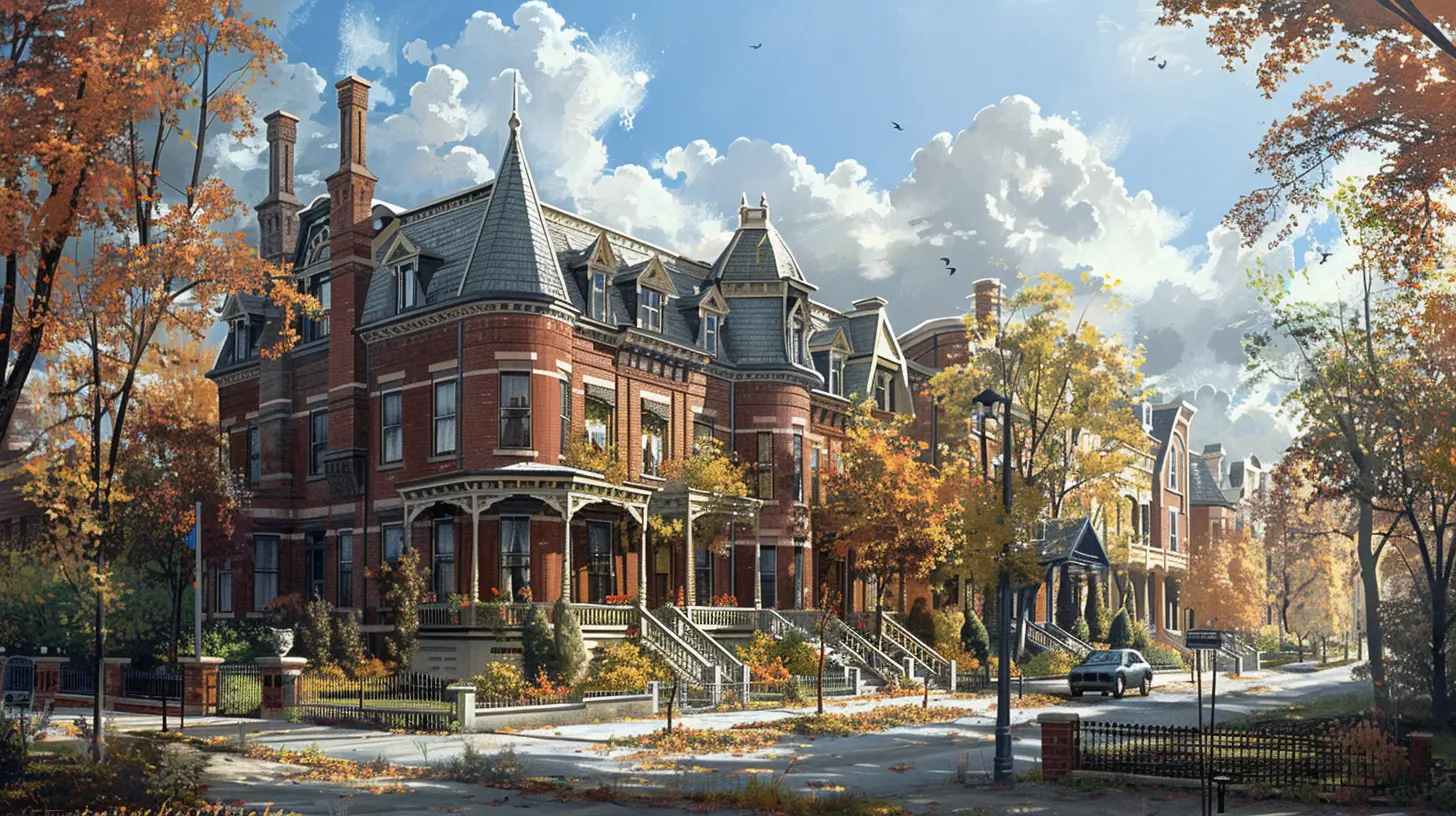
Common Mistakes to Avoid
Many well-intentioned homeowners make restoration mistakes that can strip a townhouse of its historical significance. Here are a few things to avoid:1. Over-Restoration
There’s a fine line between restoring and over-restoring. Making an old townhouse "too perfect" can strip it of its charm. Imperfections, like slightly uneven floors or minor plaster cracks, can be part of the home’s character.2. Using Inauthentic Materials
Replacing original materials with modern, mass-produced alternatives can diminish the authenticity of the restoration. Whenever possible, use period-appropriate wood, stone, and hardware.3. Removing Architectural Details
Many homeowners remove historical elements, thinking they’re outdated. Elements like pocket doors, wainscoting, or coffered ceilings are part of the home’s identity—keeping them intact preserves its story.4. Ignoring Local Preservation Guidelines
Many historic townhouses fall under preservation laws or local historic district regulations. Ignoring these can result in fines or having to undo changes that don’t fit with the neighborhood’s historical integrity.The Reward of Restoration
Restoring an old townhouse isn’t just a home improvement project; it’s a labor of love. Every effort put into salvaging original details, finding the right materials, and honoring the past results in a home that tells a story.Beyond personal satisfaction, a properly restored historic townhouse can increase in value. Buyers seek out homes with character and authenticity, making well-maintained historic properties highly desirable.
If you’re willing to embrace the quirks and challenges, restoring an old townhouse can be one of the most fulfilling experiences. After all, you’re not just fixing up a house—you’re preserving history, one brick at a time.
Final Thoughts
Restoring an old townhouse is about balance—preserving its historical essence while making it comfortable for modern living. It takes patience, passion, and sometimes a bit of detective work to track down the right materials and craftsmen.But when done right, the result is a uniquely beautiful home that stands as a testament to history. It becomes more than just a place to live; it becomes a piece of the past, carefully curated for the future.
So, if you’re lucky enough to own (or dream of owning) a historic townhouse, embrace the challenge. Because every beam, every brick, and every windowpane has a story waiting to be told.
all images in this post were generated using AI tools
Category:
Historic HomesAuthor:

Kingston Estes
Discussion
rate this article
1 comments
Dolores McCaw
Old townhouses: where every brick has a story!
June 15, 2026 at 11:13 AM
Kingston Estes
Absolutely! Each townhouse is a piece of history waiting to be uncovered.