Old World Elegance: The Appeal of European-Inspired Historic Architecture
14 January 2026
Ah, European-inspired historic architecture—the crème de la crème of sophistication, charm, and "I probably can’t afford this" vibes. From intricate Gothic cathedrals to regal French châteaus, these architectural masterpieces have stood the test of time while effortlessly flexing on modern buildings that fall apart after a decade.
But what is it about European-inspired historic architecture that still makes us swoon? Is it the nostalgia for a time when craftsmanship mattered? Or maybe it's the effortless way these structures blend history with breathtaking aesthetics? Let's dive into the allure of old-world elegance, where every brick, archway, and gargoyle has a story to tell.
The Timeless Charm of Historic Architecture
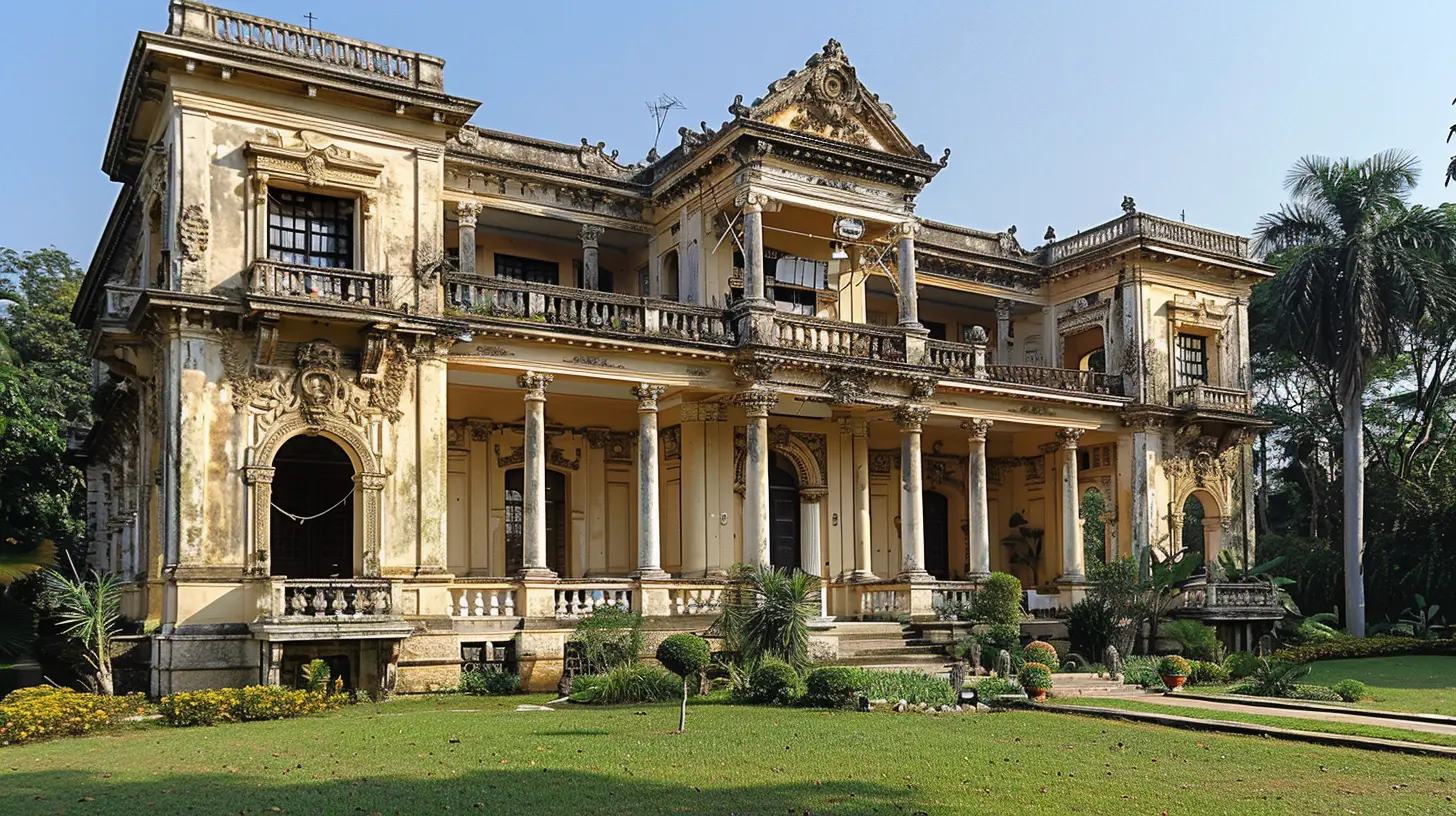
Let’s be honest—modern architecture can sometimes feel like it was designed by someone who hates beauty. Too much glass, weird boxy shapes, and an overall lack of personality. Meanwhile, historic European architecture tells a tale of artistry, ambition, and a deep appreciation for design.Medieval castles, Renaissance palaces, and Baroque mansions weren't just built to provide shelter—they were crafted as statements. Statements that said, "I am important, I have money, and my house is going to look like a piece of art even if it means taking 200 years to build."
Craftsmanship That Puts Today’s Buildings to Shame
Modern homes are built in, what, six months? A few bricks here, a splash of paint there, and boom—you’ve got yourself a house. Meanwhile, historic European structures took decades, sometimes centuries, to complete. Every detail was meticulously designed, every sculpture painstakingly carved. Clearly, patience was a virtue back then.Think about the elaborate stone carvings of Gothic cathedrals, the delicate ironwork on Parisian balconies, or the hand-painted frescoes in Italian villas. These elements weren’t just decorative; they were a labor of love, meant to stand for generations. Compare that to today's "luxury homes," where the biggest flex is an open floor plan and Wi-Fi-controlled lightbulbs.
Old Meets New (And It Works)
One of the biggest reasons European-inspired architecture still has us hooked is its ability to blend seamlessly with modern elements. Imagine walking into a centuries-old villa only to find a sleek, state-of-the-art kitchen hiding behind an intricately carved wooden door. It’s the ultimate combination of elegance and convenience—like wearing designer shoes with sweatpants (but in a way that actually looks good).Renovated mansions and townhouses often retain their grand exteriors, intricate molding, and original hardwood floors while incorporating modern luxuries like heated bathroom tiles, advanced security systems, and home theaters. Because let’s be real—nobody wants to give up their 18th-century charm, but we also need our Netflix and smart thermostats.
Architectural Styles That Scream "Old Money"
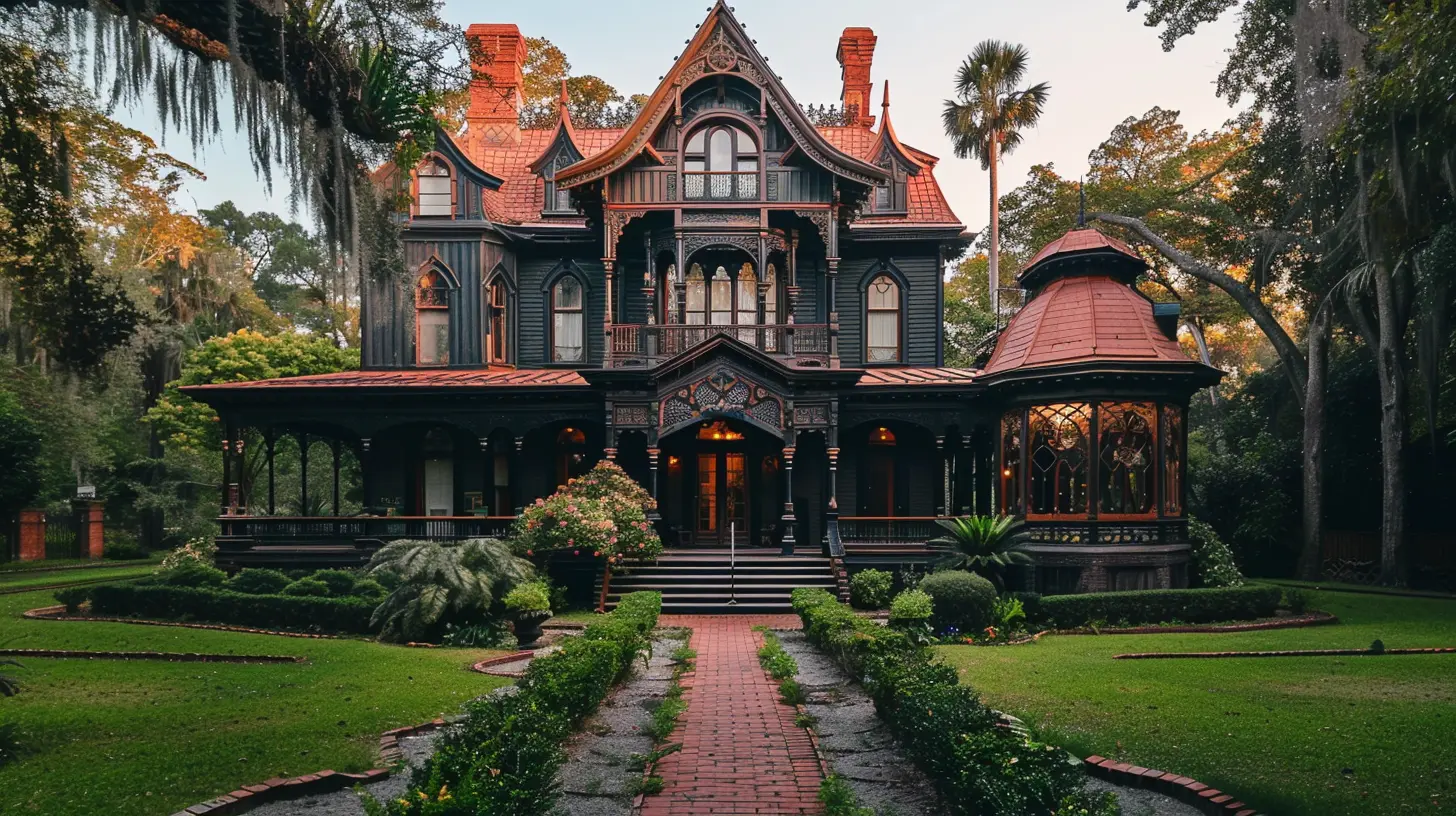
Not all historic architecture is created equal. Some styles have that aristocratic, "I summer in the south of France" energy, while others feel more like they belong in a fairy tale. Let’s take a look at some of the standout European-inspired styles that continue to captivate homeowners.1. Gothic Architecture: The OG Drama Queen
If Gothic architecture had a personality, it would be that over-the-top friend who makes everything dramatic—and we love them for it. Think soaring ceilings, pointed arches, and enough stained glass to make your eyes hurt (in a good way).Gothic cathedrals, like Notre-Dame in Paris, weren’t just places of worship; they were meant to inspire awe and maybe a little fear. Their towering spires and flying buttresses (yes, that’s an actual architectural term) defied gravity before it was cool. Today, mini-Gothic mansions and restored abbeys keep the legacy alive, offering a perfect blend of medieval mystery and grandeur.
2. Baroque: Because More is More
Subtlety? Never heard of it. Baroque architecture is about extravagance, grandeur, and making sure no surface goes undecorated. If you see a ceiling covered in gold leaf, an absurd number of columns, and dramatic curves everywhere, congratulations—you’re in the presence of Baroque beauty.Palaces like Versailles took this style to another level, proving that too much of a good thing is sometimes just enough. Modern homes inspired by Baroque architecture tone down the gold (thankfully), but they still channel the same opulent energy with grand staircases, intricate moldings, and statement chandeliers that scream, “I drink my coffee out of bone china.”
3. Renaissance: The Overachiever of Architecture
Renaissance architecture is the well-read, sophisticated older sibling of the bunch. Perfectly proportioned, symmetrical, and bursting with classical influences, this style gave us some of history’s most iconic buildings, like Florence’s Palazzo Pitti.Today, Renaissance-inspired homes are still associated with wealth and refinement. They feature grand facades, arched windows, and enough marble to make an ancient Roman jealous. If you ever walk into a house with a sweeping, domed ceiling and feel an uncontrollable urge to start quoting Shakespeare, you can thank Renaissance architecture.
4. French Châteaux: Where Fairy Tales Meet Reality
French châteaux are what happen when royalty, architects, and ridiculous amounts of money come together. These storybook-like estates feature turrets, sprawling gardens, and interiors straight out of a period drama.While most of us may never own a full-on château (tragic, really), elements of this style—think mansard roofs, intricate wrought-iron balconies, and grand stone facades—are still replicated in high-end homes worldwide. And let’s be honest, who wouldn’t want to live in a house that looks like it belongs in Beauty and the Beast?
Why European-Inspired Architecture Is More Than Just a Trend
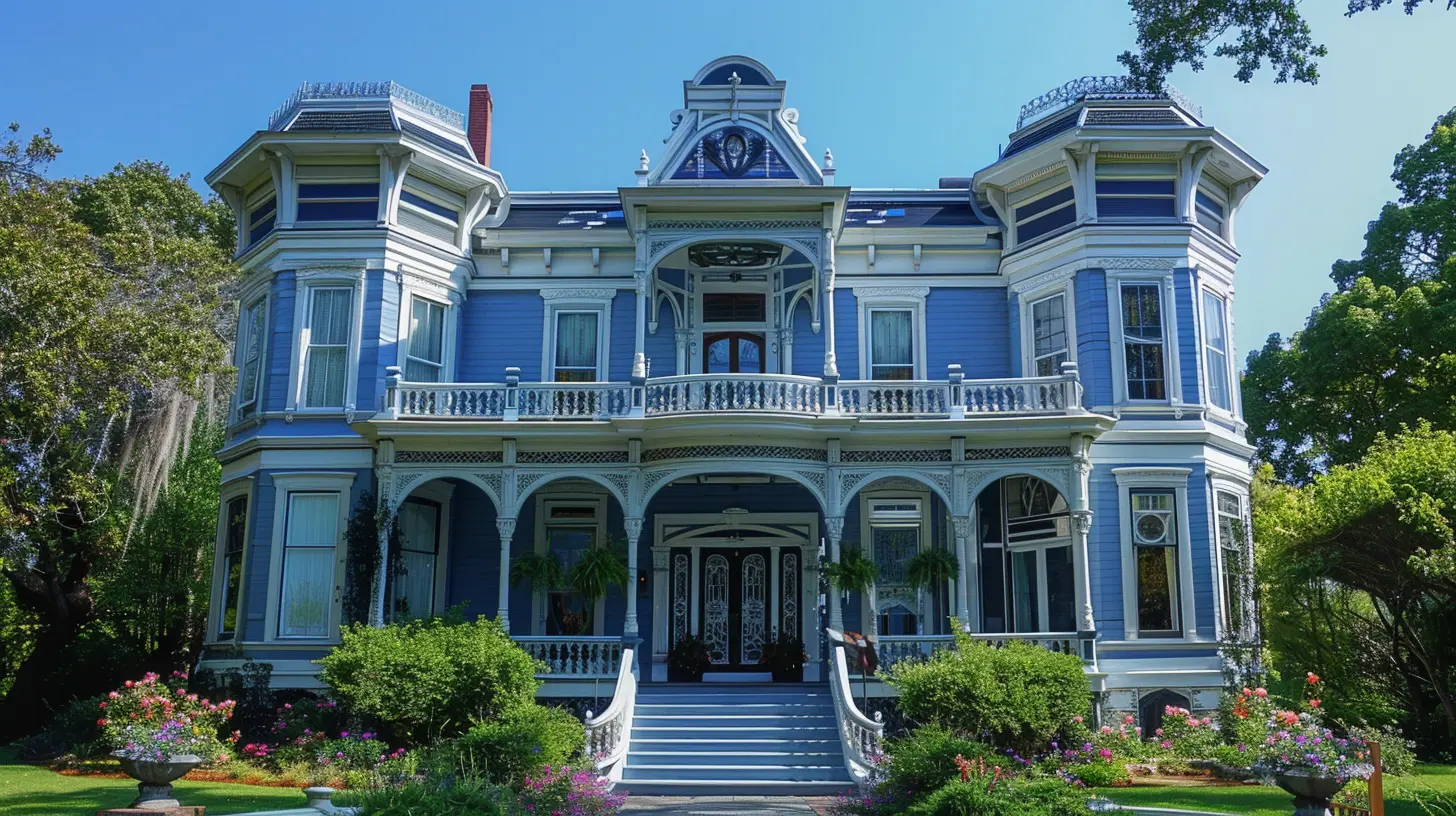
Trends come and go (ahem, open-concept everything), but European-inspired historic architecture? It’s timeless. There’s something comforting about a home that has character, history, and a sense of permanence.Today, homeowners and architects are increasingly looking back at old-world designs, incorporating classic elements into new builds. Arched doorways, heavy wooden beams, and stone fireplaces are making a comeback—not just for aesthetic reasons, but because they bring warmth and personality that modern designs often lack.
The Allure of History and Storytelling
A modern building might come with smart tech, but a historic-inspired home comes with stories. Who lived there before? What secrets do those walls hold? Even if it's a newly built home that takes inspiration from historic architecture, it feels like it has depth—unlike the soulless glass boxes sprouting up in city skylines.An Investment That Ages Like Fine Wine
While modern buildings run the risk of looking outdated within a decade, European-inspired designs remain elegant no matter what year it is. Think of them like vintage designer handbags—they may cost more upfront, but they never lose their charm (or value).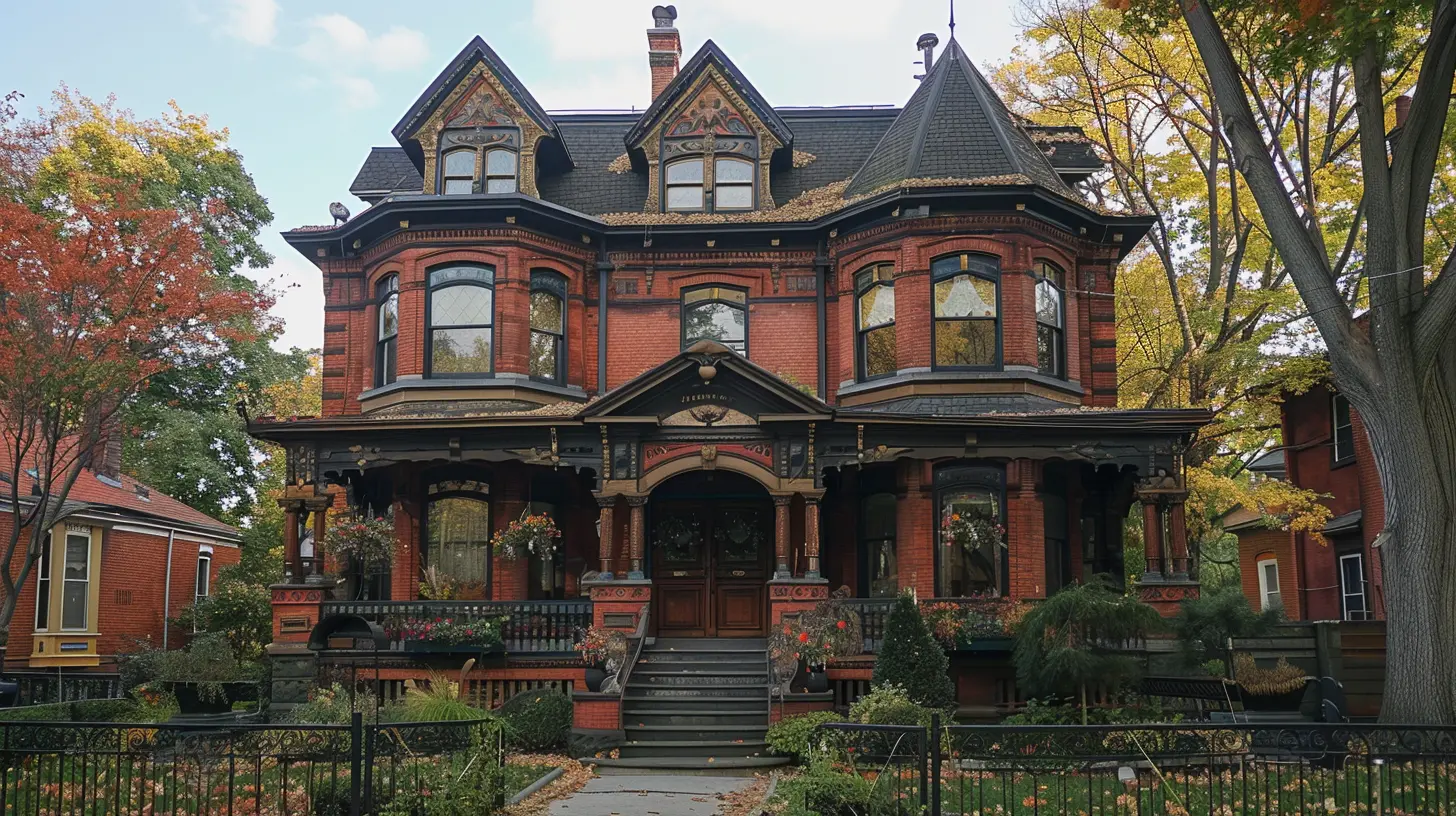
Final Thoughts: Old-World Elegance Never Goes Out of Style
At the end of the day, there’s just something magical about European-inspired historic architecture. It’s grand, it’s timeless, and it makes you feel like you should be drinking wine in a gilded study while discussing philosophy.So, whether you’re lucky enough to own a home with old-world charm or just dreaming about one, there’s no denying that these architectural styles continue to captivate us. Because let's face it—who wouldn’t want to live in a place that looks like it belongs in a fairy tale?
all images in this post were generated using AI tools
Category:
Historic HomesAuthor:

Kingston Estes
Discussion
rate this article
2 comments
Aria Carrillo
Ah, the charm of European-inspired architecture! It’s like stepping into a fairytale where every corner whispers tales of elegance. Imagine sipping tea in a sunlit parlor or wandering through ivy-clad archways. Who wouldn’t want to live in a storybook? Bring on the turrets and vintage vibes!
January 31, 2026 at 5:46 AM
Kingston Estes
Thank you! I completely agree—European-inspired architecture truly transforms spaces into enchanting stories where elegance and charm come to life.
Gunner Mendez
Timeless charm and cultural depth attract buyers.
January 15, 2026 at 11:52 AM
Kingston Estes
Thank you! The blend of timeless charm and rich cultural heritage truly resonates with those seeking unique architectural beauty.