Living in a Landmark: The Benefits of Owning a Historic Home
19 August 2026
Have you ever walked past a historic home and felt a sense of wonder? Those grand front porches, intricate woodwork, and towering columns tell stories of a bygone era. Owning a historic home isn’t just about having a roof over your head—it’s about preserving history and embracing charm that modern homes simply can’t replicate. But is living in a landmark right for you? Let’s break down the perks of owning one of these timeless treasures. 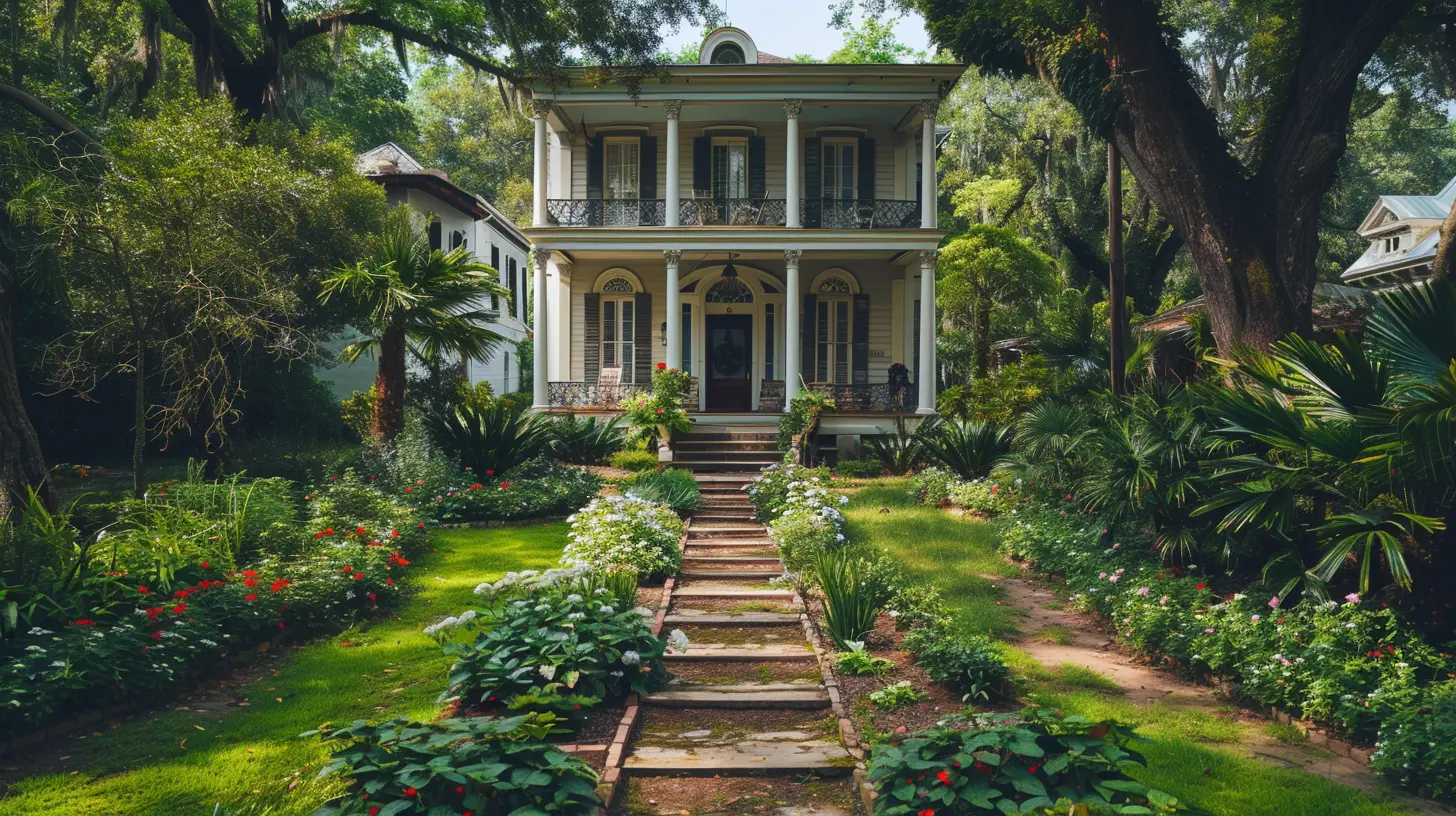
1. Unique Architectural Charm
One of the biggest draws of historic homes is their unmatched character. Unlike modern cookie-cutter houses, historic properties offer:- Intricate woodwork – Hand-carved moldings, detailed banisters, and custom-built cabinetry.
- Stained glass windows – A rare artistic touch that fills rooms with colorful light.
- High ceilings and grand fireplaces – Features designed to impress and provide comfort.
- Original hardwood floors – Often made from high-quality, now-scarce wood species.
Each historic home has its own personality, shaped by the hands of skilled artisans from decades or even centuries ago. When you own one, you embrace a one-of-a-kind masterpiece. 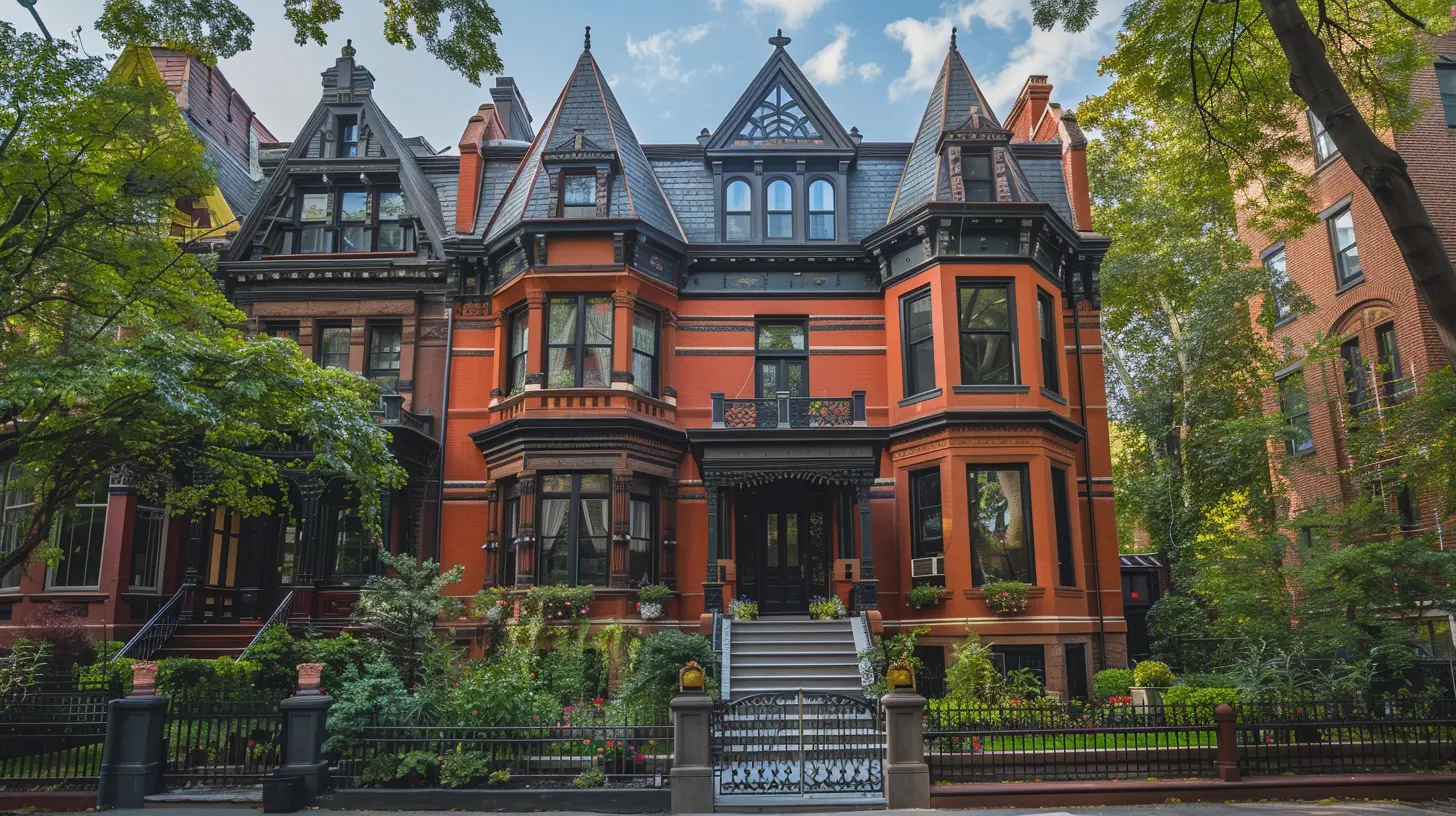
2. A Connection to the Past
Living in a historic home is like stepping into a time capsule. Every creaky floorboard and vintage doorknob holds a piece of history. Imagine knowing that the walls of your home have seen families grow, societal shifts, and even world-changing events.Many historic homes have fascinating backstories—perhaps a famous writer once lived there, or maybe it played a role in a significant historical event. This connection makes everyday life feel richer, as you're not just residing in a house, but a piece of the past. 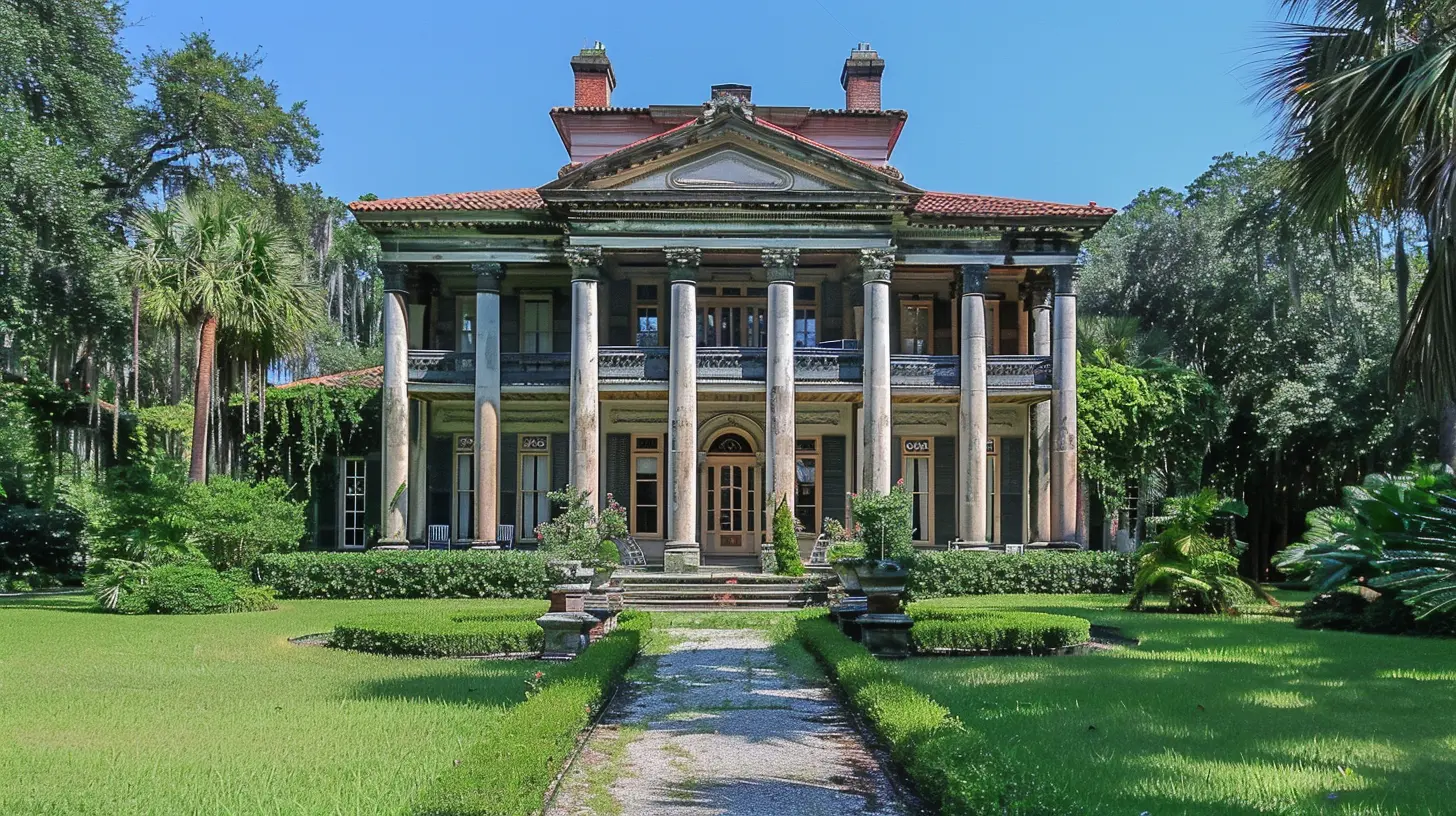
3. Potential Tax Benefits and Incentives
Worried about the costs of maintaining an older home? Good news! Many governments offer tax incentives to homeowners who restore or maintain historic properties. Depending on where you live, you could qualify for:- Property tax reductions – Saving you money on an annual basis.
- Restoration grants – Financial assistance for renovations that preserve a home’s historic integrity.
- Tax credits – Offsetting part of the expense of rehabilitating an old home.
If your home is on the National Register of Historic Places or within a designated historic district, you may be eligible for even more benefits. 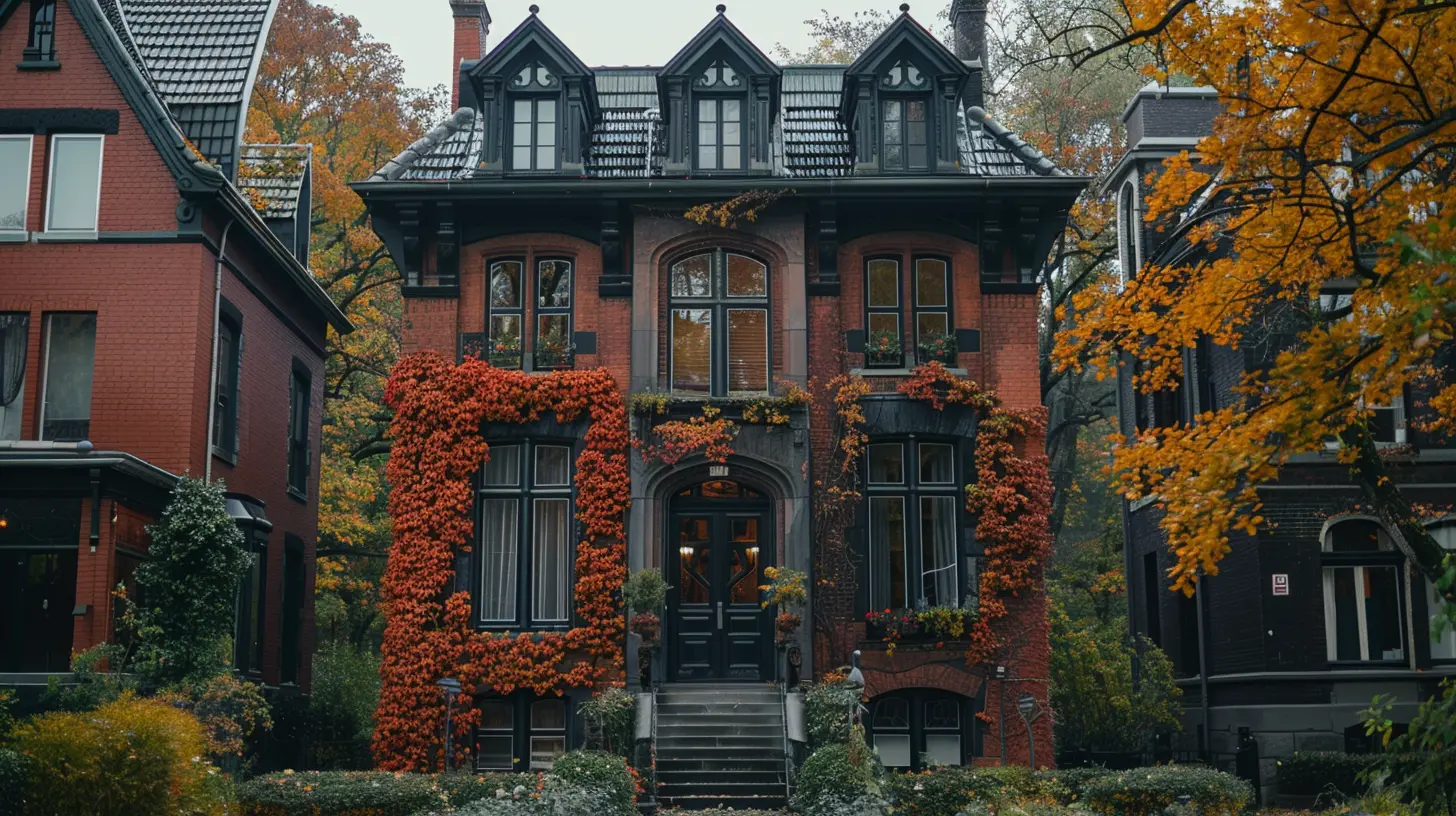
4. Stronger, High-Quality Materials
They just don’t build 'em like they used to! Historic homes were constructed with durability in mind, using materials that are often superior to those found in modern homes.- Solid wood framing – Unlike today’s engineered wood, these homes often feature true dimensional lumber.
- Brick and stone exteriors – Built to last for centuries, offering both beauty and resilience.
- Handcrafted details – From plaster walls to ornate ironwork, craftsmanship was an art form in historic homes.
If maintained properly, these homes can stand the test of time far better than many newer constructions.
5. Established Neighborhoods with Character
Most historic homes are nestled in well-established neighborhoods featuring tree-lined streets, wide sidewalks, and a sense of community that’s hard to find in modern developments. You’re more likely to enjoy:- Mature landscaping – Large, shady trees and well-tended gardens.
- Walkability – Many historic districts are pedestrian-friendly, with shops and restaurants nearby.
- Classic street designs – Unlike modern grid-like developments, these neighborhoods often have unique layouts with charming alleyways and scenic views.
Living in a historic home often means being part of a close-knit community where neighbors care about their surroundings—and each other.
6. Higher Property Value and Market Demand
While it’s true that maintaining a historic home takes effort, their value often appreciates over time, especially if located in a sought-after historic district. Buyers looking for something special—rather than a standard modern build—are willing to pay a premium for historical charm and craftsmanship.Additionally, because zoning laws often protect these homes, there's little risk of sudden high-rise developments or drastic neighborhood changes reducing your home's charm or value.
7. Sense of Pride and Stewardship
Owning a historic home isn’t just about having a place to live; it’s about preserving a piece of history. When you restore an old house, you become part of its story, ensuring its beauty and legacy continue for future generations.There’s a deep personal satisfaction in knowing you’re playing a role in maintaining a landmark. Whether you’re refinishing antique floors or restoring original windows, each project contributes to keeping history alive.
8. Opportunities for Customization Without Losing Character
Unlike modern homes that often come with pre-set designs, historic homes provide a canvas for creativity and personalization—without sacrificing integrity. Many owners keep the historical charm intact while modernizing essential areas, such as:- Upgrading plumbing and electrical systems without disturbing original woodwork.
- Adding modern kitchens and bathrooms while preserving vintage aesthetics.
- Creating a stylish mix of old and new by incorporating contemporary furniture with period details.
You get the best of both worlds—modern convenience with undeniable charm.
9. Historic Homes May Be More Energy Efficient Than You Think
A common misconception is that all historic homes are energy drains. While some may need upgrades, many were actually designed with sustainability in mind:- Thicker walls and solid construction provide natural insulation.
- Strategic placement of windows allows for natural ventilation.
- Covered porches, high ceilings, and deep eaves help regulate interior temperatures.
By adding modern energy-efficient touches like storm windows, insulation, and smart thermostats, you can enjoy the beauty of the past while keeping utility bills manageable.
10. They Serve as Conversation Starters
Let’s be honest—owning a historic home comes with bragging rights. Whether it’s the home’s age, unique features, or the stories behind its walls, there’s always something interesting to share with guests.Dinner parties become more than just gatherings; they turn into storytelling sessions. Your home isn’t just a place to live—it’s a piece of living history that sparks fascination.
Is Owning a Historic Home Right for You?
While historic homes offer incredible benefits, they do require a level of commitment. Maintenance can be more involved, and some renovations must adhere to preservation guidelines. But if you love character, history, and craftsmanship, the rewards far outweigh the challenges.If you’re considering purchasing a historic home, take time to research local laws, available incentives, and potential restoration costs. Talk to other historic homeowners, and if possible, hire an inspector who specializes in older homes.
Owning a historic home isn’t just about property—it’s about passion. If you’re ready to embrace the charm, character, and storytelling that come with these homes, you might just find yourself living in a landmark that stands the test of time.
all images in this post were generated using AI tools
Category:
Historic HomesAuthor:

Kingston Estes
Discussion
rate this article
2 comments
Kyle Sanchez
Owning a historic home is like living in a time capsule with modern conveniences. You get to enjoy the charm of creaky floorboards and the occasional ghostly whisper. Plus, having dinner in a place where legends once dined? That's not just real estate; that's a real-life fairy tale!
August 25, 2026 at 4:37 AM
Kingston Estes
I love that imagery! Living in a historic home truly blends the charm of the past with today's comforts. It's like experiencing a piece of history every day.
Ace Richardson
Owning a historic home is not just about the charm; it's an investment in unique character, rich history, and undeniable prestige.
August 20, 2026 at 2:22 AM
Kingston Estes
Absolutely, the character and history of a historic home add so much value. It's a blend of charm and a true connection to the past.