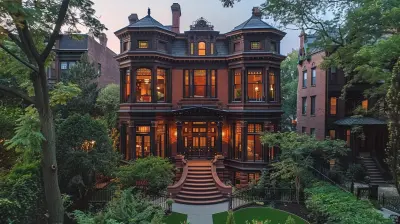
Landmark Designations: What They Mean for Prospective Homebuyers
14 October 2026
Buying a home is one of the biggest investments most people will ever make. But what if the home you’ve set your eyes on holds historical or cultural significance? Enter landmark designations—a factor that can make or break a real estate deal, depending on your perspective.
If you're considering purchasing a home with a landmark designation, it’s crucial to understand what this status means for you as a homeowner. It’s not just about owning a beautiful piece of history; it comes with responsibilities, restrictions, and even financial benefits. Let’s break it all down so you can make an informed decision before signing on the dotted line. 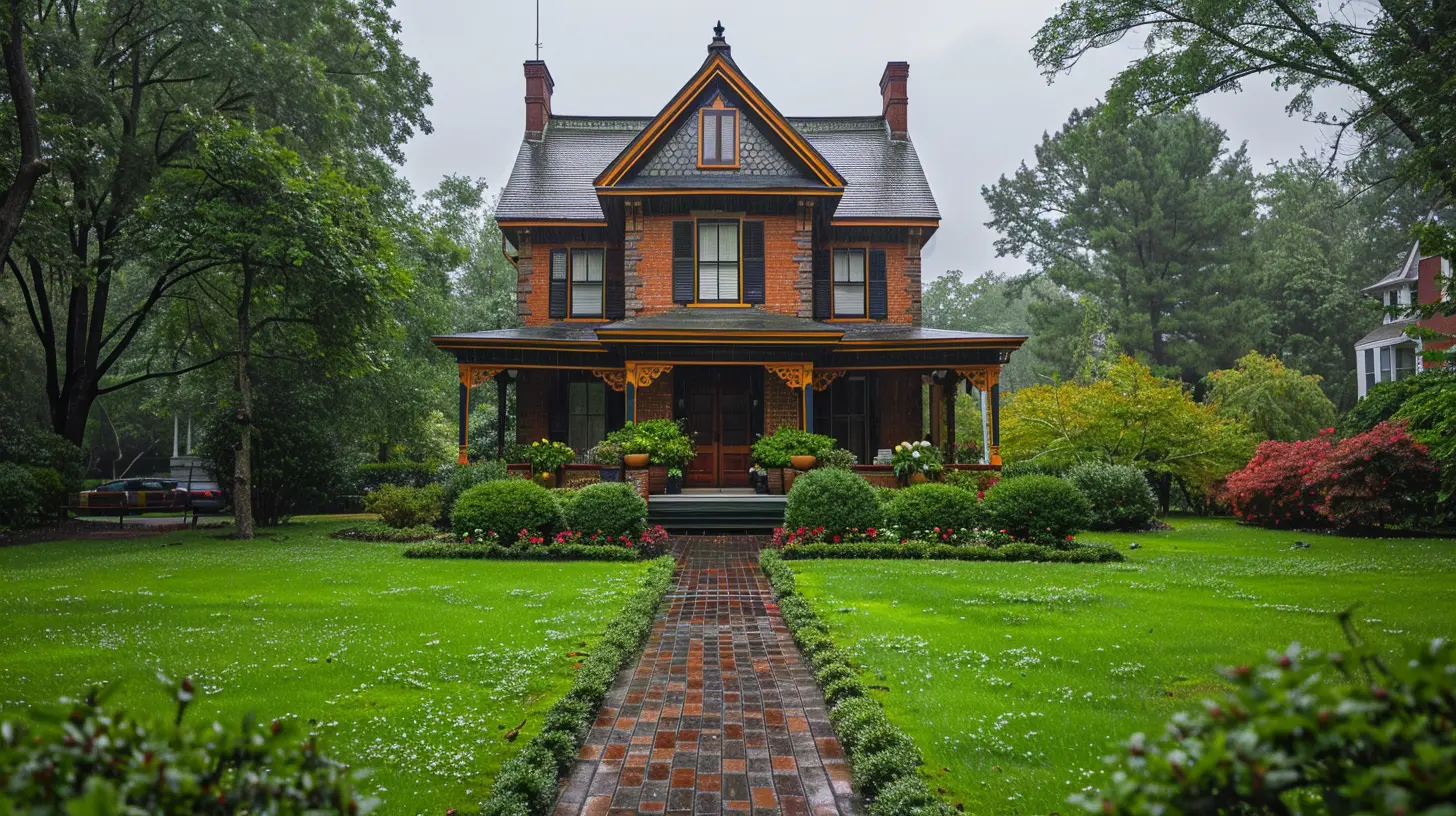
What Is a Landmark Designation?
A landmark designation is an official status granted to buildings, sites, or entire districts that have historical, cultural, or architectural significance. This can be at a local, state, or national level, depending on the property’s importance.Types of Landmark Designations
1. National Historic Landmark (NHL) – Recognized by the federal government and protected under the National Historic Preservation Act.2. State-Level Landmark – Designated by state historical societies or agencies.
3. Local Landmark – Typically recognized by city or county governments and governed by local preservation laws.
4. Historic Districts – Entire neighborhoods that receive landmark status, meaning all properties within the district are subject to preservation rules.
Each level of designation comes with its own set of guidelines and restrictions. While some laws are strict, others may be more flexible. Understanding where your prospective home fits in can help you anticipate potential challenges. 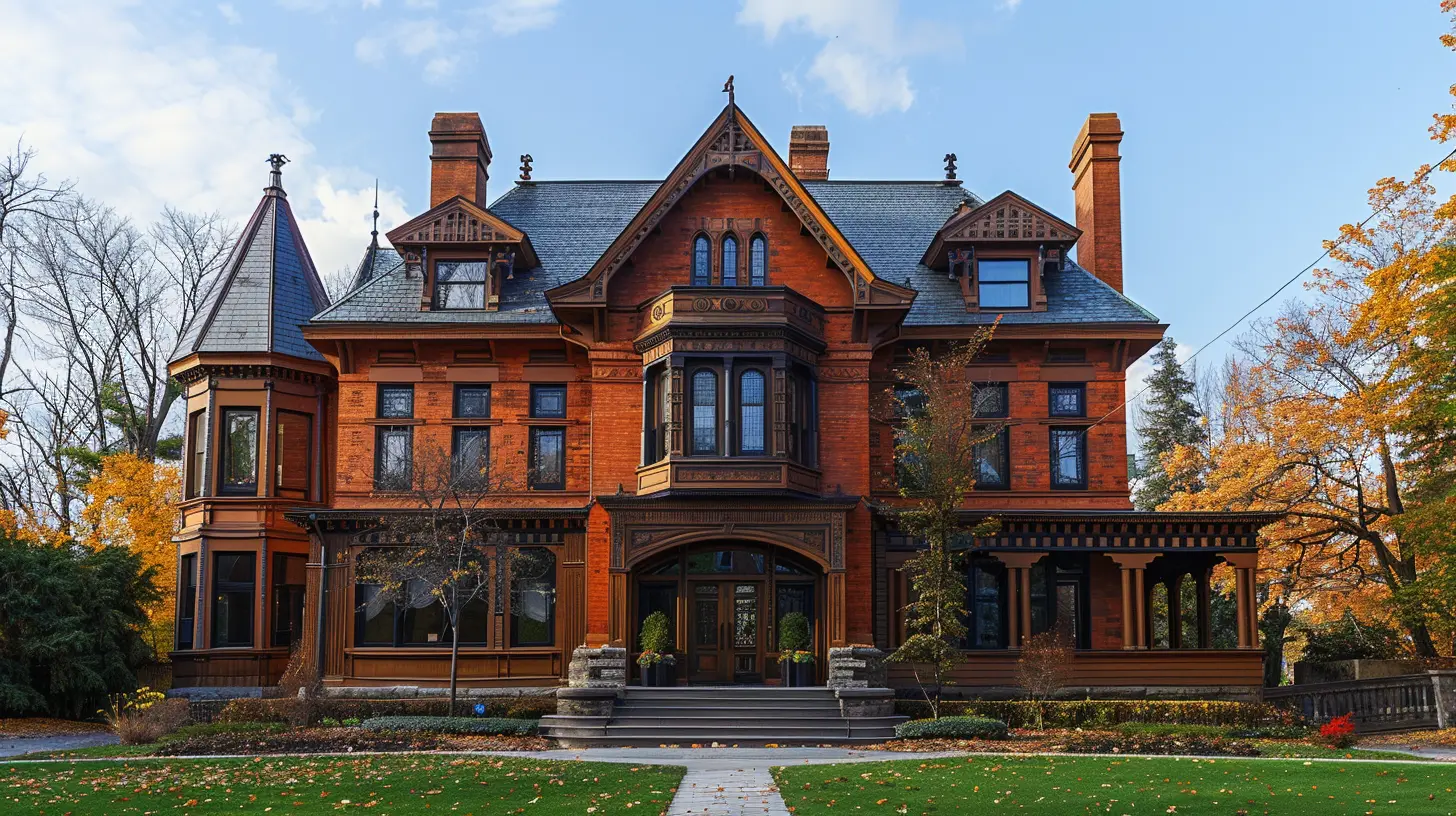
Pros of Buying a Landmark Home
Owning a landmark home sounds prestigious, and for good reason! There are several perks that come with it.1. Unique Architectural Charm
Landmark homes are often masterpieces of craftsmanship—built in eras where attention to detail was the norm. Whether it's a Victorian gem, a Colonial beauty, or a Mid-Century Modern masterpiece, these homes provide character that modern cookie-cutter houses lack.2. Potential Financial Incentives
Many local and federal programs offer tax benefits, grants, or low-interest loans to owners who maintain or restore landmark properties. These incentives can help offset the potential high costs of upkeep.3. Higher Property Value Over Time
Landmark homes often appreciate in value better than non-designated homes. Since their supply is limited and preservation programs keep them in great condition, these properties tend to hold their worth longer.4. Prestige and Status
Let’s be honest—owning a historically significant home is a conversation starter. Whether you’re hosting family gatherings or just chatting at a dinner party, people love a great backstory, and landmark homes come with plenty of them!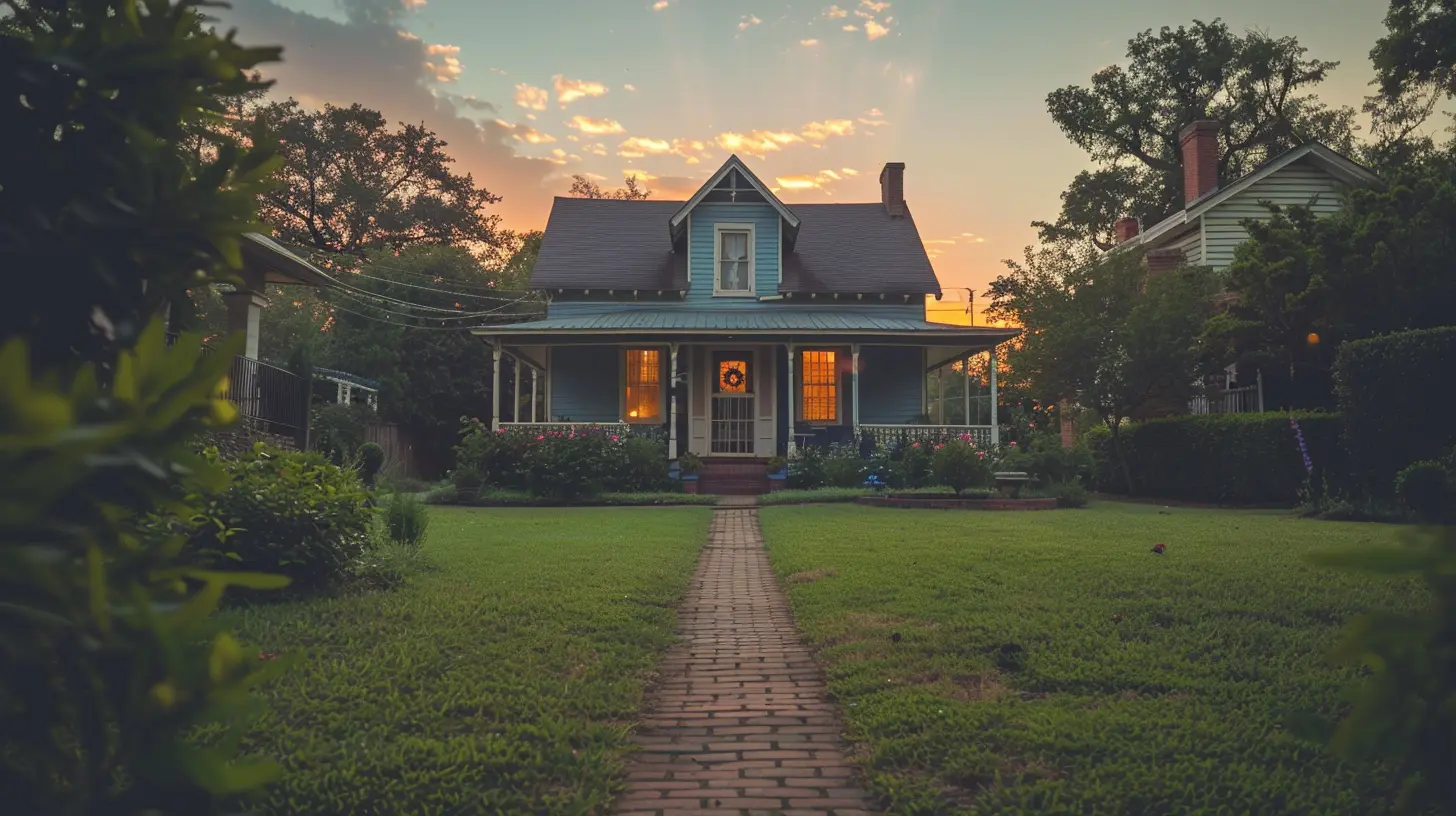
The Challenges of Owning a Landmark Home
While owning a piece of history is exciting, it does come with responsibilities. Here are some potential drawbacks to keep in mind.1. Strict Renovation Restrictions
Love the idea of remodeling your home to fit modern trends? With a landmark home, you might have to pump the brakes on that. Renovations, even minor ones, often need approval from historical preservation boards. This means:- No tearing down walls without permission.
- Exterior updates (like painting or roofing) may have to match historical colors and materials.
- Windows, doors, and even landscaping could be subject to preservation guidelines.
If you're someone who loves design freedom, this could be a deal-breaker.
2. Higher Maintenance Costs
Let’s face it—older homes can be money pits. With strict restoration rules in place, repairs and upgrades often cost more because they require historically accurate materials. Want to replace your windows? Standard vinyl replacements might be off-limits, meaning custom wood-framed versions could cost you thousands more.3. Insurance Can Be Pricey
Many historic homes don’t meet modern building codes, which can make insuring them more expensive. Certain policies might even require you to use specialists for repairs, further driving up costs.4. Lengthy Approval Processes
Even if you have the funds for renovations, don't expect quick changes. Landmark homes often require multiple approvals for any work, which can delay projects by months. If you're eager to customize, this could be frustrating.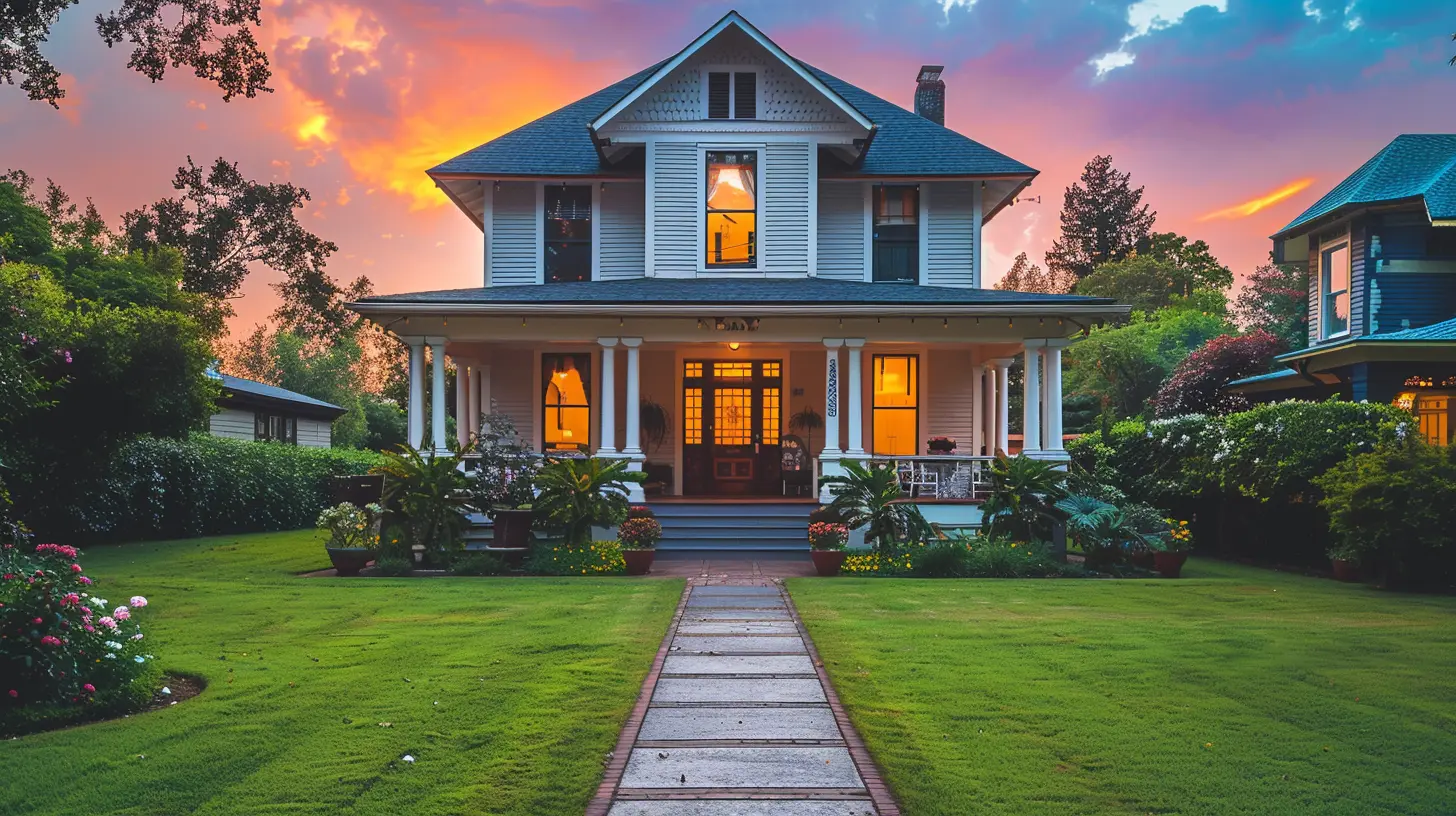
What to Consider Before Buying a Landmark Home
If you're still enchanted by the idea of owning a historic home, there are a few steps to take before sealing the deal.1. Research the Specific Landmark Status
Not all landmark designations carry the same rules. Check with your local historic preservation office to understand the restrictions attached to the home you’re considering.2. Inspect the Property Thoroughly
Hire an inspector who specializes in historic homes. Make sure the structure is sound and that you're aware of any expensive repairs that might be looming.3. Factor in Long-Term Costs
Look at historically accurate material costs, specialized labor, and ongoing maintenance when budgeting. A landmark home isn’t just a purchase—it’s a lifelong commitment.4. Review Tax Credits and Grants
Some states and cities offer financial assistance for historic home renovations. Research available programs to see if you qualify for financial relief.5. Talk to Current Owners in the Historic District
If the home is in a designated historic district, chat with neighbors to gauge their experiences. Are the rules reasonable, or do they hinder homeowners' rights? First-hand insights can help set realistic expectations.Is a Landmark Home Right for You?
So, should you venture into the world of landmark homeownership? That depends on your lifestyle and expectations. If you love history, enjoy preserving old-world charm, and don’t mind navigating bureaucracy, this could be your dream home.However, if you're all about major upgrades, quick remodels, and budget-friendly repairs, a landmark home may not be the best fit. There’s nothing wrong with wanting a more flexible property where you have full control.
Ultimately, it’s about what makes you comfortable—because while history is fascinating, your home should also feel like home.
Final Thoughts
Buying a home is already a big decision, and purchasing one with landmark designation adds another layer of complexity. While the prestige, charm, and financial incentives are appealing, the restrictions and potential costs shouldn’t be ignored.If you’re willing to embrace the challenges, owning a historically significant home can be deeply rewarding. Just make sure to do your homework, plan your finances, and understand what you’re signing up for before making that final decision.
Would you buy a landmark home? Let us know in the comments!
all images in this post were generated using AI tools
Category:
Historic HomesAuthor:

Kingston Estes