Key Differences Between Maintaining a Historic Home and a New Build
1 August 2026
Owning a home is a dream for many, but the type of home you choose can significantly impact your lifestyle. Some people are drawn to the charm and character of historic homes, while others appreciate the modern conveniences of new builds. But when it comes to maintenance, these two types of homes are worlds apart.
If you've ever wondered about the key differences between maintaining a historic home and a new build, this article is for you. We'll dive into the unique challenges, costs, and time commitments that each type of home requires. 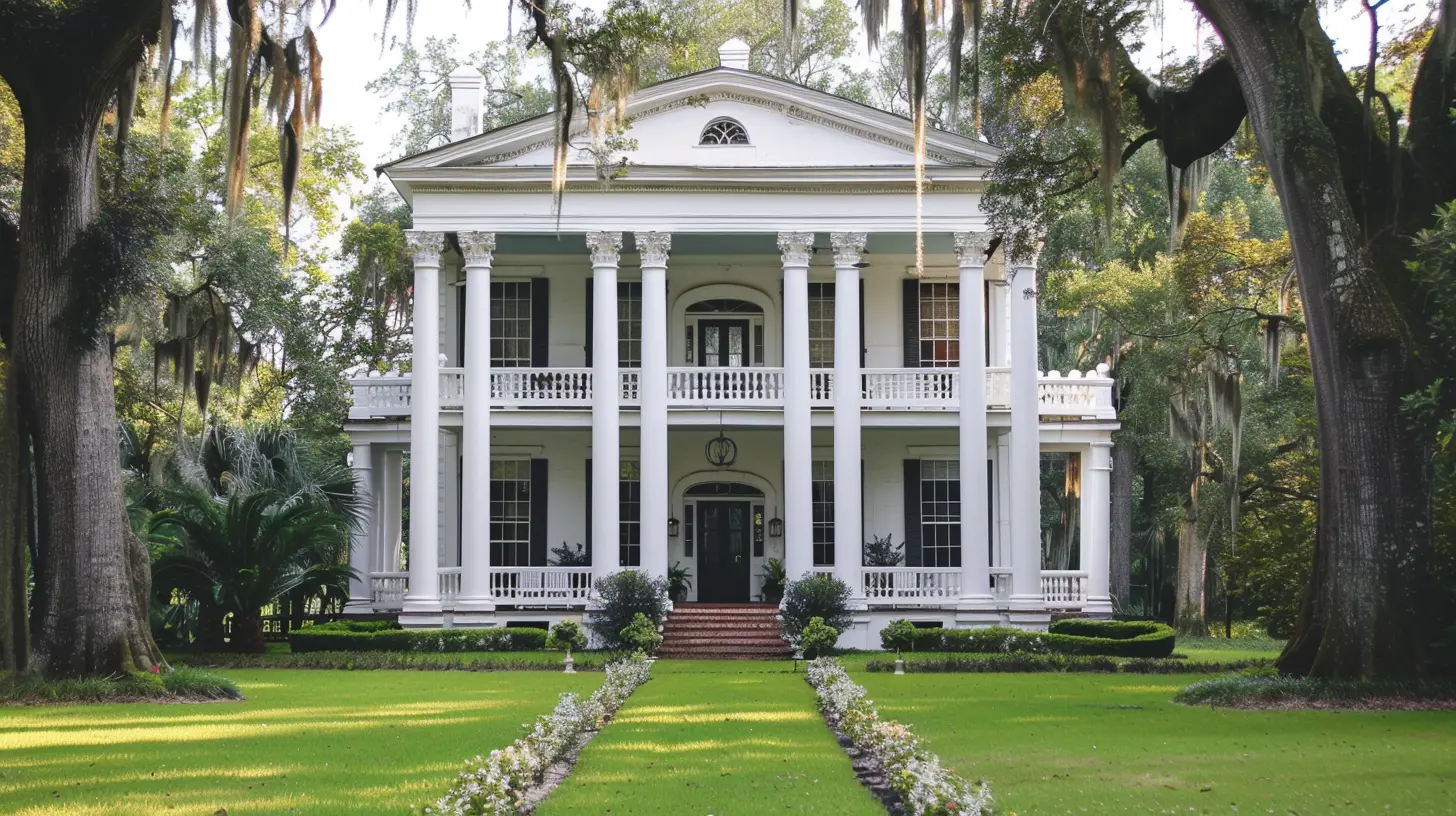
1. Building Materials: The Old vs. The New
Historic Homes: A Testament to Time
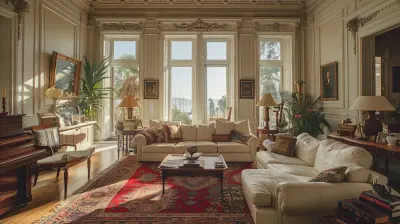
One of the main reasons historic homes have so much charm is their materials. These homes were built in an era when craftsmanship was king, featuring solid wood, brick, and hand-carved details you rarely see today.But while these materials are undeniably beautiful, they come with a price—literally. Repairing or replacing original woodwork, stained glass windows, or elaborate molding requires skilled artisans and specialized materials, which can be expensive and time-consuming.
New Builds: Modern, Efficient, and Low-Maintenance
In contrast, new builds are designed with efficiency and cost savings in mind. Modern materials such as vinyl, engineered wood, and composite materials are often used because they're durable and require little upkeep.For example, vinyl siding won’t rot like wood, and energy-efficient windows reduce heating and cooling costs. While a new build might lack the uniqueness of a historic home, maintenance is usually more straightforward and budget-friendly. 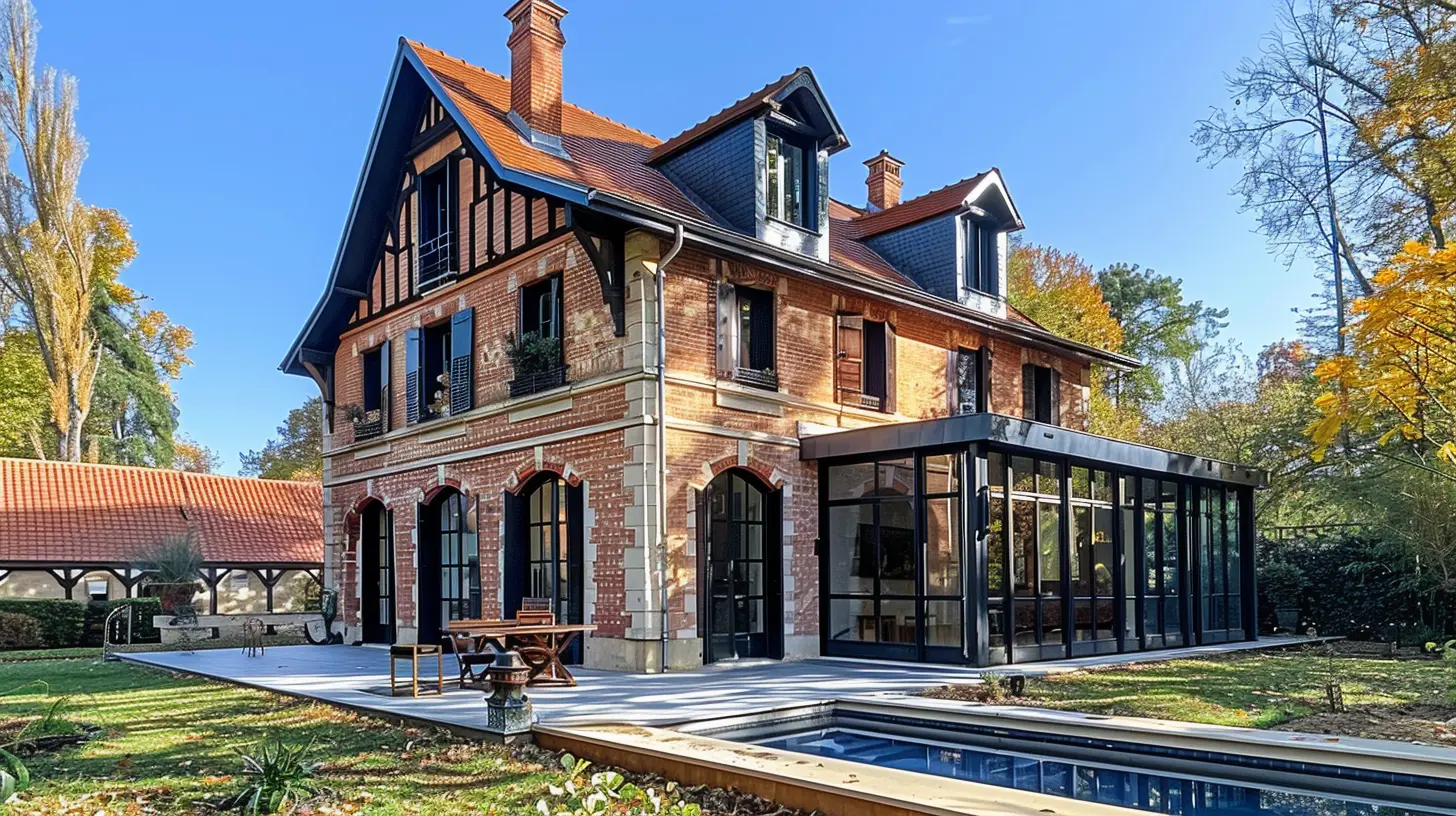
2. Plumbing and Electrical Systems: Old Charm vs. Modern Convenience
Historic Homes: Outdated and Quirky Systems
If you’ve ever toured a historic home, chances are you’ve noticed that electrical outlets are oddly placed, and plumbing pipes may not be where you expect them. That's because these homes were built before modern electricity and plumbing were the norm.Updating these systems to meet current safety standards can be a headache. Old homes often have knob-and-tube wiring, which is not only outdated but can also be a fire hazard. Similarly, lead pipes or galvanized steel plumbing may need to be replaced to ensure safe drinking water.
New Builds: Code-Compliant and Energy Efficient
New homes are built with modern living in mind. Electrical outlets are placed conveniently, plumbing meets today’s efficiency standards, and you won’t have to worry about replacing outdated wiring.Not to mention, newer homes often include smart home technology, energy-efficient appliances, and sustainable design features that make life easier and more eco-friendly. 
3. Energy Efficiency: Then vs. Now
Historic Homes: Charming but Costly
One of the biggest downsides of a historic home is poor energy efficiency. Older homes were not built with insulation or airtight windows, meaning drafts and high energy bills are common.If you want to improve efficiency without compromising the home's historical integrity, you might have to invest in costly upgrades like blown-in insulation, storm windows, or period-appropriate energy-efficient doors.
New Builds: Tight Seals and Smart Systems
New homes are designed with energy efficiency in mind. Double-pane windows, advanced insulation, and energy-efficient HVAC systems help homeowners save on utility bills. Many also feature solar panels, smart thermostats, and other green technologies that make them more sustainable.In short, while a historic home may make your heart swoon, a new build is much easier on your wallet when it comes to heating and cooling costs. 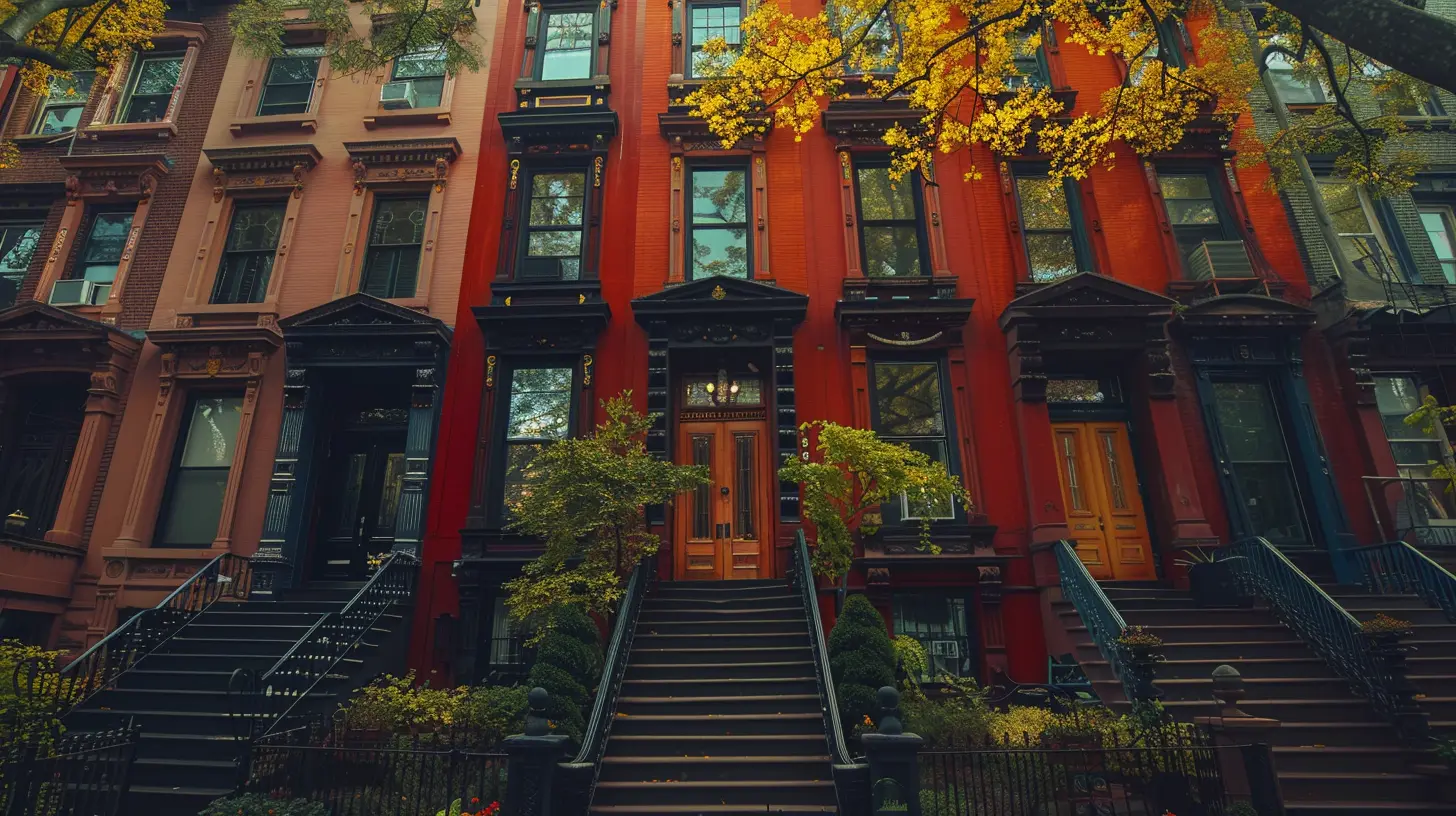
4. Maintenance and Repair Costs: Long-Term Commitments
Historic Homes: A Labor of Love
If you buy a historic home, be prepared for ongoing maintenance. Because these homes are older, things wear out more quickly. You're more likely to deal with roof repairs, foundation issues, and aging infrastructure.And don’t forget, many historic neighborhoods have strict preservation rules. That means you often can’t just replace a part of your home with something new—you’ll need historically accurate materials, which can get pricey.
New Builds: Fewer Surprises
With a new build, maintenance needs are minimal, at least for the first decade or so. Most new homes come with warranties that cover major issues, and because everything is brand new, you’re unlikely to face any unexpected repairs.Think of it this way—owning a historic home is like restoring a classic car, while owning a new build is like driving a brand-new hybrid with all the latest features.
5. Customization vs. Preservation
Historic Homes: Limited Changes
If you love DIY projects and home renovations, a historic home might not be for you. Many historic homes are located in preservation districts with strict regulations that limit your ability to change their appearance.Want to replace those drafty windows? You might need approval. Thinking about adding a modern addition? You’ll likely face a heap of paperwork before you can even start.
New Builds: A Blank Canvas
New builds offer far more flexibility. You can paint, renovate, and redesign however you like. If you prefer an open floor plan or want a kitchen with the latest appliances, you won’t face any obstacles.For homeowners who love customization and personal touches, a new build is the way to go.
6. Neighborhood and Community Feel
Historic Homes: Rich with Character
Historic neighborhoods often have a strong sense of community and history. Tree-lined streets, brick sidewalks, and one-of-a-kind architecture create a unique living environment that’s hard to replicate.Living in a historic district often means being part of a close-knit community where neighbors share a passion for preserving their homes and the charm of the area.
New Builds: Modern Amenities and Expanding Communities
On the flip side, new build communities are designed with modern convenience in mind. Many feature amenities such as parks, walking trails, and even clubhouses or pools.While they may lack the historic charm, they offer planned infrastructure and a growing sense of community among new homeowners.
7. Resale Value: Which Holds Its Worth?
Historic Homes: Niche Appeal
A historic home’s value depends significantly on its condition and location. If well-maintained, it can appreciate beautifully because of its uniqueness and charm. However, not everyone is willing to take on the maintenance challenges, so selling may take longer.New Builds: Broad Market Appeal
New homes, on the other hand, appeal to a wider range of buyers due to their minimal maintenance needs and modern features. They tend to sell faster and offer competitive resale values, making them a safer bet in real estate investments.Final Thoughts: Which Is Right for You?
Choosing between a historic home and a new build ultimately comes down to your lifestyle, budget, and personal preferences. Do you love the idea of preserving a piece of history and don’t mind the upkeep? A historic home could be your dream. Or do you prefer a hassle-free, energy-efficient home with modern conveniences? Then a new build will probably suit you best.Whichever you choose, homeownership is an exciting journey full of rewards and challenges. Your perfect home is out there—it's just a matter of knowing what you're willing to take on.
all images in this post were generated using AI tools
Category:
Historic HomesAuthor:

Kingston Estes
Discussion
rate this article
1 comments
Serenity McMurtry
This article does a great job highlighting the unique challenges and rewards of maintaining a historic home compared to a new build. It's fascinating how history adds character, yet requires thoughtful care. Understanding these differences can really help potential buyers make informed decisions. Thank you for sharing!
August 2, 2026 at 4:46 AM
Kingston Estes
Thank you for your thoughtful comment! I'm glad you found the article helpful in understanding the distinctive aspects of historic homes. It truly is a delicate balance between preservation and modern living.