Investing in Student Housing: Is It Worth the Risk?
9 March 2026
Real estate investing comes in many flavors, but one niche that's been gaining traction is student housing. With universities expanding and student populations growing, the demand for off-campus housing is stronger than ever. But does that mean it's a goldmine or a financial headache waiting to happen?
You might be picturing rowdy college kids throwing wild parties and damaging your property. And sure, there’s some truth to that. But student housing can also be a stable and highly profitable investment—if you know what you’re doing.
So, is investing in student housing worth the risk? Let’s break it down. 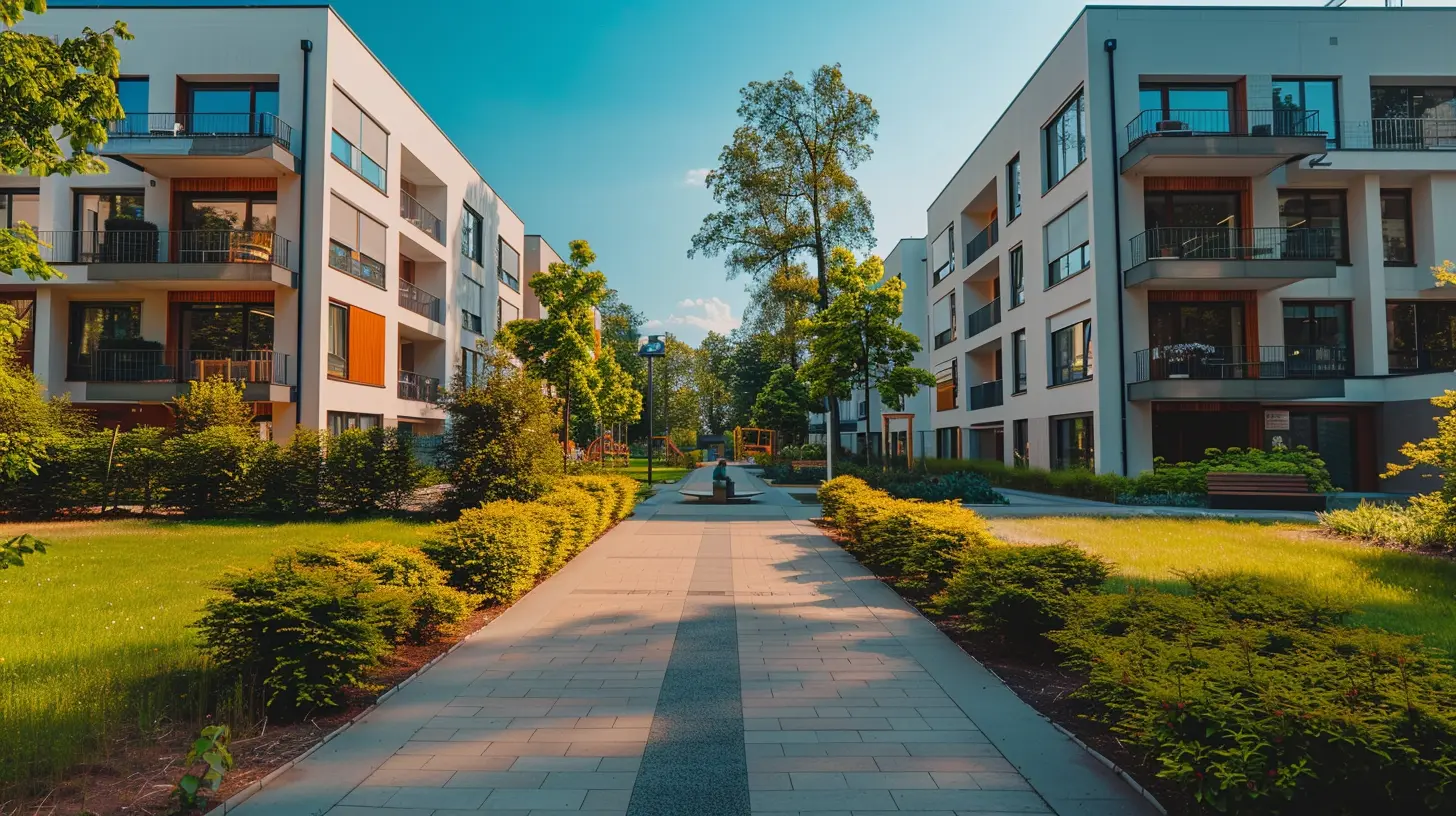
Why Student Housing is an Attractive Investment
1. Consistent Demand – College Students Need a Place to Live
Unlike traditional rentals that depend on job markets, student housing is tied to universities. As long as colleges continue operating (which they will), there will always be students looking for a place to live.Even during economic downturns, students go back to school to gain additional qualifications, keeping demand steady. No seasonal vacancies, no market crashes affecting your tenants—just a steady stream of renters every year.
2. Higher Rental Yields
One of the biggest draws of student housing is the potential for high rental returns. Instead of renting out a single unit to one tenant, you can rent out by the room to multiple individuals.For example, a three-bedroom apartment that might traditionally rent for $2,000 per month could be rented to three students at $800 each, bringing in $2,400 per month instead. That extra income adds up!
3. Lower Vacancy Risks
Students typically lease properties for the entire academic year, reducing turnover rates. Even better, most leases are renewed annually, which minimizes time spent looking for new tenants. Plus, students tend to rent months in advance, giving landlords a predictable cash flow.4. Parental Guarantees and Financial Aid
One of the biggest fears with student rentals is, “What if they don’t pay the rent?” But here’s the good news: most students don’t pay their own rent—parents do!Many landlords require a parental guarantor, meaning if the student can’t pay, their parents are legally responsible. Some students even use financial aid to cover their housing, ensuring a reliable source of income for landlords. 
The Downsides of Investing in Student Housing
Of course, it’s not all sunshine and dollar signs. Investing in student housing comes with real risks, and ignoring them could turn your investment into a money pit.1. High Turnover Rates
Even though students provide consistent demand, most of them only stick around for a few years before moving on. This means you’ll likely have to find new tenants every year, which can result in higher vacancy rates if you're not proactive.2. Increased Wear and Tear
Let’s be honest—students aren’t known for treating their rentals like luxury homes. Between parties, spontaneous furniture moves, and general carelessness, expect higher maintenance costs compared to traditional rentals.You’ll probably replace carpets, repaint walls, and repair broken fixtures more often than you would with other types of tenants. If you’re not prepared for frequent maintenance, student housing might not be for you.
3. Stricter Financing Options
Banks and lenders tend to be more cautious when it comes to student housing. Since students typically don’t have a stable income, lenders see these properties as riskier investments.Some banks might require higher down payments, stricter loan terms, or even deny financing altogether. Be sure to shop around and talk to lenders who specialize in student housing before making a decision.
4. Neighbor Complaints & Legal Issues
Ever heard the phrase “college town chaos”? Some student rentals become party hubs, leading to noise complaints from neighbors and potential visits from law enforcement. If your property is in a family-friendly neighborhood, expect some friction.Also, different cities have different zoning laws and regulations for student housing. Some places limit the number of unrelated tenants per property, which could impact your rental strategy. Do your research to avoid legal surprises. 
How to Minimize Risks and Maximize Profits
Now that we’ve covered the pros and cons, let’s talk about strategies to reduce risk while still cashing in on the student housing market.1. Choose the Right Location
You wouldn’t open a ski shop in the desert, right? The same logic applies to student housing—location is everything.Look for properties near universities, within walking distance to campus or at least close to reliable public transportation. The closer you are, the higher the demand and the easier it will be to find tenants.
2. Screen Tenants & Require Parental Guarantees
To minimize the risk of missed rent payments, thoroughly screen tenants. Check their credit history, ask for references, and most importantly—require a parental guarantor on the lease.If parents are responsible, you’re in a much safer financial position.
3. Furnish for Durability, Not Luxury
Students don’t need high-end decor or fancy appliances—they need functional, low-maintenance furnishings.Opt for sturdy furniture, easy-to-clean flooring (skip the carpet), and durable fixtures. You’ll thank yourself later when avoiding costly repairs.
4. Charge Higher Security Deposits
Since student rentals tend to see more wear and tear, charging a higher security deposit can protect you from excessive damage costs. Just make sure your rental laws allow it!5. Set Clear Rules & Expectations
Include explicit lease terms about noise levels, maintenance, and behavior expectations to avoid potential disputes. Some landlords even create a “house rules” agreement to ensure tenants understand what’s expected.
Is Student Housing Right for You?
So, is investing in student housing worth the risk?Well, it depends. If you’re a hands-off investor looking for a hassle-free, set-it-and-forget-it rental, student housing might not be your best bet. It requires active management, maintenance, and a solid strategy to keep things running smoothly.
But if you’re willing to put in the work, the financial rewards can be significant. With strong rental yields, a consistent tenant pool, and the right safeguards in place, student housing can be a lucrative real estate niche.
At the end of the day, the key is knowledge and preparation. Do your research, understand the risks, and make informed decisions before diving in. If done right, student housing could be the investment that pays off semester after semester.
all images in this post were generated using AI tools
Category:
Real Estate InvestmentAuthor:

Kingston Estes
Discussion
rate this article
2 comments
Ursula Gates
Investing in student housing can yield great returns, but it's essential to evaluate market demand, location, and management before committing to minimize risks effectively.
March 20, 2026 at 11:26 AM
Kingston Estes
Absolutely, careful evaluation of market demand, location, and management is crucial to maximizing returns and minimizing risks in student housing investment.
Kaitlyn Dorsey
Investing in student housing is like adopting a puppy: adorable chaos guaranteed! Sure, there’s risk, but if you can handle late-night loud parties and mystery stains, you might just find a goldmine hiding behind the pizza boxes!
March 11, 2026 at 11:19 AM
Kingston Estes
Absolutely! It's a thrilling venture—embracing the chaos can lead to unexpected rewards. Just be prepared for the ups and downs!