How to Increase the Value of a Historic Property
2 July 2026
Owning a historic property is like holding a piece of the past in your hands. These homes have stories woven into their walls, whispers from another time echoing through each creaky floorboard. But what if you could breathe new life into that history and elevate the value of your property at the same time?
Increasing the worth of a historic home isn't as simple as slapping on a fresh coat of paint or replacing old fixtures. It requires a delicate balance between preservation and modernization. If done right, the results can be breathtaking—and incredibly lucrative.
So, how do you enhance the value of a historic property without compromising its charm? Let’s unravel the mystery.
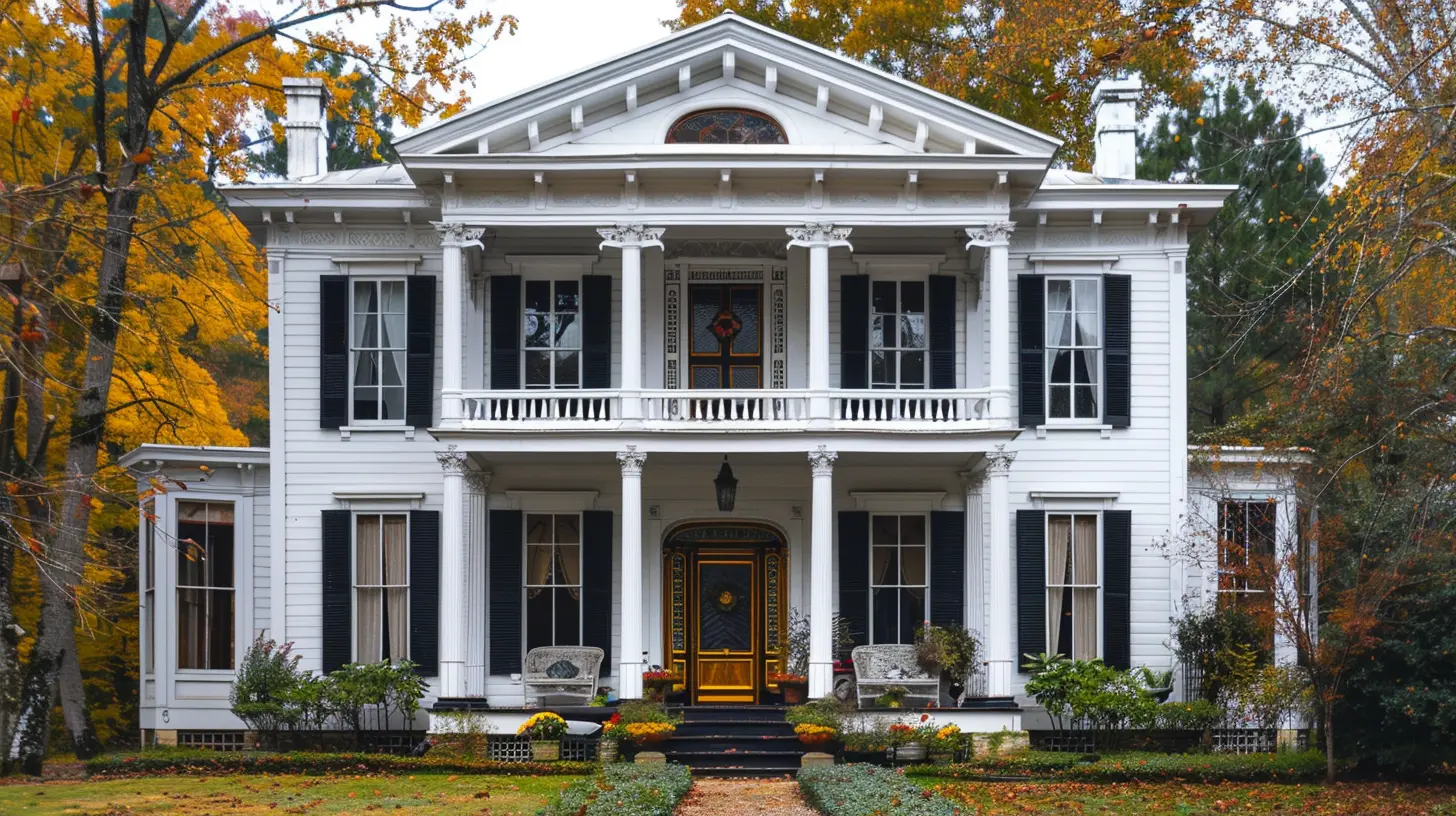
1. Preserve the Property’s Original Features
One of the biggest mistakes homeowners make is stripping away a historic property’s defining characteristics. Think about it—people are drawn to these homes because of their unique charm and craftsmanship.Restore, Don’t Replace
Look closely at original details like woodwork, crown molding, stained glass windows, or antique fireplaces. While it may be tempting to swap them out for something new, restoration is always the better option. Skilled craftsmen can bring these elements back to life, maintaining authenticity while increasing value.Protect Unique Architectural Details
Whether it’s a Victorian, Colonial, or Craftsman home, each architectural style has distinct features that make it special. Preserving elements like carved banisters, exposed beams, or historical facades will keep your home’s soul intact—and buyers love that.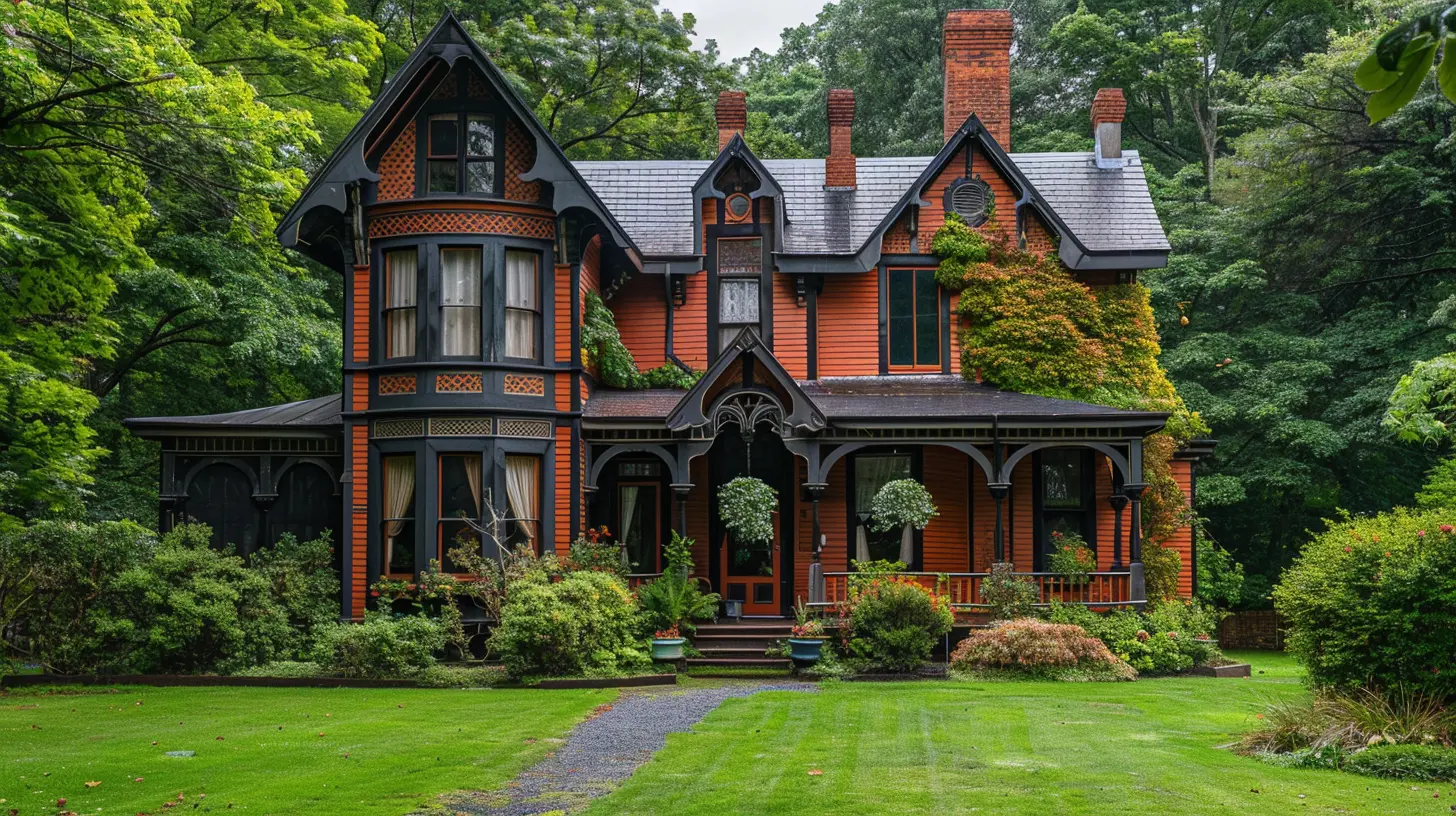
2. Upgrade Without Losing the Historic Integrity
Modern conveniences make a home more functional, but adding them incorrectly can strip away the property's character. The trick? Seamlessly blending the old with the new.Kitchen and Bathroom Renovations
Kitchens and bathrooms sell homes, but how do you upgrade them without making them feel out of place? Opt for period-appropriate fixtures with modern functionality. Think farmhouse sinks, clawfoot tubs, or subway tiles that complement the home’s era. Hidden appliances or custom cabinetry designed to mimic historical styles can modernize your space without making it feel disconnected.Subtle Technology Integration
Adding smart home features doesn’t mean compromising your home’s historic charm. Consider in-wall speakers, WiFi-controlled lighting, or hidden security systems that enhance convenience without being visually intrusive. The key is invisibility—let the home’s character remain front and center.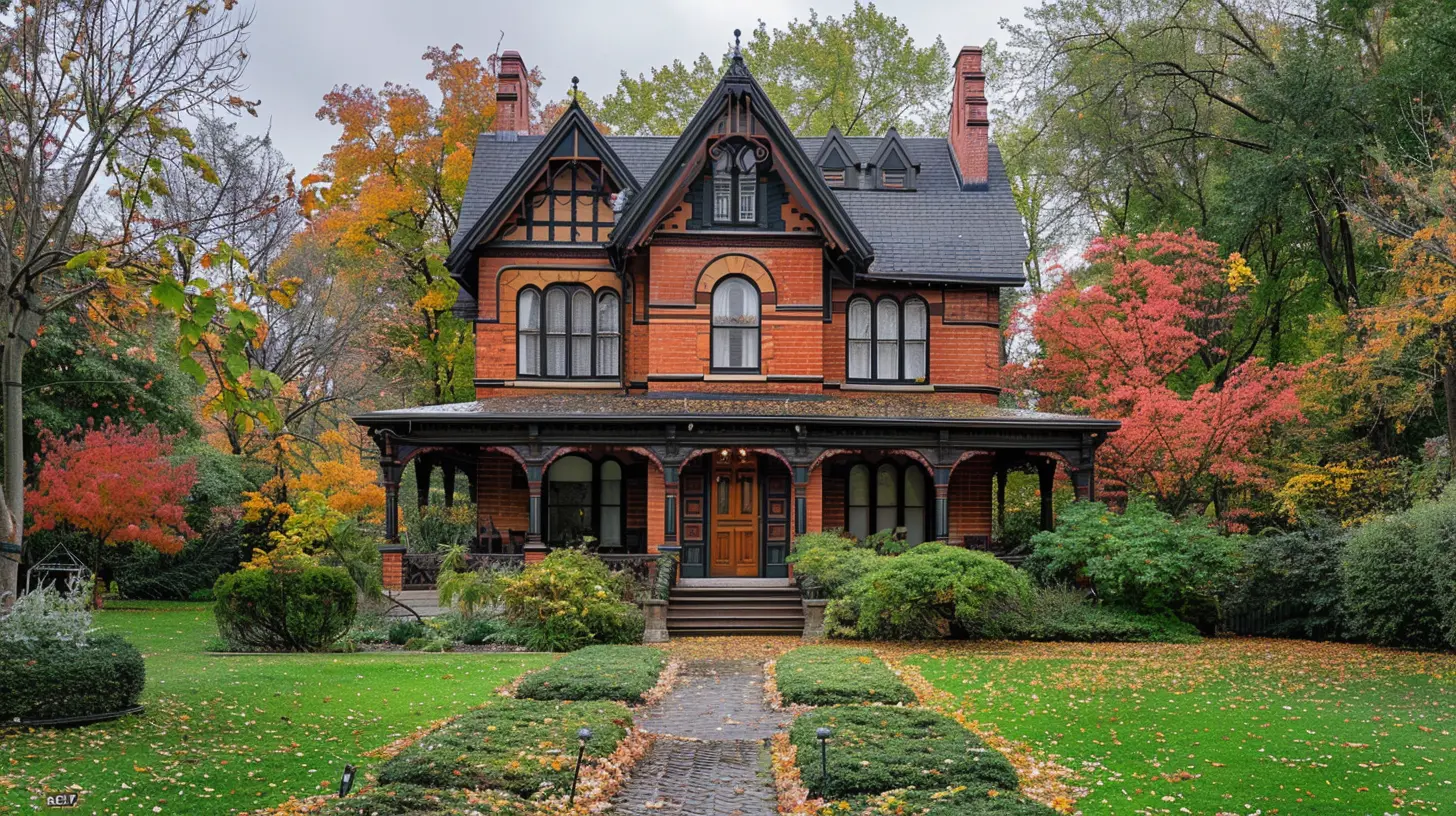
3. Boost Curb Appeal While Maintaining Authenticity
First impressions matter. A historic home that looks neglected won’t attract buyers or appraisers. However, revamping your home’s exterior while respecting its era can significantly boost its value.Repaint with Historical Accuracy
Certain colors were popular during specific time periods. Research your home’s era and choose a historically accurate color scheme. The right paint can breathe life back into faded exteriors while maintaining period authenticity.Restore the Front Entryway
The front door is one of the most eye-catching features of a historic home. Restoring or refinishing an original door instead of replacing it can make a significant impact. If the original door is beyond repair, consider a custom-built replica that stays true to the home’s style.Landscaping That Matches the Era
A historic home surrounded by ultra-modern landscaping might feel out of place. Instead, opt for plants and shrubs that complement the home’s period. Classic hedges, vintage flowers, and brick pathways can enhance the historical charm while boosting appeal.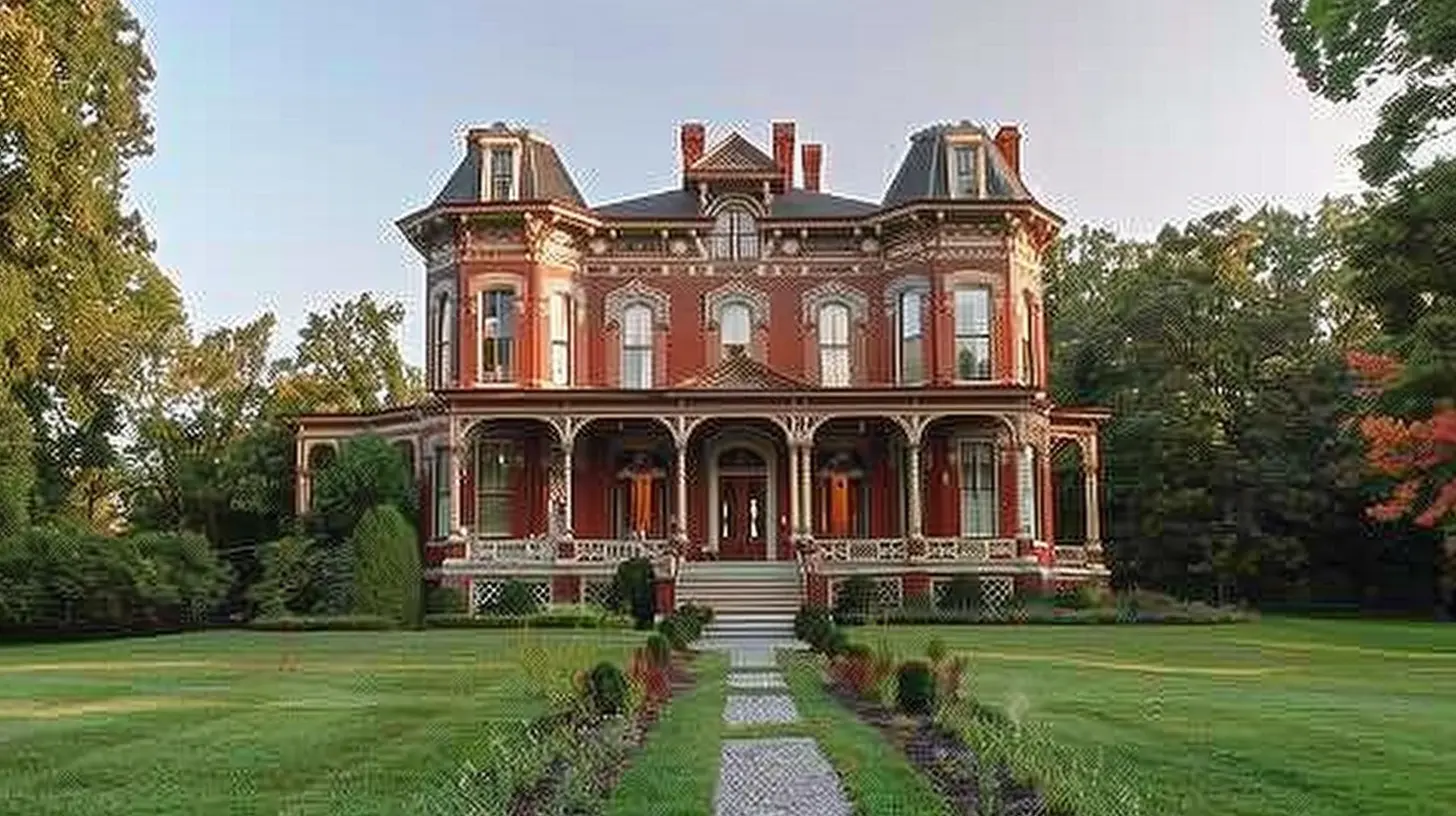
4. Improve Energy Efficiency Without Compromising Charm
Older homes are notorious for being energy inefficient, but there are ways to improve this without sacrificing historic integrity.Upgrade Windows the Right Way
Replacing original windows with modern alternatives can ruin a home’s historic status. Instead, consider restoring wooden frames and adding interior storm windows for insulation. This keeps the character intact while improving energy efficiency.Insulation and Heating Enhancements
Many historic homes lack proper insulation, making them expensive to heat and cool. Spray foam insulation in non-visible areas (like attics and basements) can help regulate temperature without affecting aesthetics. Additionally, updating an old heating system to a more efficient model can save money in the long run.5. Increase Livable Space Without Ruining History
More square footage often means higher value, but adding on to a historic property requires a sensitive approach.Finish the Basement or Attic
Rather than constructing an addition, look to existing spaces for expansion. Finishing a basement or attic maintains the original footprint while increasing usable space. Just ensure materials and design elements align with the home’s era.Build Thoughtful Additions
If an addition is necessary, make sure it’s designed to blend seamlessly with the existing architecture. Hiring an architect who specializes in historic properties can help ensure any new construction feels like it has always been there.
6. Address Structural and Foundation Issues
A house is only as strong as its foundation. Historic homes often come with structural challenges, from settling foundations to outdated wiring or plumbing.Check for Foundation Problems
Cracks, uneven floors, or doors that won’t close properly could indicate foundation issues. Addressing these problems not only ensures safety but also increases market value.Update Electrical and Plumbing Systems
Outdated wiring and old plumbing can be deal breakers for potential buyers. Upgrading these systems while keeping disruptions to architectural details at a minimum ensures the home is both functional and marketable.7. Research Historic Tax Credits and Grants
Did you know you might be able to get financial assistance for restoring a historic property? Many government programs offer tax credits and grants for preserving historic homes.Research federal, state, and local programs that provide incentives for preservation projects. These funds can help offset renovation costs, making upgrades more financially feasible.
8. Get Your Property Designated as a Historic Landmark
If your home qualifies, receiving official historic designation can significantly increase its value. Buyers often pay a premium for homes recognized as official landmarks.However, with designation comes responsibility—certain restrictions may apply to renovations. If you plan to make significant changes, research these regulations first to ensure compliance.
9. Work with Preservation Experts
When restoring a historic property, it’s crucial to collaborate with professionals who specialize in period homes.Hire a Historic Architect or Contractor
A standard contractor might treat your home like any other renovation project, which could result in lost historical value. Experts in historic preservation understand how to restore and modernize while keeping authenticity intact.Consult Local Historic Societies
Historic societies and preservation groups often have a wealth of knowledge about restoring period homes. They may even have records, old photographs, or resources to help guide your restoration efforts.
Conclusion
Restoring a historic property is a labor of love, but when done correctly, it’s also a fantastic investment. By preserving original features, making thoughtful upgrades, enhancing curb appeal, and ensuring structural integrity, you can significantly increase your home’s value while keeping its rich history alive.Remember, a historic home isn’t just a piece of real estate—it’s a story waiting to be told. And when that story is well-preserved, it becomes even more valuable.
all images in this post were generated using AI tools
Category:
Historic HomesAuthor:

Kingston Estes
Discussion
rate this article
1 comments
Lysander McKinstry
Historic properties hold unique charm and potential. To enhance their value, focus on authentic restorations that preserve original features while integrating modern amenities. Engaging the community and highlighting the property's story can also attract buyers who appreciate its historical significance and character.
July 13, 2026 at 12:54 PM
Kingston Estes
I completely agree. Authentic restorations and community engagement truly bring out the value of historic properties, making them appealing to buyers who value their unique stories.