How to Choose the Right Boston Neighborhood for Your Lifestyle
20 November 2026
Choosing the right neighborhood in Boston can feel overwhelming, given the city's rich history, diverse culture, and unique communities. Each area offers its own vibe, amenities, and lifestyle options. Whether you're a young professional, a family, or someone looking to retire, understanding what each neighborhood offers is essential for making an informed decision. In this guide, we will delve into various factors that influence your choice and provide insights to help you find your perfect Boston neighborhood.
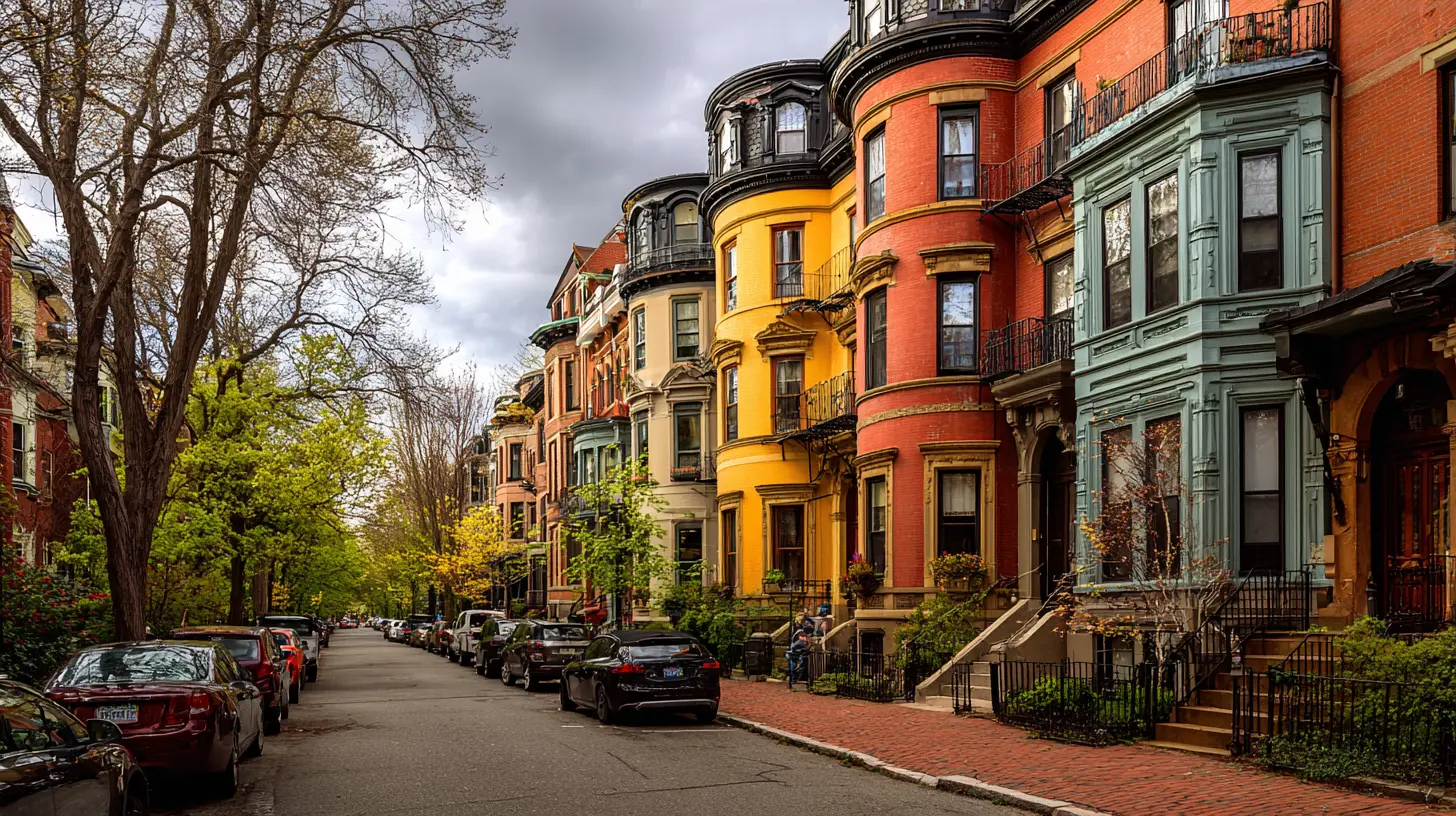
Understanding Boston's Neighborhoods
Boston is a city of neighborhoods, each with its own character and appeal. From the historic cobblestone streets of Beacon Hill to the vibrant arts scene in Jamaica Plain, knowing the distinct features of each area is crucial. Here are some of the most notable neighborhoods:- Back Bay: Known for its upscale shopping, dining, and Victorian brownstones, Back Bay is ideal for those who enjoy a more urban lifestyle.
- South End: This neighborhood is famous for its diverse community and a thriving arts scene. It's a great place for food lovers, with numerous restaurants and cafes.
- Cambridge: Home to Harvard and MIT, Cambridge offers a blend of intellectual energy and cultural diversity. It attracts students, academics, and families.
- Dorchester: One of Boston's largest neighborhoods, Dorchester offers a mix of residential options and is known for its strong community spirit.
- Allston: Popular among students and young professionals, Allston is lively and affordable, with a vibrant nightlife and music scene.
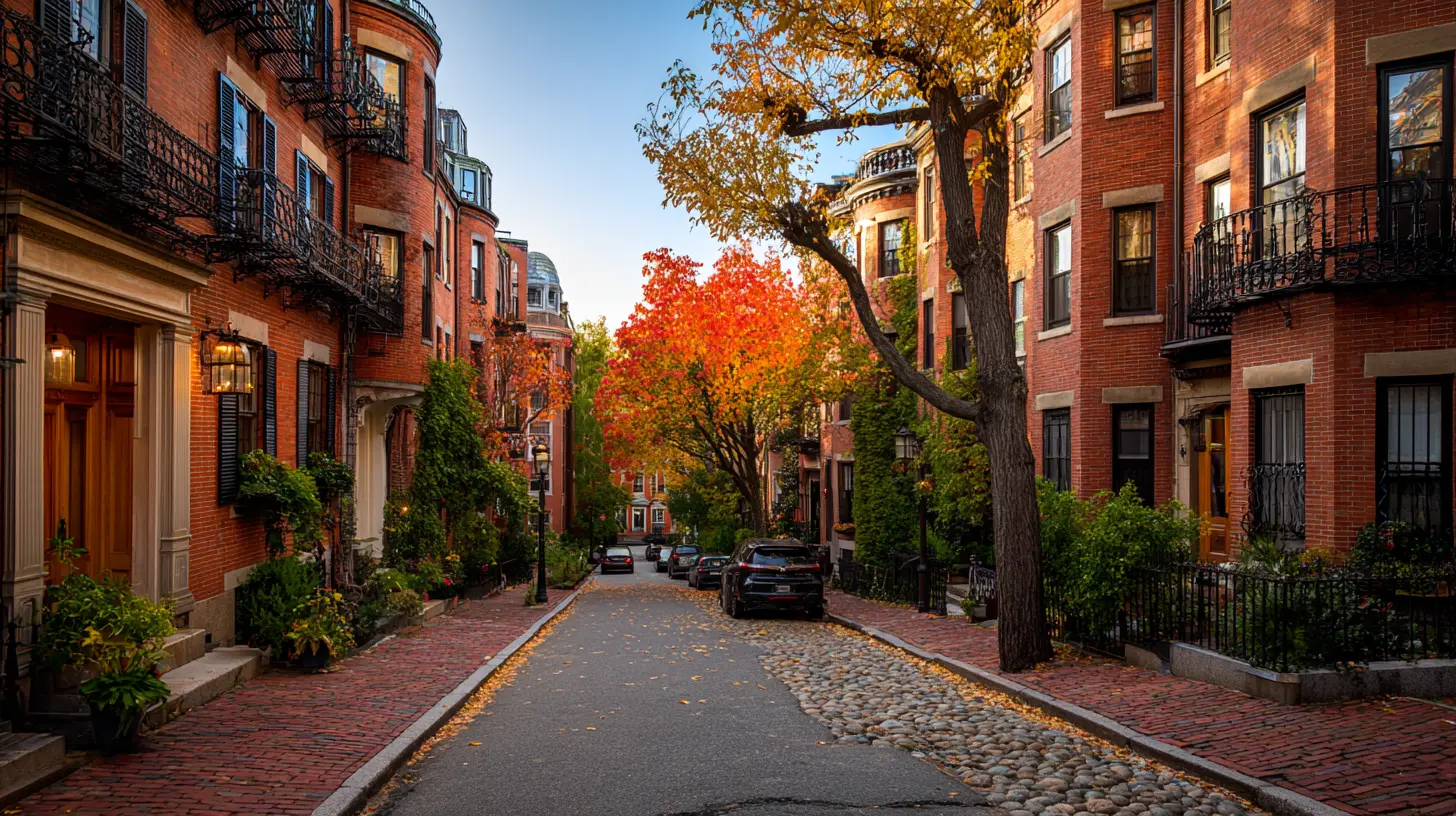
Factors to Consider When Choosing a Neighborhood
When selecting a neighborhood, consider the following factors to ensure it aligns with your lifestyle and needs.1. Lifestyle and Interests
Start by assessing your lifestyle and what you value most. Do you prefer a bustling urban environment or a quieter, suburban feel?- Urban Enthusiasts: If you thrive in a fast-paced environment with easy access to amenities, neighborhoods like Back Bay or the Waterfront may suit you best.
- Families: Areas like Jamaica Plain or Brookline offer parks, schools, and community activities, making them ideal for families.
- Students and Young Professionals: If you are in school or starting your career, consider Allston or Brighton, where you can find affordable housing and a vibrant social scene.
2. Commute and Transportation
Boston's public transportation system, the MBTA, is extensive, but commuting times can vary significantly based on where you live.- Proximity to Work: If you work in downtown Boston or Cambridge, living nearby can save you time and money. Consider neighborhoods like Beacon Hill or the North End for easy access.
- Public Transit: If you rely on public transportation, check the availability of subway lines or bus routes in potential neighborhoods. Areas near major T stops, such as Kenmore or Alewife, provide convenient access to the city.
3. Affordability
Boston's real estate market can be challenging, with prices varying widely between neighborhoods.- Budget Considerations: Determine your budget before you start looking. Areas like Dorchester and Hyde Park tend to have more affordable housing options compared to more affluent neighborhoods like Back Bay.
- Rent vs. Buy: Decide whether you want to rent or buy. Renting may be more feasible in pricier neighborhoods while buying in up-and-coming areas can be a smart investment.
4. Amenities and Services
Consider what amenities are important to you.- Shopping and Dining: If you enjoy dining out, neighborhoods like the South End and the North End are known for their restaurants and cafes.
- Parks and Recreation: For those who value outdoor activities, look for neighborhoods with parks, such as Jamaica Plain's Arnold Arboretum or the Esplanade along the Charles River.
5. Community and Safety
Understanding the community dynamics and safety of a neighborhood is essential for long-term happiness.- Community Engagement: Some neighborhoods have active community organizations and events, which can enhance your living experience. Look for areas with community centers or local events.
- Safety: Research crime rates and talk to residents about their experiences. Websites like NeighborhoodScout can provide valuable insights into safety.
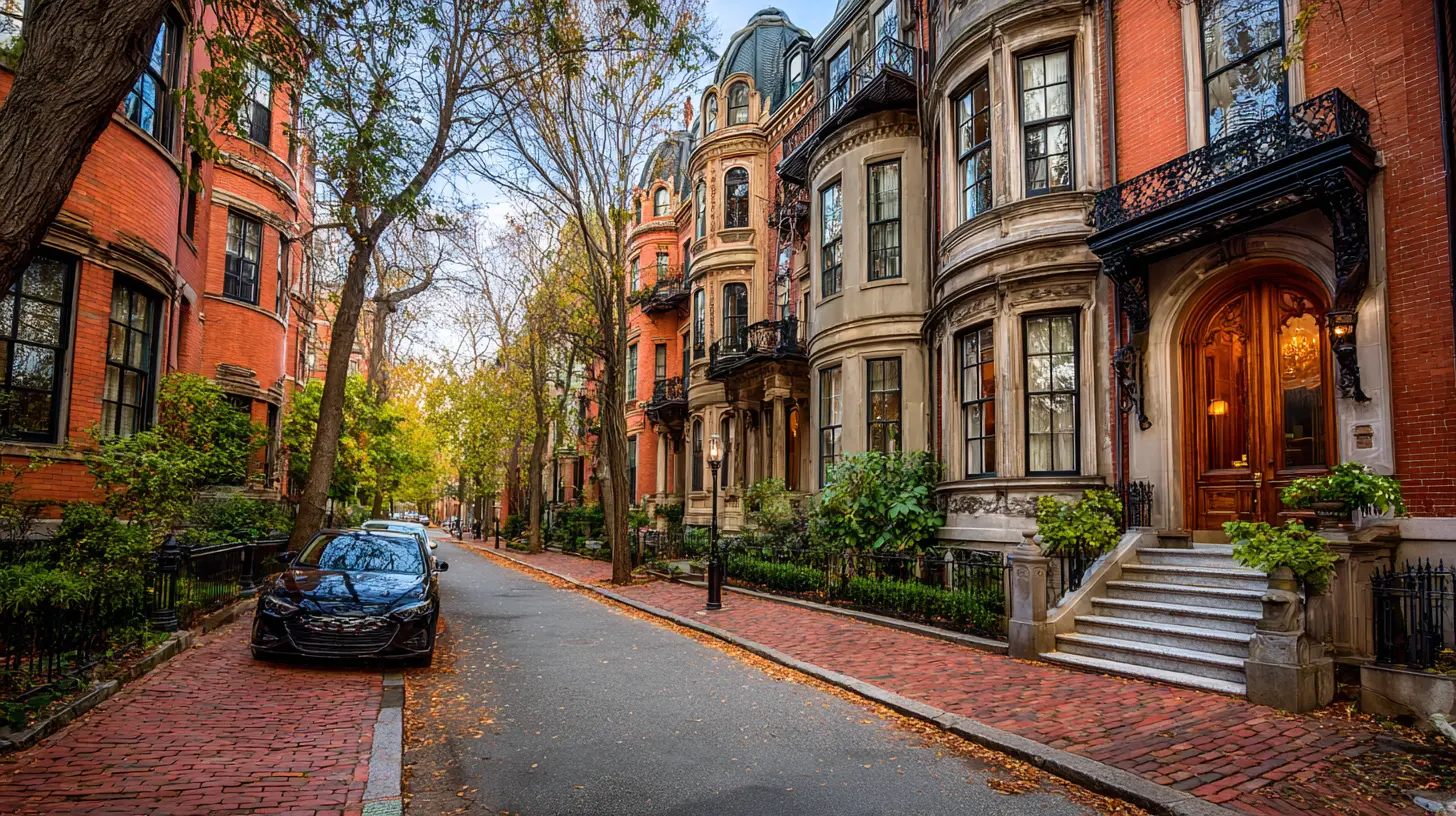
Making Comparisons
When narrowing down your options, create a comparison chart for the neighborhoods you are considering. This can include factors like rent prices, commute times, amenities, and community vibes.Example Comparison
| Neighborhood | Average Rent | Commute to Downtown | Amenities | Community Vibe ||------------------|--------------|---------------------|-------------|-----------------|
| Back Bay | High | 10 mins | Excellent | Sophisticated |
| South End | Moderate | 15 mins | Great | Artistic |
| Allston | Low | 25 mins | Moderate | Lively |
| Dorchester | Low | 30 mins | Good | Diverse |
This table can help clarify which neighborhoods align best with your priorities.
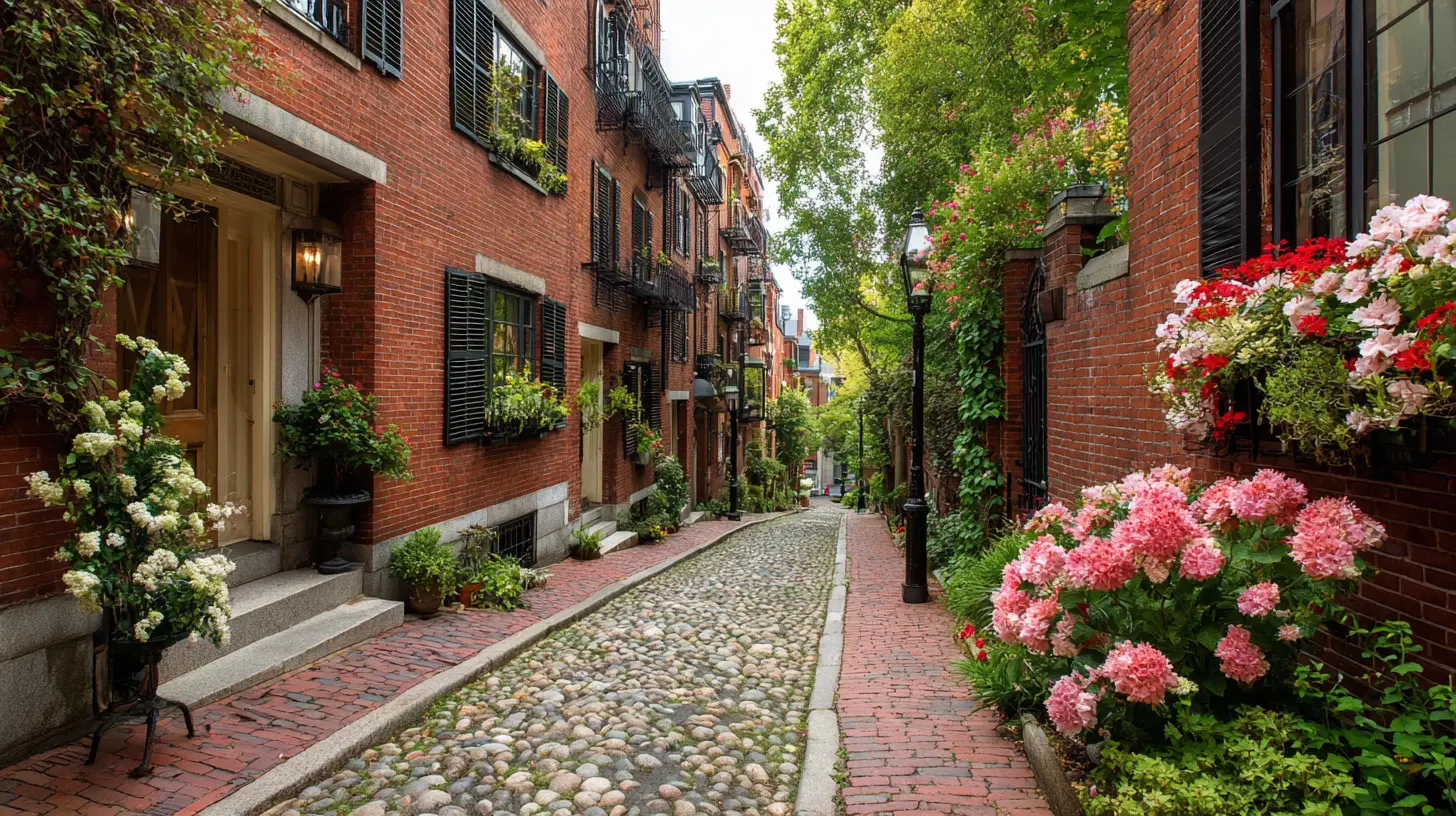
Common Mistakes to Avoid
As you embark on this journey, be mindful of common pitfalls.1. Rushing the Decision
Take your time to explore different neighborhoods. Spend time in each area at various times of the day to get a feel for the community.2. Ignoring Future Development
Research any planned developments or zoning changes in the neighborhoods you are considering. Future projects can significantly impact property values and the overall character of the area.3. Not Considering Long-Term Needs
Think about your future needs. If you plan to start a family, a neighborhood with good schools and parks will be more suitable than a nightlife-heavy area.4. Overlooking Hidden Costs
Factor in costs beyond rent or mortgage. Utilities, transportation, and local taxes can vary significantly between neighborhoods and should be included in your budget.Real-World Examples
Case Study: Young Professional in Allston
Consider a young professional named Sarah who moved to Allston. She valued affordability and a lively atmosphere. After spending a few weekends in the area, she found it to be a perfect fit. The vibrant music scene and proximity to public transit made her daily commute manageable. However, she learned that while Allston is affordable, it can get noisy on weekends due to the nightlife.Case Study: Family in Jamaica Plain
Another example is the Thompson family, who relocated to Jamaica Plain for its family-friendly environment. They appreciated the local parks and community events. However, they initially overlooked the increased commute time to downtown for work. They ultimately found a balance by adjusting their work hours to avoid peak traffic.
Best Practices for Neighborhood Selection
1. Visit Multiple Times
Spend time in your potential neighborhoods at different times of the day and week. This will give you a better understanding of the area's dynamics.2. Talk to Residents
Engage with locals to gain insights into the neighborhood. They can provide valuable information about safety, amenities, and community events that you might not find online.3. Consider Future Trends
Keep an eye on real estate trends and urban development plans. Areas undergoing revitalization can offer great opportunities for investment.4. Use Technology to Your Advantage
Leverage real estate apps and websites to track listings and neighborhood statistics. Tools like Zillow and Redfin can help you stay updated on market trends.Conclusion
Choosing the right Boston neighborhood is a personal journey that requires careful consideration of your lifestyle, needs, and preferences. By taking the time to research, visit, and compare neighborhoods, you can find a community that truly resonates with you. Remember, this decision will shape your daily life and experiences, so approach it with curiosity and an open mind.the right neighborhood will be the one that feels like home, where you can thrive and enjoy everything Boston has to offer.
all images in this post were generated using AI tools
Category:
Neighborhood GuidesAuthor:

Kingston Estes