How Earthquakes Affect Homeowners Insurance Coverage
8 December 2025
Earthquakes are unpredictable and can cause devastating damage to homes and properties. If you’re a homeowner, you might be wondering—does my homeowners insurance cover earthquake damage? The short answer is: probably not. Most standard homeowners insurance policies exclude coverage for earthquakes, leaving homeowners vulnerable if they don’t take additional precautions.
In this article, we’ll break down how earthquakes impact homeowners insurance coverage, what you can do to protect your home, and why an earthquake insurance policy might be a smart investment. 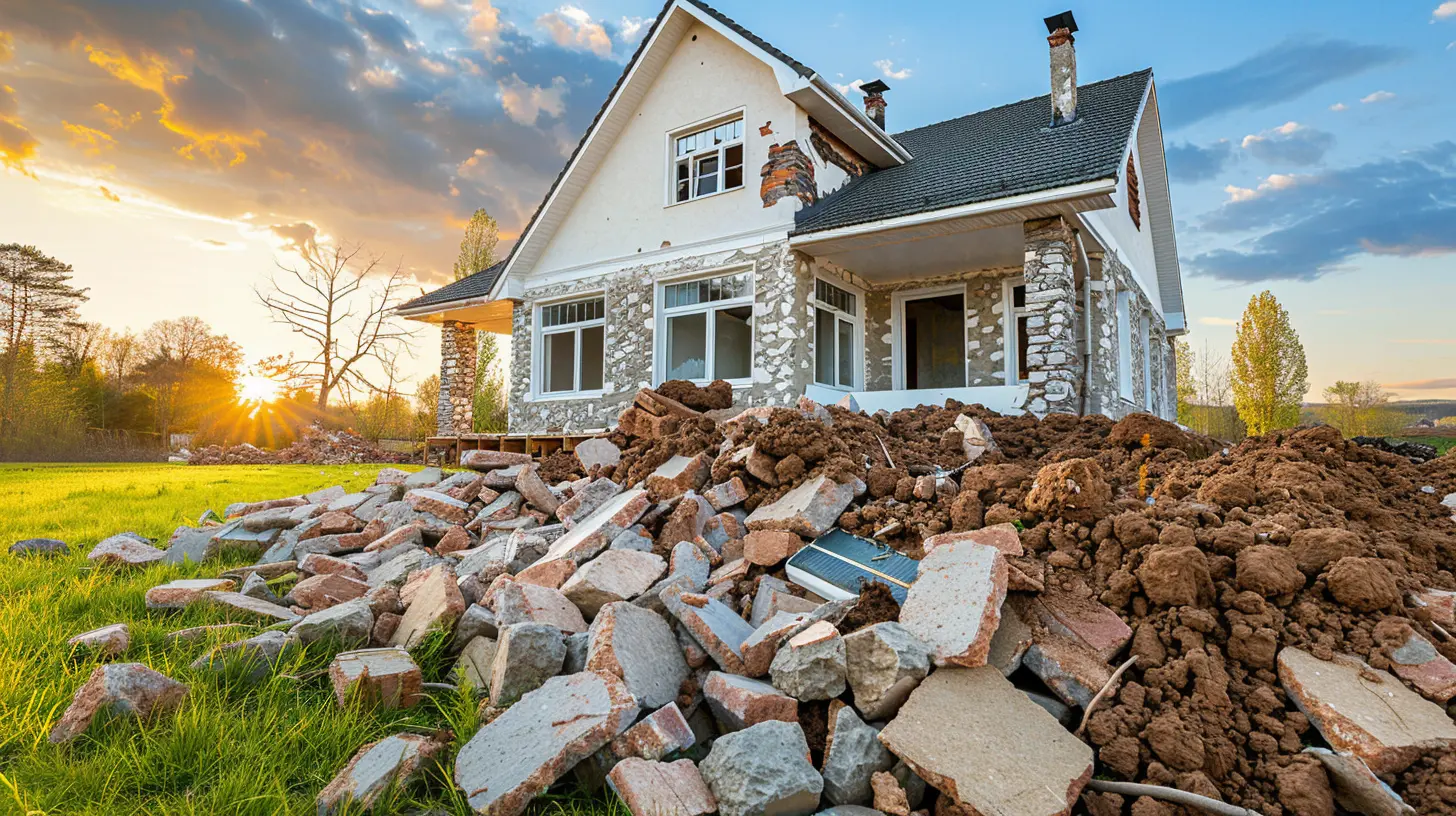
Do Standard Homeowners Insurance Policies Cover Earthquakes?
No, standard homeowners insurance policies typically do not cover earthquake damage. While they may cover certain types of disasters like fires, windstorms, and vandalism, earthquakes usually require separate coverage.However, there is a slight exception—if an earthquake triggers a fire, your standard homeowners insurance might cover the resulting fire damage but not damage caused by shaking or ground movement.
So, if you live in an earthquake-prone area, relying on a basic homeowners policy could leave you with massive repair costs. 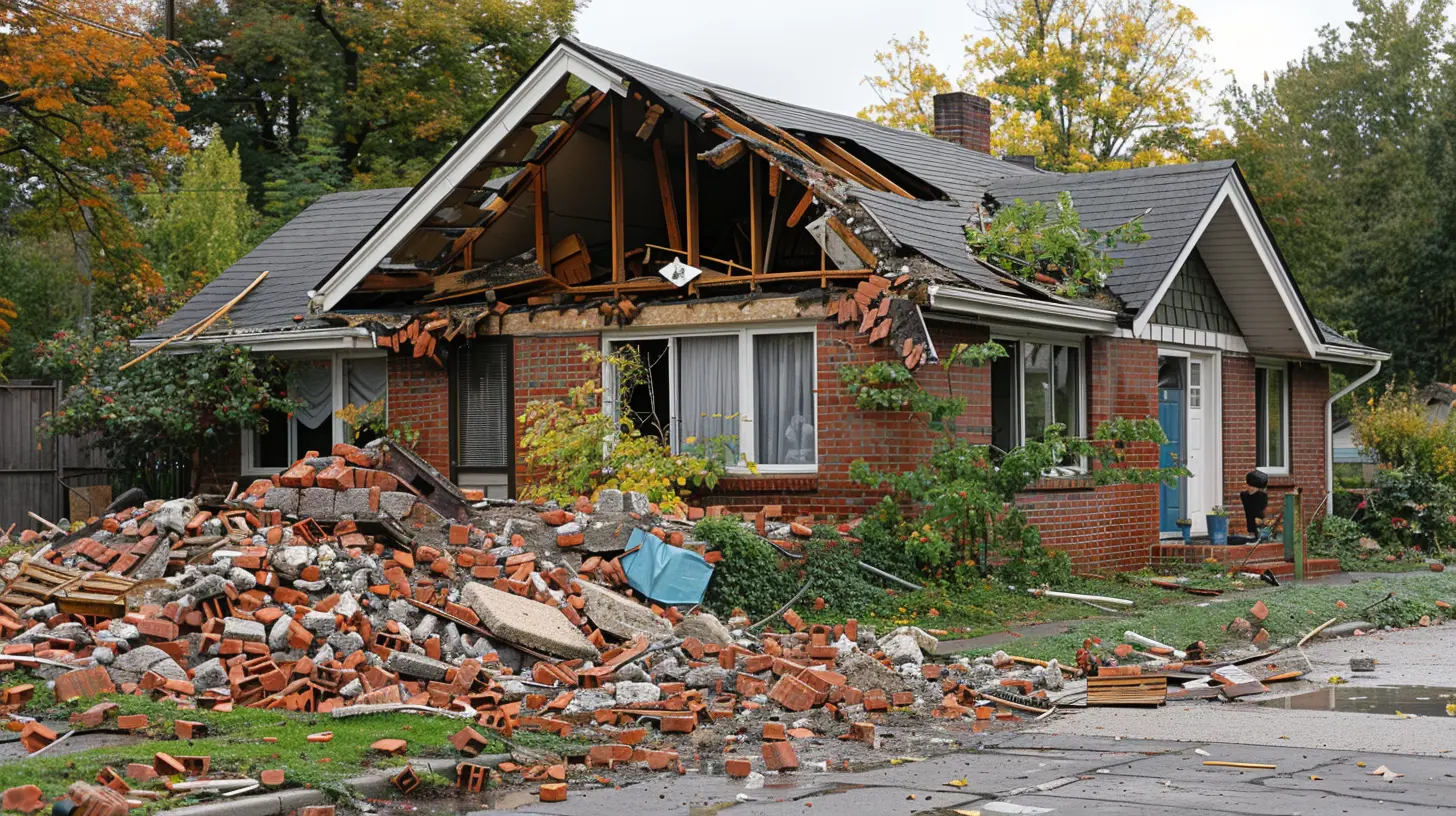
What Is Earthquake Insurance?
Earthquake insurance is an add-on policy or a separate policy that specifically covers damage caused by earthquakes. This type of insurance can help cover:- Structural damage to your home
- Damage to personal belongings
- Additional living expenses if your home is uninhabitable after an earthquake
Without earthquake insurance, you could be looking at thousands—or even hundreds of thousands—of dollars in repair costs. 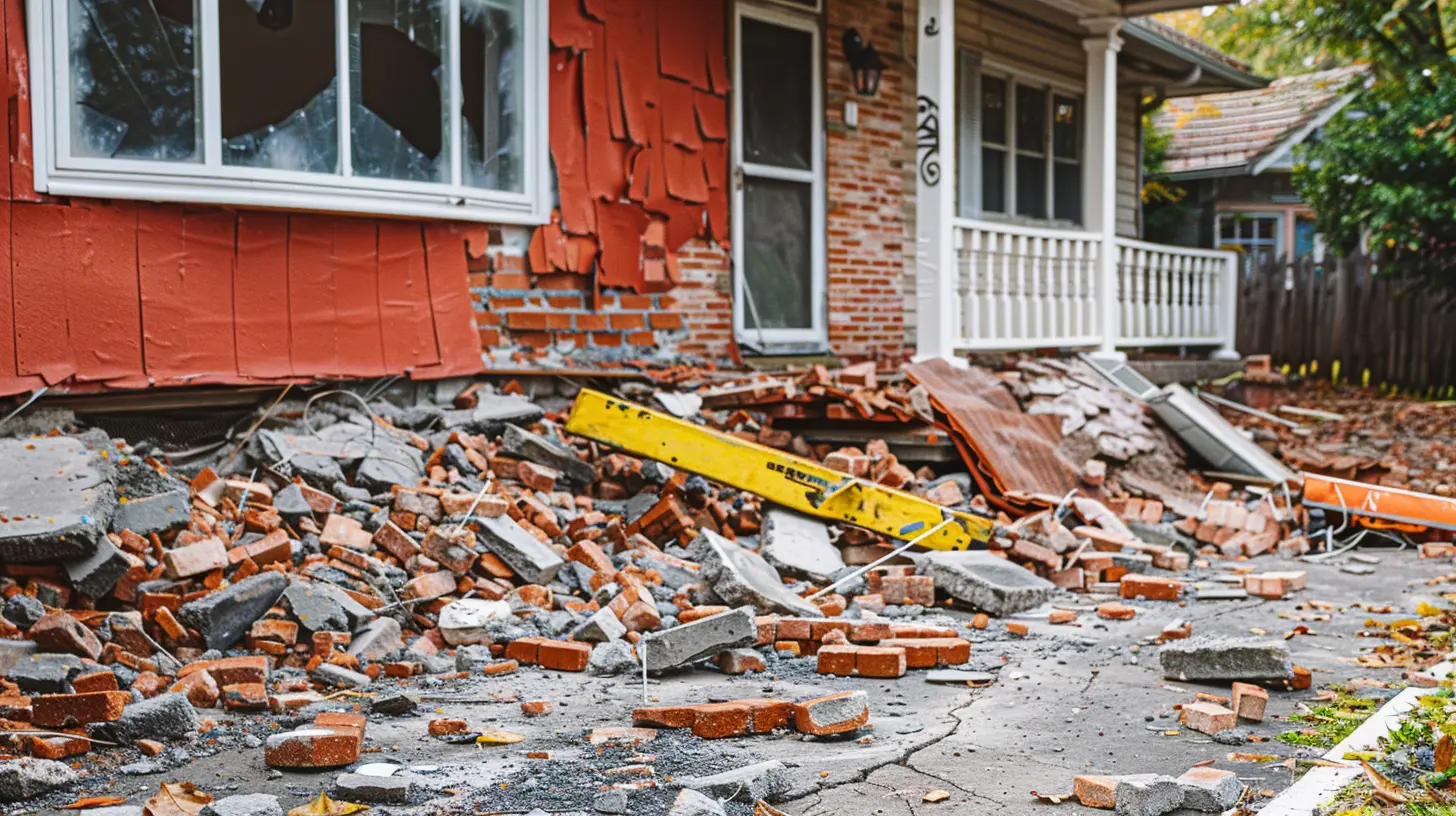
How Much Does Earthquake Insurance Cost?
The cost of earthquake insurance depends on several factors, including:- Location – If you live in an earthquake-prone area, expect to pay higher premiums. California, Oregon, Washington, and other seismic hotspots have higher rates.
- Home Construction – Older homes or those not built to earthquake-resistant standards typically cost more to insure.
- Deductible Amount – Higher deductibles lower your monthly premiums but increase out-of-pocket expenses when you file a claim.
- Coverage Limits – The more coverage you want, the higher your premium.
On average, earthquake insurance can cost anywhere from a few hundred to a few thousand dollars per year, depending on these factors. 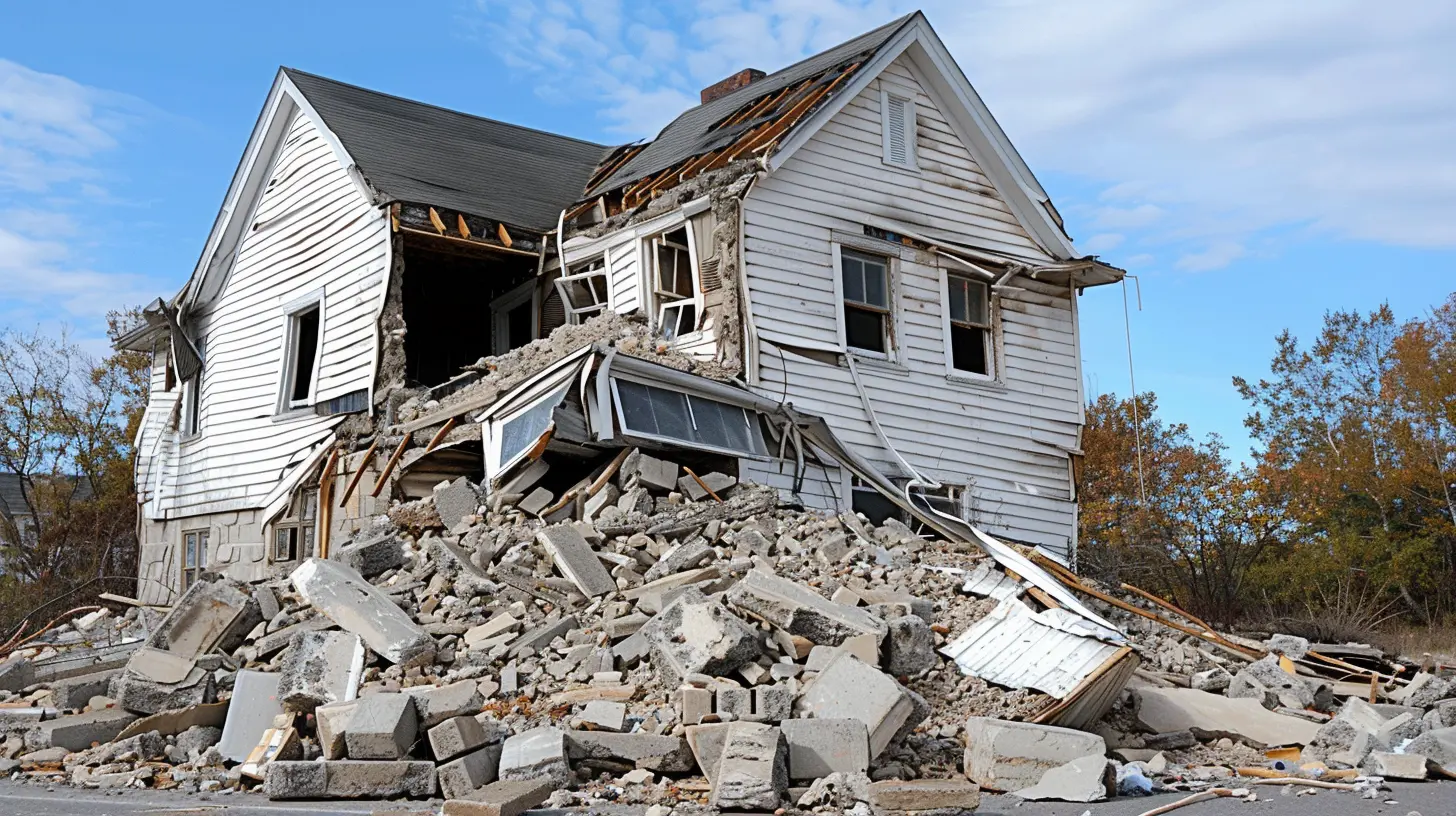
What Does Earthquake Insurance Cover?
1. Dwelling Coverage
If your home sustains structural damage due to an earthquake, dwelling coverage helps with repair or rebuilding costs.2. Personal Property Coverage
Earthquakes can damage or destroy personal belongings like furniture, electronics, and appliances. Personal property coverage helps pay for replacements.3. Loss of Use Coverage
If your home is uninhabitable after an earthquake, loss of use coverage helps with hotel stays, food, and other temporary living expenses.4. Other Structures Coverage
If you have sheds, fences, or detached garages, this coverage can help repair or replace them if they’re damaged.However, earthquake insurance does not usually cover flood damage caused by tsunamis or landslides triggered by earthquakes. For those risks, you’d need separate flood insurance.
Earthquake Coverage Deductibles Explained
Unlike standard homeowners insurance, earthquake insurance policies have high deductibles—often 10% to 25% of the home’s insured value.For example, if your home is insured for $500,000 and your earthquake insurance has a 15% deductible, you’d have to cover the first $75,000 of earthquake-related damage before your insurance kicks in.
This high deductible can seem overwhelming, but it’s better than having to pay for all repairs out of pocket.
Do You Need Earthquake Insurance?
Not everyone needs earthquake insurance, but if any of the following apply to you, it’s worth considering:- You live in an earthquake-prone area – If you’re in California, Washington, or near fault lines, earthquake risk is high.
- You can’t afford to rebuild your home out of pocket – Earthquake repair costs can be financially crippling without insurance.
- Your home is older or made of brick – Older homes and brick structures are more vulnerable to earthquake damage.
- Your mortgage requires it – Some lenders in high-risk areas may require earthquake insurance.
How to Lower Earthquake Insurance Costs
If earthquake insurance seems expensive, here are a few ways to reduce costs:- Increase Your Deductible – A higher deductible leads to lower monthly premiums.
- Strengthen Your Home – Retrofitting your home with earthquake-resistant features can lower your insurance rates.
- Shop Around – Compare quotes from different insurers to find the best deal.
- Bundle Policies – Some insurers offer discounts if you bundle earthquake insurance with homeowners or auto insurance.
What Happens If You Don’t Have Earthquake Insurance?
If you don’t have earthquake insurance and your home is damaged in a quake, you’ll be responsible for all repair costs. FEMA and disaster relief programs may offer some assistance, but government aid is often limited and won’t cover major rebuilding expenses.Without coverage, you could face financial hardship—or worse, be forced to leave your home if repair costs are too high.
Final Thoughts
Earthquakes can strike without warning, leaving homeowners with massive repair bills. Standard homeowners insurance won’t cover earthquake damage, which is why earthquake insurance is an essential consideration—especially if you live in a high-risk area.While earthquake insurance comes with high deductibles, it can be a financial lifesaver when disaster strikes. Weigh the risks, consider your location, and decide whether purchasing an earthquake policy is a smart move for you and your family.
all images in this post were generated using AI tools
Category:
Homeowners InsuranceAuthor:

Kingston Estes
Discussion
rate this article
2 comments
Grey Torres
Understanding how earthquakes impact homeowners insurance is crucial for property owners. Many policies do not cover earthquake damage, requiring separate earthquake insurance for adequate protection. Homeowners should review their policies and consider additional coverage to safeguard their investments.
December 18, 2025 at 5:08 AM
Kingston Estes
Absolutely! Homeowners must carefully review their insurance policies, as most standard policies exclude earthquake damage. Considering additional earthquake insurance is vital for proper protection.
Kyle McClellan
Ah, yes! Nothing says "home sweet home" quite like shopping for insurance after a little shaking, right?
December 10, 2025 at 4:01 AM
Kingston Estes
Absolutely! Earthquakes can significantly impact homeowners insurance, making it crucial to understand your coverage options.