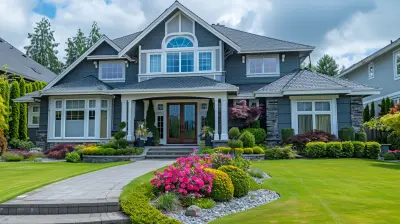
From Mansions to Cottages: Diverse Options in the World of Historic Real Estate
21 May 2026
Historic homes have a charm that modern houses often lack. They tell stories of the past, showcase incredible craftsmanship, and offer a unique living experience. Whether it's a grand mansion with intricate details or a cozy cottage with a vintage feel, historic real estate offers something for every homebuyer.
But what makes these homes so special? Why do people gravitate toward properties that have stood the test of time? Let's dive into the world of historic real estate and explore the many options available—from sprawling estates to quaint country cottages. 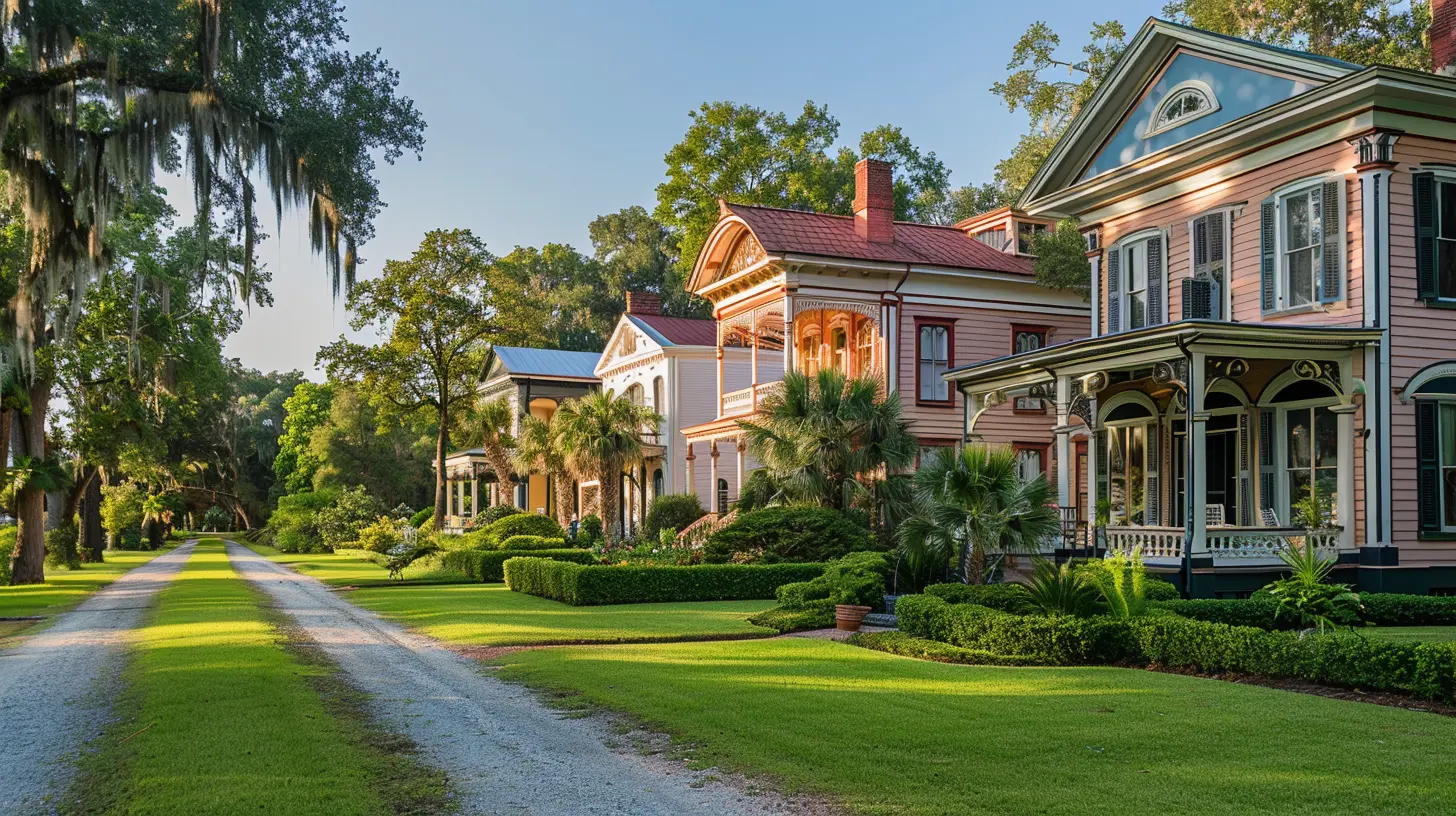
The Allure of Historic Homes
Owning a historic property isn't just about walls and a roof—it's about owning a piece of history. These homes represent different periods, architectural styles, and cultural influences that shaped communities over centuries.Some historic homes have witnessed momentous events, housed famous individuals, or played a significant role in their town’s history. With high ceilings, detailed woodwork, and vintage charm, they offer a living experience that modern builds simply can’t replicate.
Sure, they might come with their quirks—creaky floors, drafty windows, and the occasional odd layout. But for many homeowners, those quirks add to the character and authenticity of these properties. 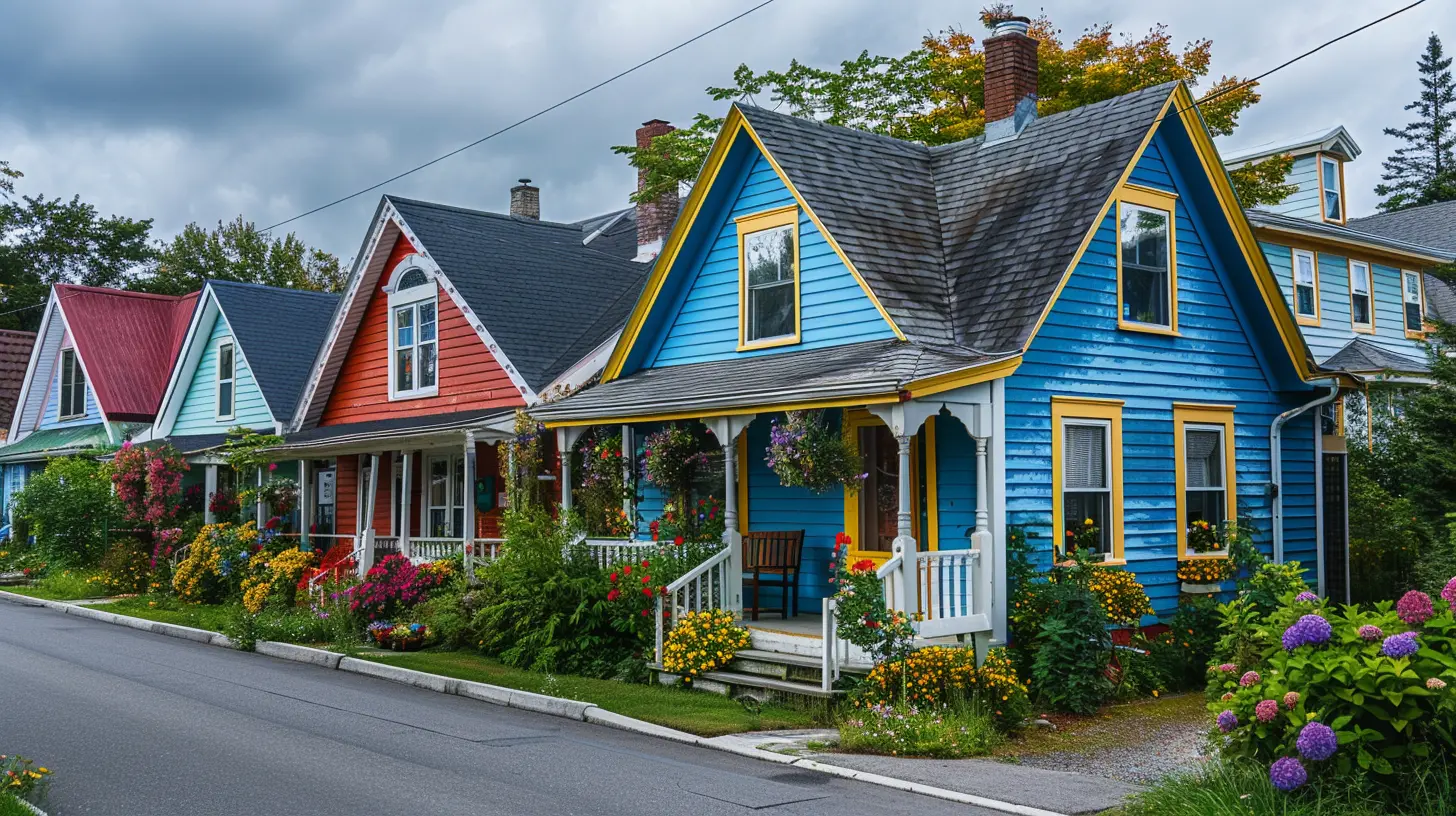
Types of Historic Properties
Historic real estate isn't one-size-fits-all. There’s a wide range of properties out there, each with its own unique appeal. Here are some of the most sought-after types of historic homes:1. Grand Mansions: Luxury from a Bygone Era
Mansions are the crown jewels of historic real estate. These sprawling estates were often built by wealthy industrialists, politicians, or aristocrats, showcasing luxury and opulence at every turn.What to Expect in a Historic Mansion:
- Massive square footage with multiple levels- Ornate architectural details (think carved moldings, stained glass, and chandeliers)
- Expansive gardens, courtyards, or even private parks
- Hidden passageways or secret rooms (yes, really!)
- Former servant quarters, now repurposed into guest suites or offices
Owning a historic mansion is like stepping into a period drama. However, with great size comes great responsibility—maintenance costs can be high, and restoration work requires deep pockets.
2. Victorian Homes: Whimsical and Elegant
Victorian homes, built primarily during the late 19th and early 20th centuries, are full of personality. With their intricate woodwork, colorful facades, and asymmetrical designs, they stand out in any neighborhood.Key Features of Victorian Homes:
- Tall, narrow structures with steeply pitched roofs- Decorative trim (often called "gingerbread" detailing)
- Towers, turrets, and wraparound porches
- Stained glass windows and elaborate wallpaper
These homes are perfect for those who love vintage aesthetics and don’t mind the upkeep of delicate historical details.
3. Colonial Homes: Timeless and Traditional
If you're a fan of symmetry and classic design, colonial-style homes might be your cup of tea. These homes date back to the early days of American history, built with practicality and durability in mind.Defining Traits of Colonial Homes:
- Rectangular shape with a simple, balanced facade- Central front door leading to a symmetrical layout inside
- Brick or wood exteriors, often painted in neutral colors
- Multi-paned windows with shutters
Colonial homes are some of the most structurally sound historic homes. While they may lack the extravagant details of Victorian or Gothic homes, their sturdy construction and classic appeal make them a favorite among buyers.
4. Tudor Homes: A Fairytale Come to Life
Tudor-style homes bring a bit of Old England to American neighborhoods. With steep roofs, exposed wooden beams, and charming brickwork, these homes look like something straight out of a storybook.Tudor Home Characteristics:
- Half-timbered exteriors with stone or brick accents- Steeply pitched gable roofs
- Ornate chimneys and arched entryways
- Leaded glass windows
These homes are perfect for those who appreciate European-inspired architecture and want a historic home with lasting charm.
5. Cottages: Cozy and Full of Character
Not all historic homes are grand or elaborate. Some are small, inviting, and full of rustic charm. Historic cottages, often built in the early 1900s, evoke a sense of warmth and simplicity.What Makes a Historic Cottage Special?
- Small, efficient floor plans with cozy interiors- Wood or stone exteriors with charming shutters
- Quaint front porches and flower-filled gardens
- Fireplaces as the heart of the home
Cottages are perfect for those looking to downsize or enjoy a slower pace of life while still benefiting from historic charm. 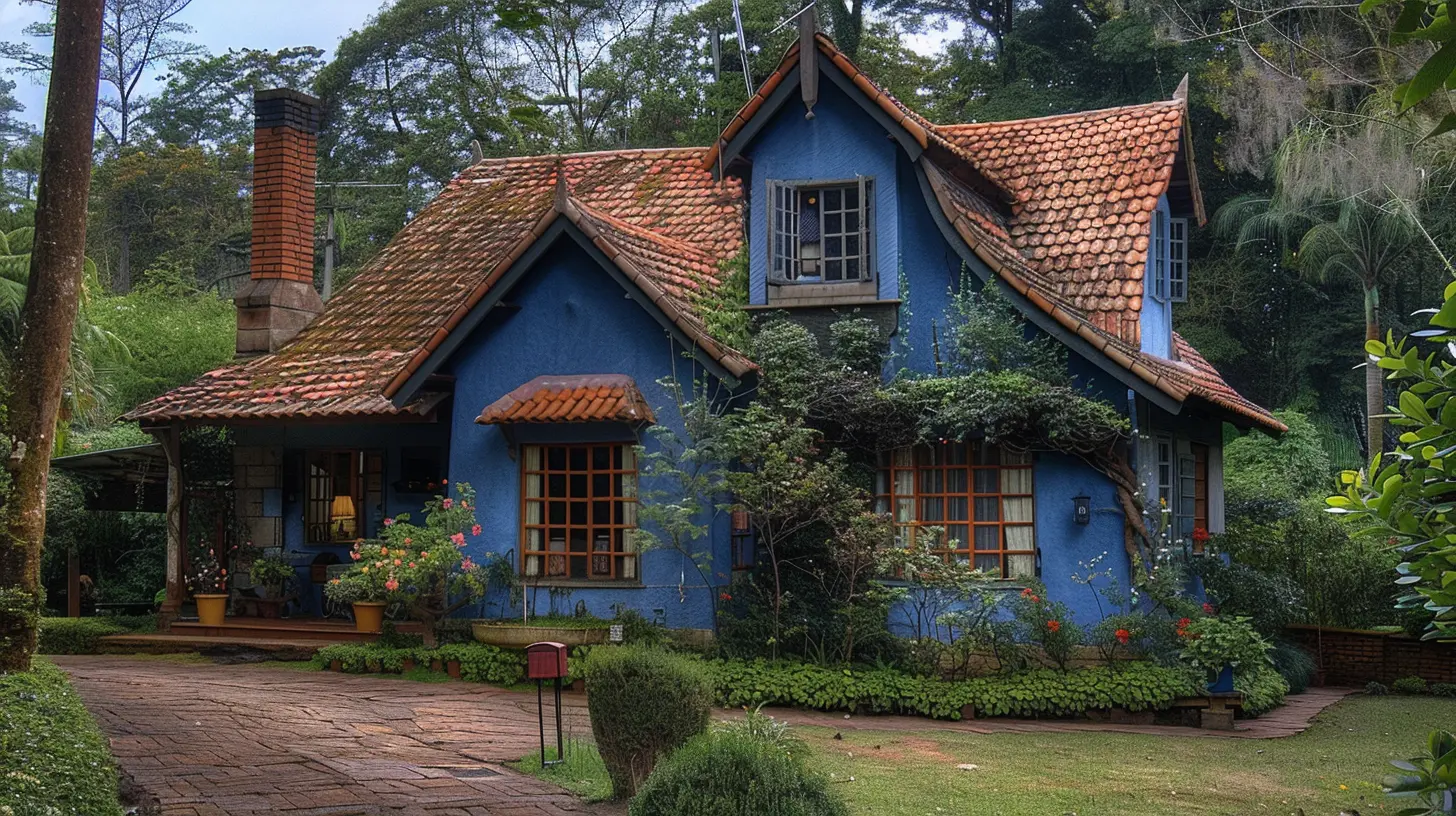
The Pros and Cons of Buying a Historic Home
Owning a historic home is a dream for many, but it’s not without its challenges. Let’s break down the advantages and potential drawbacks.Pros:
✅ Unmatched Character: No cookie-cutter designs here—each home is unique.✅ Quality Craftsmanship: Many historic homes were built with materials and techniques that are hard to find today.
✅ Financial Incentives: Some states offer tax breaks or grants for historic home renovations.
✅ Sense of History: Owning a historic home connects you with the past in a meaningful way.
Cons:
❌ Maintenance Costs: Older homes often need extensive upkeep.❌ Strict Regulations: If your home is in a historic district, renovations may require approval from preservation boards.
❌ Potential Hidden Issues: Outdated wiring, plumbing, or structural concerns can add unexpected costs.
❌ Energy Efficiency Concerns: Older homes weren’t built with modern insulation, so heating and cooling costs can be higher.
Despite the challenges, many homeowners find that the charm and uniqueness of historic homes far outweigh the downsides. 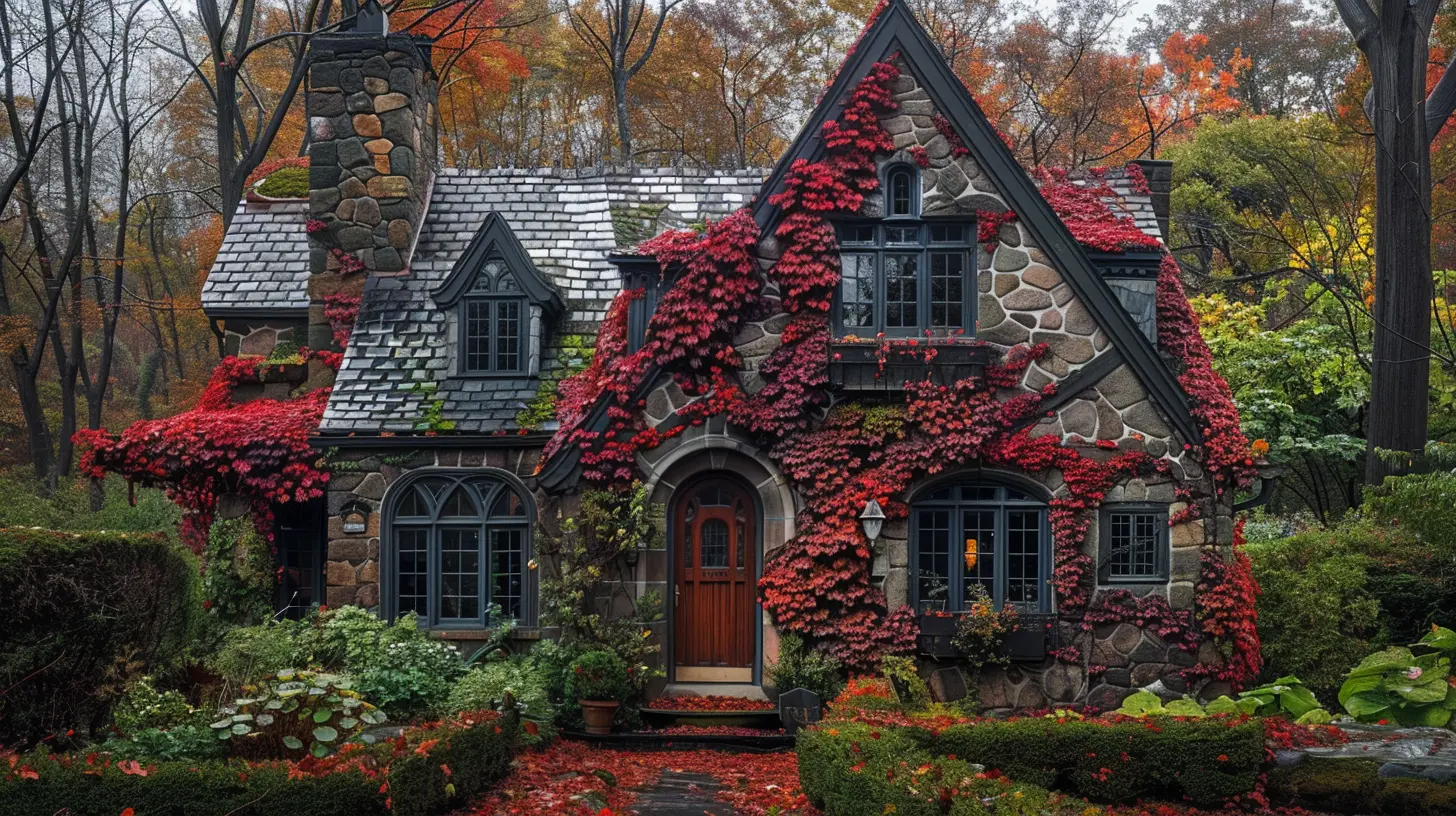
Tips for Buying a Historic Home
If you're considering purchasing a historic property, here are some key things to keep in mind:✔ Get a Specialized Inspection: A standard home inspection may not catch all the quirks of an old home, so hire an inspector with experience in historic properties.
✔ Understand Local Regulations: Some areas have strict guidelines on what can and cannot be changed in a historic home.
✔ Budget for Repairs and Renovations: Even well-maintained homes will need updates over time.
✔ Look into Financing Options: Some lenders offer special loans for historic home restorations.
✔ Embrace the Imperfections: A slightly uneven floor or a creaky staircase isn’t a flaw—it’s character!
Conclusion
From grand mansions to charming cottages, the world of historic real estate offers something for every type of buyer. These homes aren’t just places to live—they’re living pieces of history, full of charm, craftsmanship, and stories waiting to be continued.Sure, they might require a little more love and care than a modern house, but for those who appreciate the beauty of the past, owning a historic home is an incredibly rewarding experience.
So, if you’re on the hunt for a home with soul, why not consider stepping into history?
all images in this post were generated using AI tools
Category:
Historic HomesAuthor:

Kingston Estes
Discussion
rate this article
1 comments
Madison Nguyen
This article highlights the beauty of historic real estate, showing how diverse options can cater to different tastes. Whether you dream of a grand mansion or a cozy cottage, there is something special about the charm and stories these properties hold. Great read!
May 26, 2026 at 4:47 AM
Kingston Estes
Thank you for your thoughtful comment! I'm glad you enjoyed the article and appreciate the charm of historic properties.