From Historic to Hip: Neighborhoods Blending Past and Present
16 November 2026
The urban fabric of cities across the globe is woven from threads of history, culture, and modern innovation. Neighborhoods that blend historic charm with contemporary flair have become highly sought after, appealing to a diverse range of residents from millennials to families and retirees. This article will delve into how these neighborhoods develop, what makes them desirable, and how potential buyers or renters can navigate the unique aspects of living in such vibrant areas.
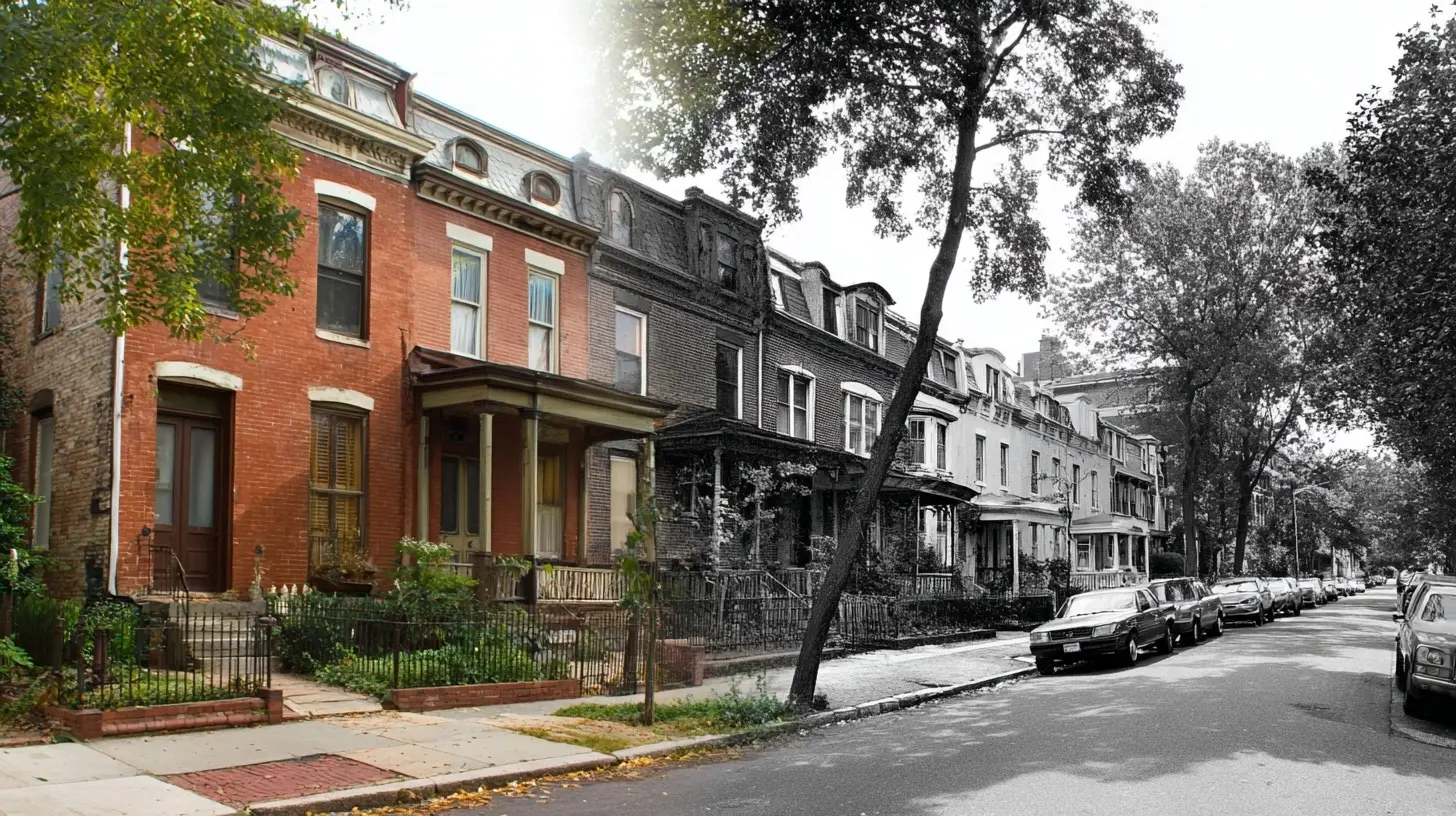
The Allure of Historic Neighborhoods
Why Historic Neighborhoods Attract Residents
Historically rich neighborhoods carry a narrative. They offer stories embedded in architecture, streetscapes, and community traditions. Residents are often drawn to the unique character of older buildings, the sense of community, and the opportunity to be part of a legacy. historic areas tend to have established amenities like parks, schools, and local businesses, enhancing their appeal.Preservation vs. Development
One of the ongoing debates in real estate is the balance between preservation and development. Preservationists advocate for maintaining the historical integrity of neighborhoods, while developers often seek to modernize and optimize land use. This tension can lead to innovative solutions, such as adaptive reuse of buildings, where old structures are repurposed for new uses. For example, an old factory might be transformed into lofts or creative office spaces, allowing neighborhoods to retain their historical essence while meeting contemporary needs.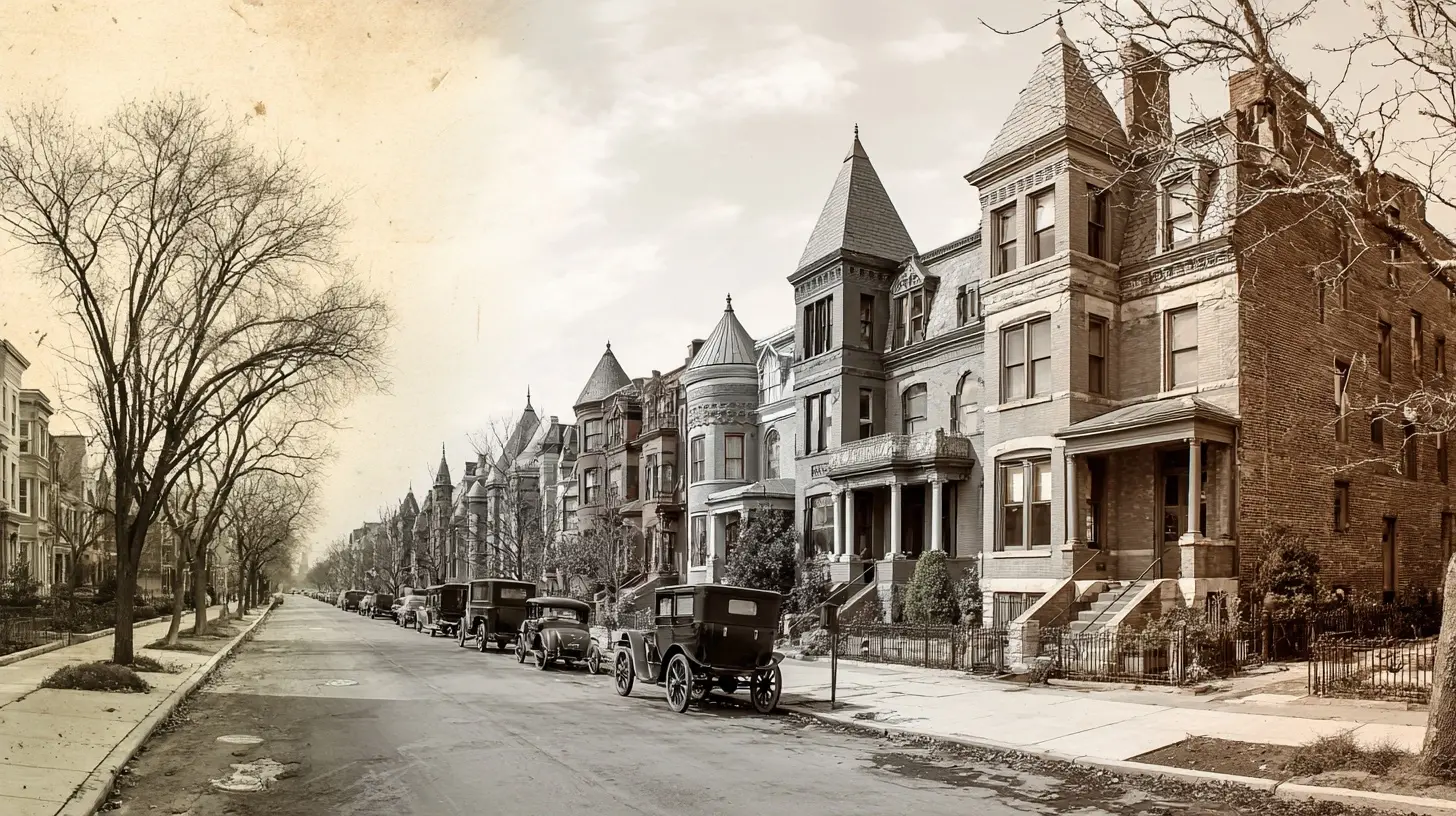
The Rise of Hip Neighborhoods
Defining "Hip"
A "hip" neighborhood typically embodies a trendy vibe, often characterized by art, culture, and a youthful energy. These areas frequently feature a mix of local businesses, craft breweries, and art galleries, creating a dynamic environment. The rise of social media has amplified the visibility of these neighborhoods, drawing attention to their unique offerings and lifestyle.Gentrification and Its Impacts
While gentrification often revitalizes areas, it also raises concerns about displacement and affordability. As demand increases, property values can soar, making it difficult for long-term residents to stay. This complex situation calls for careful consideration by stakeholders, including city planners, developers, and community members. Sustainable development that prioritizes inclusivity can help mitigate some negative impacts of gentrification.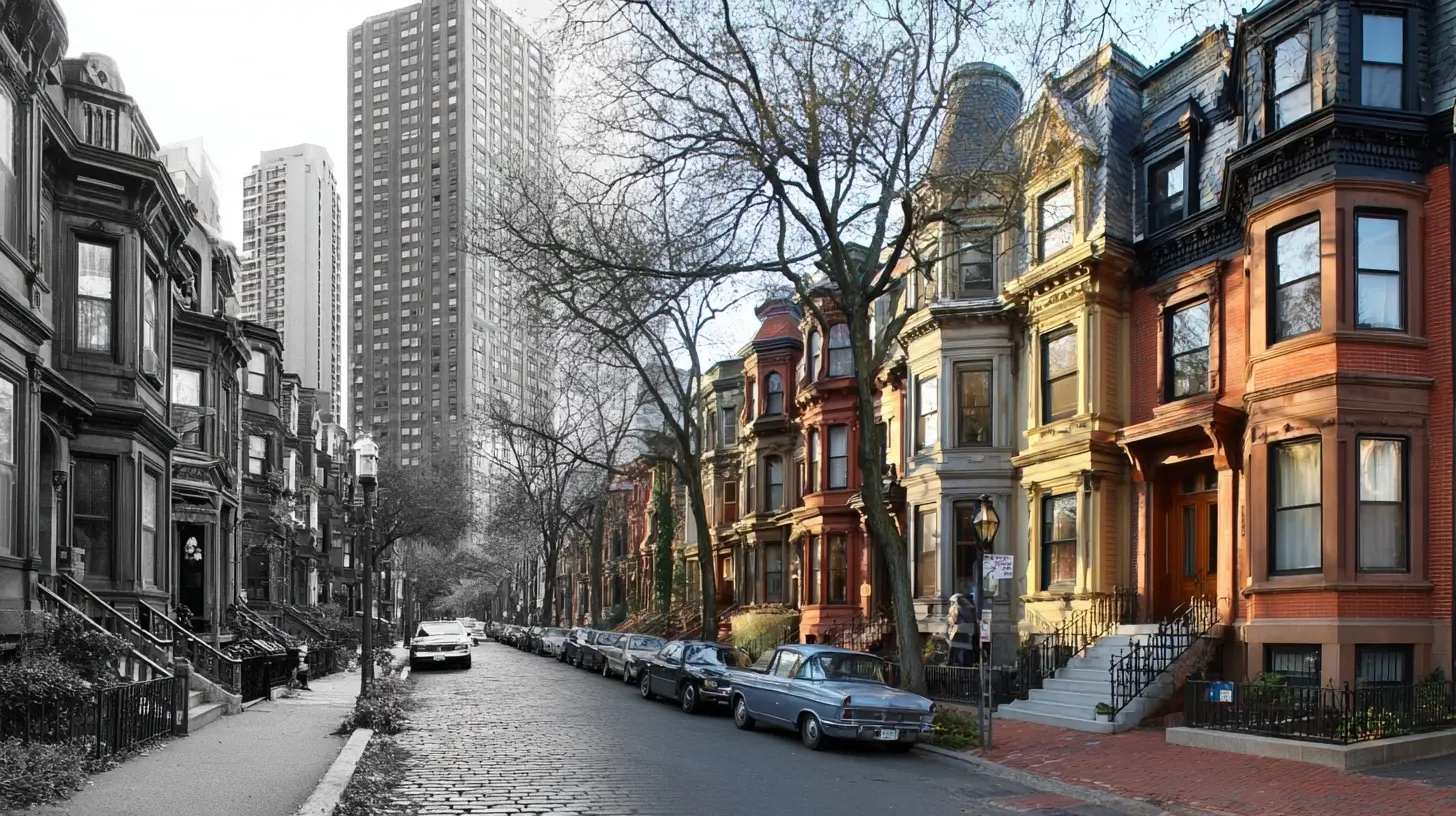
Blending the Old with the New
Architectural Harmony
One of the most appealing features of neighborhoods that blend historic and modern elements is their architectural diversity. New constructions can complement historic buildings through thoughtful design choices that respect the area's character. For instance, a modern condo might incorporate materials or design motifs that echo the neighborhood's historical architecture, fostering a sense of continuity.Community Engagement
Successful neighborhoods often prioritize community engagement in their development processes. Town hall meetings, public forums, and workshops can provide platforms for residents to voice their opinions on proposed changes. When residents feel heard, they are more likely to embrace new developments, leading to a harmonious blend of the old and the new.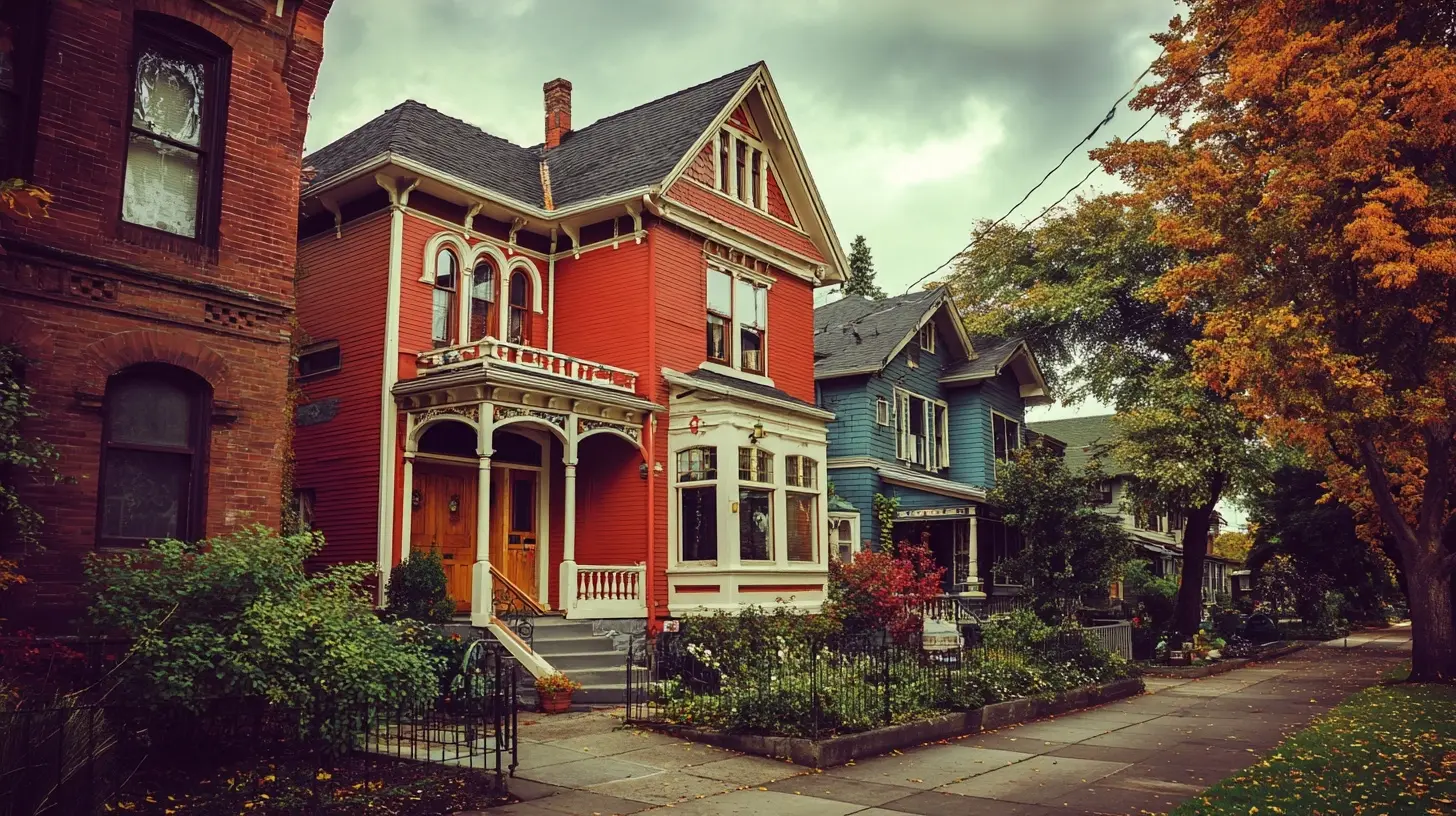
Practical Considerations for Buyers and Renters
Researching Neighborhood History
Before making a decision, it's essential for potential buyers or renters to research the neighborhood's history. Understanding the socio-economic background, previous developments, and community dynamics can provide valuable context. Websites, local historical societies, and library archives can be excellent resources for this research.Evaluating Property Values
Investing in a historic or hip neighborhood can be lucrative, but it also comes with risks. Buyers should consider factors that influence property values, such as location, amenities, and future development plans. Engaging a local real estate expert can provide insights into market trends and help assess whether a property is fairly priced.The Importance of Inspections
Historic properties may come with unique challenges, such as outdated plumbing or electrical systems. A thorough inspection can identify potential issues that could lead to costly repairs down the line. Buyers should prioritize inspections and consider the implications of any necessary renovations when budgeting for a new home.Real-World Examples of Successful Blends
The Revival of Brooklyn's Williamsburg
Williamsburg, Brooklyn, is a prime example of a neighborhood that has successfully blended historic and modern elements. Once an industrial hub, it has transformed into a vibrant enclave filled with art galleries, music venues, and trendy restaurants. The preservation of industrial architecture alongside new developments has created a dynamic environment that appeals to both young professionals and families.San Francisco's Mission District
The Mission District showcases a rich cultural heritage and has become a hotbed for tech professionals and creatives alike. While it has seen significant development, community efforts to preserve murals, local businesses, and cultural events help maintain its unique character. The mix of historic buildings and modern amenities has made it one of San Francisco's most desirable neighborhoods.
Common Mistakes to Avoid
Overlooking Community Culture
When moving to a new neighborhood, it's easy to focus solely on property features without considering the surrounding culture. Before committing, spend time in the area at different times of the day to gauge the vibe. Are there community events? Is the neighborhood quiet or bustling? Understanding the culture can help avoid buyer's remorse.Ignoring Long-Term Trends
Real estate markets can fluctuate, and neighborhoods that are currently hip may not remain so indefinitely. It's crucial to look beyond the current trends and consider long-term viability. Research past neighborhood changes and consult experts on what factors could influence future development.Neglecting Local Regulations
Many historic neighborhoods come with specific preservation rules and regulations. Buyers must familiarize themselves with guidelines that may affect renovations or even everyday property use. Failure to comply with local ordinances can lead to fines or restrictions that impact property enjoyment.Best Practices for Navigating Historic and Hip Neighborhoods
Engage with the Community
Building relationships with neighbors can enhance your living experience. Attend local events, join neighborhood associations, or participate in community service projects. Engaging with the community fosters a sense of belonging and can lead to friendships and valuable local insights.Support Local Businesses
In neighborhoods that blend the historic with the modern, local businesses play a crucial role in maintaining the area's identity. Supporting these establishments not only helps the economy but also enriches your own experience. From local cafes to artisan shops, these businesses contribute to the unique character of the neighborhood.Stay Informed About Developments
Changes in zoning laws and new development proposals can significantly impact property values and community dynamics. Staying informed through local news outlets or community boards allows residents to voice their opinions and engage in critical discussions about the future of their neighborhoods.
Conclusion: Embracing the Blend
Neighborhoods that successfully merge historic charm with modern trends offer a unique living experience. They encapsulate a sense of place while adapting to contemporary needs. For buyers and renters, understanding the complexities of these neighborhoods is vital for making informed decisions.By respecting the past while embracing the future, residents can thrive in environments that celebrate history, community, and innovation. Whether you are looking to buy, rent, or simply enjoy the vibrancy of these areas, being mindful of the nuances will enhance your experience in the neighborhood you choose to call home.
all images in this post were generated using AI tools
Category:
Neighborhood GuidesAuthor:

Kingston Estes

