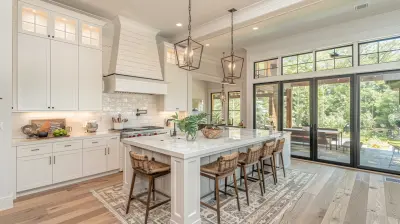
From Fixer-Upper to Dream Home: A Journey Through Historic Home Restoration
7 August 2026
Have you ever walked past an old, neglected house and thought, “Wow, that place could be stunning if someone just gave it some love”? Well, buckle up because restoring a historic home is like stepping into a time machine with a hammer and a vision. It’s not for the faint of heart, but if done right, it can be one of the most satisfying (and financially rewarding) adventures you’ll ever take on.
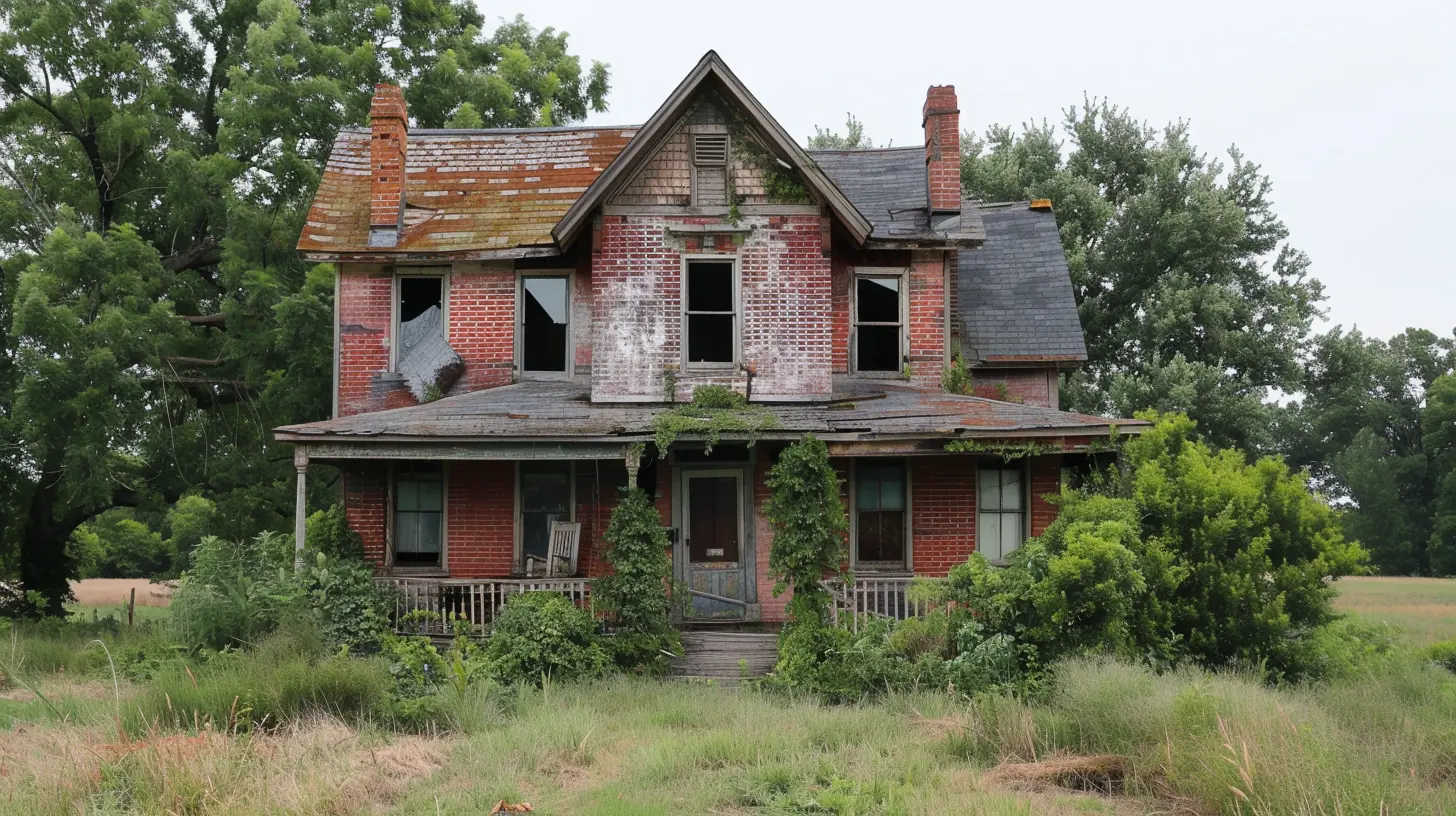
Why Choose a Historic Home?
Character You Can’t Fake
Let’s be real—new homes have their perks. They’re efficient, modern, and don’t come with the funky smells of yesteryear. But what they lack is soul. Historic homes have charm, quirks, and stories embedded in their walls. You can’t just buy that kind of authenticity at your local hardware store.Built to Last
A lot of older homes were made with materials that put modern-day construction to shame. Think solid wood, hand-crafted details, and ornate moldings. Sure, some things might need an update, but the bones of the house? Rock solid.Potential for Increased Value
Restoring a historic home isn’t just a passion project; it’s an investment. If you do it right, you’re not just improving your home—you’re preserving history. Buyers love character homes, and if yours has been well-restored, it could command top dollar in the future.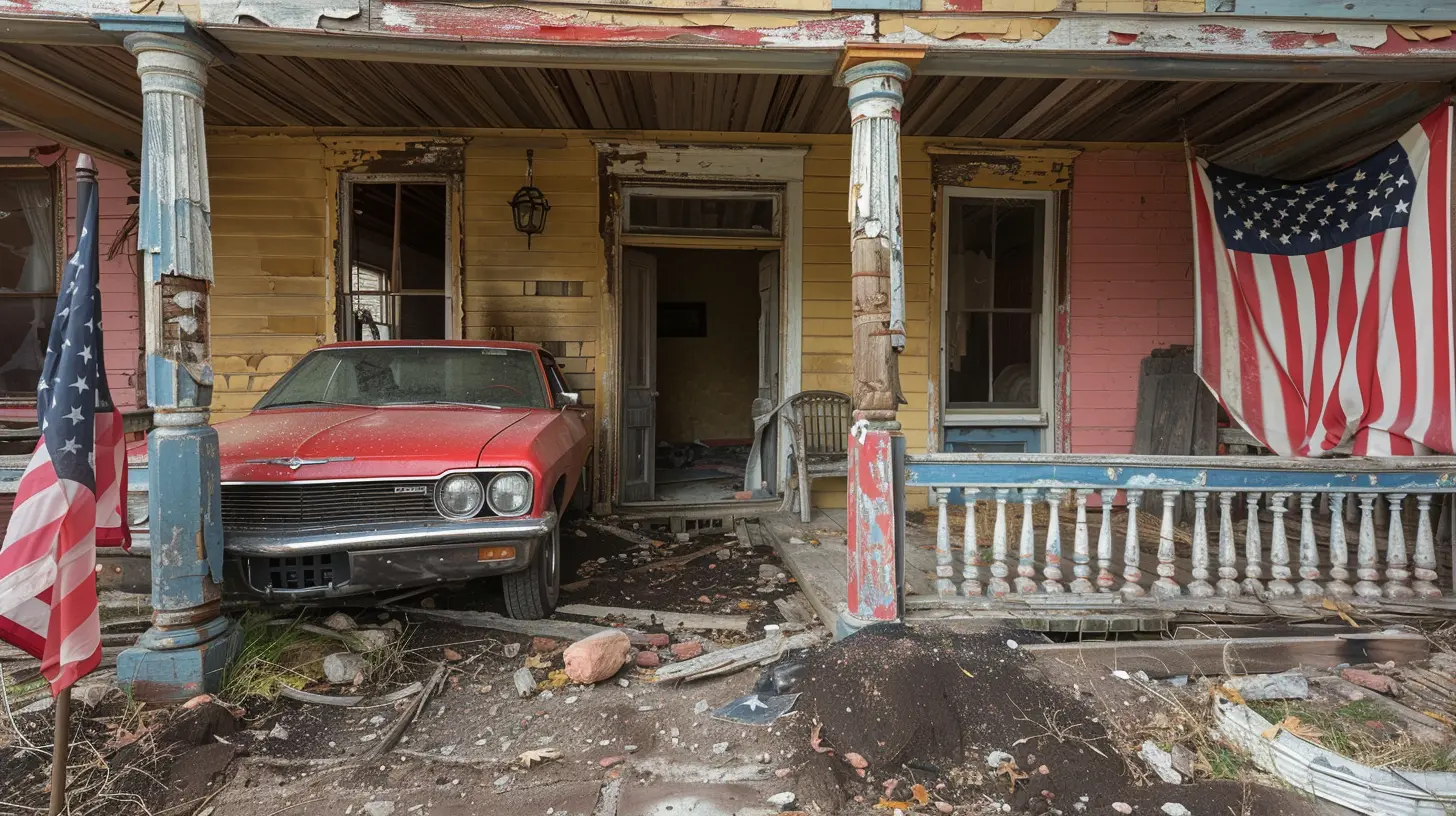
The Restoration Roadmap: From Worn Down to Wow
Step 1: Assess What You’re Working With
Before you start dreaming of marble countertops and Pinterest-perfect interiors, take a good, hard look at the property. Have a professional inspector check everything—foundation, roof, electrical, plumbing. Knowing what you’re dealing with will prevent your dream home from turning into a money pit.Step 2: Set a Realistic Budget (Then Add 20%)
Restoration projects have a sneaky way of uncovering hidden problems. You might think replacing the kitchen cabinets is your biggest expense—until you realize the plumbing is straight out of the 1920s (and not in a cool vintage way). Always budget extra for surprises.Step 3: Prioritize Structural and Safety Fixes First
Before you start picking out paint swatches, focus on the skeleton of the home. Major fixes like foundation repairs, roof replacements, and outdated electrical systems need to come first. A beautiful home isn’t worth much if it’s one strong wind away from collapsing.Step 4: Preserve What Makes It Special
One of the biggest mistakes people make when restoring historic homes? Ripping out original features in the name of modernization. Hold up! Those antique doors, original hardwood floors, and detailed moldings are what make the home special. Restore rather than replace whenever possible.Step 5: Blend Old with New (Tastefully!)
Yes, you want modern conveniences—who doesn’t want a smart thermostat and a killer kitchen? But the trick is to integrate them seamlessly with the home’s original aesthetic. Think subtle, not screamingly out of place.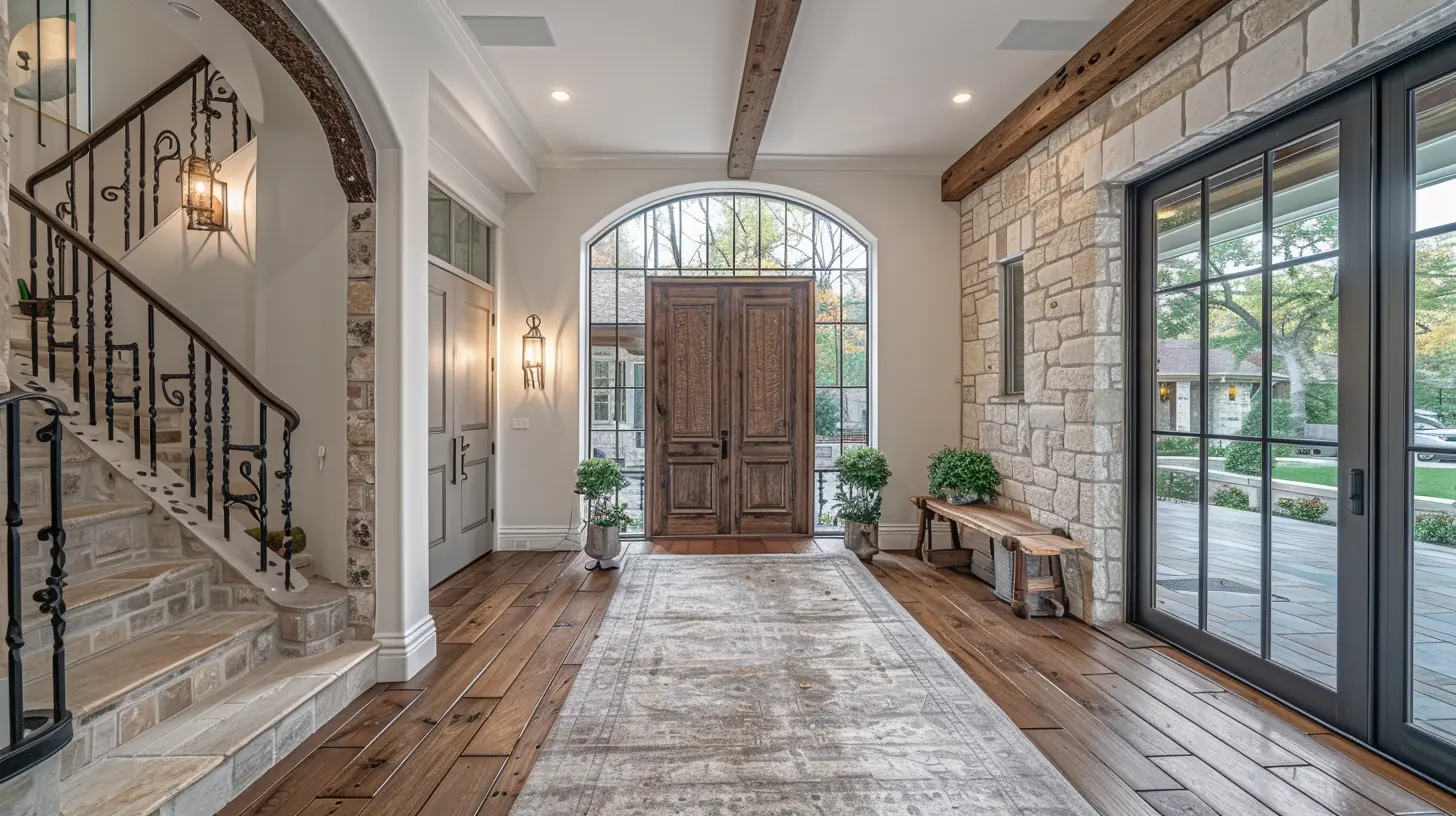
Common Challenges (And How to Overcome Them)
Dealing with Strict Regulations
Many historic homes are in designated historic districts, meaning you can’t just bulldoze and build whatever you want. Check local preservation laws before making major changes to avoid headaches (and fines).Finding Skilled Craftspeople
Restoring intricate woodwork or antique stained glass isn’t something just any contractor can do. Look for specialists who have experience working with historic homes. It might cost more, but the results will be worth it.Uncovering Hidden Disasters
Old homes come with surprises—some charming, some terrifying. Rotting beams, ancient wiring, and asbestos are all potential issues. Expect the unexpected, and always have a backup plan (and budget).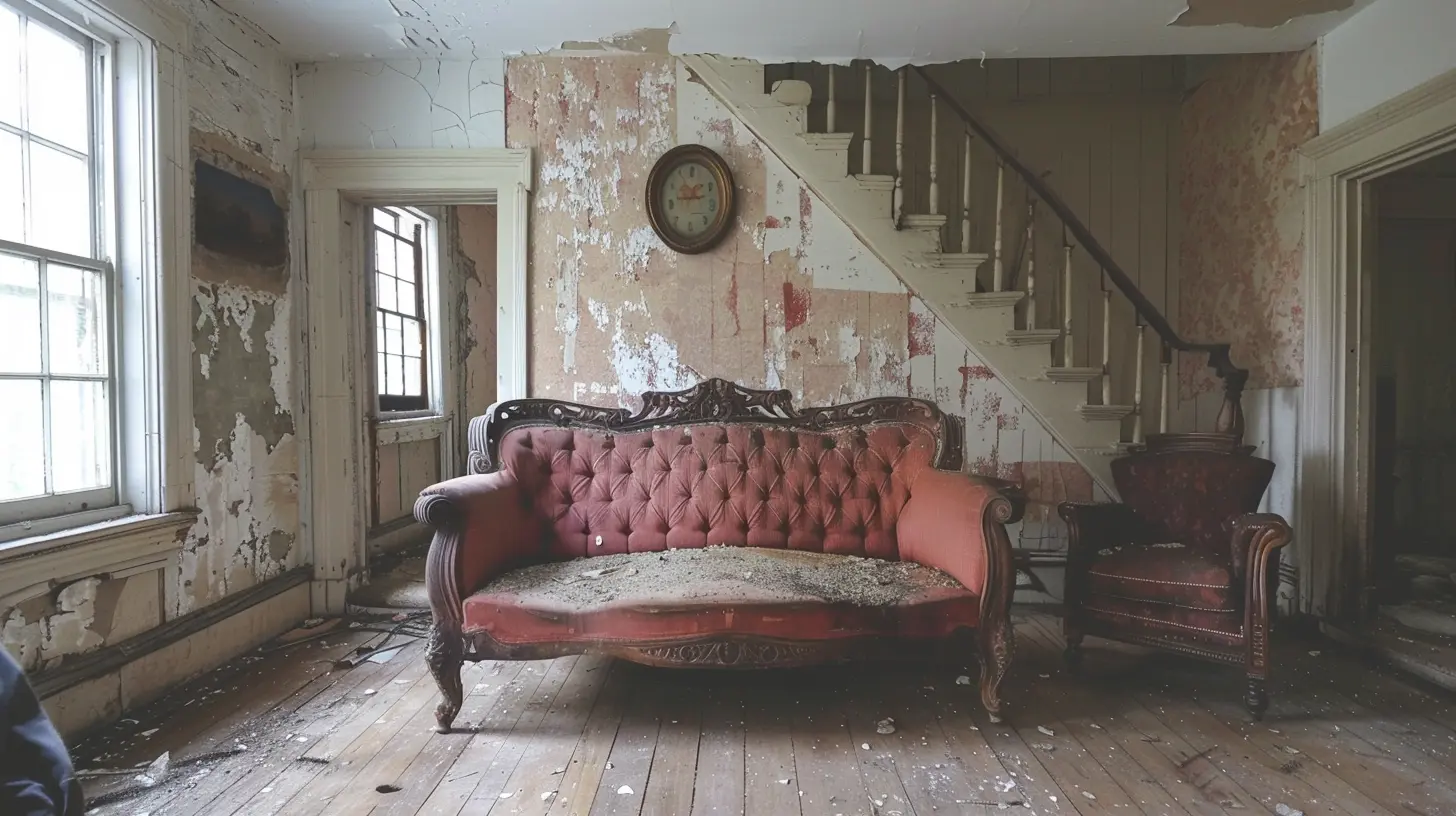
The Payoff: Living in a Home with History
When all the dust settles, what you’ll have is more than just a house. You’ll have a piece of history, a home with a story, and an irreplaceable charm that no cookie-cutter new construction could ever match. And honestly? That’s priceless.So, if you’re considering taking on a historic home restoration, just know—it’ll test your patience, drain your wallet, and challenge your DIY skills like never before. But in the end, when you’re sitting in your beautifully restored, history-filled home? Every struggle will have been so worth it.
all images in this post were generated using AI tools
Category:
Historic HomesAuthor:

Kingston Estes
Discussion
rate this article
1 comments
Brigitte McNair
Transforming a fixer-upper into a dream home is a rewarding adventure-happy renovating!
August 8, 2026 at 2:22 AM