Creating Multi-Functional Spaces in Your Tiny Home
5 June 2026
Let’s face it—living in a tiny home means getting creative. When you’ve got fewer square feet, every inch needs to work overtime. That’s where the magic of multi-functional spaces comes in. It's not just about saving space anymore—it's about designing with intention, purpose, and a sprinkle of style. Whether you’re already living in a tiny space or you're just flirting with the idea, this guide will show you how to make your tiny home bigger through smart, multi-functional design.
Why Tiny Homes Demand Multi-Functional Designs
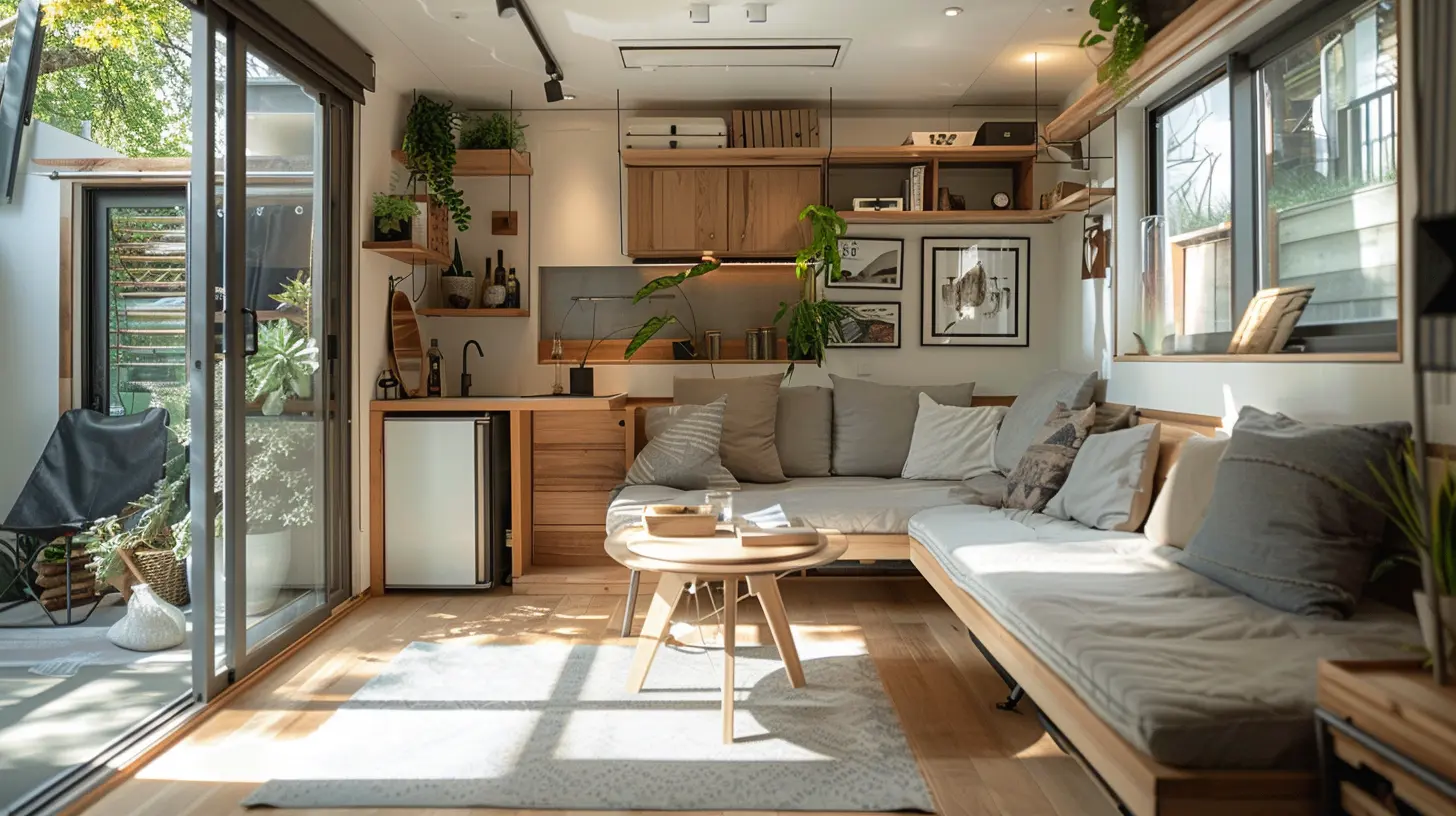
Tiny homes are cozy, efficient, and eco-friendly, but here’s the thing—they don't come with room for waste, especially when it comes to space. In a 200-square-foot home, a room can’t just be a room. Your living room probably doubles as your work space by day and a movie theater by night.If your furniture and layout aren’t pulling double duty, you’re missing out on major potential. Multi-functional spaces not only make your tiny home more livable, but they seriously boost comfort and practicality.
Start With Smart Planning
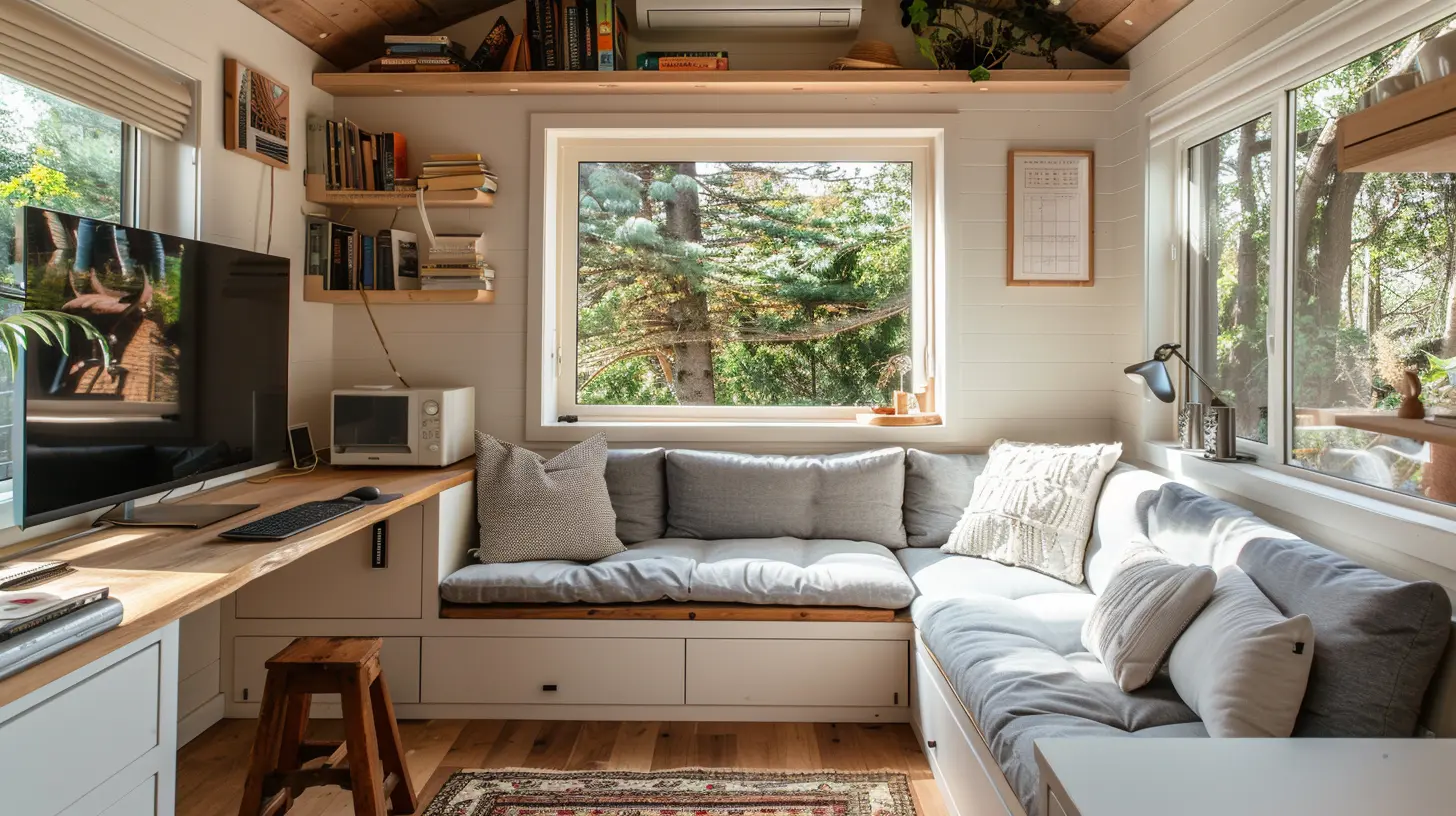
Before you add that stylish daybed or fold-out desk, pause for a second. Ask yourself:What are the must-have functions in my daily life? Sleeping, eating, working, relaxing—all these need to fit in somehow.
Write down your top daily activities. Then sketch out how those activities could be layered into one space. It’s like playing real-life Tetris, but more satisfying.
Think Vertically, Not Just Horizontally
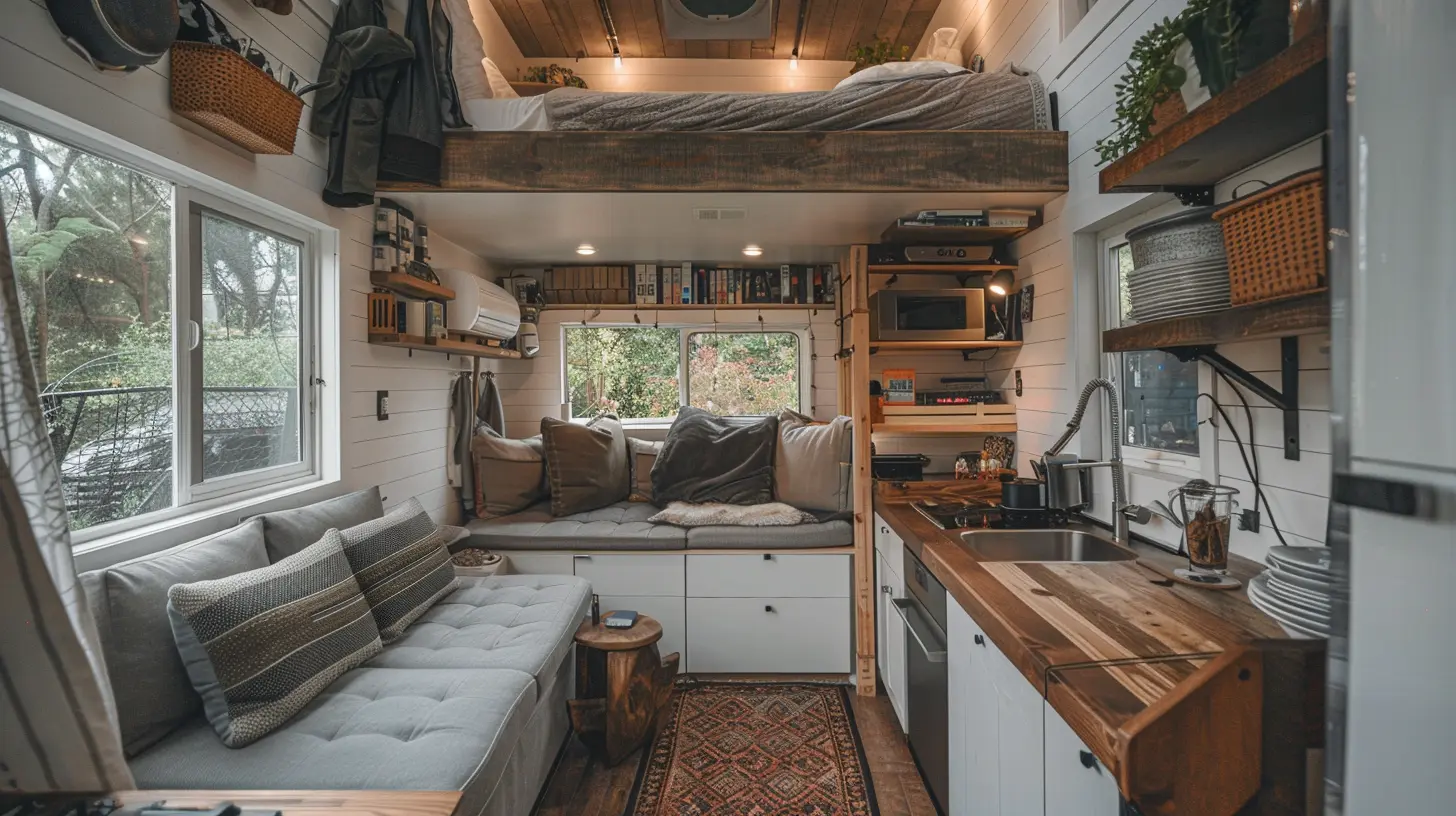
In tiny homes, the floor space is limited—but walls and the space above you? Untapped gold. Use wall-mounted storage, floating shelves, ceiling-mounted cabinets, and hanging organizers to clear up floor clutter.Loft beds, for example, unlock the space underneath for an office nook or cozy reading lounge. It's like having a bonus room without changing your footprint.
Kitchen: Functionality First
Tiny home kitchens are notorious for being tight, but that doesn’t mean they can’t be full-function. Here’s how to make your kitchen the MVP of your space.Fold-Away Dining Tables
A table that folds out from the wall is a game-changer. Use it for meals, game nights, or even as extra counter space when you’re cooking.Hidden Storage
Utilize drawer dividers, spice racks on cabinet doors, magnetic knife strips, and stackable shelves. Every square inch should be working for you.Multipurpose Appliances
Why own a toaster AND a convection oven when one device can do both? Combo appliances save counter and cabinet space without sacrificing function.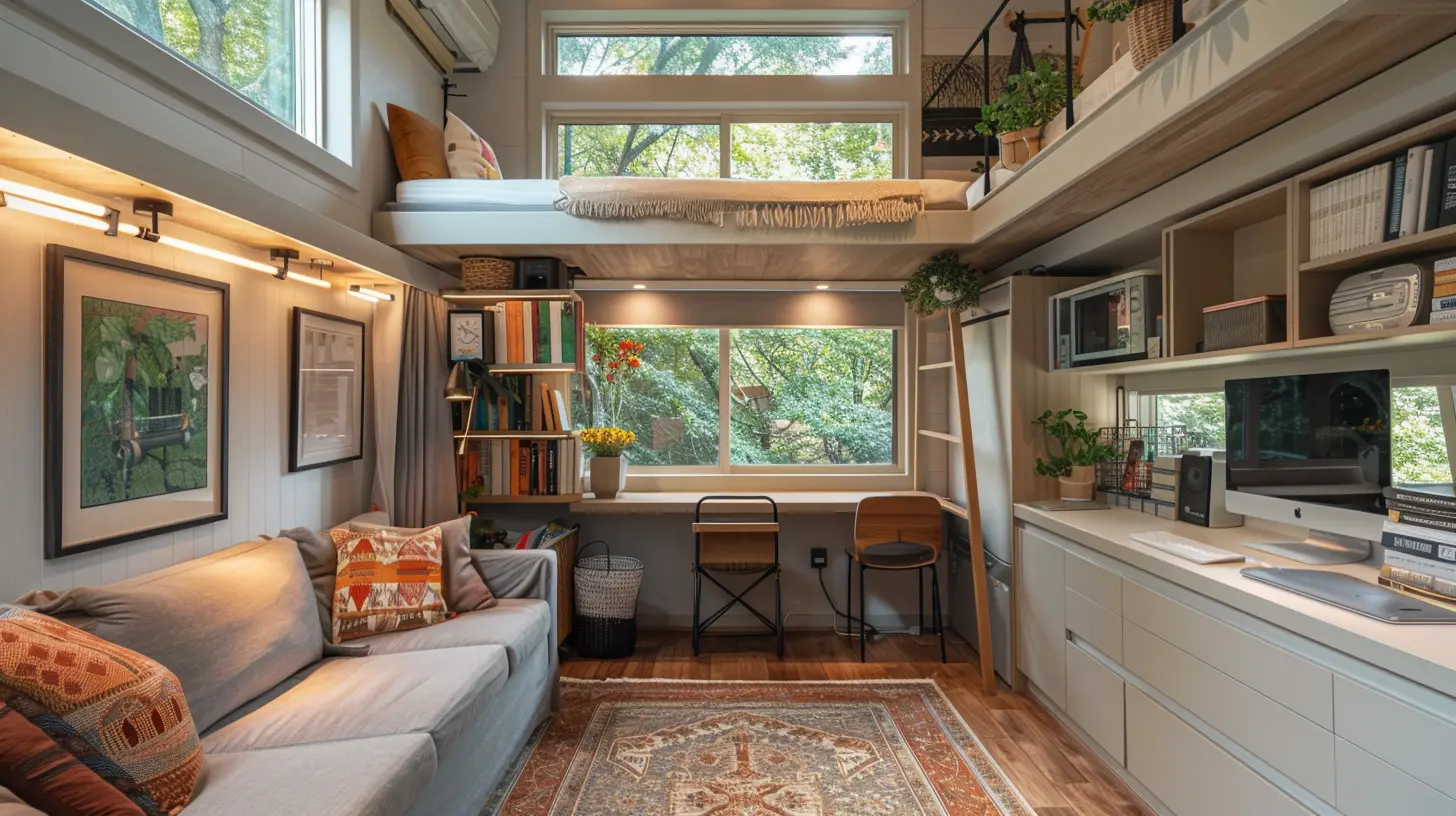
Living Room: Your Home's Swiss Army Knife
Your living room has got to be a jack-of-all-trades. One moment it’s a lounge, the next a guest bedroom. Make it flex with smart furniture and space-savvy solutions.Sofa Beds and Murphy Beds
A high-quality sofa bed will make your living space feel comfortable while also being sleep-ready for you or any guests. Murphy beds are ideal if you want to fold away the bed completely and reclaim floor space for daytime vibes.Wall-Mounted Desks
Desks that fold away when not in use are perfect for remote workers. They also double as small dining setups. Add a comfy chair, slide your laptop in, and boom—your office is open for business.Hidden Ottomans and Storage Benches
You’d be shocked how much storage you can hide in a bench or ottoman. Toss in your extra linens, books, or winter gear and keep your space clutter-free.Bedroom: Small But Mighty
The bedroom in a tiny home might not be a private oasis, but it can still be functional and cozy. Make every sleep zone smart.Beds With Storage
Use beds that offer drawers or hydraulic lifts for hidden storage. You can keep clothes, shoes, or even holiday decorations tucked away neatly.Loft Spaces
Lofts are practically a tiny home’s best friend. They keep your sleeping area separate and allow that lower-level room to breathe and stay multifunctional.Built-In Nightstands
Instead of separate furniture, try wall-mounted nightstands or add simple floating shelves on either side of your bed. Functional, minimal, and totally space-saving.
Bathroom: Small Space, Big Potential
Even the bathroom has room to flex (not literally—that might be tight!).Pocket Doors or Sliding Barn Doors
One of the easiest ways to save room? Ditch the swinging door. Sliding doors free up several feet of space that can be used for storage.Over-Toilet Shelves
Don’t let that vertical space go to waste. Shelves or cabinets above your toilet are perfect for storing towels, toiletries, and more.Compact Fixtures
Use smaller toilets and corner sinks, or even combo washer/dryer units. These choices pack all the punch in half the space.Work & Hobby Zones That Disappear When You Don’t Need Them
Got hobbies or work-from-home needs? You don’t have to sacrifice them just because your home is small. Here’s how to include them without the mess.Flip-Down Desks and Craft Tables
Install a wall-mounted table that folds down when needed and disappears when not. You’ll instantly gain a workspace without hogging floor area.Craft or Tool Storage on Walls
Use pegboards and labeled bins to keep everything you need accessible but tidy. Hang them behind doors or inside cabinets to keep them out of sight.Modular Furniture
Try furniture that can be reconfigured based on your need—today it's a desk, tomorrow it's a coffee station. Why not?
Outdoor Extensions: Expand Beyond the Walls
Who said your tiny home ends at the door? If you've got a porch, patio, or even a little slice of land, extend your living space outside.Fold-Open Walls or Large Sliding Doors
These blur the line between inside and out, making your home feel way larger. Perfect for hosting or just enjoying a breeze with your coffee.Outdoor Kitchens or Grills
Tiny indoor kitchen? Offset it with an outdoor cooking setup. A small grill, counter space, or even a collapsible bar can make your outdoors feel like a second kitchen.Weatherproof Storage Solutions
Use weather-resistant bins or benches for off-season items, gardening tools, or hobby gear. Out of sight, out of mind—but always close when you need ‘em.Tips for Making It All Come Together
Creating a multi-functional tiny home that works well and looks good takes some finesse. But these tips will help you pull it off like a pro:Keep It Neutral
Light colors and minimal patterns make rooms feel open and airy. Plus, it gives you a blank canvas that’s easy to update with accessories.Invest in Quality Over Quantity
You don’t need more stuff—you need better stuff. A solid, foldaway table is worth more than three wobbly chairs any day.Hide Clutter Like a Magician
Use baskets, bins, and boxes to keep everything neat. Label everything and keep most-used items within easy reach.Incorporate Mirrors
Mirrors bounce light and create the illusion of more space. Strategic placement can make your 300-square-foot home feel double the size.Create Zones
Even a small space benefits from clear “zones” for eating, sleeping, and working. Use rugs, lighting, or furniture placement to define each area subtly.
The Takeaway: Small Space, Big Living
Living in a tiny home doesn’t mean giving up comfort, style, or functionality. In fact, it forces you to think smarter and live more intentionally. By crafting multi-functional spaces, your home becomes a masterclass in efficiency—without losing the cozy charm that makes tiny living so appealing in the first place.Your tiny home has more room than you think. All it takes is a little imagination, a few clever hacks, and the willingness to see every corner as a chance to innovate.
So go ahead, rethink your space. Flip that table, tuck away that bed, and let your furniture moonlight as something else. Your tiny home is about to feel a whole lot bigger.
all images in this post were generated using AI tools
Category:
Tiny HomesAuthor:

Kingston Estes
Discussion
rate this article
1 comments
Reina James
Multi-functional spaces are essential in tiny homes. By combining areas for living, working, and sleeping, you maximize efficiency without sacrificing comfort. Smart storage solutions and flexible furniture can transform even the smallest room, making it a versatile haven tailored to your lifestyle. Embrace the compact design.
June 16, 2026 at 10:37 AM
Kingston Estes
I completely agree. Multi-functional spaces make the most of limited square footage and truly enhance comfort. With clever storage and adaptable furniture, tiny homes can feel spacious and inviting. Embracing this design approach opens up a world of possibilities.