Cost Breakdown: What to Expect When Buying a Tiny Home
22 August 2026
Tiny homes have surged in popularity in recent years—and for good reason. They offer a minimalist lifestyle, lower living costs, and the freedom to move wherever life takes you. But before you jump into the tiny home movement, it’s crucial to understand what you're getting into financially.
While tiny homes are undeniably more affordable than full-sized houses, they still come with a variety of costs. From materials and labor to land and utilities, let’s break down what you can expect to spend when buying a tiny home. 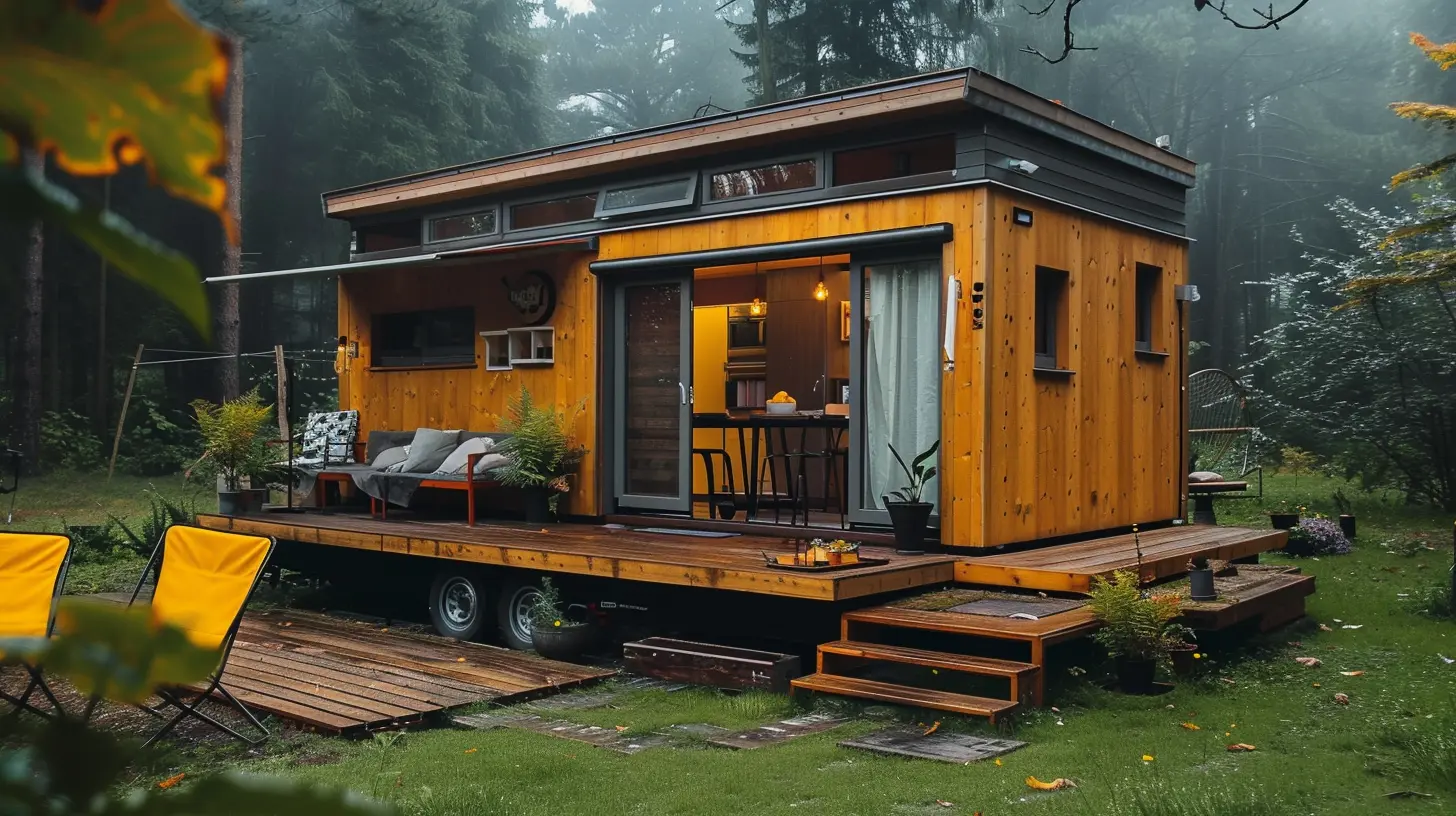
1. The Base Cost of a Tiny Home
The cost of a tiny home varies depending on whether you build it yourself or purchase a professionally built model.DIY Tiny Home Costs
If you decide to build a tiny home yourself, you can expect to pay anywhere from $10,000 to $50,000 for materials alone. The exact cost depends on the size of the home, materials chosen, and whether you have to outsource certain jobs like plumbing or electrical work.Professionally Built Tiny Homes
Hiring a professional builder to construct your tiny home will increase the price significantly. Prefabricated or custom-built tiny homes typically range between $50,000 to $150,000 or more, depending on design and finishes. While this is still far cheaper than a traditional home, it’s important to account for these costs upfront.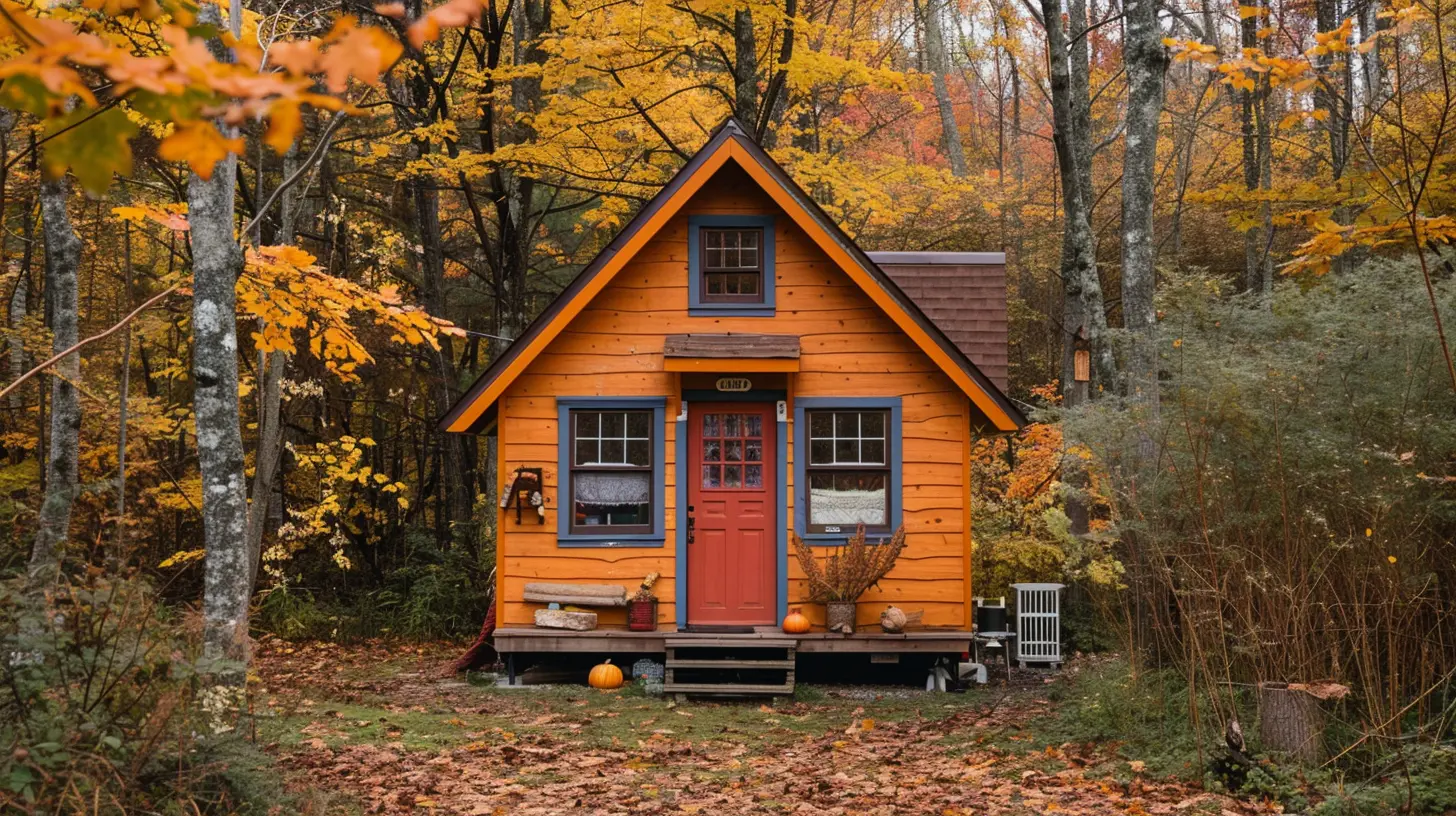
2. Land Costs: Where Will You Park Your Tiny Home?
Unless you're placing your tiny home in a backyard or an existing property, you’ll need somewhere to put it. Land costs can vary widely based on location.- Buying land – Depending on the state and proximity to urban areas, purchasing a small piece of land can cost anywhere from $5,000 to $100,000+.
- Renting a spot – If you don’t want to buy land, you might rent a space in a tiny home community or RV park. Monthly fees typically range from $300 to $1,000.
Some areas have zoning laws that limit where you can place a tiny home, so always check local regulations before making a purchase. 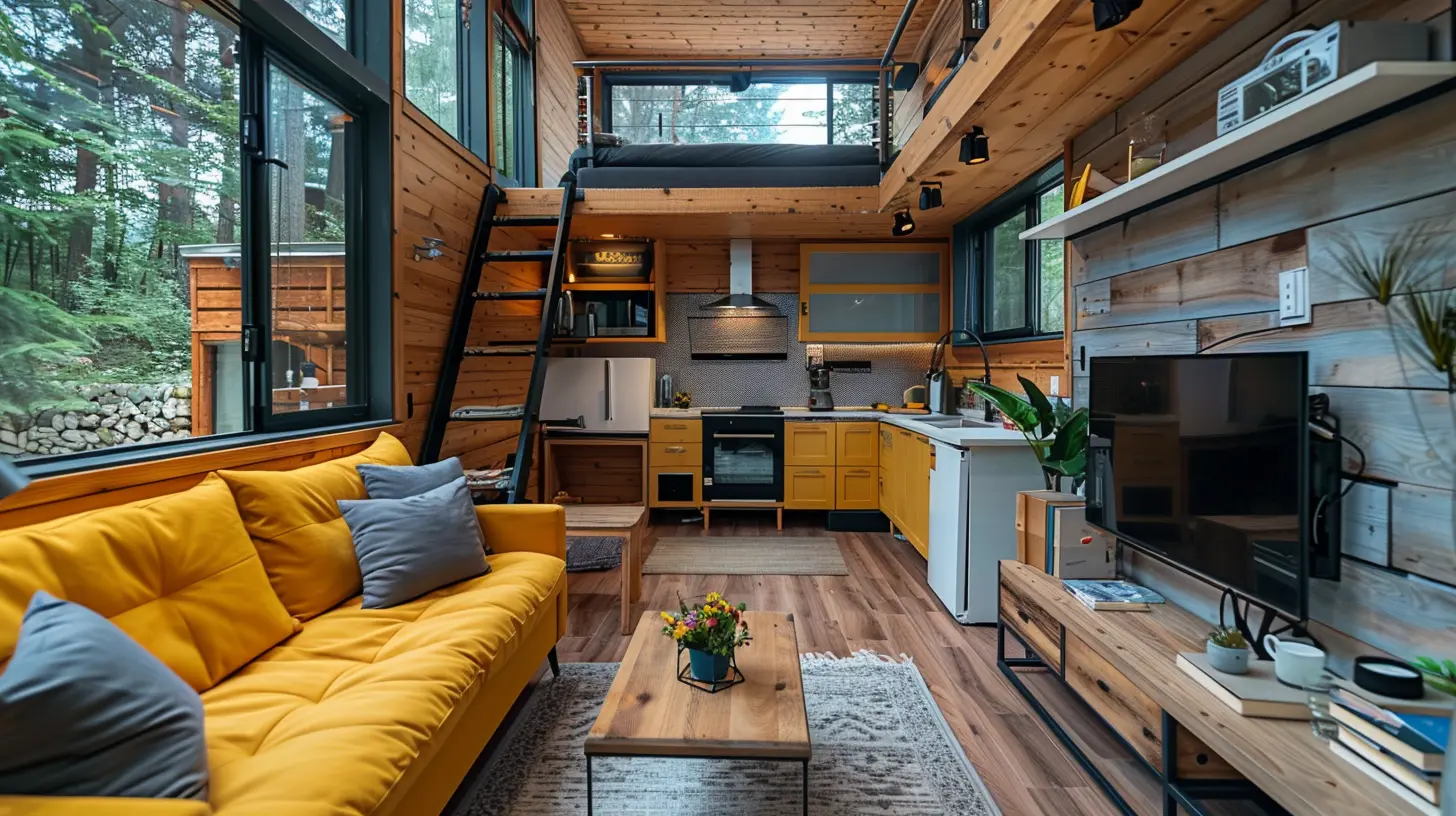
3. Foundation or Trailer: A Hidden Cost Factor
Tiny homes are either built on a foundation or a trailer, and each option comes with different costs:- Trailer-Based Tiny Homes – Most tiny homes on wheels require a high-quality trailer that costs between $5,000 to $10,000.
- Foundation-Based Tiny Homes – If you're building on a permanent foundation, you'll need to factor in excavation, concrete, and permits, which can add $10,000 to $30,000 to your overall cost.
If mobility is important to you, a trailer-based home is the way to go. But if you envision yourself staying in one place for the long haul, a foundation might be the better investment. 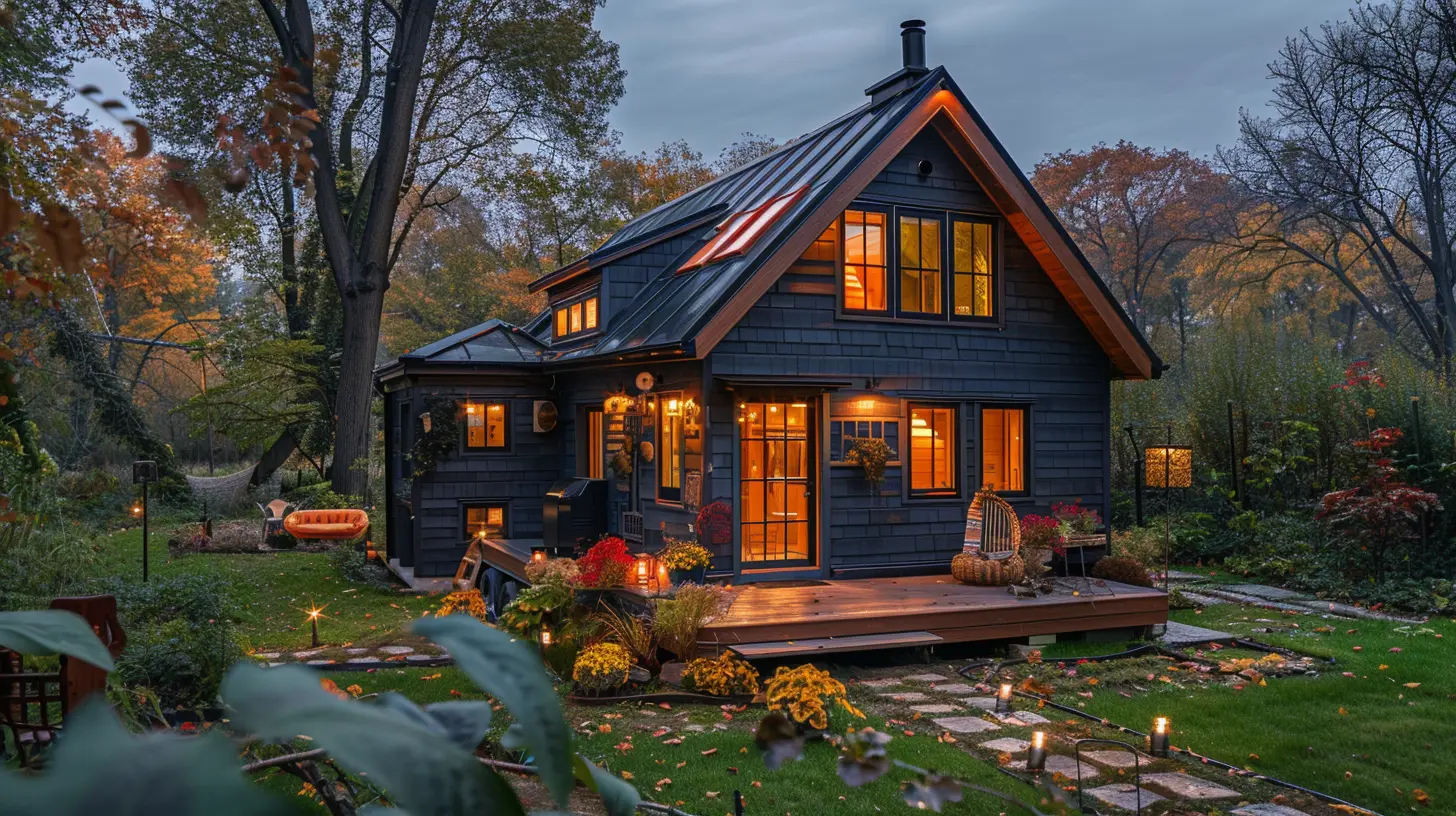
4. Utilities and Off-Grid Features
A tiny home still needs basic utilities like water, electricity, and sewage. Your costs will depend on whether you're living on-grid or off-grid.On-Grid Utility Costs
If you're connecting to local utilities, you may need to account for hookup fees, permits, and service installation:- Electricity connection – $1,000 to $5,000
- Water and sewer hookup – $2,000 to $10,000
- Internet and Wi-Fi setup – $50 to $150 per month
Off-Grid Utility Costs
For those who prefer an off-grid lifestyle, initial setup costs can be steep, but they offer long-term savings.- Solar power system – $5,000 to $20,000
- Composting toilet – $500 to $2,000
- Rainwater collection system – $1,000 to $5,000
Going off-grid can save you money in the long run, but the upfront investment can be significant.
5. Interior Finishes and Appliances
Just because a home is tiny doesn’t mean it should lack personality or comfort. The cost of the interior will depend on your taste and needs.- Basic appliances (stove, fridge, heater, etc.) – $2,000 to $7,000
- Custom cabinetry and storage solutions – $3,000 to $15,000
- Flooring and walls – $2,000 to $10,000
- Furniture – $500 to $5,000
If you’re looking for high-end finishes like granite countertops, custom-built furniture, or smart home technology, expect to spend significantly more.
6. Legal and Permit Fees
Many people overlook the cost of permits and legal fees when buying or building a tiny home. The amount will depend on local regulations and whether the home is on wheels or a foundation.- Building permits – $500 to $5,000
- Zoning and land use permits – $1,000 to $3,000
- RV certification (for homes on wheels) – $300 to $2,000
Before purchasing or building, check with your local government to ensure compliance with zoning laws and building codes.
7. Insurance and Ongoing Maintenance
A tiny home requires upkeep just like any other house. While maintenance costs are generally lower, they still need consideration.Insurance Costs
Tiny home insurance varies depending on the structure and location.- Tiny home on a foundation – Homeowners insurance costs between $500 to $2,000 per year.
- Tiny home on wheels – RV insurance ranges from $500 to $3,000 annually.
Maintenance and Repairs
Regular maintenance can extend the life of your tiny home and prevent costly repairs. Common upkeep costs include:- Roof repairs – $500 to $5,000
- Plumbing fixes – $200 to $2,000
- General wear and tear – $500 to $1,500 per year
Proper maintenance ensures longevity and helps avoid unexpected expenses down the road.
8. Unexpected Costs and Budgeting Tips
Even with careful planning, unexpected costs can arise. It’s always a good idea to have extra savings set aside.Possible Unexpected Costs
- Delivery fees (for prefab homes) – $1,000 to $5,000- Emergency repairs – $500 to $3,000
- Permit changes or zoning adjustments – Varies widely
Smart Budgeting Tips
- Always budget at least 10-20% more than your expected costs.- Consider buying used materials for savings.
- Prioritize multi-functional furniture to reduce costs on storage solutions.
Final Thoughts: Is a Tiny Home Worth It?
While tiny homes can be a great way to save money and embrace minimalism, they still come with a range of costs you must plan for. Whether you're buying a pre-built model or building from scratch, careful budgeting ensures a smoother transition into tiny home living.If saving money, reducing your carbon footprint, and adopting a minimalist lifestyle appeal to you, then a tiny home might be the perfect fit. Just remember—the smaller the house, the bigger the planning required!
all images in this post were generated using AI tools
Category:
Tiny HomesAuthor:

Kingston Estes
Discussion
rate this article
2 comments
Enid Sullivan
Great insights on tiny home expenses, thank you!
August 28, 2026 at 10:41 AM
Kingston Estes
Thanks for reading! I'm glad you found the insights helpful.
Tamsin McNab
Tiny homes, big expenses.
August 22, 2026 at 4:42 AM
Kingston Estes
That's a common misconception. While tiny homes often have lower initial costs, expenses can add up with land, utilities, and maintenance. It's important to plan carefully.